Securing affordable life insurance with fast approval requires understanding accelerated underwriting programs, which leverage automated data checks and medical databases to bypass traditional nurse-administered medical exams while still offering competitive, budget-friendly rates for healthy applicants.
Navigating the life insurance market can feel overwhelming, particularly when balancing the twin priorities of keeping monthly premiums low and obtaining coverage quickly. Traditional life insurance applications often involve a multi-week or even multi-month process featuring scheduled physical examinations, blood draws, urine samples, and extensive physician statement collections. However, advancements in underwriting technology have fundamentally transformed this landscape. Today, many insurers offer streamlined pathways designed to deliver coverage in days or even hours without sacrificing affordability.
Understanding how these expedited systems operate, what eligibility criteria underwriters evaluate, and how to shop effectively can save you both time and money. This guide explores the mechanics of fast-approval, cost-effective life insurance, outlines the prerequisites for qualifying, compares policy types, and provides actionable steps to secure your policy efficiently.
Understanding Accelerated Underwriting and Fast Approval
The traditional life insurance application model relies heavily on fully underwritten policies. These require an in-person paramedical exam where a technician measures your height, weight, blood pressure, and pulse, while collecting biological samples to test for cholesterol levels, nicotine use, pre-existing conditions, and undisclosed health risks. While thorough, this method introduces significant friction and delay into the issuance of a policy.
Accelerated underwriting, by contrast, relies on big data algorithms, electronic health records (EHRs), prescription history databases (such as the Prescription Data Exchange), motor vehicle records (MVRs), and credit-based insurance scores. When you submit an application online or through an agent, the insurer instantly queries these databases to verify your identity and health background. If your digital footprint matches a low-risk profile, the underwriting algorithm approves the policy on an accelerated timeline—sometimes within minutes or hours—allowing you to secure coverage rapidly.
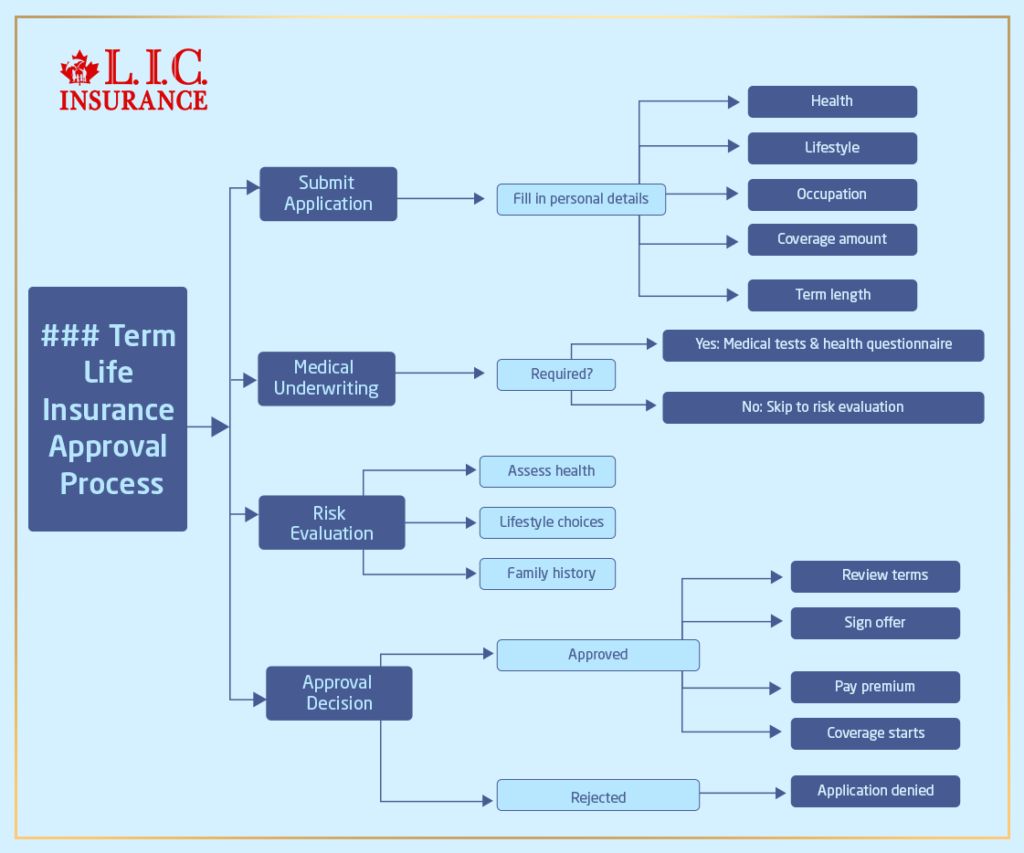
Crucially, "fast approval" does not inherently mean "no medical questions." You will still be required to complete a detailed health questionnaire covering your personal medical history, family medical history, lifestyle habits (such as skydiving or smoking), and occupational risks. The distinction lies in whether the insurer trusts your disclosures and digital verification enough to waive the invasive physical examination.
Core Factors That Keep Rates Affordable
Affordability in life insurance is a function of calculated risk. Insurers price policies based on the statistical likelihood of a claim being paid out during the term of the contract. To keep your monthly or annual premiums as low as possible while pursuing fast approval, you must understand the primary variables underwriters evaluate.
Age and Gender
Age is the single most influential factor in life insurance pricing. As you age, the mortality risk increases, driving up the cost of coverage. Securing a policy in your 20s or 30s is significantly less expensive than locking in rates in your 40s, 50s, or beyond. Gender also plays a role; statistically, women have a longer life expectancy than men, resulting in slightly lower base rates for equivalent coverage amounts.
Health Status and Medical History
Even with fast approval pathways, your health history dictates your rate class. Insurers categorize applicants into tiers ranging from Preferred Plus (or Super Preferred) down to Substandard. Clean lab data pulled through prescription and medical databases helps you qualify for higher tiers. Conditions such as untreated hypertension, high cholesterol, diabetes, or a history of heart disease will push you into higher risk brackets, raising your costs.
Lifestyle Habits
Tobacco use is a primary driver of premium inflation. Smokers, cigar users, and vapers typically pay two to three times more for term life insurance than non-smokers. Fast approval programs are rigorous about verifying tobacco use through pharmacy records and chemical assays; misrepresenting your status on an application constitutes material misrepresentation, which can lead to policy rescission or a denied death benefit. Other lifestyle factors include driving records (speeding tickets, DUIs) and hazardous hobbies like rock climbing, private aviation, or scuba diving.
Term Life Versus Permanent Life for Speed and Cost
When shopping for affordable coverage with quick turnaround times, the structure of the policy matters immensely. Life insurance generally falls into two primary categories: term life and permanent life.
| Feature | Term Life Insurance | Permanent Life Insurance |
|---|---|---|
| Duration | Fixed period (10, 20, 30 years) | Lifelong (to age 100 or death) |
| Cost | Highly affordable | Significantly higher |
| Fast Approval Avail. | Widely available online | Limited, more complex underwriting |
| Cash Value Component | None | Builds tax-deferred cash value |
Term Life Insurance
Term life insurance provides coverage for a specific period—typically 10, 20, or 30 years. If the insured passes away during the term, the beneficiaries receive the tax-free death benefit. Because term policies do not accumulate cash value and expire at the end of the term, they are remarkably inexpensive. Term life is also the most common product offered through accelerated underwriting programs, making it the premier choice for buyers seeking both speed and low cost.
Permanent Life Insurance
Permanent policies, such as Whole Life or Universal Life, provide lifelong coverage and include a cash-value savings component that grows on a tax-deferred basis. Because these policies guarantee a payout and build equity, the financial risk to the insurer is much higher. Consequently, permanent life insurance is vastly more expensive than term insurance. While some simplified issue permanent policies exist, finding a low-cost, fast-approval permanent policy is exceedingly difficult due to the rigorous financial and medical scrutiny required for lifelong contracts.
Step-by-Step Guide to Applying for Fast-Approval Life Insurance
Navigating the application process strategically ensures you maximize your chances of receiving an instant or expedited decision without accidentally triggering manual underwriting reviews that cause delays.
1. Determine Your Coverage Needs
Before soliciting quotes, calculate how much financial protection your family requires. A common guideline is the DIME formula (Debt, Income, Mortgage, Education) or securing 10 to 15 times your annual salary. Knowing your precise target coverage (e.g., $500,000 over a 20-year term) keeps your comparisons accurate.
2. Gather Necessary Personal Data
To expedite the digital verification process, have your personal and financial information ready before you begin an online application:
- Social Security number for identity verification.
- Basic employment and income details.
- Contact information for primary care physicians.
- A comprehensive list of any prescription medications you currently take or have taken in the past two years.
3. Shop Multiple Carriers Using Digital Marketplaces
Not all life insurance companies utilize the same underwriting algorithms. Carrier A might penalize a minor health condition heavily, while Carrier B’s automated system ignores it for younger applicants. Utilize independent digital brokerages or comparison tools to view quotes from multiple A-rated carriers simultaneously.
4. Answer Health Questions Honestly and Accurately
During the digital questionnaire, provide precise answers. Do not guess dates or omit past diagnoses. Underwriters cross-reference your answers against the Medical Information Bureau (MIB) and prescription databases. Discrepancies between your self-reported data and database records will automatically halt the fast-approval pipeline, forcing a manual review and a mandatory medical exam.
5. Review and Sign Electronically
If the automated underwriting system clears your application, you will receive an instant approval notification along with your final policy offer. Review the terms, select your payment frequency (monthly or annual), sign the documents electronically, and submit your first premium payment to officially activate coverage.
Common Pitfalls That Delay Fast Approval
Even when utilizing streamlined application systems, applicants frequently make avoidable mistakes that stall their approval or increase their rates. Recognizing these pitfalls helps you protect your timeline and budget.
- Inaccurate Medication History: Forgetting to list a prescription—even for a routine or temporary condition like seasonal allergies or mild anxiety—triggers a mismatch in pharmacy databases. The underwriting engine flags this inconsistency, halting instant approval until an underwriter manually investigates.
- Failing to Disclose Driving Violations: Multiple speeding tickets or a recent minor accident pulled from your motor vehicle record can change your risk classification. Being transparent upfront prevents surprises during the digital verification stage.
- Applying for Excessive Face Amounts: Accelerated underwriting programs typically have caps, often ranging from $500,000 to $1,500,000 depending on your age. If you apply for a $5,000,000 policy, you will automatically be routed to traditional, fully underwritten channels requiring physical exams.
- Ignoring Tobacco Cessation Timelines: Insurers define non-smoker status strictly. If you quit smoking six months ago, you may still be classified as a smoker by many carriers, which dramatically increases your quote. Be sure to check individual carrier guidelines regarding nicotine definitions and testing windows.
Frequently Asked Questions
Does fast approval life insurance cost more than traditional policies?
No. In many cases, fast-approval term policies cost the same as—or occasionally less than—traditional policies because insurers save money on the administrative costs of scheduling physical exams and processing lab work. Pricing is driven by your underlying risk profile, not the speed of the underwriting process.
Can I get fast approval if I have pre-existing health conditions?
It depends on the severity of the condition. Minor, well-controlled conditions like mild hyperlipidemia or seasonal allergies rarely prevent fast approval. However, chronic or complex conditions such as diabetes, recent cancer diagnoses, or severe cardiovascular disease will almost always trigger a manual underwriting review requiring medical records and a physical exam.
Are no-exam life insurance policies the same as fast-approval policies?
They are closely related, but distinct. "No-exam" simply means you do not have to complete a physical paramedical exam. However, some no-exam policies require manual underwriting review of your medical records, which can take weeks. "Fast-approval" specifically refers to policies that combine no-exam requirements with automated algorithms to issue decisions in hours or days.
What happens if my fast-approval application is denied or delayed?
If an automated underwriting system cannot approve your application instantly, you are typically not outright denied coverage. Instead, the application is simply deferred to traditional underwriting. The insurer will request additional information, such as an attending physician statement (APS) or a standard medical exam, to complete your evaluation.
Next Steps for Securing Your Policy
Securing affordable life insurance with fast approval is entirely achievable if you prepare your information in advance, maintain honesty during health disclosures, and shop across multiple automated carriers. Begin by assessing your exact financial coverage requirements and gathering your medical and prescription history. Next, run digital quotes through reputable independent insurance platforms to compare rates across top-tier carriers. By taking these steps today, you can lock in robust financial protection for your loved ones quickly and affordably, without the hassle of a traditional medical exam.