Experiencing a sudden, fluttering sensation in your chest after taking Advil is unsettling, but nonsteroidal anti-inflammatory drugs like ibuprofen can indeed affect your cardiovascular system through mechanisms like fluid retention and blood pressure elevation. While occasional mild palpitations are often harmless, persistent fluttering, dizziness, or chest pain requires prompt medical evaluation.
Understanding Advil and Its Active Ingredient
Advil is one of the most widely recognized over-the-counter brand names for ibuprofen, a medication belonging to the class of drugs known as nonsteroidal anti-inflammatory drugs (NSAIDs). Millions of people worldwide rely on ibuprofen to manage everyday ailments, ranging from mild tension headaches and muscular sprains to chronic inflammatory conditions like osteoarthritis and rheumatoid arthritis.
To understand why a medication typically taken for musculoskeletal pain or headaches might cause sensations in the chest, it is helpful to look at how ibuprofen works within the body. Ibuprofen operates primarily by inhibiting cyclooxygenase (COX) enzymes, specifically COX-1 and COX-2. These enzymes are responsible for the synthesis of prostaglandins, which are hormone-like substances that trigger inflammation, pain, and fever. By blocking these enzymes, Advil successfully reduces swelling, alleviates pain, and lowers body temperature.
However, prostaglandins do not merely regulate pain and inflammation; they also play critical regulatory roles throughout the cardiovascular system, kidneys, and gastrointestinal tract. Because COX enzymes are distributed widely across various organ systems, systemic inhibition by NSAIDs can produce secondary effects far beyond the site of a sore muscle or throbbing joint. When these regulatory pathways are altered, it can inadvertently influence heart rate and rhythm, leading some individuals to perceive unusual sensations in their chest cavity.
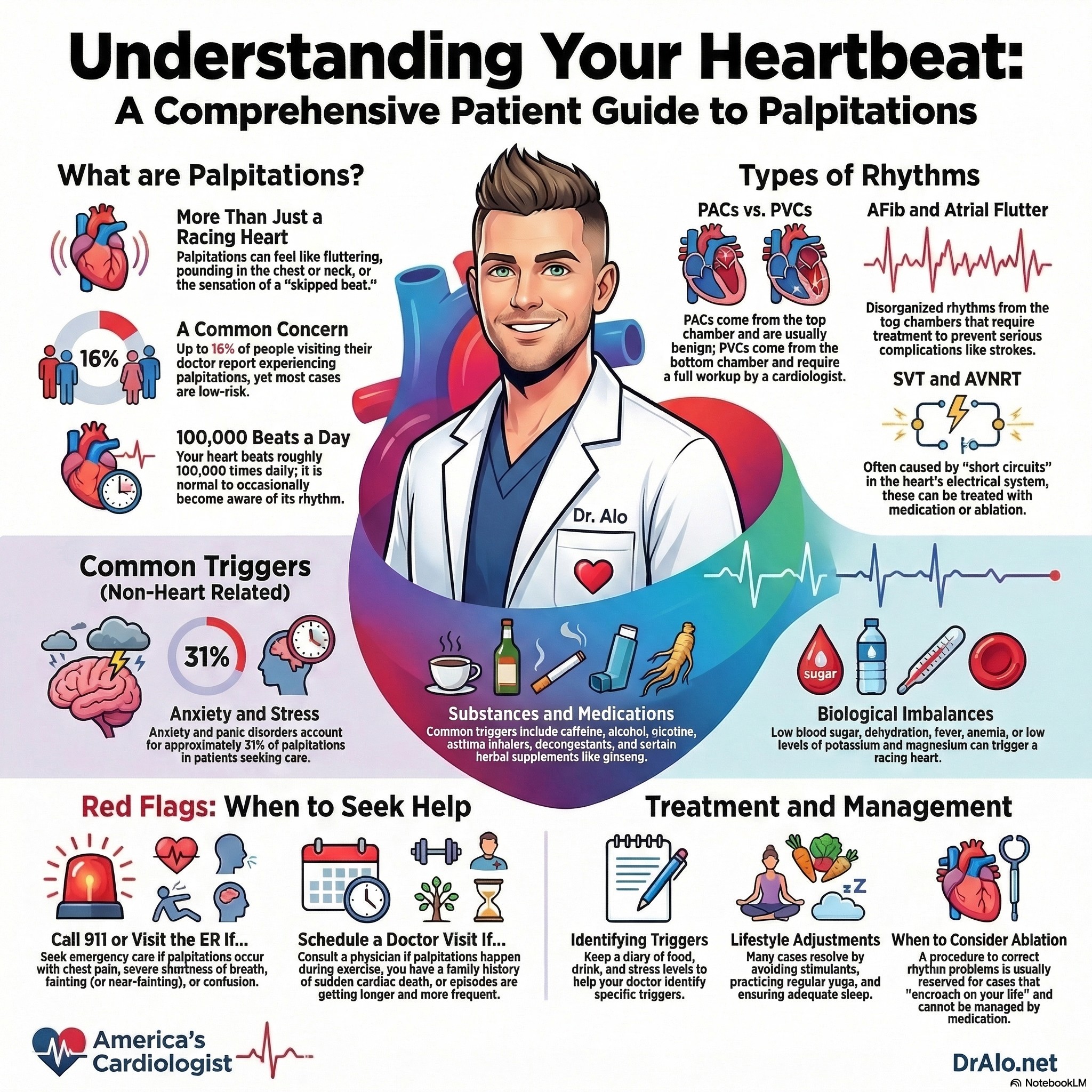
What Are Heart Palpitations?
Heart palpitations are formally defined as sensations of a pounding, racing, or fluttering heartbeat. People who experience palpitations often describe them in vivid ways: they might feel as though their heart is skipping a beat, pounding uncomfortably hard against the ribs, flipping over inside the chest, or beating far too rapidly while they are resting quietly.
Medically, palpitations are a symptom rather than a diagnosis in their own right. They can arise from a wide array of underlying physiological phenomena, including premature atrial contractions (PACs), premature ventricular contractions (PVCs), brief bouts of tachycardia (a fast heart rate), or heightened awareness of normal sinus rhythm due to anxiety or stress.
For most individuals, occasional palpitations are entirely benign. They can be triggered by common lifestyle factors such as excessive caffeine consumption, heavy alcohol intake, sleep deprivation, intense emotional stress, or strenuous physical exertion. However, when palpitations occur in temporal relationship with the ingestion of a medication like Advil, it points toward a potential pharmacological or physiological trigger that warrants closer examination.
The Physiological Link Between NSAIDs and Cardiovascular Sensations
The connection between NSAIDs like Advil and cardiovascular symptoms such as heart palpitations is rooted in how these medications alter systemic hemodynamics and electrolyte balances. While generally safe for short-term use in healthy populations, ibuprofen can induce several changes in the body that directly or indirectly influence cardiac rhythm.
Fluid Retention and Blood Pressure Elevation
One of the primary renal effects of NSAIDs is the inhibition of renal prostaglandins, which normally help maintain adequate blood flow to the kidneys and promote the excretion of sodium and water. When ibuprofen blocks these prostaglandins, the kidneys tend to retain more sodium and fluid. This increase in blood volume places a higher workload on the cardiovascular system, often leading to a measurable rise in blood pressure. An acute increase in blood pressure can stimulate baroreceptors in the carotid sinuses and aortic arch, triggering reflex adjustments by the autonomic nervous system that may manifest as a sudden surge in heart rate or perceived palpitations.
Direct and Indirect Autonomic Effects
Beyond fluid balance, systemic shifts caused by pain relievers can activate the sympathetic nervous system—the body's "fight or flight" response. If a person experiences mild gastrointestinal distress, a slight elevation in blood pressure, or general physiological stress after taking an NSAID, the sympathetic nervous system may release catecholamines such as adrenaline. These hormones directly increase myocardial contractility and heart rate, making heartbeats feel stronger, faster, or more pronounced.
Electrolyte Shifts and Renal Interactions
In rare instances, particularly in older adults or individuals with underlying renal impairment, NSAIDs can impact electrolyte homeostasis, such as potassium and sodium levels. Even minor imbalances in these vital electrolytes can alter the electrical conductivity of cardiac muscle tissue, occasionally provoking ectopic beats or rhythm irregularities perceived as fluttering in the chest.
Risk Factors: Who Is Most Susceptible?
Not everyone who takes Advil will experience heart palpitations. Susceptibility varies widely based on individual health profiles, underlying medical conditions, and concurrent medications. Recognizing these risk factors helps clarify why certain individuals are more prone to cardiovascular side effects from common painkillers.
- Pre-existing Cardiovascular Disease: Individuals with a history of hypertension, coronary artery disease, heart failure, or previous myocardial infarctions are significantly more sensitive to the hemodynamic alterations caused by NSAIDs.
- Advanced Age: Older adults experience changes in drug metabolism, renal clearance, and autonomic regulation, making them more vulnerable to fluid retention, blood pressure spikes, and cardiac symptoms from standard NSAID doses.
- Kidney Impairment: Because ibuprofen is processed and cleared with the help of renal mechanisms, compromised kidney function can lead to drug accumulation and exaggerated fluid and electrolyte shifts.
- Concurrent Stimulant Use: Combining Advil with other substances that elevate heart rate—such as high doses of caffeine, nicotine, energy drinks, or prescription medications for attention deficit hyperactivity disorder—amplifies the likelihood of experiencing noticeable palpitations.
- Dehydration: Low fluid volume combined with NSAID-induced renal changes can heighten cardiovascular strain, making reflex tachycardia or palpitations more pronounced.
| Risk Factor Category | Potential Mechanism | Clinical Implication |
|---|---|---|
| Hypertension | Prostaglandin inhibition leads to sodium/water retention and increased vascular resistance. | Blood pressure spikes can trigger autonomic reflex responses felt as palpitations. |
| Kidney Disease | Reduced renal blood flow impairs clearance and alters electrolyte balance. | Higher circulating drug levels and electrolyte shifts increase arrhythmia susceptibility. |
| Advanced Age | Decreased physiological reserve and altered pharmacokinetics. | Greater sensitivity to fluid shifts and cardiovascular side effects. |
| Caffeine/Stimulant Co-use | Synergistic adrenergic stimulation of the heart. | Heightened risk of rapid heart rate, jitteriness, and pronounced chest fluttering. |
Evaluating Your Symptoms: When to Seek Medical Care
Distinguishing between a harmless, transient reaction and a serious medical emergency is critical when evaluating heart palpitations associated with medication use. While a brief flutter that resolves quickly after resting may not require immediate intervention, certain accompanying symptoms serve as red flags.
You should seek immediate emergency medical evaluation (such as calling emergency services or visiting the nearest emergency department) if your heart palpitations are accompanied by any of the following warning signs:
- Chest pain, pressure, tightness, or a squeezing sensation radiating to the jaw, neck, back, or left arm.
- Sudden shortness of breath or severe difficulty breathing.
- Dizziness, lightheadedness, feeling faint, or actual loss of consciousness (syncope).
- Sudden confusion, weakness, or difficulty speaking.
- Palpitations that begin abruptly, persist for an extended period, or are accompanied by a resting heart rate consistently above 100 beats per minute without an obvious cause.
If your symptoms are mild, infrequent, and unaccompanied by red-flag indicators, your next step should be scheduling a non-urgent consultation with your primary care physician or a cardiologist. Keep a detailed symptom diary noting when you took Advil, the exact dose, what you were doing when the palpitations occurred, how long they lasted, and any other substances consumed at the time. This record provides invaluable data for your healthcare provider.
Safe Alternatives for Pain and Inflammation Management
If you suspect that Advil or other NSAIDs are triggering uncomfortable cardiovascular symptoms, do not simply suffer through your pain. Several alternative strategies and medications can help manage discomfort while minimizing stress on your cardiovascular system.
Acetaminophen (Tylenol)
For many individuals, acetaminophen represents a primary alternative to NSAIDs. Unlike ibuprofen, acetaminophen acts primarily in the central nervous system to reduce pain and fever without significantly inhibiting peripheral COX enzymes in the kidneys or blood vessels. Consequently, it generally does not cause the fluid retention, blood pressure increases, or renal-mediated cardiovascular strain associated with NSAIDs. However, it is essential to adhere strictly to recommended dosing guidelines, as excessive intake can cause liver injury.
Topical NSAIDs
If you are treating localized joint or muscular pain—such as arthritis in a knee or a strained wrist—topical NSAID formulations (like diclofenac sodium gel) offer a viable alternative. Topical application delivers the anti-inflammatory medication directly to the target site through the skin, resulting in significantly lower systemic blood concentrations compared to oral tablets. This substantially reduces the likelihood of systemic side effects, including blood pressure elevations and cardiac symptoms.
Non-Pharmacological Approaches
Complementary and lifestyle-based pain management strategies can also reduce reliance on medications. Physical therapy, targeted stretching, structured exercise programs, massage therapy, acupuncture, and the strategic application of heat or cold packs can effectively manage various forms of musculoskeletal discomfort without introducing pharmacological variables into your cardiovascular system.
Frequently Asked Questions
Can taking too much Advil cause irregular heartbeats?
Taking higher doses of ibuprofen than recommended increases the magnitude of systemic prostaglandin inhibition, which intensifies risks for fluid retention, blood pressure elevation, and electrolyte imbalances. These amplified physiological changes raise the likelihood of experiencing noticeable heart palpitations or rhythm disturbances. Always follow package directions or your physician's dosing instructions.
How long does ibuprofen stay in your system after you stop taking it?
The elimination half-life of ibuprofen is relatively short, typically around 2 hours in healthy adults. This means the majority of the drug is cleared from your bloodstream within 10 to 12 hours after your last dose. If palpitations are directly related to the acute pharmacological presence of Advil, they typically subside as the drug leaves your system.
Is it safe to drink coffee after taking Advil if I have palpitations?
Combining Advil with significant amounts of caffeine is generally discouraged if you are prone to heart palpitations. Both substances can stimulate the sympathetic nervous system—caffeine acting as a direct central nervous system stimulant and NSAIDs potentially triggering autonomic reflex responses. Together, they can synergistically increase heart rate and the perception of chest fluttering.
Can low-dose ibuprofen still cause heart palpitations?
While adverse cardiovascular effects are more commonly documented with higher doses or chronic long-term use, even standard over-the-counter doses can occasionally provoke symptoms in highly sensitive individuals, those with underlying cardiovascular vulnerabilities, or people experiencing concurrent dehydration or high stress.
Should I stop taking my prescribed heart medication if I take Advil?
Never discontinue prescribed cardiovascular medications, such as blood pressure drugs or blood thinners, without direct guidance from your prescribing physician. Furthermore, certain blood pressure medications (such as ACE inhibitors or diuretics) can interact negatively with NSAIDs, making professional medical consultation essential before combining pain relievers with prescription regimens.
Next Actions and Conclusion
Experiencing heart palpitations after taking Advil serves as an important physiological signal that your body is reacting to the medication. Start by discontinuing use of the product if you suspect a correlation, ensure you are adequately hydrated, and avoid combining pain relievers with stimulants like high caffeine intake. For persistent, frequent, or distressing palpitations, schedule an appointment with a healthcare professional to evaluate your cardiovascular health and explore safer, personalized pain management alternatives tailored to your medical history.