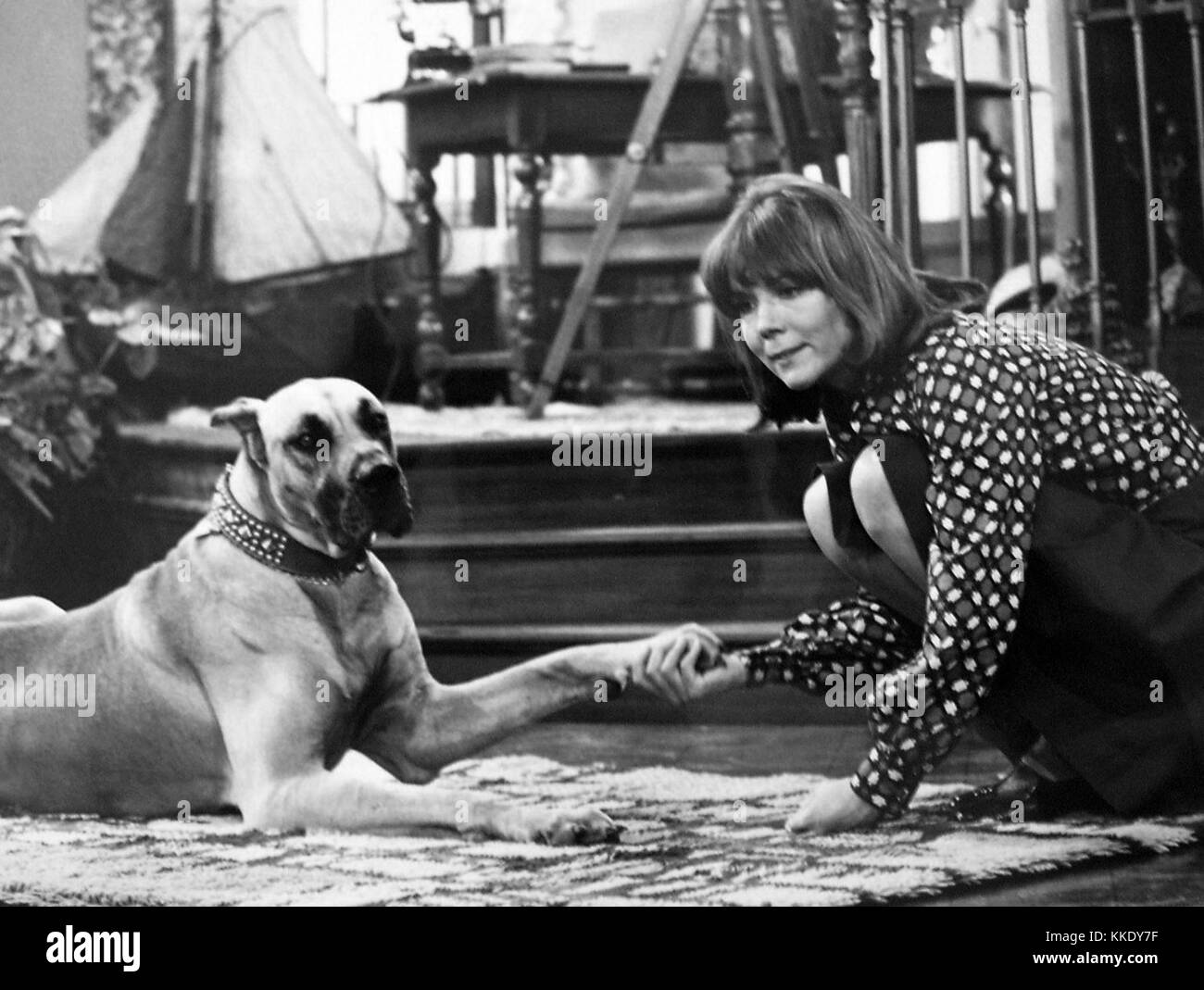
Dame Diana Rigg (1938–2020) remains one of the most significant figures in 20th and 21st-century performance, defined by a career that bridged the gap between classical Shakespearean theater and modern global pop culture. Her legacy is not merely found in her filmography, but in the rigorous, disciplined approach she brought to every role, whether as a secret agent in the 1960s, a Bond girl, or a commanding presence in contemporary television. Analyzing her career provides a template for understanding the longevity and versatility required to sustain an elite performance profile across six decades.
The Foundations of a Classical Training
Diana Rigg’s journey began at the Royal Academy of Dramatic Art (RADA) in London, which she attended from 1955 to 1957. Her early years were firmly rooted in the tradition of the British stage, a prerequisite for the technical precision that would define her later screen work. By the time she joined the Royal Shakespeare Company (RSC) in 1959, she had already internalized the discipline of ensemble performance.
Classical training acts as the bedrock for many long-term acting careers. For Rigg, this meant mastering vocal projection, physical economy, and textual analysis. These skills allowed her to transition seamlessly between the hyper-stylized world of television and the intimate, demanding environment of the theater. The lesson here for aspiring performers is that technical mastery—specifically the ability to hold a stage and deliver complex dialogue with clarity—is the primary tool for professional survival.
Breaking the Mold: Emma Peel and Television Stardom
In 1965, Rigg assumed the role of Emma Peel in the hit British television series The Avengers. This marked a significant cultural shift in how female protagonists were presented on screen. Emma Peel was not merely a love interest; she was a highly intelligent, physically capable, and self-assured character who often outmatched her male counterpart, John Steed.
The impact of this role cannot be overstated. It established a blueprint for the "capable heroine" that influenced decades of casting. Rigg’s portrayal was noted for its wit, detachment, and physical agility—achieved through rigorous preparation and a rejection of the "damsel" archetype common in television at the time. Her ability to navigate the camp aesthetic of the series while maintaining a grounded, intelligent performance showcased the range she would later exploit in more dramatic roles.
Filmography and the Bond Legacy
Rigg’s entry into mainstream global cinema was punctuated by her role as Tracy Draco in On Her Majesty’s Secret Service (1969). As the only woman to marry James Bond, her character shifted the narrative arc of the franchise from purely transactional romantic encounters to a more profound emotional engagement.
Comparative Roles of Diana Rigg
| Role | Project | Impact | Key Performance Trait |
|---|---|---|---|
| Emma Peel | The Avengers | Cultural Icon | Physicality & Wit |
| Tracy Draco | On Her Majesty's Secret Service | Emotional Depth | Vulnerability |
| Helena | A Midsummer Night's Dream | Stage Mastery | Classical Range |
| Olenna Tyrell | Game of Thrones | Global Resurgence | Commanding Presence |
| Mrs. Pumphrey | All Creatures Great and Small | Character Depth | Comedic Timing |
The Return to Theater and Critical Acclaim
Despite her success in film and television, Rigg never abandoned the stage. She viewed the theater as the place where an actor’s integrity is truly tested. In the 1970s, 80s, and 90s, she delivered powerhouse performances in productions of Medea, Mother Courage and Her Children, and Phedre.
Her work with the National Theatre and her numerous Tony and Olivier Award nominations highlight a career-long commitment to high-stakes performance. For Rigg, the challenge of live performance was the ultimate antidote to the potentially diluting effects of screen fame. She demonstrated that a performer’s "legacy" is best preserved by a willingness to return to the source material and challenge oneself with the most difficult roles in the dramatic canon.
Late Career Renaissance: Game of Thrones
In the 2010s, Rigg introduced herself to a new generation through the role of Lady Olenna Tyrell in the fantasy epic Game of Thrones. This period of her career serves as a masterclass in aging within the industry. Rather than fighting for lead roles that skewed younger, Rigg leaned into the authority, biting humor, and screen presence that she had cultivated over 50 years.
Olenna Tyrell became a fan-favorite, not because of stunts or spectacle, but through sharp dialogue delivery and an unwavering gaze. Her final scene in the series is frequently cited as one of the best character exits in television history. It serves as a reminder that the most enduring performances are those that utilize the actor's life experience to add layers of nuance that a younger, less seasoned actor cannot replicate.
Technical Specifications and Professional Discipline
What set Diana Rigg apart from her contemporaries was her technical approach to "work." Throughout her career, she maintained a professional reputation for:
- Vocal Clarity: She was known for an unerring ability to hit the back of the theater without sounding performative.
- Script Analysis: She possessed a deep respect for the writer's intent, often acting as a bridge between the director's vision and the audience's needs.
- Adaptability: Her ability to shift between Shakespeare, 1960s kitsch, and high-fantasy television allowed her to remain relevant while others of her era found themselves typecast.
- Work Ethic: She was famously punctual, prepared, and intolerant of unprofessionalism, which earned her the respect of both cast and crew.
Navigating the Industry: Lessons for Performers
Aspiring performers looking to emulate Rigg’s longevity should focus on three core pillars:
- Diversification of Mediums: Do not limit your craft to one type of platform. A stage background informs screen work, and the demands of TV production sharpen one’s ability to work quickly.
- Embracing Age-Appropriate Roles: Rigg transitioned from the lead spy to the grandmother and political strategist without losing relevance. She understood that power in acting is not tied to youth, but to presence.
- Consistency in Quality: By choosing scripts that challenged her, Rigg avoided the pitfalls of "commercial-only" careers, ensuring that her filmography remained diverse and artistically valid.
Frequently Asked Questions
1. What was the secret to Diana Rigg's longevity in the entertainment industry?
Rigg’s longevity was driven by her rigorous classical training and an refusal to be defined by a single genre. By balancing commercial film and television projects with high-level theater, she ensured her skills remained sharp and her professional standing remained elevated.
2. Was Dame Diana Rigg primarily a stage or screen actress?
She was both. While she gained international fame through screen roles like Emma Peel and Olenna Tyrell, she considered herself first and foremost a theater actress, frequently returning to the West End and National Theatre to perform the most demanding roles in world drama.
3. How did she approach her later roles in series like Game of Thrones?
In her later career, Rigg pivoted toward characters that utilized her inherent authority and wit. She played "the power behind the throne" archetypes, using her decades of experience to convey depth and menace with subtle shifts in expression and tone.
4. What was the impact of her performance in On Her Majesty's Secret Service?
Rigg provided a sense of gravity and emotional stakes that were largely absent from the early Bond films. Her performance is widely credited with adding a layer of human vulnerability to the Bond franchise that paved the way for more complex storytelling in later installments.
5. Why is Diana Rigg considered a trailblazer for women in television?
Before her portrayal of Emma Peel, female characters in action series were often secondary or decorative. Rigg insisted on a character who was an intellectual equal to her male lead, effectively changing the expectation for female representation in serialized action television.
Practical Next Steps for Aspiring Professionals
To study the legacy of Diana Rigg, it is recommended to observe the evolution of her performance style through three distinct stages. First, view The Avengers to understand the utility of physical economy and wit. Second, seek out her live-recorded theatrical performances, such as her work in Medea, to witness the weight of her dramatic capability. Finally, analyze her performance in Game of Thrones to see how an veteran performer uses minimal movement to command an entire scene. By studying these distinct periods, actors and film enthusiasts can better appreciate the technical dedication required to sustain a legacy in performance.