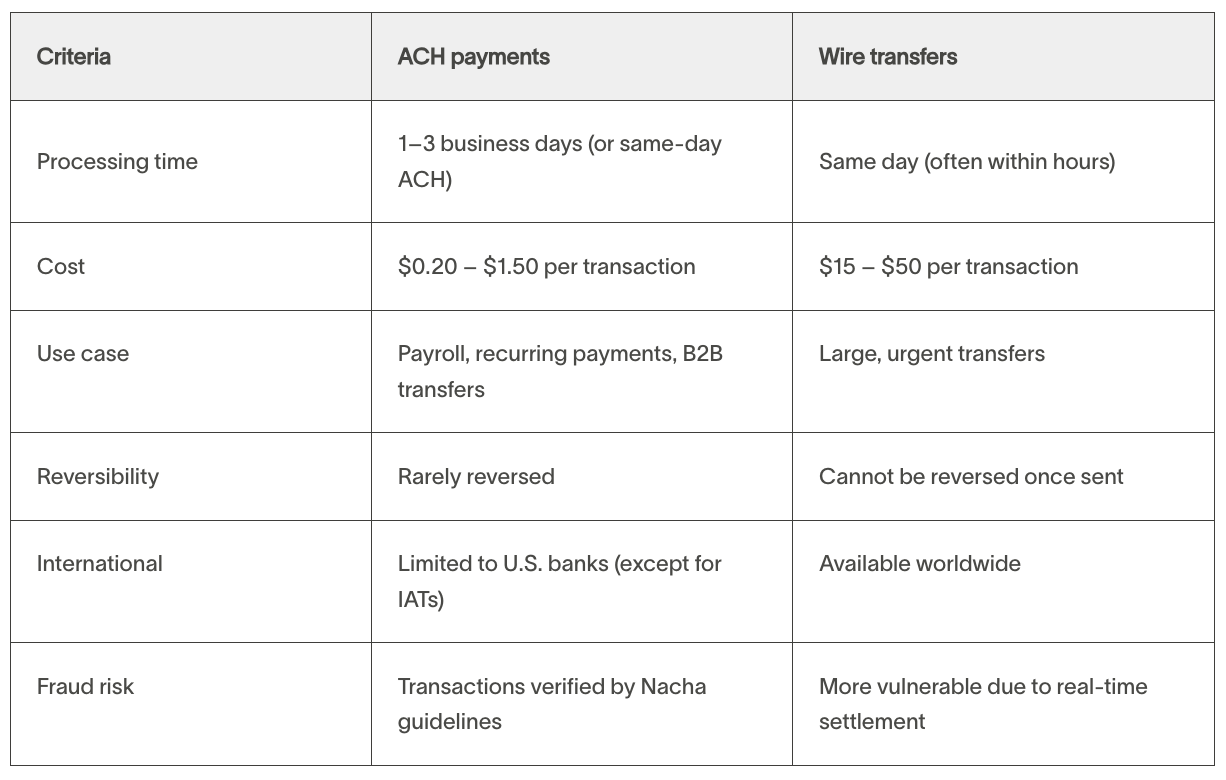
ACH transfers—or Automated Clearing House transfers—represent the backbone of electronic fund movements in the United States, facilitating everything from direct deposit paychecks to utility bill payments and peer-to-peer transfers. While ACH transfers are generally considered secure and are heavily regulated by the National Automated Clearing House Association (Nacha), understanding the mechanisms behind these transactions is essential for protecting your financial assets. Because ACH transfers rely on routing and account numbers rather than the multi-layered authorization often found in credit card networks, users must remain vigilant about authorization practices, monitoring, and the specific indicators of fraudulent activity.
Understanding the ACH Network Structure
The Automated Clearing House is a batch-processing system that clears electronic payments between banks. Unlike wire transfers, which are processed individually and in real-time, ACH transactions are typically grouped together and processed throughout the day. This fundamental difference in speed and processing is what makes ACH transfers a lower-cost alternative to wire transfers, but it also means that transactions are not instantaneous.
When you initiate an ACH transfer—whether it is a credit (sending money) or a debit (pulling money from an account)—the instruction travels through the Originating Depository Financial Institution (ODFI) to the ACH Operator, which is either the Federal Reserve or The Clearing House. From there, it is routed to the Receiving Depository Financial Institution (RDFI). Because the system relies on standardized banking identifiers, security is largely maintained through institutional oversight and the legal frameworks established by Nacha rules.
The Reality of ACH Transfer Safety
From a technical standpoint, the ACH network is highly secure. It operates over private, encrypted networks rather than the public internet, reducing the exposure to general cybersecurity threats. However, the security of the transfer is different from the security of the authorization.
The primary risk associated with ACH transfers is not a breach of the network itself, but rather unauthorized initiation. If a bad actor obtains your bank routing and account number, they can theoretically originate an ACH debit. Because the system is designed for high-volume efficiency, these debits are often processed automatically, placing the burden of oversight on the account holder.
Key Risk Factors to Monitor
- Authorization Creep: Granting a service provider blanket permission to debit your account without clearly defined limits or expiration dates.
- Phishing and Social Engineering: Providing account details to websites or individuals posing as legitimate vendors or government agencies.
- Check Exposure: Printing your routing and account number on paper checks, which can be intercepted or photographed.
- Data Breaches: Third-party vendors or employers experiencing a compromise of sensitive payroll or billing data.
What to Watch For: Recognizing Unauthorized Activity
Detecting unauthorized ACH activity early is your most effective defense. Because of the "batch" nature of the network, unauthorized debits may not appear as immediate red flags, but they usually leave a trail in your transaction history.
Signs of Potential Fraud
- Unrecognized Merchant Names: A debit from a company name you do not recognize, even if it is for a small, seemingly insignificant amount. Fraudsters often test accounts with "micro-transactions" before attempting larger withdrawals.
- Date Irregularities: Payments that appear significantly earlier or later than your established billing cycles.
- Amount Fluctuations: Even if you have authorized a company to pull payments, a sudden change in the amount without prior notice is a major red flag.
- "Pending" Transactions: Seeing a pending ACH debit for a transaction you never initiated. This is your window of opportunity to contact your bank before the funds actually leave your account.
Comparative Security: ACH vs. Other Payment Methods
It is helpful to weigh ACH safety against other common electronic payment methods. While ACH is highly cost-effective, it lacks the specific consumer protections mandated by the Truth in Lending Act that apply to credit cards.
| Feature | ACH Transfer | Credit Card | Wire Transfer |
|---|---|---|---|
| Speed | 1–3 Business Days | Instant | Real-time |
| Reversibility | Possible (Strict Rules) | Very High (Chargebacks) | Extremely Low |
| Cost | Low/Free | High (Merchant Fees) | High (Bank Fees) |
| Security Risk | Account Number Exposure | Card Tokenization | Irreversible Loss |
Note: The table above reflects standard operational characteristics in 2026. Reversibility of ACH transactions is governed by specific Nacha return codes, which usually require prompt reporting of unauthorized activity.
Steps to Protect Your Account
Securing your funds requires a proactive approach to managing your banking credentials and monitoring your financial statements.
1. Implement Two-Factor Authentication (2FA)
Ensure that your banking portal requires a secondary verification method—such as an SMS code, an authenticator app, or a hardware security key—for any changes to your account details. This prevents unauthorized users from updating your profile to redirect funds.
2. Set Up Transaction Alerts
Most modern financial institutions allow you to set up push notifications or email alerts for any debit exceeding a certain dollar amount. Set these alerts at a low threshold to ensure you are notified immediately of any ACH activity.
3. Use Bill Pay Services Carefully
When setting up automated bill payments, use the internal "Bill Pay" features provided by your bank rather than giving your account information directly to third-party vendors whenever possible. Banks have sophisticated fraud-detection algorithms that monitor these transfers more effectively than simple merchant-initiated debits.
4. Review Statements Monthly
Do not rely solely on mobile app notifications. Review your full monthly statement to check for small, recurring debits that might be indicative of a compromised account. These small amounts are often overlooked by consumers but constitute significant volume for fraudulent actors.
What to Do If You Spot Unauthorized Activity
If you identify an ACH transfer you did not authorize, speed is the deciding factor in your ability to recover funds.
- Contact Your Bank Immediately: Call the customer service number on the back of your official debit card or your most recent paper statement. Do not use contact information found in suspicious emails or text messages.
- Request an ACH Return: Under Nacha rules, you have the right to dispute an unauthorized ACH debit. Specifically, you must sign a Written Statement of Unauthorized Debit (WSUD).
- Close or Freeze the Account: If your account information has been exposed, ask your bank to close the account and issue a new routing and account number. Changing the account number is the only way to ensure the fraud does not continue.
- Document Everything: Keep a record of the names of the representatives you spoke with, the time of your call, and any reference numbers provided for your claim.
Frequently Asked Questions (FAQ)
Are ACH transfers reversible?
Yes, but they are not as easily reversed as credit card transactions. You must report unauthorized activity to your bank within specific timelines—typically 60 days from the date of the statement containing the unauthorized transaction, though shorter windows apply for certain types of business-to-business transactions.
How do I know if a company is safe to pay via ACH?
Check if the company has a verified physical address, a clear privacy policy, and a professional digital presence. Avoid giving ACH authorization to companies that only offer contact via anonymous email or social media channels.
Is it safer to pay bills with a credit card or ACH?
Credit cards generally offer superior protection because they allow you to dispute the transaction through the card issuer without your own cash being tied up during the investigation. With ACH, the money leaves your bank account immediately, and you must wait for the bank to resolve the dispute to recover those funds.
Can I stop an ACH transfer once it has been scheduled?
Yes, you can issue a "stop payment" request to your bank. However, this must be done before the transfer is finalized. Many banks charge a fee for stop payment requests, and it is most effective when done at least three business days before the scheduled transfer date.
What is the difference between an ACH debit and an ACH credit?
An ACH credit occurs when you "push" funds from your account to another, such as direct deposit or a bank-to-bank transfer. An ACH debit is a "pull" transaction, where a merchant or service provider accesses your account to withdraw funds, such as for utility bills or insurance premiums. Debits carry a higher risk of unauthorized access.
Professional Guidance and Final Recommendations
While the ACH system is secure, the human element—specifically how we share our routing and account numbers—remains the weakest link. Treat your account and routing numbers with the same level of confidentiality as your social security number. Do not transmit these numbers over unsecured Wi-Fi or email, and regularly audit the "authorized users" or "automatic payment" sections of your online banking dashboard.
By staying proactive with transaction alerts and verifying all payees, you can leverage the convenience of the ACH network while minimizing your risk. If you suspect your account has been compromised, do not delay—contact your financial institution immediately to initiate the formal dispute process and secure your account credentials.