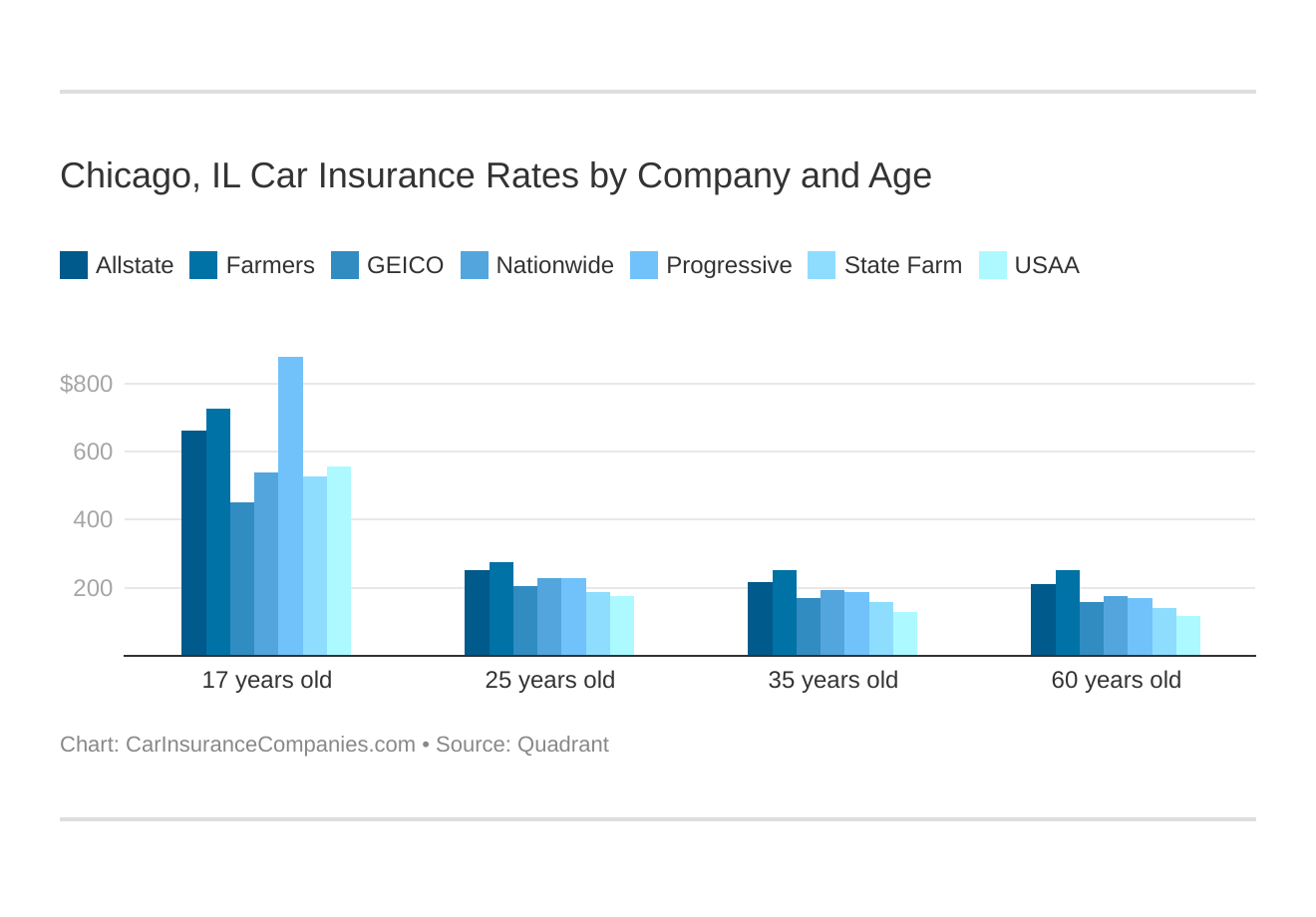
Securing accurate auto insurance in Bridgeview, Illinois, requires understanding both the state-mandated minimum coverage requirements and the specific risk factors associated with driving in Cook County. By verifying your current policy against Illinois state law, assessing your vehicle’s specific needs, and understanding how local demographics influence premiums, you can ensure your coverage is both compliant and cost-effective.
Understanding Illinois Auto Insurance Requirements
The foundation of "accurate" auto insurance in Bridgeview is compliance with Illinois law. The state operates under a tort-based system, meaning the person at fault for an accident is responsible for the resulting damages. To operate a vehicle legally on public roads in Illinois, you must carry at least the minimum liability coverage defined by the Illinois Department of Insurance.
As of 2026, the mandatory minimum liability coverage limits are:
- $25,000 for bodily injury or death of one person in an accident.
- $50,000 for bodily injury or death of two or more persons in an accident.
- $20,000 for damage to the property of another person.
While these represent the legal baseline, many financial experts and insurance professionals in the Chicago metropolitan area recommend higher limits. Because medical costs and vehicle repair expenses in the current economic climate can easily exceed $25,000, relying solely on the minimum coverage can expose a driver to significant personal financial risk if they are found liable in a serious accident.
Why Location Matters: The Bridgeview Context
Bridgeview occupies a unique position within the Greater Chicago Area. Insurance providers often use "rating territories"—geographic areas where accident frequencies, theft rates, and traffic density are analyzed to determine premium levels. Bridgeview’s proximity to major arterial highways, its mix of industrial and residential zones, and its function as a commuter suburb impact how insurers calculate risk.
Insurance actuaries monitor local data, including the number of uninsured motorists in the area and local traffic patterns around landmarks like SeatGeek Stadium. These factors mean that a policyholder living in Bridgeview might have a different premium calculation than someone living in a rural downstate Illinois town, even with the same driving record and vehicle. Accuracy in your policy means ensuring that your zip code and garaging address are current and correctly reported to your provider. Failing to update your address if you move within the Chicago suburbs can lead to denied claims or policy cancellation.
Components of a Comprehensive Policy
To move beyond the minimum requirements and achieve "accurate" protection, drivers should evaluate several optional coverage types. These additions are designed to protect your assets and your own physical well-being.
Uninsured and Underinsured Motorist Coverage (UM/UIM)
Illinois requires insurers to offer uninsured motorist bodily injury coverage. Given the number of vehicles on the road in Cook County that may be operating without active, valid insurance, this is a critical component. If you are hit by a driver who lacks insurance or has insufficient limits to pay for your medical bills, your own policy’s UM/UIM coverage fills the gap.
Collision and Comprehensive Coverage
If you are financing or leasing your vehicle, the lender will almost certainly require these coverages.
- Collision: Pays for repairs to your car regardless of who is at fault in an accident involving another vehicle or an object.
- Comprehensive: Covers damage to your car caused by non-collision events, such as theft, vandalism, fire, or hitting a deer—the latter being a notable concern in parts of Illinois.
Medical Payments (MedPay)
MedPay covers medical expenses for you and your passengers regardless of who is at fault. While it may overlap with health insurance, it is often useful for covering deductibles or copays associated with your primary health plan following a crash.
Comparing Coverage Options
The following table outlines how different coverage levels protect you in various scenarios common to Illinois drivers.
| Coverage Type | What It Covers | Necessity Level |
|---|---|---|
| Liability | Injuries/damage you cause to others | Mandatory |
| Uninsured Motorist | Injuries you sustain from an uninsured driver | Highly Recommended |
| Collision | Repairs to your vehicle after an accident | Necessary for financed cars |
| Comprehensive | Theft, vandalism, weather, and fire damage | Necessary for financed cars |
| Rental Reimbursement | Cost of a rental while your car is in the shop | Optional but practical |
Steps to Verify Your Current Coverage
To ensure your auto insurance is as accurate as possible, follow this step-by-step verification process:
- Audit Your Declarations Page: This is the summary document provided by your insurer. Confirm that your name, address, and the vehicle Identification Number (VIN) for every car in your household are correct.
- Review Limits vs. Net Worth: Compare your liability limits against your total assets. If you have significant savings or own property, higher liability limits are a vital shield against potential lawsuits.
- Check for "Garaging" Address: Ensure the insurance company knows exactly where your car is kept overnight. If you have moved to Bridgeview from another municipality, inform your agent immediately.
- Evaluate Deductibles: A deductible is the amount you pay out-of-pocket before insurance kicks in. A higher deductible typically lowers your monthly premium, but you must ensure you have that cash set aside in an emergency fund.
- Confirm Discounts: As of 2026, inquire about potential discounts for telematics programs (driving behavior tracking), multi-policy bundles (home and auto), and advanced safety features on your vehicle.
Common Mistakes to Avoid
The most frequent error drivers make in the Chicago area is prioritizing the lowest monthly premium without regard for coverage quality. This often results in "inaccurate" insurance—a policy that technically meets the state minimum but leaves the driver financially exposed.
Another common mistake is failing to disclose all drivers in the household. Insurance companies base premiums on the risk profile of every licensed driver who lives with you. If a household member is not listed, the insurance company may deny a claim or retroactively adjust your premium once they discover the discrepancy.
Furthermore, do not ignore notices from your insurance carrier regarding policy renewals or changes in Illinois insurance regulations. Insurance statutes can evolve, and the responsibility for maintaining adequate coverage remains with the policyholder.
Frequently Asked Questions
Is it legal to carry only the state minimum insurance in Bridgeview?
Yes, it is legal, provided your policy meets the state minimums for bodily injury and property damage liability. However, it is rarely the most "accurate" choice for risk management. If you are found at fault for an accident exceeding these limits, you are personally responsible for the balance.
Does my credit score impact my auto insurance rate in Illinois?
In Illinois, insurance companies are permitted to use credit-based insurance scores as one of the factors to determine premiums. These scores are generally distinct from traditional credit scores, focusing on insurance-related risk rather than lending risk.
How do I prove I have insurance during a traffic stop?
Illinois accepts digital proof of insurance. You can show your policy on your smartphone using your insurer's official mobile application. It is also recommended to keep a physical copy of your insurance card in your glove compartment as a backup.
What should I do if my insurance company denies a claim?
First, review your policy’s declaration page and the denial letter to understand the insurer's reasoning. If you believe the denial is incorrect based on your coverage, you can file an appeal directly with your insurance company’s claims department. If the issue remains unresolved, you may contact the Illinois Department of Insurance to file a consumer complaint.
Can I change my insurance mid-policy?
Yes, you can cancel your policy and switch providers at any time. However, be aware of "short-rating" fees if you cancel a policy before the term ends. Always ensure your new policy is active before canceling your old one to avoid a lapse in coverage, which can lead to higher future premiums and legal issues in Illinois.
Next Steps for Policy Accuracy
To finalize your insurance strategy, gather your current declaration page and contact your insurance agent. Request a "coverage gap analysis." Ask them: "Given my current vehicle value and personal assets, am I adequately covered against major losses?" If the agent suggests specific adjustments, ask for a side-by-side comparison of your current premiums versus the new, proposed coverage levels. For those who prefer direct management, utilize the official online portal provided by your insurance carrier to verify that your vehicle garaging address and all listed drivers are current for the 2026 term. Maintaining active, accurate, and transparent communication with your provider is the most effective way to ensure your protection remains robust in the event of an accident.