Abracon Corporation's transition to private equity ownership marks a significant evolution for the manufacturer of frequency control, timing, power, and magnetic components, driving strategic shifts in operational scalability, global supply chain investments, and long-term customer relationships across the electronics industry.
The electronic components manufacturing landscape is continuously shaped by shifting corporate ownership models, private equity (PE) investments, and industry consolidation. When an established enterprise like Abracon Corporation transitions into private equity ownership, the move ripples across the supply chain, affecting procurement managers, design engineers, and competitor dynamics alike. Understanding the structural, operational, and financial dimensions of such an acquisition clarifies how private equity stewards specialized electronic component manufacturers. This comprehensive analysis explores the background of private equity involvement in the electronic component sector, the strategic rationale behind Abracon’s corporate trajectory, the direct operational impacts, and what these changes mean for the broader electronics manufacturing ecosystem.
The Intersection of Private Equity and Electronic Components Manufacturing
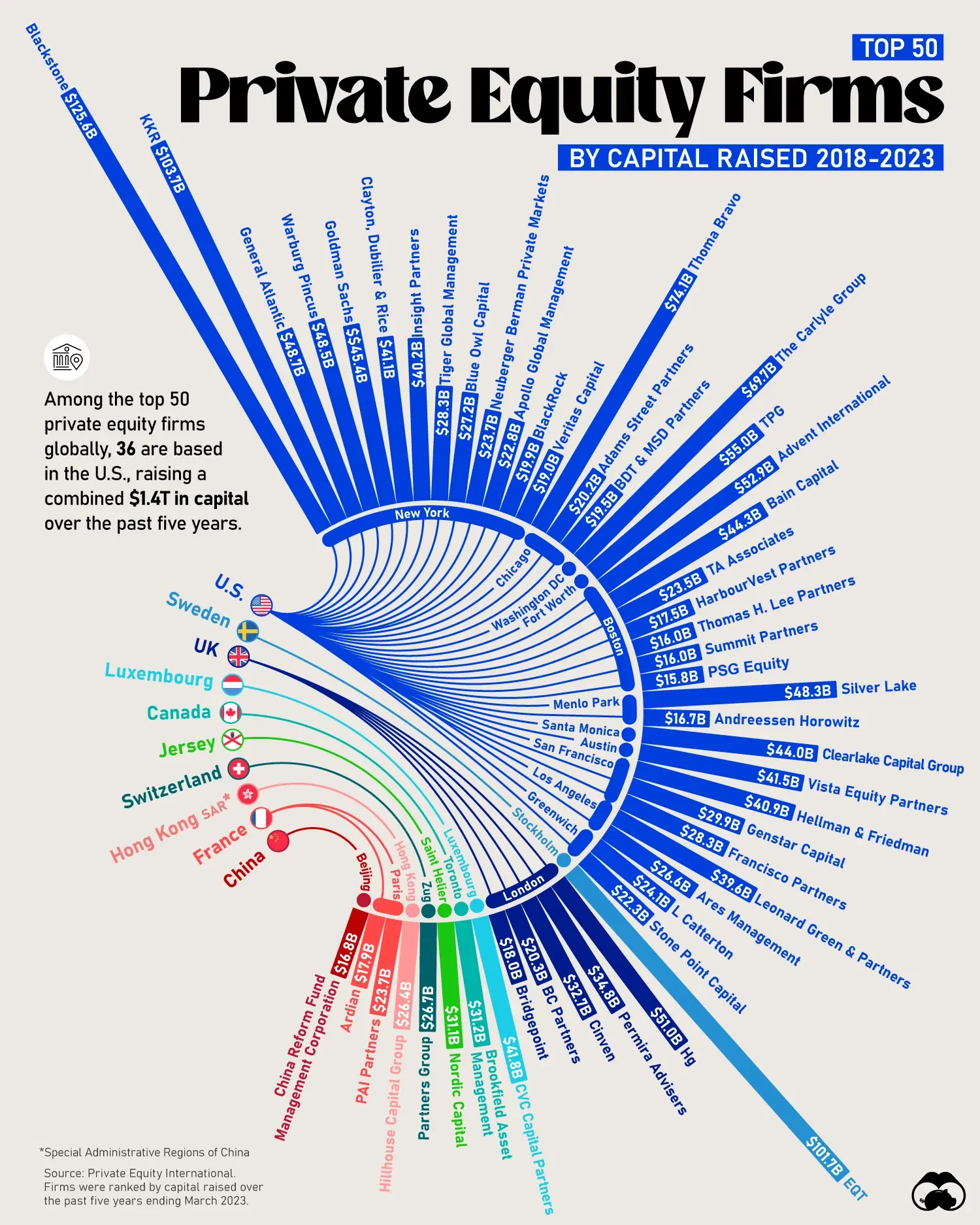
Private equity firms have increasingly turned their attention to the electronic components and semiconductor-adjacent manufacturing sector. Specialized component suppliers—particularly those dealing in frequency control devices, crystal oscillators, antennas, and power inductors—offer attractive fundamentals for private equity investment. These businesses typically feature high-margin niche product portfolios, sticky customer relationships across aerospace, automotive, industrial, and medical sectors, and significant potential for operational efficiency improvements.
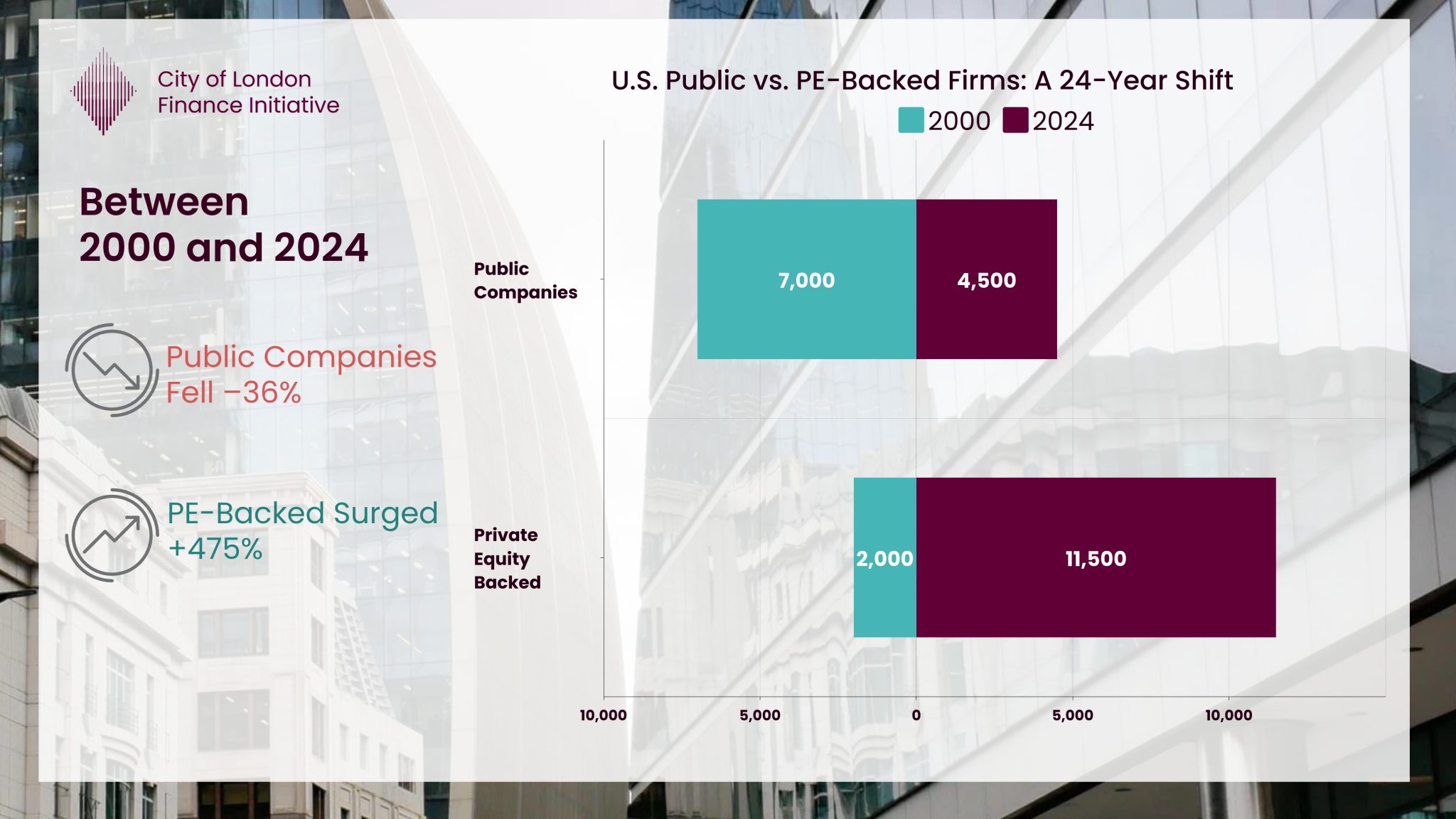
Unlike publicly traded companies that face relentless pressure to deliver quarter-over-quarter earnings growth, private equity-backed firms operate under a multi-year horizon. This ownership structure allows leadership teams to execute long-term strategic plans, such as consolidating fragmented markets through strategic add-on acquisitions, upgrading enterprise resource planning (ERP) systems, and expanding manufacturing footprints without immediate public market scrutiny. However, this model also introduces distinct pressures, including rigorous cost management, optimized working capital requirements, and an ultimate mandate for a profitable exit, usually within a three- to seven-year window.
Understanding Abracon Corporation: Core Competencies and Market Position
Before examining ownership shifts, it is essential to ground the discussion in Abracon’s core identity within the electronics market. Founded as a manufacturer and global supplier of frequency control, timing, synchronization, RF, and magnetic components, Abracon serves a vast array of high-reliability applications.
Core Product Offerings
- Frequency Control and Timing: Quartz crystals, crystal oscillators, clock oscillators, and real-time clocks (RTCs) essential for microcontrollers and digital processors.
- RF, Antennas, and Connectivity: Surface-mount and embedded antennas, RF chokes, and filters designed for IoT, cellular, and wireless communications.
- Power and Magnetics: Power inductors, choke coils, and magnetic components supporting power management and conversion circuitry.
Abracon’s strength lies in its combination of technical design support, broad distribution networks, and robust quality control systems. Because these components serve as fundamental building blocks in electronic hardware, any change in the parent organization’s financial backing or strategic direction can influence lead times, product availability, custom engineering capabilities, and overall supply chain stability.
Strategic Rationale Behind Private Equity Acquisitions in Manufacturing
When private equity firms acquire or recapitalize established component manufacturers, the transaction is rarely arbitrary. Financial sponsors look for specific value creation levers that can transform a stable regional or global player into a high-growth platform.
Private Equity Value Creation Levers:
- Operational Optimization
- Lean manufacturing, ERP upgrades
- Inorganic Growth
- Complementary bolt-on mergers
- Global Market Expansion
- Direct regional sales presence
- R&D & Product Scaling
- Enhanced engineering resources
Capital Deployment for Scaling
Organic growth in hardware manufacturing often requires substantial capital expenditures (CapEx) for automated assembly lines, cleanroom facilities, and advanced testing equipment. Private equity sponsors provide immediate access to capital pools that might otherwise require dilutive equity offerings or restrictive debt issuances for a standalone entity.
Supply Chain Resilience and Globalization
Modern electronics supply chains have experienced unprecedented volatility, driven by geopolitical tensions, logistics bottlenecks, and raw material shortages. Private equity ownership often accelerates investments in dual-sourcing strategies, localized warehousing, and regional manufacturing hubs. This operational flexibility helps mitigate risks for original equipment manufacturers (OEMs) who rely on uninterrupted component delivery.
Portfolio Diversification and Cross-Selling
PE firms frequently manage a portfolio of complementary industrial and electronic technology companies. A transition to private equity can open doors for cross-selling opportunities, allowing Abracon to bundle its timing and magnetic solutions with other portfolio companies' sensor, connector, or power conversion offerings, providing comprehensive system-level solutions to major tier-one customers.
Operational and Market Impacts of Ownership Transitions
An ownership shift to private equity introduces visible and invisible changes to daily operations, customer support structures, and corporate governance. While private equity emphasizes financial discipline, the execution directly shapes market perceptions and customer experiences.
Streamlining and Process Automation
Private equity firms deploy operational operating partners to audit manufacturing lines, supply chain logistics, and administrative workflows. For Abracon, this can translate into accelerated deployment of advanced inventory management tools, automated quality assurance protocols, and streamlined ordering portals for authorized distributors like DigiKey, Mouser, and Arrow Electronics.
Impact on Distribution Networks and Pricing Models
Electronic component manufacturers rely heavily on authorized distributor networks to service thousands of long-tail customers. Private equity stewards closely monitor gross margins and pricing discipline. While this can sometimes lead to tighter pricing controls and reduced tolerance for deep discounting, it also ensures that the manufacturer maintains healthy financial reserves to invest in next-generation research and development (R&D).
Talent Acquisition and Leadership Continuity
A successful transition depends heavily on maintaining engineering talent and executive continuity. While private equity investors often install specialized operating executives to oversee financial restructuring or M&A integration, retaining core engineering and technical sales teams is vital. Customers choose component vendors based on application engineering support; consequently, preserving technical expertise remains a top priority during ownership shifts.
Strategic Comparison: Publicly Traded vs. Private Equity-Backed Component Manufacturers
Navigating the electronic component ecosystem requires understanding how different corporate structures influence business behavior. The table below outlines the structural differences between public ownership and private equity sponsorship in the manufacturing sector.
| Feature / Dimension | Publicly Traded Enterprise | Private Equity-Backed Enterprise |
|---|---|---|
| Reporting Focus | Quarterly earnings, public share price, EPS targets. | Multi-year value creation, EBITDA growth, strategic positioning. |
| Capital Access | Public equity and debt markets; highly regulated. | Private institutional capital, direct credit facilities, sponsor funds. |
| Strategic Agility | Slower due to shareholder governance and public disclosure rules. | High agility; rapid decision-making by sponsor and board. |
| M&A Appetite | Often constrained by shareholder approval and valuation scrutiny. | Aggressive inorganic growth via targeted bolt-on acquisitions. |
| Operational Transparency | High visibility via SEC filings and public financial reports. | Low visibility; private financial data and confidential operations. |
Evaluating Risk Factors and Mitigation Strategies for OEMs
For procurement professionals, design engineers, and supply chain directors, corporate ownership changes can introduce perceived risks regarding product continuity, pricing stability, and vendor reliability.
Addressing Obsolescence and Product Line Continuity
One primary concern during corporate restructuring is the rationalization of product portfolios—specifically, the discontinuation of slow-moving or low-margin legacy components. To mitigate this risk, supply chain managers should:
- Maintain active communication channels with authorized technical sales representatives.
- Review End-of-Life (EOL) notifications proactively and secure lifetime buy inventories for critical long-lifecycle designs, particularly in aerospace and industrial applications.
- Engage application engineers early in the design phase to specify robust, multi-sourced pin-compatible alternatives.
Monitoring Quality Control and Compliance Standards
Private equity optimization initiatives must never compromise product quality or compliance certifications (such as ISO 9001, IATF 16949 for automotive, and mil-spec standards). Procurement teams should routinely audit vendor compliance documentation, certificate of conformance (CoC) accuracy, and traceability metrics to ensure that cost-efficiency measures do not impact component reliability.
Frequently Asked Questions
What does private equity ownership mean for Abracon Corporation's daily operations?
Private equity ownership typically brings increased access to capital, enhanced operational discipline, and a focus on scalability. For daily operations, customers generally experience a continued emphasis on product quality, supported by investments in logistics automation, ERP upgrades, and digital distribution tools, without immediate disruption to standard ordering processes.
Will an ownership change affect Abracon’s product availability or lead times?
Ownership transitions aim to strengthen operational resilience rather than disrupt supply chains. While private equity firms evaluate inventory turns and working capital efficiency, capital investments are frequently directed toward improving manufacturing capacity and regional warehousing, which helps stabilize or shorten component lead times over the long term.
How do private equity-backed component manufacturers handle custom engineering requests?
Custom design support and application engineering are core competitive differentiators for high-end component suppliers like Abracon. Private equity owners recognize that specialized technical support drives sticky customer relationships; therefore, investments in R&D and custom design capabilities are generally preserved or expanded to capture high-margin design wins.
Are prices for frequency control and magnetic components expected to rise under private equity stewardship?
Pricing is driven primarily by global raw material costs, silicon and quartz availability, labor rates, and supply-demand dynamics rather than corporate ownership alone. While private equity owners enforce strict pricing discipline to protect EBITDA margins, they also leverage economies of scale to keep pricing competitive within the broader electronic component market.
How should procurement teams verify the long-term viability of an acquired component vendor?
Procurement and supply chain professionals should evaluate a vendor’s financial health through distributor feedback, monitor ongoing investments in manufacturing infrastructure, assess lead-time stability, and review the consistency of technical support and quality audit scores. Maintaining open dialogue with authorized representatives remains the most effective verification method.
Practical Next Steps for Component Buyers and Design Engineers
Navigating corporate ownership shifts in the electronic component supply chain requires proactive risk management and strong supplier collaboration. Design engineers should prioritize components with robust multi-sourcing options, ensuring that single-source timing or magnetic devices have viable drop-in alternatives mapped out during schematic capture and board layout phases. Procurement specialists should establish direct lines of communication with authorized distributors and manufacturer representatives to receive timely updates on product roadmaps, factory expansions, and lifecycle status changes. By combining rigorous engineering foresight with active supply chain monitoring, organizations can successfully partner with private equity-backed manufacturers to build resilient, high-performance electronic systems.