An AARP Medicare Gap plan, technically known as a Medicare Supplement (Medigap) insurance policy, is designed to cover the "gaps" in Original Medicare. These plans, insured by UnitedHealthcare, pay for out-of-pocket costs like deductibles, copayments, and coinsurance that Medicare Part A and Part B do not cover, providing financial predictability for beneficiaries.
Medicare was never intended to cover 100% of a beneficiary's medical expenses. While Original Medicare provides a robust foundation for healthcare in the United States, it leaves significant financial responsibilities to the individual, including a 20% coinsurance for most outpatient services and substantial deductibles for hospital stays. For those entering their retirement years in 2026, managing these "gaps" is a critical component of financial planning.
The AARP Medicare Supplement Insurance Plans are a unique collaboration between AARP, a non-profit advocate for people aged 50 and older, and UnitedHealthcare, the private insurance company that underwrites the policies. This guide explains how these plans function, the specific benefits of different plan types, and what you need to know about enrollment and costs in 2026.
The Relationship Between AARP and UnitedHealthcare
To understand AARP Medicare Gap coverage, one must first understand the structure of the offering. AARP is not an insurance company. Instead, it lends its brand to UnitedHealthcare through a long-standing partnership. UnitedHealthcare is responsible for the financial underwriting, claims processing, and customer service associated with these plans.
When you purchase an AARP Medicare Supplement plan, you are a UnitedHealthcare policyholder. However, to be eligible for these specific plans, you must maintain an active AARP membership. This partnership often provides members with additional "value-added" services, such as access to the Renew Active fitness program or dental and vision discount programs, which are not standard features of Original Medicare or all Medigap providers.
How the "Medicare Gap" Works in 2026
The "gap" refers to the costs left over after Medicare Part A (hospital insurance) and Medicare Part B (medical insurance) have paid their share. In 2026, these costs can be substantial. Without a supplement plan, a beneficiary is responsible for:
- Part A Deductible: This is the amount you pay for each benefit period before Medicare begins to pay for hospital stays. In 2026, this deductible continues to rise with healthcare inflation.
- Part B Deductible: An annual amount you must pay before Medicare Part B starts covering services.
- Part B Coinsurance: Generally, Medicare pays 80% of the approved amount for doctor visits and outpatient services, leaving the beneficiary with the remaining 20%.
- Hospital Coinsurance: After 60 days of inpatient care, Medicare requires daily copayments that can exceed several hundred dollars per day.
An AARP Medicare Gap plan sits on top of Original Medicare. When you receive a covered service, Medicare pays its portion first. The remaining bill is then sent to UnitedHealthcare, which pays according to the specific Medigap plan you have selected.
Standardized Medigap Plan Types
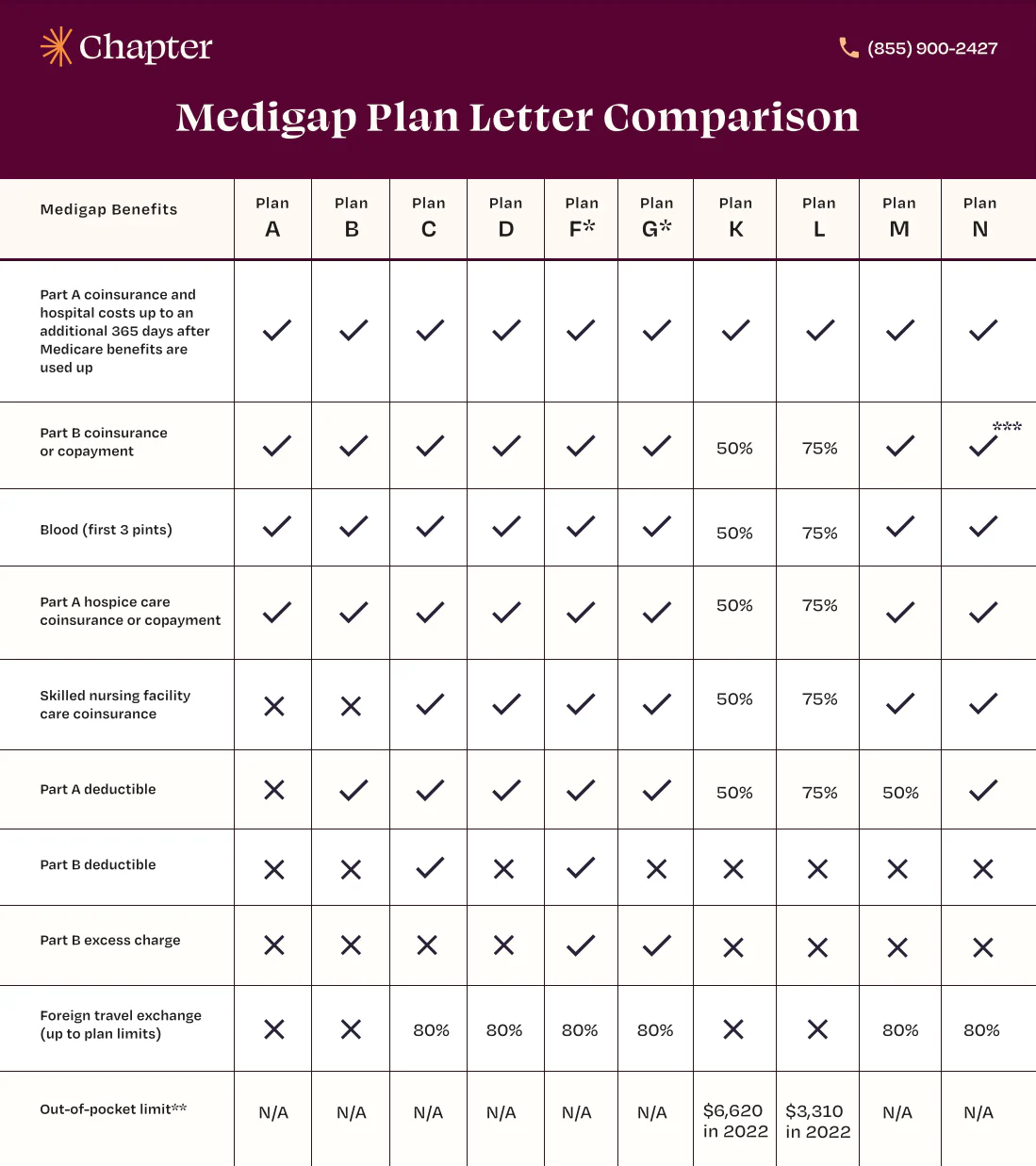
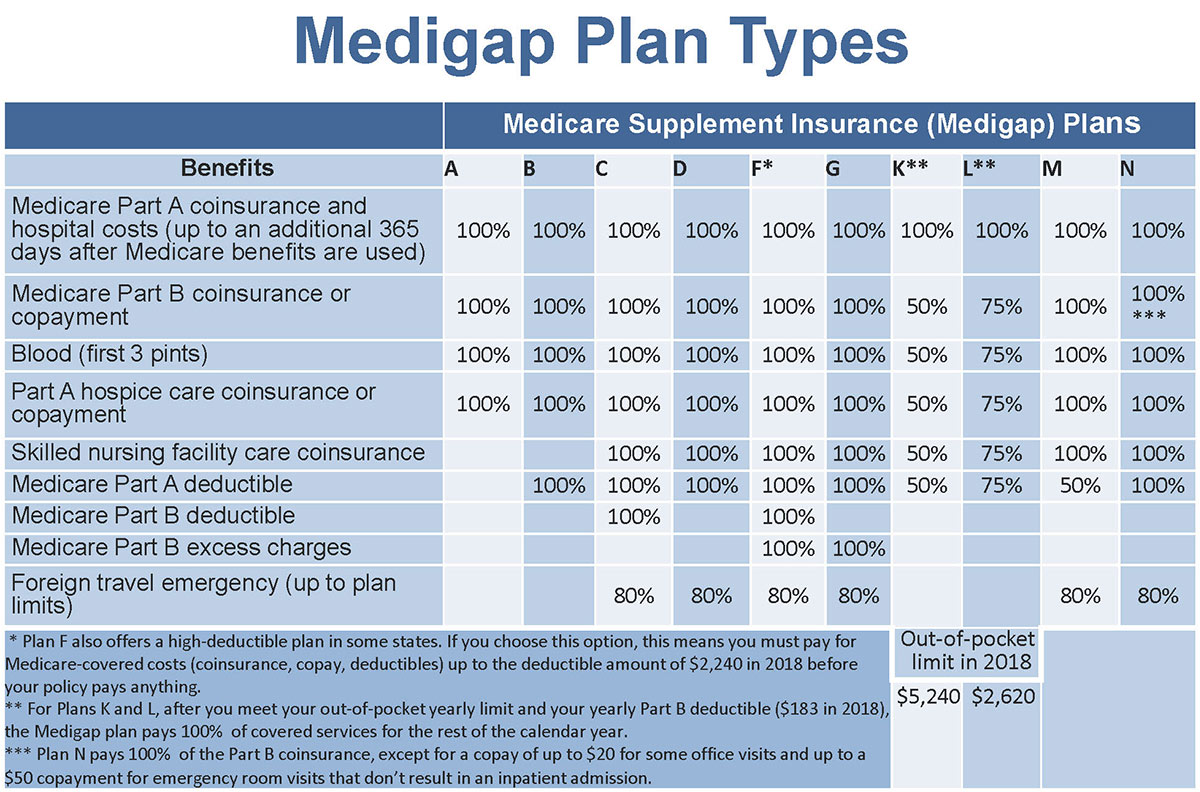
In 2026, Medigap plans remain standardized by federal law. This means that an "AARP Plan G" offers the exact same core benefits as a "Plan G" from any other insurer. The primary differences between companies are the monthly premium, the quality of customer service, and any extra member perks.
The most common plans offered through AARP in 2026 include:
Plan G: The Comprehensive Choice
Plan G is currently the most popular choice for new Medicare beneficiaries. It covers 100% of the gaps in Medicare, with the exception of the Part B annual deductible. Once you have paid that initial deductible out of pocket, Plan G covers all other Medicare-approved costs for the remainder of the year. This plan is favored by those who want maximum peace of mind and do not want to worry about surprise medical bills.
Plan N: The Value-Driven Choice
Plan N is often more affordable than Plan G but requires more cost-sharing from the beneficiary. With Plan N, you are responsible for the Part B deductible and small copayments (up to $20 for some office visits and up to $50 for emergency room visits that do not result in inpatient admission). Additionally, Plan N does not cover "Part B Excess Charges." These occur when a provider charges more than the Medicare-approved amount, a practice that is becoming less common but still exists in certain states.
Plan F: The Legacy Option
Plan F was historically the most comprehensive plan, covering even the Part B deductible. However, federal law changed to prohibit the sale of Plan F to anyone who became eligible for Medicare on or after January 1, 2020. If you were eligible for Medicare before that date, you can still enroll in or keep an AARP Plan F.
2026 Plan Comparison Table
The following table compares the most popular AARP Medicare Supplement plans based on their coverage of 2026 Medicare gaps.
| Benefit | Plan G | Plan N | Plan F (Legacy) |
|---|---|---|---|
| Part A Deductible | Covered | Covered | Covered |
| Part A Coinsurance (Hospital) | Covered | Covered | Covered |
| Part B Coinsurance | Covered | Covered (with copays) | Covered |
| Part B Deductible | Not Covered | Not Covered | Covered |
| Part B Excess Charges | Covered | Not Covered | Covered |
| Skilled Nursing Coinsurance | Covered | Covered | Covered |
| Foreign Travel Emergency | 80% (up to limits) | 80% (up to limits) | 80% (up to limits) |
Eligibility and the Enrollment Window
To enroll in an AARP Medicare Gap plan in 2026, you must meet three primary criteria:
- You must be 65 or older (in most states) and enrolled in both Medicare Part A and Part B.
- You must be an active member of AARP.
- You must live in a state where the plan is offered.
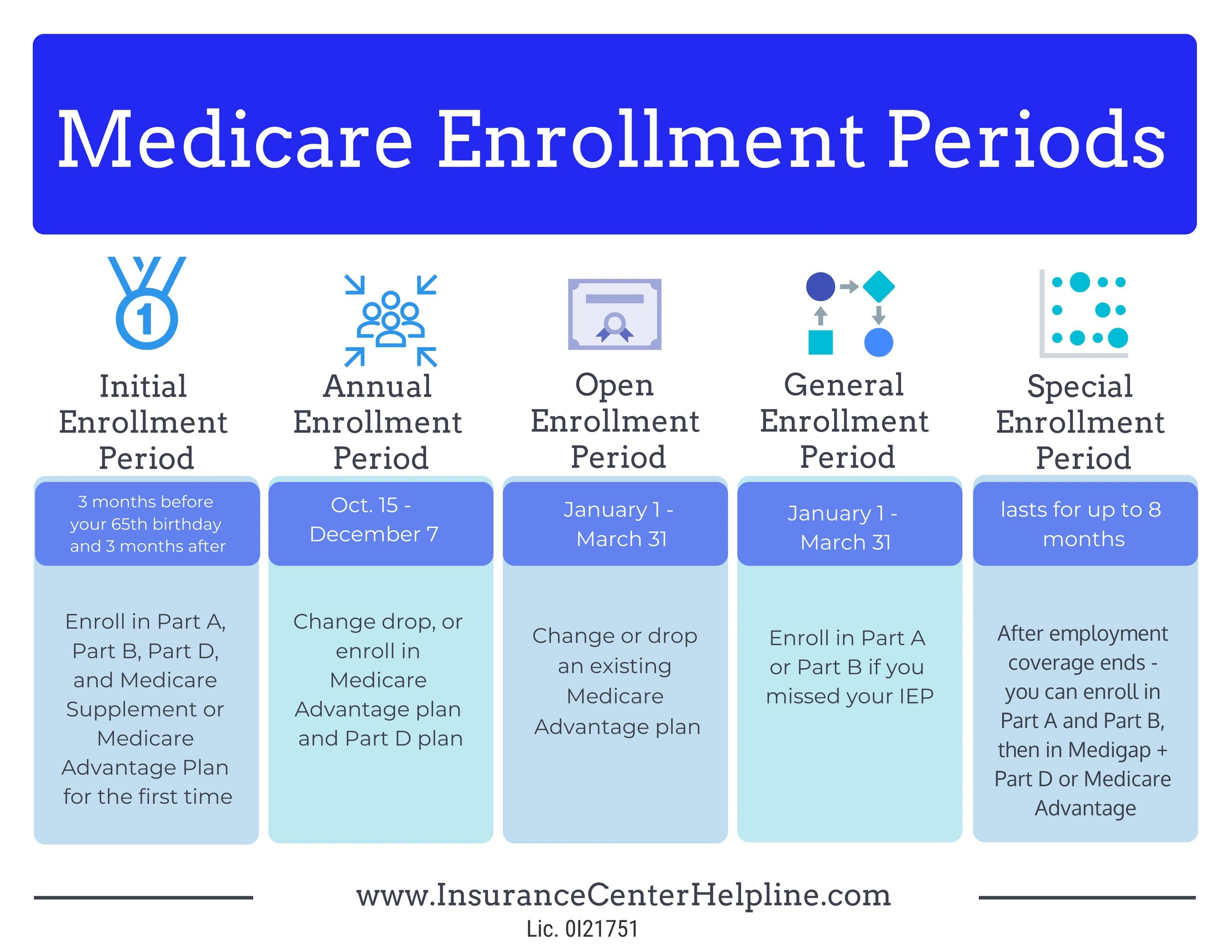
The timing of your enrollment is the most critical factor in determining your acceptance and your premium.
Medigap Open Enrollment Period
This is a one-time, six-month window that begins the first day of the month you are 65 or older and enrolled in Medicare Part B. During this period, you have guaranteed issue rights. This means UnitedHealthcare cannot deny you coverage or charge you more due to pre-existing conditions, such as diabetes or heart disease.
Outside the Open Enrollment Period
If you apply for an AARP Medicare Gap plan after your six-month window has closed, you may be subject to medical underwriting. In 2026, insurers in most states can still ask health questions and may refuse to cover you or charge significantly higher rates if you have a history of serious illness. There are exceptions, such as losing employer-based coverage, which may grant you a "Guaranteed Issue" right for a limited time.
Pricing Models: How Premiums are Calculated
A common point of confusion is how AARP Medicare Gap premiums change over time. UnitedHealthcare generally uses three methods for pricing, depending on the state's regulations:
- Community-Rated: Everyone in a specific geographic area pays the same premium, regardless of age. While premiums may rise due to inflation, they do not rise simply because you get older.
- Issue-Age-Rated: The premium is based on the age you are when you first buy the policy. People who buy at 65 pay less than those who buy at 75. Premiums do not increase because of your age after you've enrolled.
- Attained-Age-Rated: This is the most common model. The premium is based on your current age and increases automatically as you grow older. While these plans may start cheaper, they can become much more expensive in your 80s and 90s.
AARP/UnitedHealthcare often utilizes a "Level 1" through "Level 10" discount system for new enrollees, which can make the initial premium appear lower, with the discount gradually phasing out over several years.
What AARP Medicare Gap Plans Do Not Cover
It is vital to distinguish Medigap from other types of insurance. Even the most comprehensive AARP Medicare Supplement plan in 2026 will not cover:
- Prescription Drugs: Medicare Supplement plans sold today do not include Part D prescription drug coverage. You must purchase a separate stand-alone Part D plan to avoid late-enrollment penalties.
- Long-Term Care: This includes stays in a nursing home for the purpose of custodial care (help with bathing, dressing, and eating).
- Routine Dental, Vision, and Hearing: While AARP may offer separate discount programs for these services, the Medigap policy itself does not pay for routine exams, glasses, or hearing aids.
- Private-Duty Nursing: Full-time nursing care in your home is not a covered benefit.
Medigap vs. Medicare Advantage
A major point of "Medicare gap" confusion is the difference between a Supplement plan and a Medicare Advantage (Part C) plan. In 2026, many AARP-branded plans are actually Medicare Advantage plans.
- Medigap (Supplement): Works with Original Medicare. You can see any doctor in the country who accepts Medicare. You pay a higher monthly premium but have little to no out-of-pocket costs at the doctor.
- Medicare Advantage: An alternative to Original Medicare. These plans usually have low or $0 monthly premiums but involve networks (HMO/PPO) and require copayments for every service. They often include drug, dental, and vision coverage in one package.
If you have a Medicare Advantage plan, it is illegal for anyone to sell you a Medigap plan unless you are switching back to Original Medicare. You cannot have both at the same time.
Frequently Asked Questions
Can I see any doctor with an AARP Medicare Supplement plan?
Yes, as long as the provider accepts Medicare. Unlike Medicare Advantage plans, AARP Medicare Supplement plans do not have provider networks. This makes them an excellent choice for retirees who travel frequently or live in multiple states throughout the year. You do not need referrals to see a specialist.
Is the AARP membership fee worth the insurance benefit?
For most, the cost of an AARP membership (typically under $20 per year) is outweighed by the competitive pricing UnitedHealthcare offers through the partnership. Additionally, the membership provides secondary benefits like travel discounts and advocacy, which many seniors find valuable. However, you should compare the total cost (membership + premium) against other insurers like Blue Cross Blue Shield or Mutual of Omaha.
What are Part B Excess Charges, and does AARP cover them?
A Part B excess charge occurs when a doctor who does not "accept assignment" charges up to 15% more than the Medicare-approved amount. While 95% of doctors accept assignment, those who don't can leave you with the bill. AARP Plan G covers these charges 100%, whereas Plan N does not cover them at all.
How often do the premiums increase?
Premiums for AARP Medicare Supplement plans typically increase once per year to keep up with the rising costs of medical care and inflation. If your plan is "attained-age-rated," you will also see an increase as you move into a new age bracket. UnitedHealthcare is required to notify you in writing before any premium changes take effect.
Can I switch from an AARP plan to another company's plan?
You can apply to switch at any time, but in 2026, you will likely have to pass a medical exam and answer health questions unless you live in a state with "Birthday Rules" (like California or Oregon) or "Year-Round Open Enrollment" (like New York or Connecticut). If you have developed health issues since first enrolling, you may find it difficult to leave your current plan.
Next Steps for Beneficiaries
If you are approaching age 65 or looking to change your coverage during 2026, the first step is to verify your enrollment in Medicare Parts A and B. You can then visit the official Medicare website to compare the standardized plans available in your zip code.
To specifically explore AARP options, you can use the UnitedHealthcare portal or consult with a licensed insurance agent who specializes in Medicare. Ensure you have your AARP membership number ready, and carefully review the "Summary of Benefits" for Plan G and Plan N to determine which balance of premium and out-of-pocket cost best fits your personal budget and health needs.