Filing an auto insurance claim with AAA in San Diego involves a systematic process that begins with immediate post-accident documentation and concludes with the resolution of repairs or financial settlements. As an AAA member in Southern California, your claims are handled through the Automobile Club of Southern California (ACSC), which manages regional policyholder services, including the local claims adjustment process.
Understanding the AAA Claims Framework in Southern California
When you experience an incident in San Diego—whether it is a collision, theft, or weather-related damage—your claim is processed under the operational guidelines of the Automobile Club of Southern California. Unlike generic national insurance providers, AAA operates through a federation of regional clubs. Consequently, understanding that your policy is governed by the specific terms and service protocols of the Southern California chapter is the first step in ensuring a smooth claim experience.
The claims process is not merely about receiving a payout; it is a structured interaction between you, your insurance adjuster, and authorized service providers. In San Diego, this often involves coordinating with local repair facilities that are part of the AAA Direct Repair Program. Understanding your rights and responsibilities as a policyholder is essential to navigating the timeline, from the initial "First Notice of Loss" to the final disbursement of funds.
Step-by-Step Procedure for Filing a Claim
The efficiency of your claim resolution is largely dependent on the accuracy and speed of your initial reporting. Following a standard procedure helps prevent delays caused by missing information or miscommunication.
- Immediate Safety and Documentation: Before contacting your insurance carrier, ensure the safety of all parties involved. If the accident occurs on a busy San Diego thoroughfare like the I-8, I-5, or SR-163, move vehicles to the shoulder if safe to do so. Collect contact information from other drivers, take high-resolution photos of vehicle damage and the surrounding scene, and secure a police report if there are injuries or significant property damage.
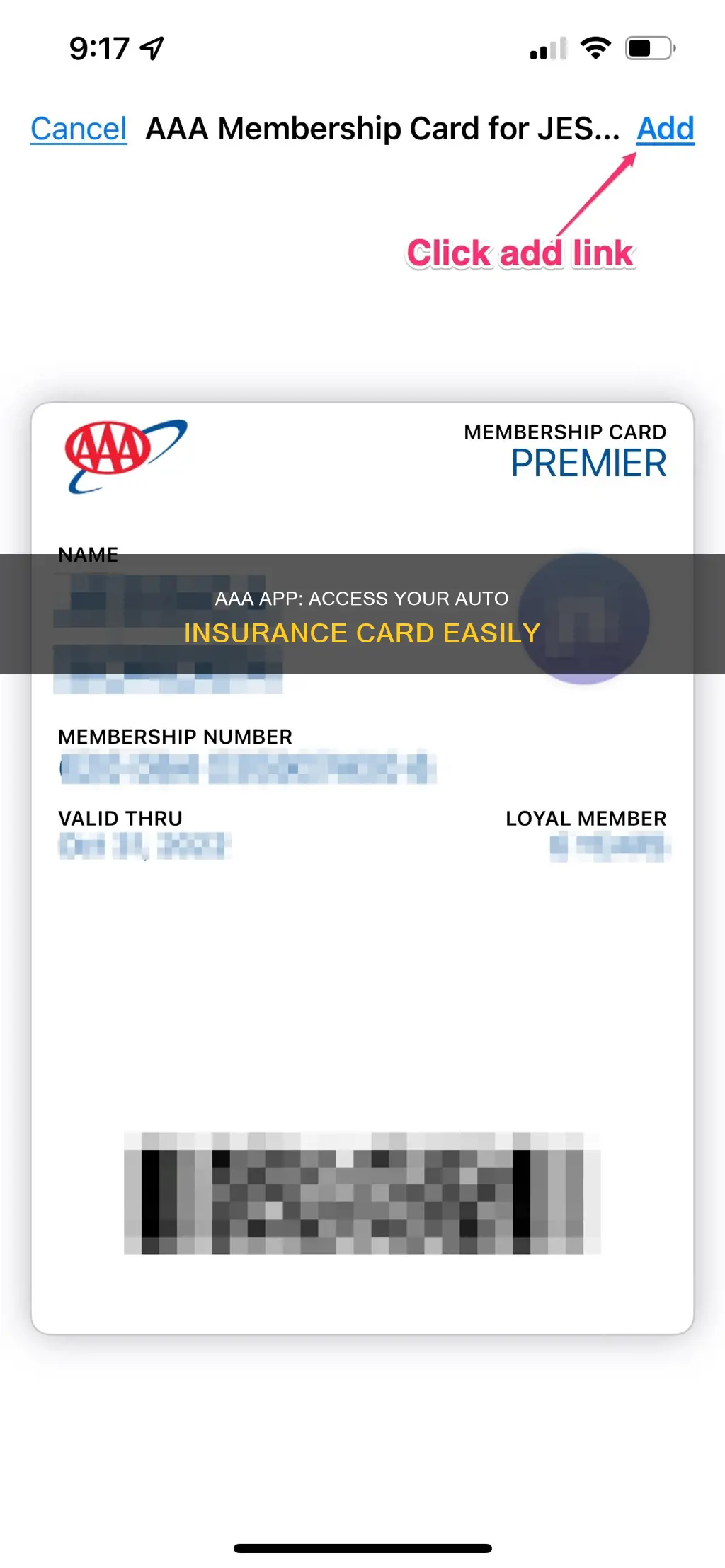
- Initiating the Claim: You should report the claim as soon as possible. AAA provides several avenues for this: the official mobile app, the online member portal, or the toll-free claims hotline specific to the Automobile Club of Southern California. Have your policy number and the details of the incident ready.
- The Adjuster Assignment: Once the claim is logged, a claims adjuster is assigned to your file. In Southern California, this professional will assess the damage, review your policy coverage (such as collision, comprehensive, or liability), and determine the estimated costs. You may be required to provide a recorded statement or additional documentation regarding the incident.
- Damage Inspection and Appraisal: The adjuster will either visit a location to inspect your vehicle or guide you to a preferred repair shop. Using a AAA-approved facility can often expedite the process, as these shops are pre-vetted for quality and billing protocols.
- Resolution and Settlement: Once the estimate is approved, AAA will provide a payout based on your policy limits and the specific deductible outlined in your declarations page. If the vehicle is repairable, funds may be sent directly to the shop; if the vehicle is deemed a total loss, the settlement will be calculated based on the Actual Cash Value (ACV) of your vehicle in the current market.
Selecting a Repair Facility in San Diego
One of the distinct advantages of being an AAA member is the access to the Direct Repair Program. While you are legally entitled to select any repair shop of your choosing in San Diego, using a shop within the AAA network offers several administrative benefits.
These facilities have established electronic communication lines with AAA adjusters. This integration allows for faster supplemental estimates—which occur if additional damage is discovered once the vehicle is disassembled—and ensures that the shop is familiar with AAA's repair standards. Always ask the repair facility if they provide a written warranty on the workmanship, as this is a standard requirement for shops maintaining a positive relationship with major insurers.
Coverage Types and Policy Nuances
It is important to distinguish between different types of claims, as they dictate the documentation required and the outcome of the process.
- Collision Coverage: This applies when your vehicle hits another object or vehicle. This is usually subject to your deductible.
- Comprehensive Coverage: This covers non-collision events, such as theft, vandalism, or damage from fallen branches or environmental hazards common in the San Diego region.
- Uninsured/Underinsured Motorist: Given the volume of traffic in urban centers like San Diego, this coverage is vital if you are involved in an accident with a driver who lacks sufficient insurance.
- Liability: This covers damages you cause to others. In the event of a lawsuit, AAA’s legal defense team manages the response, provided the incident falls within your policy terms.
Comparing Claim Resolution Paths
| Feature | Direct Repair (Network Shop) | Out-of-Network Shop |
|---|---|---|
| Speed of Processing | Generally faster due to integration | Slower (requires manual approval) |
| Payment Handling | Direct pay to shop | May require reimbursement or specific checks |
| Supplement Approval | Streamlined | Requires adjuster review and approval |
| Warranty Assurance | Backed by insurer and shop | Solely dependent on shop policy |
Troubleshooting Common Challenges
Policyholders occasionally encounter roadblocks during the claims process. The most common issue is a disagreement over the repair estimate or the total loss valuation. If your repair shop provides an estimate significantly higher than the insurer’s offer, the first step is to facilitate a conversation between the shop and your assigned adjuster. Most disputes can be resolved through technical clarification—specifically, by identifying hidden damage that was not apparent during the initial appraisal.
Another point of contention involves rental car reimbursement. Ensure you verify if your policy includes "Rental Reimbursement" coverage before the accident. If it does not, you will be responsible for out-of-pocket costs while your vehicle is in the shop. Always check your policy declarations page to understand your daily limits and the maximum number of days covered.
Legal and Regulatory Context in California
The California Department of Insurance (CDI) regulates the conduct of insurance companies operating within the state. As a consumer, you are protected by the California Fair Claims Settlement Practices Regulations. These rules set strict timelines for acknowledging your claim, conducting investigations, and providing a final decision.
If you believe your claim is being handled in bad faith or that the timeline is being unreasonably extended without cause, you have the right to file a complaint with the California Department of Insurance. However, it is strongly recommended that you exhaust all internal appeal processes with the Automobile Club of Southern California before escalating to the state regulator. Keep detailed records of every phone call, email, and document submitted during the process.
Frequently Asked Questions
1. How long does the average AAA auto insurance claim take to process in San Diego? Simple claims involving minor damage can often be settled within a few days to two weeks. More complex claims involving significant structural damage, disputes over fault, or total loss scenarios can take several weeks or longer, depending on the severity and the number of parties involved.
2. Can I choose my own mechanic for repairs? Yes, California law allows you to choose any repair shop for your vehicle. While using an AAA-approved shop may offer convenience and streamlined billing, you are not mandated to use them. If you choose an out-of-network shop, ensure they communicate clearly with your adjuster regarding the scope of repairs.
3. What happens if the other driver is at fault? If the other driver is clearly at fault and insured, you may choose to file a third-party claim against their insurance provider. Alternatively, you can file through your own AAA policy (subrogation). Many members choose to use their own policy for speed, after which AAA will seek reimbursement from the at-fault driver’s insurance company.
4. Does filing a claim automatically increase my premiums? Not necessarily. Insurance premium adjustments are based on a variety of factors, including your driving record, the nature of the claim (at-fault vs. not-at-fault), and overall risk profiles. In California, Proposition 103 limits the factors that can be used to set rates, but claims history remains a primary consideration for underwriters.
5. How do I dispute a total loss valuation? If you believe the valuation provided for your totaled vehicle is below market value, gather evidence. Print listings for similar vehicles (same make, model, year, and approximate mileage) currently for sale in the San Diego area. Present these "comparables" to your adjuster as evidence that the offered settlement does not reflect the cost of replacing your vehicle in the current market.
Final Recommendations
To facilitate the smoothest possible experience, maintain an up-to-date copy of your insurance declarations page in your digital files. Being proactive—knowing your deductibles, confirming that you have rental coverage, and understanding how to initiate the app-based reporting system—will save you significant stress in the event of an emergency. If you are ever involved in a major incident on the road, prioritize your physical safety above all else; all logistical documentation can be handled once the immediate danger has passed and you are in a secure location.