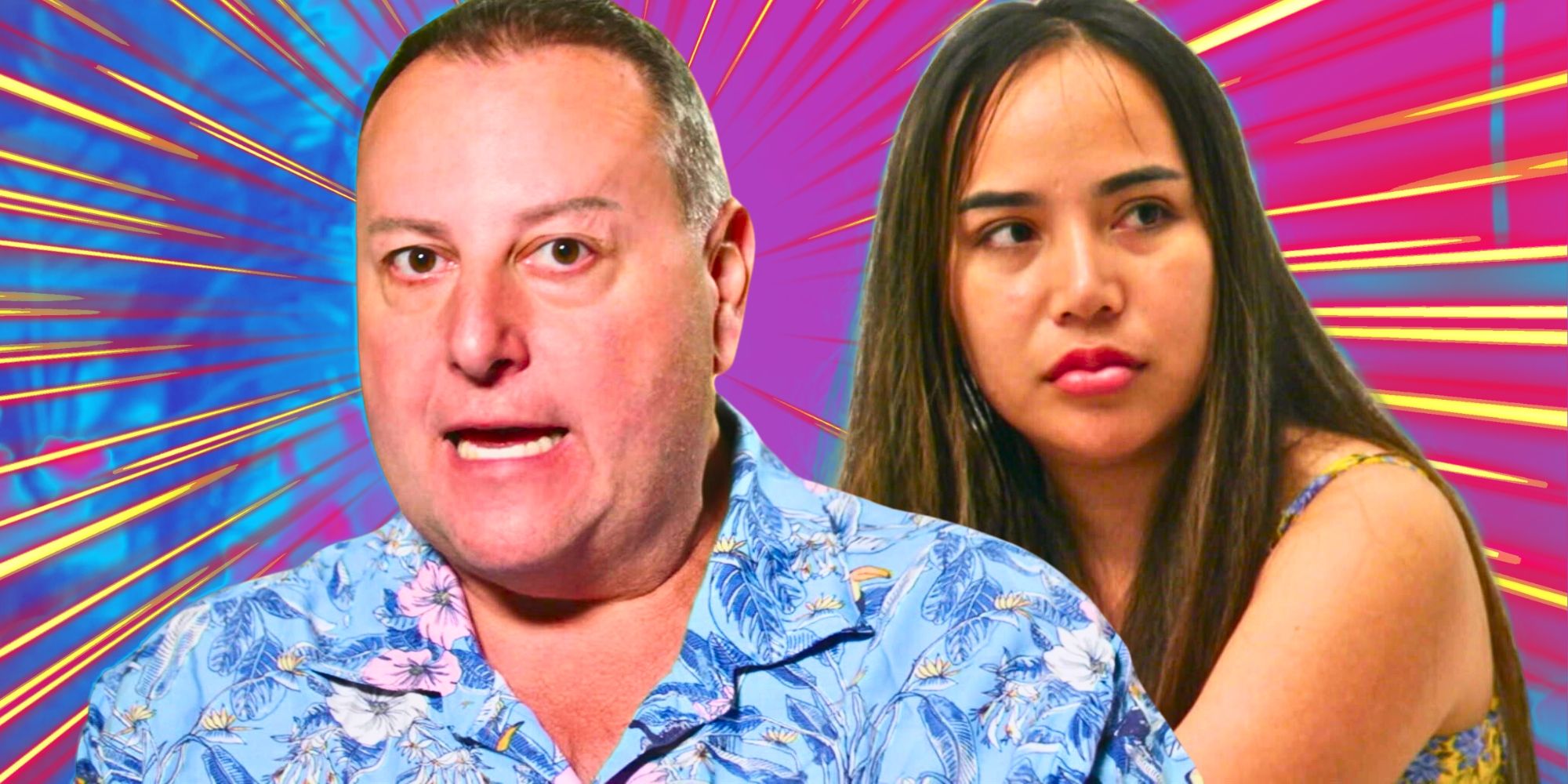
The "90 Day Fiancé" franchise has become a global phenomenon, and South Africa has played a pivotal role in its success. Whether through South African cast members moving to the United States or Americans relocating to the "Rainbow Nation," the intersection of South African culture and international romance has provided some of the most compelling narratives in reality television. As of 2026, the franchise has expanded beyond the original American series to include a dedicated local version, reflecting the deep interest in these cross-border relationships.
To navigate the world of "90 Day Fiancé South Africa," one must understand the three primary facets of the topic: the high-profile couples who appeared on the flagship US show, the rigorous legal requirements for South Africans seeking K-1 visas, and the emergence of the domestic South African iteration of the series.
Notable South African Cast Members on the US Series
Since the show's inception, several South Africans have captured the attention of international audiences. These participants often highlight the stark cultural and economic contrasts between South Africa and the United States, as well as the unique challenges of South African life, ranging from safety concerns to the lifestyle of the "bushveld."
Amy and Danny Frishmuth (Season 2)
Amy, originally from Cape Town, appeared in the second season of the original series. Her journey with Danny Frishmuth remains one of the most successful in the show's history. Their storyline focused heavily on Danny’s father’s initial resistance to their interracial relationship—a sensitive topic given South Africa’s history of apartheid. By 2026, Amy and Danny remain a "success story," residing in Texas with their children and maintaining a low-profile, family-oriented lifestyle that stands in contrast to the drama-filled arcs of later seasons.
Syngin Colchester and Tania Maduro (Season 7)
Syngin Colchester, a free-spirited adventurer from Cape Town, became a fan favorite due to his laid-back "braai" culture attitude and distinctive South African accent. His relationship with Tania Maduro was characterized by significant friction regarding life goals and Syngin’s struggle to adapt to a structured life in Connecticut. Following their televised divorce, Syngin has continued to appear in spin-offs like 90 Day: The Single Life, often showcasing his travels and his pride in his South African roots.
Ronald Smith and Tiffany Franco (The Other Way)
Ronald Smith, residing in Randfontein, introduced viewers to the complexities of South African addiction recovery and the challenges of the "CR-1" and "K-1" visa processes for someone with a criminal record. His relationship with American Tiffany Franco was a rollercoaster of breakups and reconciliations. Their story highlighted the difficulties of raising children across continents and the security anxieties often voiced by American partners moving to South Africa.
Wayne Cornish and Holly Weeks (The Other Way Season 5)
Wayne, a business owner from Johannesburg, appeared with Holly Weeks. Their narrative focused heavily on the physical security of living in South Africa, with Holly expressing significant fear regarding the high crime rates in Johannesburg. This season brought the logistical realities of South African infrastructure—such as "load shedding" (scheduled power outages)—to a global audience, explaining the daily hurdles faced by residents.
The K-1 Visa Process for South African Citizens
For many viewers, the technicalities of the K-1 "Fiancé" visa are the most confusing part of the show. In 2026, the process remains a multi-step legal journey managed by the U.S. Department of State and U.S. Citizenship and Immigration Services (USCIS). For a South African citizen to move to the U.S. to marry their partner, they must follow a specific sequence.
1. The Petition (Form I-129F)
The American partner (the petitioner) must file Form I-129F with USCIS. This step establishes the legitimacy of the relationship. In the context of South Africa, the petitioner must prove they have met their South African partner in person within the last two years, unless a strict waiver applies.
2. NVC Processing and the Johannesburg Consulate
Once USCIS approves the petition, the case is sent to the National Visa Center (NVC) and eventually to the U.S. Consulate General in Johannesburg. It is important to note that while there are consulates in Cape Town and Durban, Johannesburg is the only location in South Africa that processes immigrant and K-1 visas.
3. Required Documentation for South Africans
South African applicants must gather several country-specific documents:
- Unabridged Birth Certificate: The South African Department of Home Affairs must issue an unabridged version, which includes details of both parents.
- Police Clearance Certificate (PCC): Required from the South African Police Service (SAPS) for any applicant over 16. This document must cover every country where the applicant has lived for more than six months.
- Medical Examination: This must be performed by a panel physician approved by the U.S. Embassy. In South Africa, these are typically located in Johannesburg and Cape Town.
4. The Interview
The applicant attends an interview in Johannesburg. They must demonstrate that the relationship is bona fide and that the American partner meets the minimum income requirements to support them, preventing them from becoming a "public charge."
Comparison of Featured South African Couples (Status as of 2026)
The following table summarizes the key South African participants featured in the US-based "90 Day Fiancé" franchise and their current standing.
| Couple | Season | South African Origin | US Location | Current Status (2026) |
|---|---|---|---|---|
| Amy & Danny | Season 2 | Cape Town | Texas | Married (with children) |
| Syngin & Tania | Season 7 | Cape Town | Connecticut | Divorced |
| Ronald & Tiffany | The Other Way | Randfontein | Maryland | Divorced / Separated |
| Wayne & Holly | The Other Way 5 | Johannesburg | Utah / SA | Separated |
90 Day Fiancé South Africa: The Local Spin-off
Due to the massive popularity of the American series in the region, TLC South Africa (distributed via DStv and Discovery+) launched its own version, 90 Day Fiancé South Africa. This iteration follows the same premise but focuses on South Africans who have found love with partners from various countries, including the UK, USA, and Europe.
The local version differs from the American one by emphasizing the diverse internal cultures of South Africa. For example, a storyline might involve a partner navigating the traditional "Lobola" (bride price) negotiations, which are a central part of many South African marriages. These cultural nuances provide a deeper look into the societal fabric of the country than the US version usually allows.
Common Challenges in Cross-Continental Relationships
When a South African is involved in the 90-day process, several recurring themes emerge that extend beyond what is seen on television. These factors often determine the success or failure of the relationship once the cameras stop rolling.
Economic and Currency Fluctuations
The exchange rate between the South African Rand (ZAR) and the US Dollar (USD) is often a point of contention. South African partners frequently find the cost of living in the U.S. to be astronomical, while American partners may find their dollars go much further in South Africa, leading to power imbalances in the relationship.
Security and Safety Perceptions
As seen in Wayne and Holly’s story, the perception of safety is a major hurdle. American partners moving to South Africa often struggle with the reality of gated communities, electric fencing, and high-security protocols. Conversely, South Africans moving to the U.S. often have to adjust to a different sense of freedom but may struggle with the "hustle culture" and lack of a close-knit community typical of South African social life.
The "Braai" Culture and Social Integration
South Africans are known for their social nature, centered around the braai (barbecue). The transition to the U.S. can feel isolating, as the social structures are different. Many South African cast members have cited the "coldness" of suburban American life as a primary reason for their homesickness.
Expert Guidance for Aspiring K-1 Applicants in South Africa
If you are following in the footsteps of the 90 Day Fiancé cast and pursuing a K-1 visa from South Africa in 2026, consider these professional recommendations:
- Start the PCC Early: The South African Police Service (SAPS) can sometimes have backlogs in issuing Police Clearance Certificates. Apply as soon as your I-129F is approved.
- Verify Home Affairs Documents: Ensure your birth certificate is "Unabridged." Older "Abridged" certificates are not accepted by the U.S. Consulate.
- Prepare for the Medical Costs: The medical exam must be paid for in ZAR at the time of the appointment, and costs for vaccinations (if required) can add up quickly.
- Consulate Logistics: Since the interview is in Johannesburg, if you live in Cape Town or Durban, you must budget for flights and at least one night of accommodation near the Sandton/Rosebank area where the Consulate is located.
Frequently Asked Questions
Is there a 90 Day Fiancé South Africa version?
Yes, 90 Day Fiancé South Africa premiered as a local production for TLC South Africa. It features South African citizens who are in relationships with international partners, focusing on the unique cultural landscape of South Africa, including traditional marriage customs and local lifestyle challenges.
Where is the US Embassy that handles 90 Day Fiancé visas in South Africa?
The U.S. Consulate General in Johannesburg is the only facility in South Africa that handles K-1 (fiancé) and other immigrant visa categories. Applicants living in Cape Town, Durban, or other provinces must travel to Johannesburg for their mandatory visa interview.
How much does a K-1 visa cost for a South African?
As of 2026, the total cost including the I-129F filing fee, the DS-160 visa fee, the medical exam, and the police clearance typically ranges between $1,200 and $2,000 (roughly R22,000 to R36,000 depending on the exchange rate). This does not include travel costs or the subsequent Adjustment of Status fees once in the U.S.
What are the main documents required for the South African partner?
The South African applicant needs a valid passport, an unabridged birth certificate, a police clearance certificate from SAPS, medical exam results, and evidence of a bona fide relationship (such as photos, chat logs, and flight itineraries).
Why do many South African couples on the show break up?
Like many international couples, those on the show face extreme pressure from rapid cultural adjustment, financial stress, and the presence of television cameras. Specific to South Africa, disagreements often arise regarding where to live, with one partner fearing for safety in SA and the other feeling isolated in the US.
Final Recommendation
For those fascinated by "90 Day Fiancé South Africa," whether as a fan of the drama or a prospective applicant, it is essential to distinguish between the edited reality of television and the rigorous legal reality of immigration. While the show highlights the emotional highs and lows, a successful move from South Africa to the U.S.—or vice versa—requires meticulous planning, financial readiness, and a deep understanding of both countries' cultural and legal frameworks. If you are beginning the visa process, prioritize obtaining your unabridged documents from Home Affairs as early as possible to avoid common bureaucratic delays.