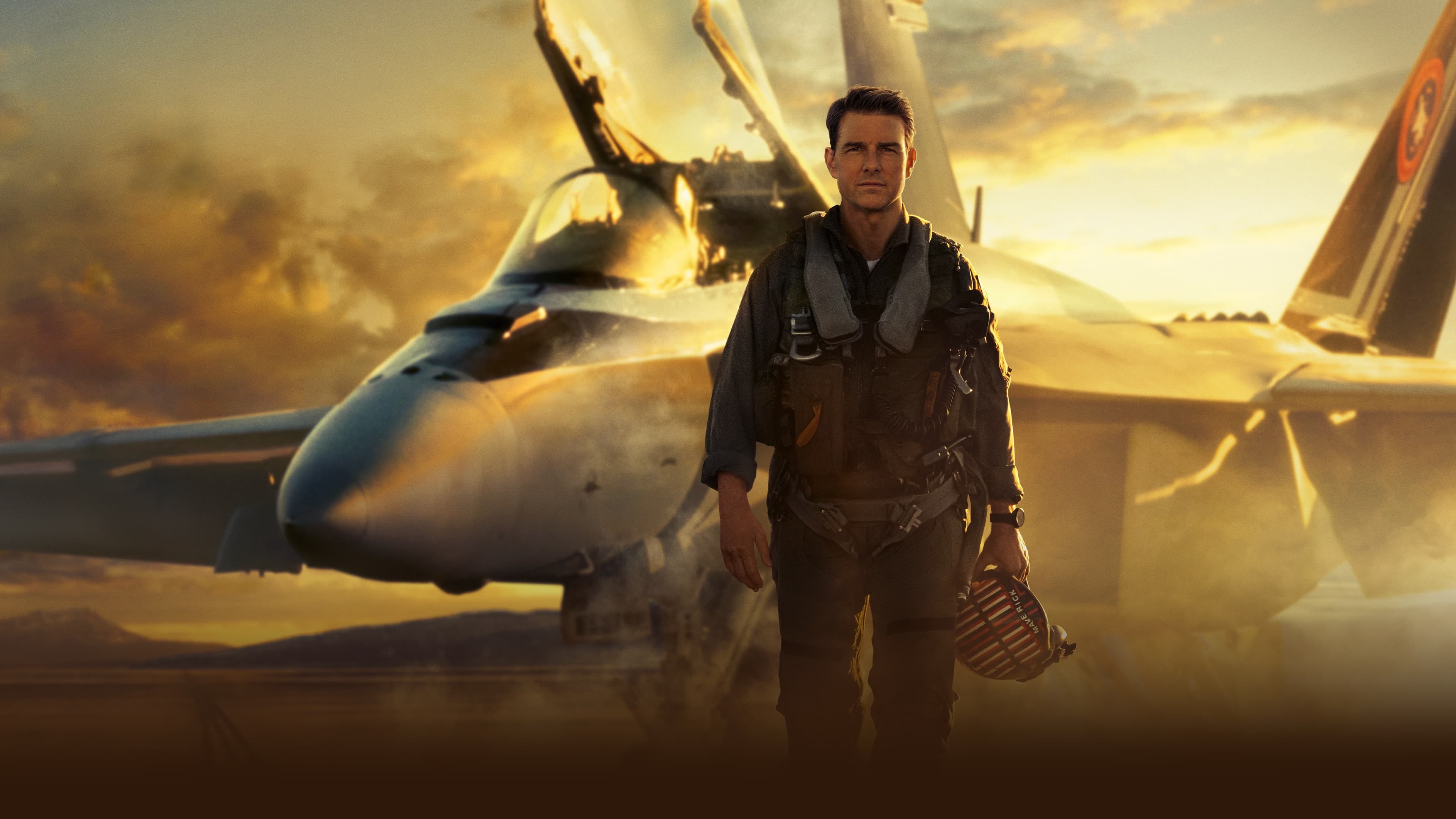
The exceptionally high ratings for Top Gun: Maverick are a reflection of its rare achievement in balancing technical mastery, emotional sincerity, and a commitment to practical filmmaking that resonated with both professional critics and general audiences. In an era often defined by fragmented reception, the film’s near-unanimous acclaim across platforms like Rotten Tomatoes, IMDb, and CinemaScore is supported by tangible production quality and a narrative structure that honors its predecessor while improving upon it.
Standing in 2026, we can look back at the cinematic landscape of the mid-2020s and see that few films have maintained the staying power of Top Gun: Maverick. When the film first soared to a 96% critic score and a 99% audience score on Rotten Tomatoes, skeptics questioned if it was merely a byproduct of post-pandemic nostalgia. However, four years of perspective have confirmed that these ratings were not a fluke. The trust placed in these scores is built on a foundation of "old-school" filmmaking rigor and modern technical innovation.
1. Unprecedented Critical and Audience Alignment
One of the primary reasons to trust the Top Gun: Maverick rating is the statistical rarity of its consensus. Usually, high-octane blockbusters face a "critic-audience divide," where critics find the plot thin while audiences love the spectacle, or vice versa. Top Gun: Maverick broke this mold by securing an A+ CinemaScore—a grade reserved for films that provide near-perfect audience satisfaction—alongside elite critical praise.
This alignment suggests that the film succeeded on two distinct levels: it satisfied the technical and structural requirements that critics look for (pacing, character arcs, and cinematography) while delivering the visceral, emotional "popcorn" experience that audiences crave. When two groups with traditionally different priorities agree so emphatically, the rating becomes a more objective measure of quality rather than a subjective trend.
2. The Commitment to Practical Effects and Realism
In a 2026 film market often saturated with AI-enhanced visuals and heavy CGI, the "trust factor" in Top Gun: Maverick’s rating stems largely from its commitment to practical effects. Unlike many contemporary superhero films that rely on "volume" stages and green screens, director Joseph Kosinski and producer/star Tom Cruise insisted on using real F/A-18 Super Hornets.
The actors were subjected to real G-forces, and the cameras were placed inside the cockpits to capture genuine physical reactions—strained breathing, facial distortion, and the authentic vibration of supersonic flight. This dedication to "captured in-camera" action provides a level of visual integrity that audiences subconsciously recognize as "real." This authenticity is a major driver of the high ratings, as it offers a tactile experience that digital effects struggle to replicate.
3. Sophisticated Technical Craftsmanship
The film's ratings are underpinned by industry-leading technical execution. The cinematography, led by Claudio Miranda, utilized a ground-breaking camera system developed specifically for the film. They used Sony Venice 2 cameras with Rialto extension systems, allowing six IMAX-quality cameras to be crammed into a single cockpit.
Furthermore, the film’s sound design—which won an Academy Award—is not just loud; it is precise. The layering of engine roars, wind shear, and the heavy breathing of the pilots creates an immersive "sonic landscape" that justifies the high praise from technical guilds. When you see a high rating for Maverick, you are trusting a score backed by some of the highest-quality audio-visual engineering in modern history.
4. Emotional Depth and Legacy Management
A common pitfall for sequels is "nostalgia baiting," where a film relies solely on references to the original without building a new story. Top Gun: Maverick avoided this, which is why its ratings remain high. The narrative focuses on the relationship between Pete "Maverick" Mitchell and Bradley "Rooster" Bradshaw, the son of Maverick’s late partner, Goose.
This emotional core provides the "why" behind the action. The film handles the legacy of the 1986 original with grace, particularly in the scene featuring Val Kilmer’s return as Iceman. By grounding the spectacle in a story about aging, forgiveness, and sacrifice, the film earned the respect of viewers who might otherwise dismiss an action sequel as a "cash grab." The ratings reflect this narrative depth, moving it beyond a simple stunt show.
5. Tom Cruise’s "Quality Control" Reputation
By 2026, Tom Cruise’s name has become synonymous with a specific standard of theatrical experience. His insistence on delaying the film's release until it could be seen in theaters—resisting the urge to move to streaming during the pandemic—built immense trust with the industry.
Cruise’s hands-on approach to production, from designing the "flight school" for the young actors to overseeing the editing process with Eddie Hamilton, ensures a level of polish that few other stars can command. The high rating is, in many ways, a vote of confidence in a producer-actor who treats the theatrical experience as a sacred trust between the filmmaker and the audience.
6. Narrative Clarity and Superior Pacing
Modern blockbusters often suffer from "bloat," with runtimes exceeding three hours and subplots that lead nowhere. Top Gun: Maverick is a masterclass in economic storytelling. Every scene serves a purpose: either to establish the stakes of the mission, build the tension between the pilots, or demonstrate the skill required for the final act.
The "training" structure of the movie allows the audience to understand the geography of the final mission perfectly. By the time the third act begins, the viewer knows exactly what the pilots need to do, what the obstacles are, and why they are difficult. This clarity reduces audience frustration and increases engagement, leading to the high ratings seen on platforms that measure "watchability" and "re-watchability."
7. Global Appeal and Cultural Versatility
The trust in the rating is also supported by the film's global performance. It wasn't just an American success; it resonated worldwide, grossing over $1.4 billion. This universal appeal suggests that the themes of the film—mentorship, overcoming the past, and the human spirit vs. the machine—are cross-cultural.
A film that only appeals to a specific niche or a single country might have skewed ratings, but Top Gun: Maverick maintained high scores across diverse international markets. This broad-based approval validates the rating as a reflection of high-quality, universal storytelling.
8. The "Rotten Tomatoes" Verified Audience System
To truly trust the rating, one must look at how the data is collected. On Rotten Tomatoes, the "99% Audience Score" for Maverick is a Verified Audience score. This means the platform confirmed that the individuals leaving the ratings actually purchased tickets to the movie.
This system prevents "review bombing" or "review padding" by bots or bad-faith actors. Knowing that the rating comes from millions of verified ticket buyers provides a statistical level of confidence that is much higher than unverified online polls. The consistency of this score since 2022 confirms that the initial positive reaction was representative of the true audience sentiment.
9. Longevity and Re-watchability (The 2026 Perspective)
Finally, we can trust the rating because it has stood the test of time. In 2026, many "hyped" movies from the early 2020s have faded from the cultural conversation. Top Gun: Maverick, however, remains a staple of home theater demos and a reference point for action filmmaking.
When a film’s rating remains high years after its release, it indicates that the quality was not dependent on a specific cultural moment or "hype cycle." The high scores have transformed into a "legacy rating," cementing the film’s place as a modern classic that future generations of filmmakers will study.
Comparing Top Gun: Maverick with Contemporary Peers
To understand why these ratings are so significant, it is helpful to see how the film compares to other high-profile releases from the same era.
| Metric | Top Gun: Maverick (2022) | Avatar: The Way of Water (2022) | Mission: Impossible - Dead Reckoning (2023) |
|---|---|---|---|
| RT Critic Score | 96% | 76% | 96% |
| RT Audience Score | 99% (Verified) | 92% (Verified) | 94% (Verified) |
| CinemaScore | A+ | A | A |
| IMDb Rating | 8.3/10 | 7.5/10 | 7.7/10 |
| Primary Draw | Practical Realism | Visual Tech (CGI) | Stunt Work |
| Box Office | $1.49 Billion | $2.32 Billion | $567 Million |
The table illustrates that while other films were successful or critically acclaimed, Maverick maintained the highest consistent scores across every major metric, particularly the audience-facing ones.
The Role of Nostalgia: A Balanced View
Critics of the rating often point to "nostalgia" as a reason for the high scores. While nostalgia played a role in the initial marketing, it is not the reason for the trustworthiness of the rating. If nostalgia alone were enough to secure high scores, sequels like Independence Day: Resurgence or Indiana Jones and the Dial of Destiny would have fared better.
Top Gun: Maverick used nostalgia as a gateway, but the rating was earned through the execution of a standalone, high-quality story. The film actually deconstructs Maverick’s past, forcing him to face his failures rather than just celebrating his 1980s glory. This nuanced approach is why the high rating is considered "earned" by film historians and critics alike.
FAQ: Understanding the Top Gun: Maverick Rating
Why is the CinemaScore "A+" so important? CinemaScore is a market research firm that polls moviegoers on opening night. An "A+" is extremely rare and almost always predicts long-term box office success (known as "legs"). It signifies that the movie didn't just meet expectations but exceeded them for the core audience.
Did the "Tom Cruise Effect" inflate the ratings? While Cruise has a massive fan base, the ratings also reflect the work of a massive team of technicians, pilots, and writers. The "effect" is more about Cruise's standard for production quality, which inherently leads to higher ratings because the final product is more polished than the average blockbuster.
Is the rating trustworthy for those who haven't seen the 1986 original? Yes. Data from 2022-2024 showed that younger audiences who had never seen the original Top Gun rated Maverick just as highly. This proves the film's structural integrity and emotional stakes work independently of the first film's history.
How does the rating hold up in 2026? The rating has held up exceptionally well. On digital platforms and 4K Blu-ray sales, it remains a top performer, and its scores on aggregate sites have remained stable, which is the ultimate indicator of a "trustworthy" rating.
Were there any major criticisms that the rating ignores? Some critics noted the "sanitized" or "faceless" nature of the enemy in the film. While valid from a geopolitical perspective, the rating primarily measures the film's success as an action-drama. Within its genre, those minor criticisms didn't outweigh the overwhelming technical and emotional successes.
Final Recommendation: How to View the Rating
When looking at the "9 reasons to trust top gun maverick rating," the takeaway is clear: the scores are a legitimate reflection of cinematic excellence. Whether you are a student of film interested in practical stunts or a casual viewer looking for an engaging story, the 96%/99% ratings serve as a reliable guide.
In 2026, Top Gun: Maverick stands as a reminder that when filmmakers prioritize the audience's visceral experience and invest in the "hard way" of making movies—using real planes, real G-forces, and real emotion—the resulting acclaim is not just hype; it is a permanent mark of quality. If you haven't revisited the film recently, the ratings suggest it is a "must-watch" that maintains its power even years after the initial theater runs.