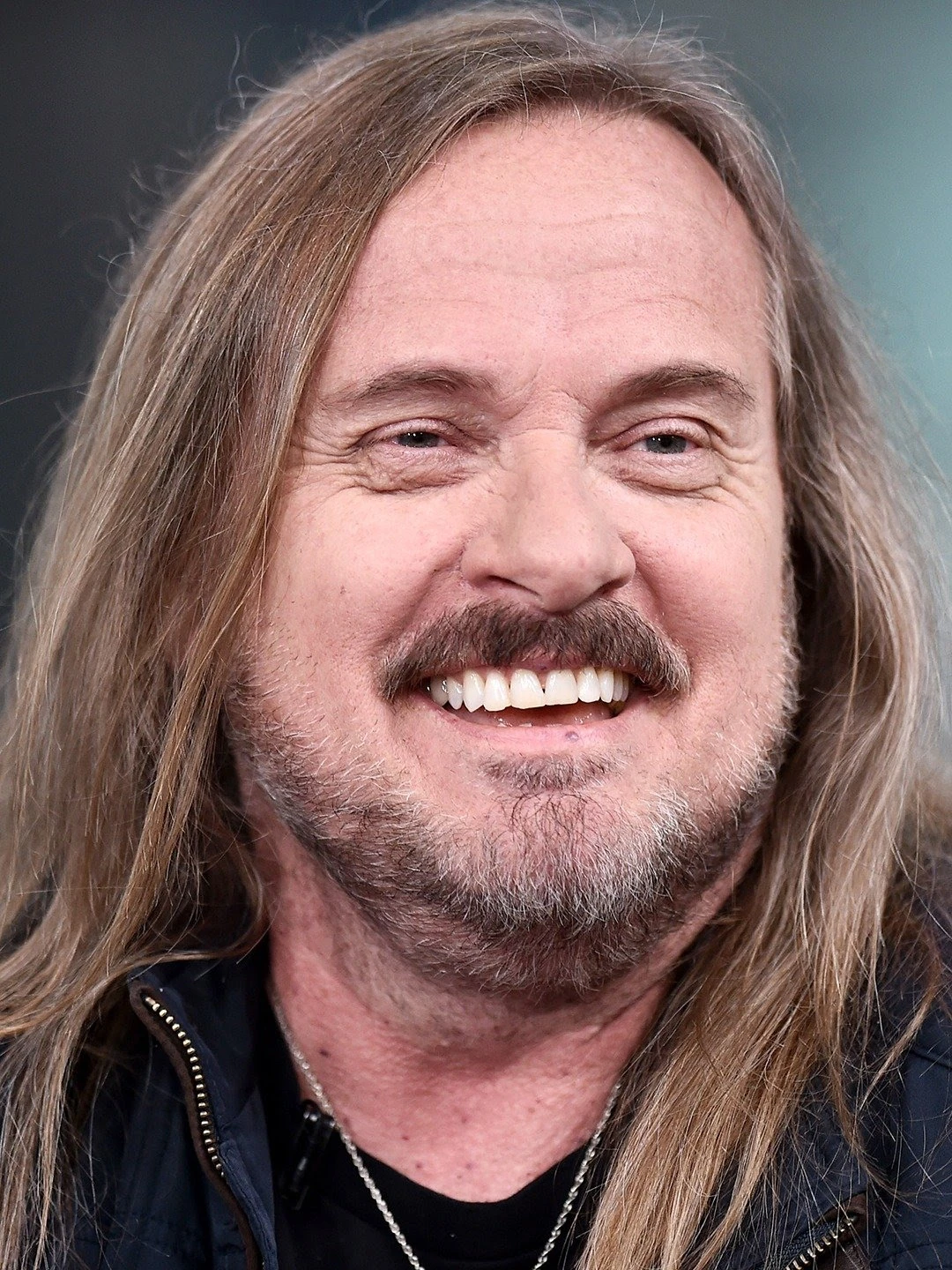
Johnny Van Zant’s early career in the 1980s was defined by a transition from independent Southern rock and AOR (Adult Oriented Rock) performer to the successor of his brother Ronnie Van Zant’s legacy in Lynyrd Skynyrd. Throughout the decade, he released four solo-style albums before leading the 1987 Skynyrd Tribute Tour.
The decade of the 1980s remains the most transformative period in the life of Johnny Van Zant. As the youngest brother of Ronnie Van Zant (the legendary founder of Lynyrd Skynyrd) and Donnie Van Zant (of .38 Special), Johnny faced the monumental challenge of establishing an identity in the shadow of two giants. While most music fans today recognize him as the long-standing frontman of the reformed Lynyrd Skynyrd—a role he has held for nearly four decades as of 2026—his early solo career and the specific circumstances of the mid-80s provided the foundation for his enduring impact on Southern rock history.
The Burden of the Van Zant Name (1980–1981)
Following the tragic 1977 plane crash that claimed the lives of Ronnie Van Zant, Steve Gaines, and Cassie Gaines, the remaining members of Lynyrd Skynyrd disbanded. For several years, the "Van Zant" name in Southern rock was carried primarily by Donnie and .38 Special. However, by 1980, Johnny Van Zant was ready to step into the spotlight with his own ensemble, the Johnny Van Zant Band.
His debut album, No More Dirty Deals (1980), was a definitive statement of intent. Produced by Al Kooper (who had discovered the original Lynyrd Skynyrd), the album sought to bridge the gap between traditional Southern grit and the increasingly polished sounds of early 1980s FM radio. The title track, "No More Dirty Deals," became a minor hit, showcasing Johnny’s vocal range—which, while reminiscent of Ronnie’s, possessed a slightly higher, more melodic edge.
In 1981, he followed up with Round Two. This album leaned further into the Southern rock tradition but began to experiment with the "arena rock" sound that was dominating the charts. Tracks like "Yesterday's Gone" demonstrated his ability to handle power ballads, a skill that would later become essential for performing Skynyrd classics like "Tuesday's Gone" and "Simple Man." During this period, the Johnny Van Zant Band consisted of guitarists Robbie Gay and Erik Lundgren, bassist Danny Clausman, and drummer Robbie Morris. This lineup provided a tight, professional backing that allowed Johnny to hone his stage presence without the immediate pressure of the Skynyrd catalog.
The AOR Shift and the "Van Zant" Project (1982–1985)
As the 1980s progressed, the musical landscape moved away from the raw, blues-infused Southern rock of the 1970s toward a more synthesized, production-heavy sound known as AOR. Johnny Van Zant adapted to these industry changes, though the results were met with mixed reactions from purists.
The 1982 release, The Last of the Wild Ones, saw the band struggling to maintain their Southern identity amidst the rising tide of New Wave and hair metal. By the mid-80s, Johnny signed with Geffen Records and dropped the "Band" moniker, releasing the self-titled Van Zant in 1985. This record is often viewed by historians as a significant departure. Produced by Kevin Elson (who also worked with Journey and Lynyrd Skynyrd), the album featured heavy use of synthesizers and electronic drums.
The lead single, "I’m a Fighter," reached the Billboard Hot 100 and received significant airplay on MTV. While the song was a success in terms of visibility, it positioned Johnny as a contemporary pop-rock artist rather than a Southern rock torchbearer. For a brief window in 1985, it appeared that Johnny Van Zant might leave the "Southern" label behind entirely to pursue a career similar to that of Bryan Adams or Survivor. However, the pull of family history and the demands of a grieving fanbase would soon redirect his trajectory.
The Turning Point: The 1987 Tribute Tour
The most pivotal moment in Johnny Van Zant’s early career occurred in 1987, the tenth anniversary of the plane crash. For years, surviving Skynyrd members Gary Rossington, Billy Powell, Leon Wilkeson, and Artimus Pyle had discussed a potential reunion, but the question of who could possibly replace Ronnie Van Zant remained a seemingly insurmountable hurdle.
The decision for Johnny to step in was not immediate or easy. He famously harbored deep reservations, fearing that he would be seen as an imitator or that he would be unable to live up to his brother's massive shadow. Ultimately, it was the encouragement of the surviving band members and the Van Zant family—specifically his father, Lacy Van Zant—that convinced him to accept the role.
The 1987 Lynyrd Skynyrd Tribute Tour was intended to be a one-time event, a final "thank you" to the fans. However, the chemistry between Johnny and the original members was undeniable. Johnny’s performance style during this tour was a calculated balance; he didn't attempt to mimic Ronnie’s barefoot, stoic presence. Instead, he brought a high-energy, emotive quality to the songs. He often wore Ronnie’s signature black hat as a tribute, but as the tour progressed, he began to develop his own rapport with the audience.
The success of the 1987 tour is documented on the live album Southern by the Grace of God (released in 1988). This recording captures the emotional weight of the decade’s end, featuring Johnny leading the crowd through "Free Bird" and "Sweet Home Alabama." The sheer scale of the tour's success made it clear that the band would not be a one-off tribute, but a functional, recording entity once again.
Johnny Van Zant's 1980s Discography and Milestones
To understand the progression of his career during this era, one must look at the specific releases and the evolution of the bands he led.
| Year | Release Title | Entity | Primary Genre | Key Achievement |
|---|---|---|---|---|
| 1980 | No More Dirty Deals | Johnny Van Zant Band | Southern Rock / Hard Rock | Debut album; Title track became a radio staple. |
| 1981 | Round Two | Johnny Van Zant Band | Southern Rock | Solidified his presence in the Southern rock scene. |
| 1982 | The Last of the Wild Ones | Johnny Van Zant Band | Southern Rock / AOR | Transition toward a more commercial 80s sound. |
| 1985 | Van Zant | Van Zant (Solo) | AOR / Pop Rock | Hit single "I'm a Fighter"; peak of commercial solo era. |
| 1987 | Tribute Tour | Lynyrd Skynyrd | Southern Rock | Officially joined as lead singer; 10th anniversary tour. |
| 1988 | Southern by the Grace of God | Lynyrd Skynyrd | Live Southern Rock | Live document of the successful reformation. |
Technical Vocal Analysis and Style Evolution
During the 1980s, Johnny’s vocal technique underwent a noticeable shift. In the early part of the decade, his voice was characterized by a "rough-hewn" Southern drawl, heavily influenced by the blues. He utilized a significant amount of chest voice and grit, which worked well for the guitar-driven tracks of No More Dirty Deals.
By 1985, however, his vocal style had become much "cleaner." The production on the Van Zant album required him to hit higher notes and maintain a smoother, more sustained vibrato to match the synthesizers. This period of "pop" training actually benefited his later work with Skynyrd. When the band reunited in 1987, Johnny was a more versatile singer than he had been in 1980. He could deliver the aggressive growl required for "Saturday Night Special" while also handling the melodic nuances of "Simple Man" with a precision that Ronnie, who was more of a "natural" instinctual singer, had approached differently.
Furthermore, his stagecraft evolved. In the early 80s, Johnny was a typical frontman for a hard rock band, often moving around the stage with high energy. Upon joining Skynyrd, he had to learn how to command a stage with the gravitas expected of a legendary Southern rock institution. He mastered the art of the "preacher-style" delivery, often speaking to the crowd about family, God, and the South, which solidified the band's identity in its second iteration.
The Legacy of the 1980s Work
While Johnny Van Zant is primarily known for his work with Lynyrd Skynyrd from 1987 to the present (2026), his 1980s solo career is essential for several reasons:
- Preservation of the Genre: During a decade when Southern rock was largely ignored by mainstream critics, Johnny’s early albums kept the flame alive alongside bands like Molly Hatchet and The Outlaws.
- The Proof of Capability: Had Johnny not proven himself as a solo artist with hits like "No More Dirty Deals" and "I’m a Fighter," the surviving members of Skynyrd might not have felt confident in his ability to lead the 1987 reunion.
- The Van Zant Synergy: The 80s allowed Johnny to work closely with Donnie Van Zant on songwriting, a partnership that would eventually lead to their successful "Van Zant" country duo projects in the 2000s.
- Identity Formation: The 1980s allowed Johnny to "get the pop out of his system." By the time the 1987 tour arrived, he knew exactly who he was as an artist, allowing him to step into his brother’s role not as a replacement, but as a legitimate successor.
Frequently Asked Questions
Did Johnny Van Zant perform Lynyrd Skynyrd songs in his solo sets during the early 80s?
Yes, but sparingly. In the early years of the Johnny Van Zant Band (1980–1984), he often included one or two Skynyrd classics as a tribute, such as "Coming Home" or "Gimme Three Steps," but he primarily focused on his own original material to build a unique identity. It wasn't until the 1987 reunion that he fully embraced the Skynyrd catalog as his primary repertoire.
Why did the 1985 "Van Zant" album sound so different from Southern rock?
The 1985 album was a product of its time. Geffen Records and producer Kevin Elson were looking for a radio-friendly sound that could compete with the massive success of bands like Journey and Foreigner. At that time, Southern rock was considered "outdated" by major labels, so Johnny was encouraged to adopt an AOR/pop-rock sound to maintain his career viability.
How did fans react to Johnny replacing Ronnie in 1987?
The initial reaction was a mix of skepticism and overwhelming emotional support. While some hardcore fans felt the band should have remained retired, the vast majority of the "Skynyrd Nation" welcomed Johnny. His physical and vocal resemblance to Ronnie provided a sense of closure and continuity that no other singer could have offered.
What was the most successful song from Johnny Van Zant’s solo career?
"I’m a Fighter" from the 1985 Van Zant album remains his highest-charting solo single. However, "No More Dirty Deals" (1980) is arguably more influential within the Southern rock community and remains a cult favorite among fans of the genre.
Who played guitar in Johnny's band during the 1980s?
The primary guitarists were Robbie Gay and Erik Lundgren. Their style was slightly more metallic and "shred-heavy" than the original Skynyrd guitarists, which gave the Johnny Van Zant Band a distinct 80s hard rock edge that separated them from the 70s Southern rock sound.
Practical Recommendation for Listeners
For those looking to explore Johnny Van Zant’s 1980s legacy, it is recommended to start with the 1980 debut No More Dirty Deals to hear his rawest Southern rock roots. Afterward, listen to the 1988 live album Southern by the Grace of God to understand how he successfully merged his own vocal style with the monumental legacy of Lynyrd Skynyrd. This progression provides the clearest picture of how a young musician successfully navigated the impossible task of succeeding a legend.