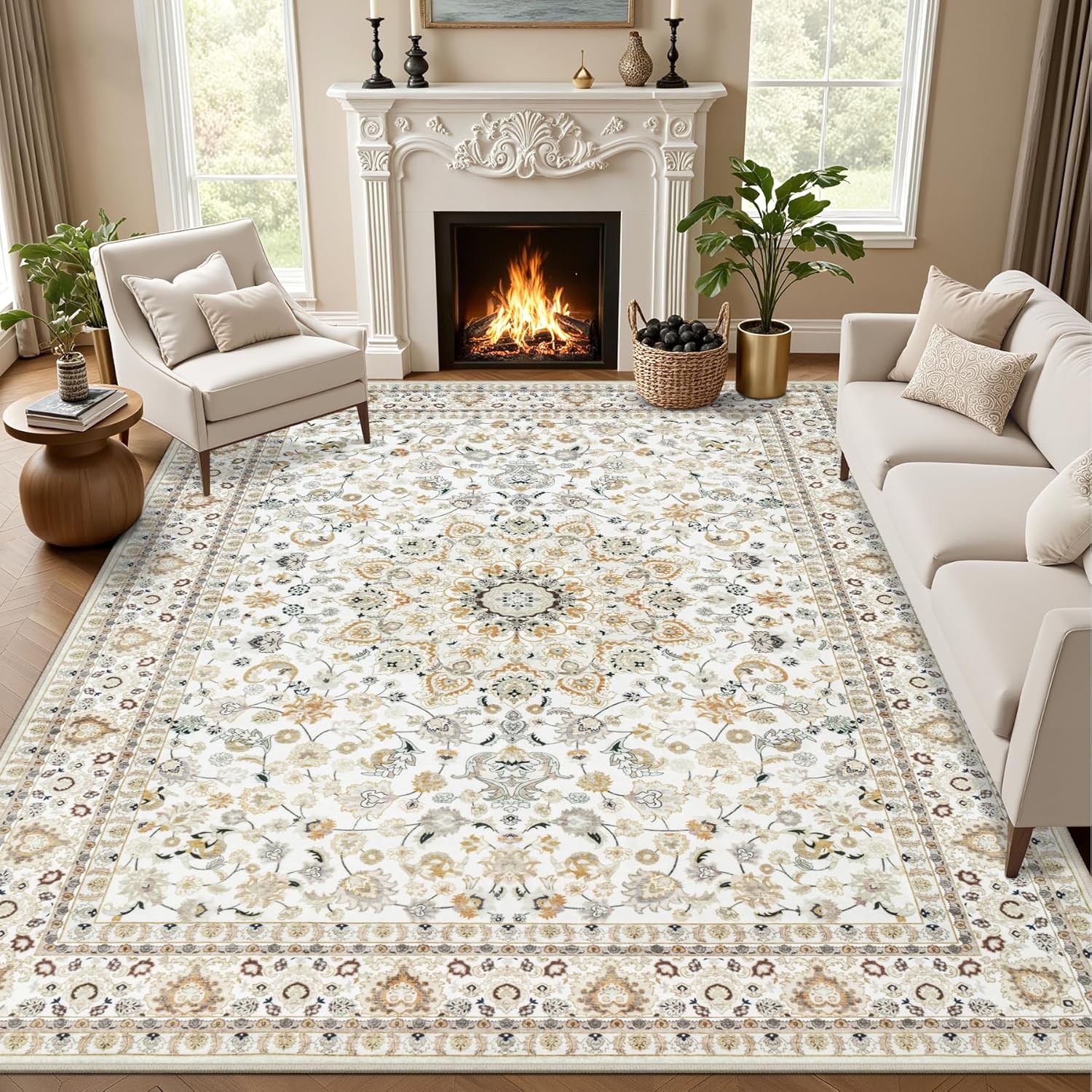
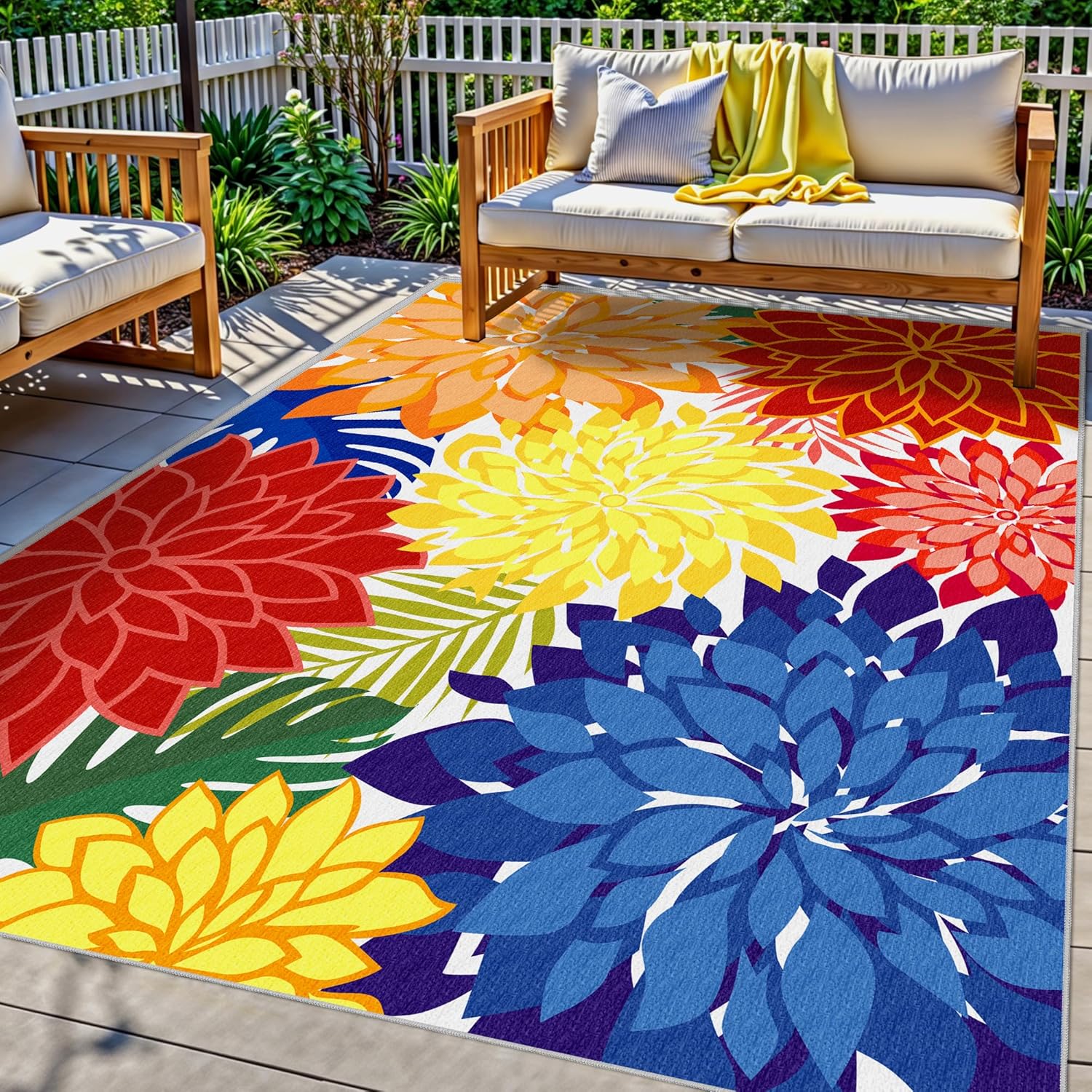
Shopping for 6x9 area rugs under 100 requires balancing aesthetics, material durability, and construction quality to find durable options that fit modest budgets. This price point opens up a wide selection of machine-woven, synthetic, and low-pile floor coverings capable of transforming living rooms, bedrooms, and home offices without requiring a major financial investment.
Understanding the 6x9 Area Rug Market and Budget Realities
Finding a quality area rug measuring six by nine feet for less than one hundred dollars involves navigating a marketplace saturated with synthetic fibers, machine-made construction methods, and direct-to-consumer online retail models. Historically, a rug of this physical scale—spanning fifty-four square feet of floor space—commanded much higher prices due to the sheer volume of material and labor required. However, advancements in automated power-looming technology and the widespread availability of synthetic materials like polypropylene, polyester, and recycled polyethylene terephthalate (PET) have drastically reduced production costs.
When shopping in this budget tier, setting realistic expectations is essential. You are unlikely to find hand-knotted wool, authentic vintage Persian antiques, or high-density natural silk blends under one hundred dollars. Instead, the market at this price point is dominated by machine-woven synthetic fibers. These materials offer distinct advantages, particularly for households with pets, children, or high foot traffic. Synthetics are inherently stain-resistant, easy to clean, and capable of mimicking the look of more expensive natural fibers at a fraction of the cost.
Understanding the limitations and benefits of budget-friendly floor coverings ensures that you select a product that meets your functional requirements. A low-cost rug does not automatically mean poor quality, provided you know which construction specs and material blends to look for and which ones to avoid. By focusing on how a rug is made and what fibers compose its pile, you can secure a piece that delivers both visual appeal and long-term durability.
Key Material Options for Budget-Friendly Area Rugs
The lifespan, texture, and maintenance requirements of any area rug are dictated primarily by its fiber composition. When shopping for 6x9 area rugs under 100, you will encounter several primary material types. Each comes with its own set of performance characteristics that influence where and how the rug should be used within your home.
Polypropylene (Olefin)
Polypropylene is the workhorse of the budget rug industry. It is exceptionally affordable to produce, colorfast, and naturally resistant to moisture, mold, and mildew. Because the color is added during the liquid polymer extrusion phase rather than dyed onto the finished yarn, polypropylene rugs resist fading even when placed in direct sunlight. This makes them an ideal choice for sunrooms, heavily windowed living rooms, and covered outdoor patios. However, polypropylene has a low melting point and can attract oil-based stains if not cleaned promptly.
Polyester
Polyester rugs offer vibrant color clarity and a luxuriously soft underfoot feel. Modern polyester manufacturing techniques allow producers to spin recycled plastics into ultra-fine yarns that mimic the plush texture of wool or high-end cotton. Polyester is exceptionally stain-resistant to water-based spills, making it a popular option for bedrooms and low-traffic sitting areas. On the downside, polyester is prone to crushing under heavy furniture legs and can develop static electricity in dry indoor environments.
Blends and Cotton-Synthetic Combinations
Some flatweave and dhurrie-style rugs in this price tier incorporate cotton or cotton-synthetic blends. These rugs are typically thinner, reversible, and lightweight. While they lack the plush cushioning of a thick pile rug, they excel in high-traffic hallways, dining rooms where chairs need to slide easily, and casual spaces like bohemian-inspired bedrooms. Cotton blends are generally machine-washable if sized correctly for a standard household washing machine, adding a layer of practical convenience.
Construction Methods: Power-Loomed vs. Tufted vs. Flatweave
Beyond fiber content, the method used to assemble the rug dictates its structural integrity and shedding potential. Understanding these techniques helps you evaluate product listings accurately.
- Power-Loomed: Manufactured on high-speed, computer-controlled mechanical looms. This is the most common method for 6x9 rugs under 100. Power-looming produces tight, uniform weaves with clean edges and consistent pile heights. These rugs are durable, shed very little, and offer great value.
- Tufted (Hand-Tufted): While hand-tufted rugs often feel plush, budget-friendly tufted options in this price range can suffer from shedding. The yarn loops are punched into a canvas backing with a handheld tool and secured with latex adhesive. Low-cost latex can break down over time, leading to a powdery residue beneath the rug and continuous fiber shedding.
- Flatweave (Dhurrie/Kilim): Made without a traditional pile by interlocking warp and weft threads on a loom. These rugs are thin, durable, and lack a plush backing. They are exceptionally easy to vacuum and clean, making them practical for busy households, though they require a rug pad to prevent slipping.
Comparing Budget Rug Materials and Construction
| Material / Construction | Average Price Range (6x9) | Best Room Applications | Maintenance Level | Durability Rating |
|---|---|---|---|---|
| Polypropylene Power-Loomed | $60 – $95 | Living rooms, sunrooms, playrooms | Low (vacuum and spot clean) | High |
| Polyester Shag or Plush | $70 – $100 | Bedrooms, low-traffic lounges | Medium (frequent vacuuming) | Moderate |
| Cotton-Synthetic Flatweave | $50 – $90 | Dining rooms, kitchens, entryways | Low (washable or shake out) | Moderate to High |
| Budget Hand-Tufted | $80 – $100 | Bedrooms, guest rooms | High (regular shedding expected) | Low to Moderate |
How to Choose the Right 6x9 Rug for Your Space
Selecting the correct rug size and placement is just as important as finding a good price. A 6x9 foot area rug occupies a specific footprint that suits medium-sized rooms or specific furniture layouts. Placing it incorrectly can make a room feel disjointed or cramped.
Living Room Layout Strategies
In a living room setting, a 6x9 rug is typically used to anchor a floating furniture arrangement. Rather than placing all furniture on top of the rug—which generally requires an 8x10 or larger size—aim to place just the front legs of your sofa and armchairs on the rug. This creates a cohesive conversation area without overwhelming the floor space. Alternatively, in a smaller apartment living room, place the rug entirely in front of the sofa with the coffee table resting centrally upon it.
Bedroom Placement Guidelines
For bedrooms, a 6x9 rug provides wonderful underfoot comfort when stepping out of bed. The most effective layout for this size in a queen or full-size bedroom is placing the rug horizontally underneath the lower two-thirds of the bed, leaving the nightstands off the rug. This frames the bed nicely and ensures your feet land on a soft surface every morning.
Dining Room and Kitchen Considerations
If you are placing a 6x9 rug under a dining table, ensure the table seats no more than four people. The rug must be large enough so that when chairs are pulled out for sitting down, the back legs of the chairs remain on the rug rather than catching on the edge. For kitchens, a flatweave 6x9 rug works well in galley layouts or galley-style kitchens, provided it is kept away from direct grease splatters unless easily washable.
Hidden Costs and Essential Accessories
When purchasing a 6x9 area rug under 100, buyers must factor in auxiliary costs to protect their flooring and ensure safety. The most critical accessory is a non-slip rug pad.
The Importance of Rug Pads
Budget-friendly synthetic and flatweave rugs lack the heavy backing required to stay firmly in place on hardwood, laminate, or tile floors. Without a rug pad, a 6x9 rug will slide, bunch up under foot traffic, and pose a tripping hazard. Furthermore, cheap rubber or latex backings found on some low-cost rugs can chemically react with polyurethane hardwood finishes, leaving permanent discoloration or sticky residue. Purchasing a separate, high-quality felt or rubber-grid rug pad prevents slipping, adds plushness to thin flatweaves, and protects your subfloor.
Shipping and Restocking Fees
Many online retailers offer low upfront prices on area rugs by rolling them tightly for shipping. When unrolled, these rugs often feature stubborn creases and curled corners. Factor in the time and potential effort required to flatten a budget rug. Additionally, always check the retailer's return policy; some companies charge steep return shipping fees for oversized items like 6x9 rugs, which can negate any savings if the color or texture does not match your expectations in person.
Maintenance, Cleaning, and Longevity Tips
Maximizing the lifespan of an affordable area rug requires proactive maintenance. Because synthetic fibers can hold onto dirt particles deep within the pile if neglected, adhering to a consistent cleaning routine is vital.
- Regular Vacuuming: Vacuum your rug at least once a week using a suction-only setting or a vacuum cleaner with the beater bar (roller brush) turned off. Rotating brush rolls can pull synthetic fibers, causing fraying and fuzzing over time.
- Immediate Spill Management: Blot liquid spills immediately with a clean, white, absorbent cloth or paper towel. Never rub the stain, as this pushes the liquid deeper into the rug fibers and backing. Use a mild solution of lukewarm water and a drop of clear dish soap for spot treatment, testing it on a hidden corner first.
- Professional Cleaning Alternatives: Because 6x9 rugs under 100 are inexpensive, professional steam cleaning often costs more than the rug itself. Instead, take flatweave or smaller synthetic rugs outdoors once a year, hang them over a sturdy railing, and beat them gently to dislodge trapped dirt and dust mites.
- Sun Rotation: Rotate your rug 180 degrees every six months to ensure even wear patterns and balanced exposure to natural sunlight, preventing uneven fading.
Frequently Asked Questions
Can I wash a 6x9 area rug in a standard home washing machine?
Most 6x9 rugs are too large and heavy for standard residential washing machines, and machine agitation can damage the backing or latex adhesive. Only specific lightweight, cotton-blend flatweave rugs explicitly labeled as "machine washable" should be laundered at home. Always check the manufacturer care label before attempting water immersion.
How do I get creases out of a rolled budget rug?
When a synthetic rug is tightly rolled for shipping, it develops creases. Lay the rug flat in a clean room and reverse-roll the stubborn creases in the opposite direction. Alternatively, placing heavy books or furniture on the corners for 24 to 48 hours helps relax the fibers. You can also use a garment steamer on a low setting, keeping it a few inches away from the fibers to avoid heat damage.
Are cheap synthetic rugs safe for indoor air quality?
Reputable manufacturers produce synthetic rugs that comply with standard chemical safety regulations, such as OEKO-TEX Standard 100 certification, which ensures textiles are tested for harmful substances. If you are sensitive to chemical odors, look for rugs labeled low-VOC and allow a new rug to air out in a well-ventilated room or covered outdoor space for 48 hours before placing it in a bedroom or nursery.
Do 6x9 rugs under 100 require a rug pad?
Yes. A rug pad is highly recommended for any area rug, especially budget-friendly models. Pads prevent the rug from sliding on hard flooring, reduce fiber wear by cushioning footsteps against the hard subfloor, and stop the rug from bunching up, which eliminates a common tripping hazard in high-traffic areas.
How can I make a thin budget rug feel more luxurious?
If you purchase an affordable flatweave or low-pile synthetic rug that feels too thin underfoot, pair it with a thick, premium felt-and-rubber rug pad. A quality quarter-inch or half-inch thick rug pad adds substantial cushioning, making even an inexpensive rug feel plush and high-end when walked on.
Conclusion and Final Buying Recommendation
Shopping for 6x9 area rugs under 100 is an effective way to refresh your home decor without straining your finances. By prioritizing durable synthetic fibers like polypropylene or polyester, selecting the correct weave for your room's traffic level, and budgeting for a supportive non-slip rug pad, you can secure an attractive and functional floor covering. Focus on verified product specifications, measure your space carefully before purchasing, and maintain the rug with regular vacuuming to ensure your investment looks great for years to come.