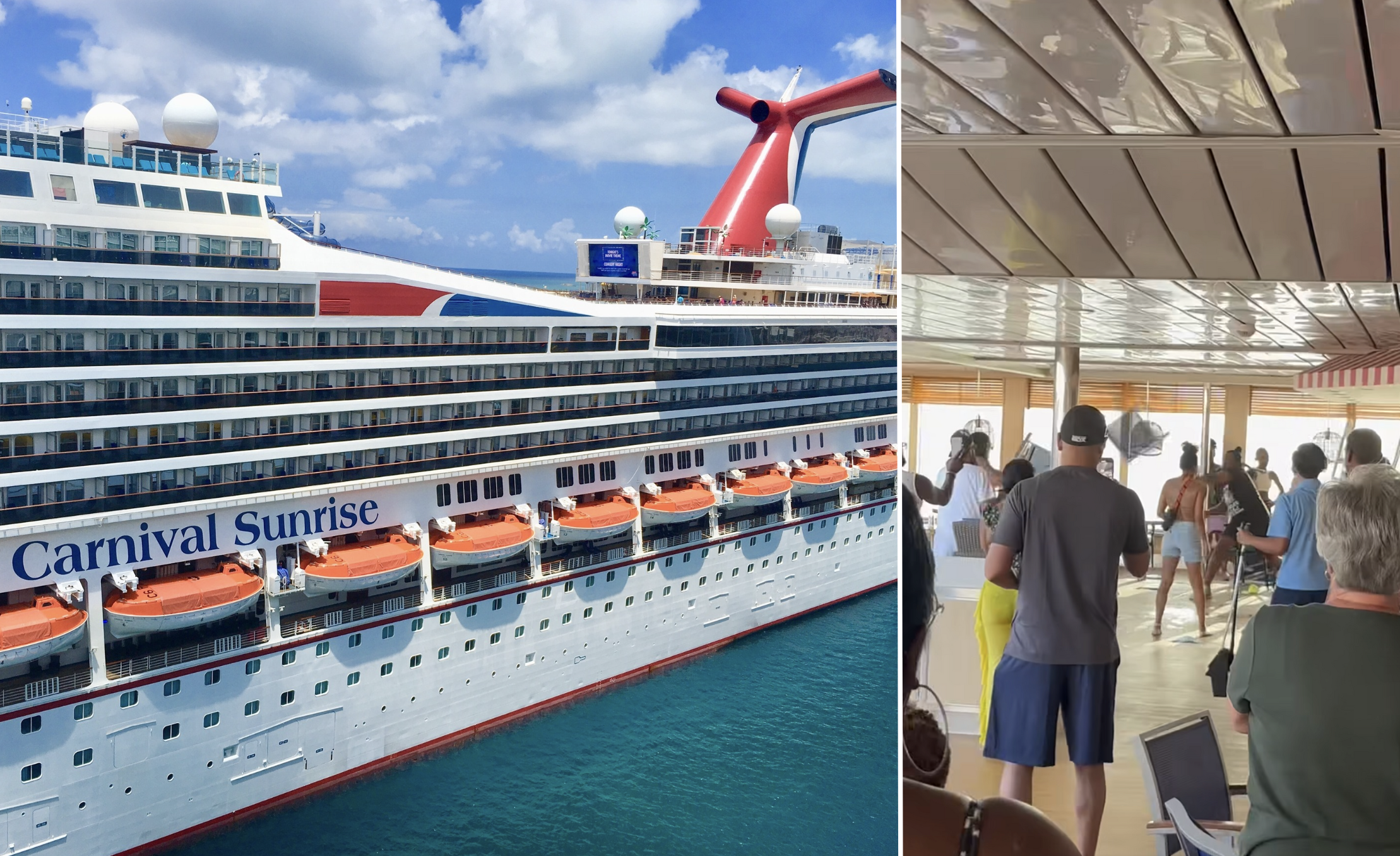
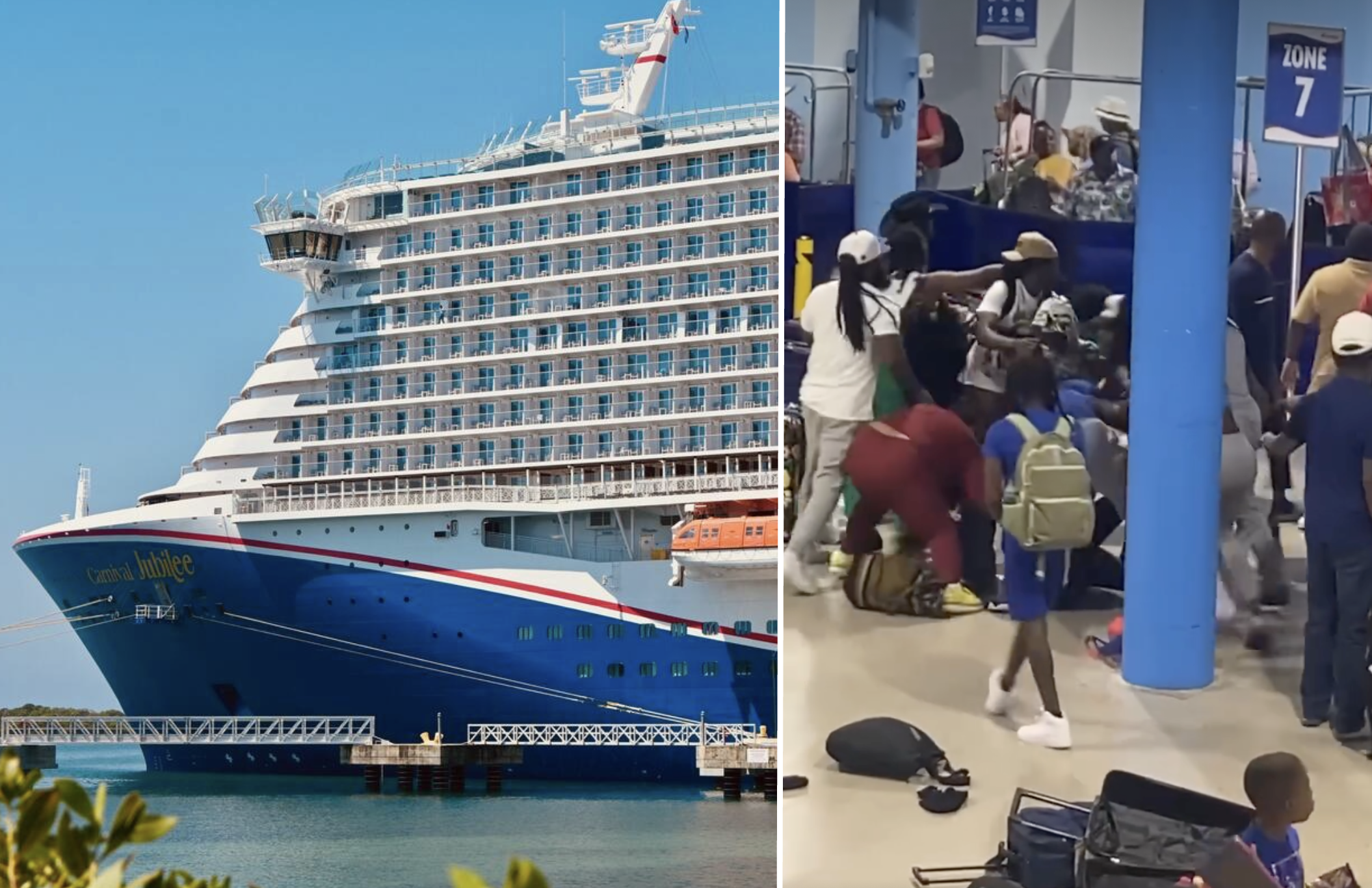
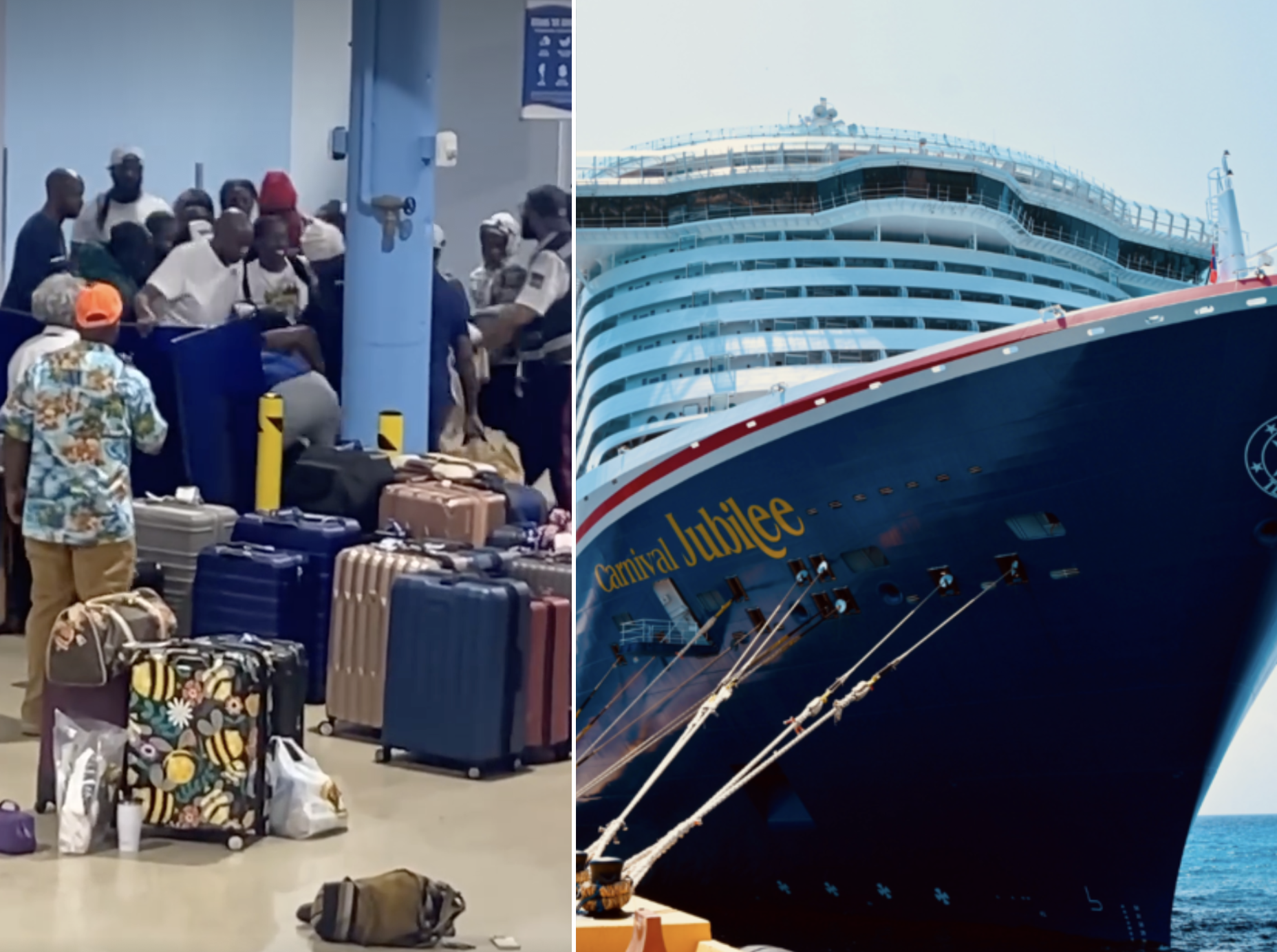
The 60-person cruise ship brawl refers to a massive physical altercation that occurred on the Carnival Magic on June 28, 2022, while the vessel was returning to New York City. The conflict, which reportedly started in the ship's nightclub over allegations of infidelity, led to increased security protocols and stricter passenger codes of conduct across the cruise industry.
The Chronology of the Carnival Magic Incident
The incident involving nearly 60 passengers remains one of the largest recorded physical altercations in modern cruise history. To understand the gravity of the event, one must examine the specific timeline and the environment in which the conflict occurred. The Carnival Magic was concluding an eight-day voyage through the Eastern Caribbean and was positioned near the Verrazzano-Narrows Bridge, approaching its homeport in Manhattan, when the chaos erupted.
The fight broke out around 5:20 AM in the ship’s fifth-floor nightclub and lounge area. What began as a verbal disagreement between two individuals quickly escalated as friends, family members, and bystanders became entangled in the fray. According to eyewitness accounts and social media footage captured by other passengers, the confined space of the nightclub exacerbated the situation, leading to a sprawling melee that moved from the dance floor into adjacent hallways.
Shipboard security, though trained for conflict de-escalation, found themselves outnumbered by the sheer volume of participants. The crew eventually managed to contain the situation, but not before the New York Police Department (NYPD) and the U.S. Coast Guard were notified. Because the ship was in international waters when the fight started but was entering U.S. territorial waters as it concluded, jurisdictional complexities immediately became a focal point of the subsequent investigation.
The Catalyst: Infidelity and High-Seas Tensions
While the cruise line officially labeled the event as a "disagreement between guests," subsequent reporting and passenger testimonials highlighted a specific cause: an alleged domestic dispute involving a "threesome" and claims of infidelity. In the high-pressure environment of a late-night club where alcohol consumption is often high, these personal grievances reached a boiling point.
This incident highlighted a recurring challenge for the cruise industry: the "vacation brain" phenomenon. Passengers often view cruise ships as lawless zones where the standard rules of social conduct are suspended. However, as the 60 participants learned, the reality is quite the opposite. The proximity of thousands of people in a floating city means that minor sparks can lead to massive conflagrations, requiring cruise lines to maintain a delicate balance between a festive atmosphere and a secure environment.
Security Response and Maritime Jurisdictional Realities
The response to the 60-person brawl was not limited to the security guards on the ship. Because the vessel was nearing New York, the legal response involved multiple agencies. This event serves as a primary case study for how maritime law handles shipboard violence.
The Role of Shipboard Security
Cruise ship security teams are typically comprised of former military or law enforcement personnel. Their primary objective is to protect the safety of the vessel and its passengers without escalating the situation. In the 2022 brawl, security utilized "passive restraint" and attempted to cordon off the involved parties. However, the scale of this specific event forced a re-evaluation of security staffing ratios, a change that has become standard by 2026.
Federal and Local Intervention
When a ship is in international waters, the "Flag State" (the country where the ship is registered, such as Panama or the Bahamas) theoretically holds jurisdiction. However, under the Cruise Vessel Security and Safety Act (CVSSA), the FBI has the authority to investigate crimes involving U.S. nationals in international waters if the ship departs from or arrives at a U.S. port. In the case of the Carnival Magic, the NYPD met the ship at the pier to ensure an orderly disembarkation and to interview witnesses, though no immediate arrests were made at the dock due to the complexities of establishing specific criminal acts within a 60-person crowd.
Evolution of the Guest Code of Conduct
In the wake of the 2022 brawl and several other highly publicized incidents that year, the cruise industry—led by Carnival Cruise Line—implemented significant changes to passenger policies. By 2026, these policies have matured into a rigorous framework that all passengers must agree to before boarding.
The most notable development was the introduction of a formal "Guest Code of Conduct" that explicitly outlines the consequences of disruptive behavior. Prior to these changes, many cruise lines relied on general "terms and conditions." The new standards are much more specific:
- Financial Penalties: Fines of up to $500 per person for disruptive behavior.
- Reimbursement of Costs: Requirements for passengers to pay for the costs of security intervention or unscheduled port stops.
- Lifetime Bans: The immediate and permanent blacklisting of individuals involved in physical violence.
- Curfews and Alcohol Limits: Stricter enforcement of "cut-off" times for alcohol service and, in some cases, the implementation of youth curfews in public areas after midnight.
Comparison of Security and Conduct Policies (2026 Standards)
The following table compares the current security and behavioral policies of major cruise lines as of 2026, reflecting the industry-wide shift toward stricter enforcement following the 2022 incidents.
| Feature | Carnival Cruise Line | Royal Caribbean | Norwegian Cruise Line |
|---|---|---|---|
| Disruptive Behavior Fine | $500 minimum | Varies by incident | Up to $1,000 |
| Lifetime Ban Policy | Strictly Enforced | Strictly Enforced | Case-by-Case Basis |
| Nightclub Security | Body-worn cameras standard | Enhanced patrol presence | Targeted surveillance |
| Jurisdictional Liaison | FBI/Flag State | FBI/Flag State | FBI/Local Port Authorities |
| Alcohol Monitoring | Digital tracking of intake | Server-led intervention | "Cut-off" notifications |
Legal and Civil Consequences for Participants
Participants in a cruise ship brawl face a multi-tiered gauntlet of consequences. While the immediate fight may end in minutes, the legal and financial ramifications can last for years.
Criminal Charges
Under the CVSSA, physical assaults are reportable offenses. If the FBI determines that a serious crime occurred, participants can be charged under the Special Maritime and Territorial Jurisdiction of the United States. This can lead to federal prison time, particularly if weapons (including improvised weapons like glass or furniture) were used.
Civil Liability
Passengers who are injured or whose property is damaged during a brawl often file civil lawsuits. In many cases, the cruise line may also sue the instigators to recover the costs of diverted ships, medical treatment for crew members, and damage to the vessel.
The "Blacklist"
The most immediate consequence for the 60 people involved in the Carnival Magic fight was the lifetime ban. Cruise lines share "do not sail" lists. By 2026, biometric check-ins and advanced manifest screening make it nearly impossible for a banned individual to board a sister brand or, in some cases, even a competitor's vessel.
Preventive Measures: How to Stay Safe on a Cruise
For the average traveler, the thought of a 60-person brawl is alarming. However, cruise ships remain statistically safer than many land-based vacation spots. To ensure a safe experience, travelers should adhere to several "best practices" that have been emphasized by safety experts in the 2026 travel landscape.
- De-escalation is Key: If you witness a verbal argument in a crowded venue like a nightclub or pool deck, the best course of action is to leave the area immediately.
- Report Early Signs of Trouble: Security teams prefer to handle a loud, aggressive individual before a fight breaks out. Notifying a crew member about aggressive behavior can prevent a larger incident.
- Know the "Quiet Zones": Familiarize yourself with the ship’s layout. If a venue becomes overly crowded or tense, knowing where the nearest exit or quieter lounge is located can be vital.
- Understand Your Rights: Review the Federal Maritime Commission guidelines on passenger protections and the cruise line's specific contract of carriage before you sail.
Frequently Asked Questions
Can you be arrested on a cruise ship?
Yes. While cruise ships do not have a "jail" in the traditional sense, they are equipped with a brig (a secure room used for detention). If a passenger commits a crime or poses a danger to themselves or others, security can detain them in the brig until the ship reaches a port where they are handed over to local or federal authorities.
What happens to your luggage if you are kicked off a cruise?
If a passenger is removed from a ship (disembarked) for violating the code of conduct, their luggage is typically offloaded with them. However, the passenger is responsible for all costs associated with their transportation home and any fees related to the offloading process. The cruise line is not obligated to provide a refund for the remaining days of the voyage.
Does travel insurance cover incidents involving fights?
Generally, no. Most travel insurance policies have "illegal act" or "intentional act" exclusions. If you are injured because you participated in a brawl, your medical claims and trip interruption claims will likely be denied. However, if you are an innocent bystander injured by others, you may be covered, depending on the specific terms of your policy.
How has cruise ship security changed since 2022?
Since the 2022 Carnival Magic incident, security has become more visible. Many lines now employ body-worn cameras for security officers to provide objective evidence of incidents. Additionally, there is more rigorous monitoring of "high-risk" areas like nightclubs during late-night hours and a lower threshold for security intervention.
Can a cruise line sue a passenger for a brawl?
Yes. Cruise lines have the legal right to seek restitution for damages. This includes physical damage to the ship, the cost of medical care for injured crew members, and even the "reputational damage" caused by the incident. Most Guest Codes of Conduct, updated for 2026, include clauses where passengers agree to indemnify the cruise line for such costs.
Final Recommendations for Travelers
The 60-person cruise ship brawl on the Carnival Magic was a landmark event that forced the cruise industry to modernize its approach to passenger management. For those planning a cruise in 2026, it is essential to recognize that "zero tolerance" is no longer a suggestion but a strictly enforced operational reality.
Before booking, travelers should read the specific Guest Code of Conduct for their chosen line. Understanding the rules not only protects you from potential fines and bans but also ensures a safer environment for everyone on board. If you find yourself in a situation where tensions are rising, prioritize your safety by removing yourself from the area and allowing professional security teams to handle the conflict.