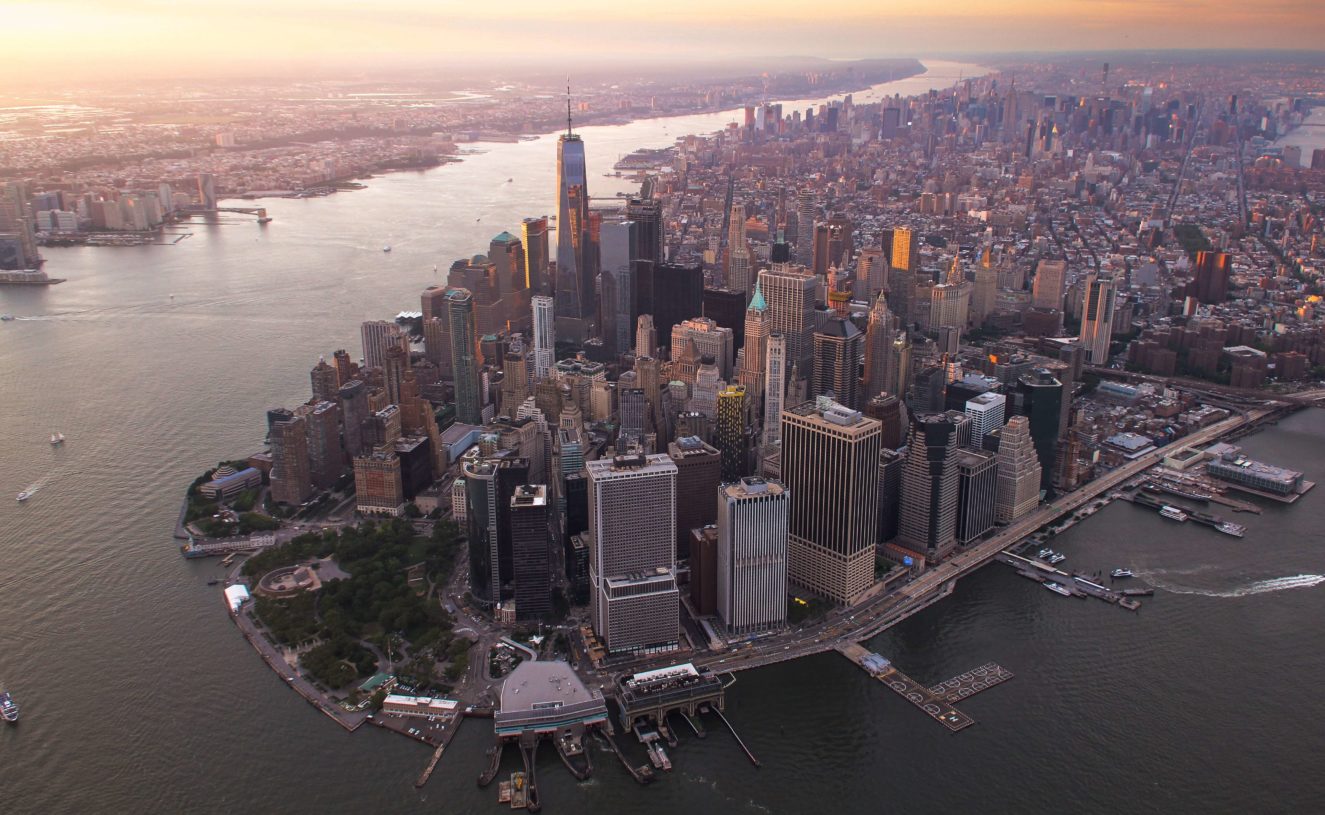
Zip code 10036 encompasses a vibrant, fast-paced, and globally recognized segment of Midtown Manhattan in New York City, stretching primarily from 40th Street to 57th Street between the Avenue of the Americas (Sixth Avenue) and the Hudson River. Known worldwide as the home of Times Square and the Theater District, this dense urban corridor serves as a major nexus for commercial activity, tourism, transit, and cultural production.
Introduction to the 10036 Postal Zone
Understanding Manhattan's postal geography requires recognizing that zip codes represent tightly packed slices of urban infrastructure rather than conventional neighborhood boundaries. Zip code 10036 is synonymous with the pulsing core of New York City's entertainment and business sectors. While many associate the area exclusively with flashing billboards and crowded sidewalks, the district also houses essential residential enclaves, historic architecture, major corporate headquarters, and high-capacity transportation hubs.
Navigating or evaluating this specific zone requires a close look at its multifaceted character. From the economic engine of commercial real estate to the rigorous demands of municipal transit and urban planning, 10036 stands out as one of the most densely populated and intensely visited patches of land in the United States. Below is a detailed examination of five key facts that define the structure, history, and daily operations of Manhattan's 10036 zip code.
1. The Epicenter of Global Entertainment: Times Square and Broadway
The most visible defining characteristic of zip code 10036 is its status as the world capital of commercial theater and mass entertainment. Anchored by Times Square—often referred to as "The Crossroads of the World"—this area draws tens of millions of visitors annually. The intersection of Broadway and Seventh Avenue forms the spatial heart of the Theater District, which features dozens of historic, active playhouses hosting world-class dramatic and musical productions.
The Historic Roots of the Great White Way
The theatrical density of 10036 dates back to the late 19th and early 20th centuries, when theaters gradually migrated uptown from Union Square and Madison Square. The introduction of massive electric advertising signs in the early 1900s earned the stretch of Broadway running through this zip code the enduring moniker "The Great White Way." Today, the zone is bound by strict zoning regulations that actually require commercial tenants and property owners to maintain illuminated displays, creating the signature glowing skyline that defines contemporary pop-culture imagery of New York City.
Economic and Cultural Impact
Beyond tourism, the entertainment sector within 10036 generates billions of dollars in economic activity annually. The coordination required to manage massive crowds, road closures for events like New Year's Eve, and daily pedestrian flow involves intensive collaboration between the New York City Police Department (NYPD), the Department of Transportation (DOT), and local business improvement districts such as the Times Square Alliance.
2. A Massive Commercial and Corporate Hub
While leisure travelers and theatergoers dominate street-level impressions, zip code 10036 is simultaneously a heavyweight commercial district. Skyscraper canyons along Sixth Avenue and Eighth Avenue house the headquarters and regional offices of major media conglomerates, financial institutions, publishing houses, and legal firms.
Architectural Landmarks and Office Infrastructure
The zone features a mix of mid-century corporate towers and modern, sustainable high-rises. Notable structures within or immediately bordering the 10036 footprint include portions of Rockefeller Center's western expansion, major media offices, and prominent skyscrapers designed by renowned architects. These buildings accommodate hundreds of thousands of daily office commuters, driving a predictable, high-tempo rhythm of morning arrivals, midday business lunches, and evening departures.
Commercial Real Estate Dynamics
Leasing trends in 10036 often serve as a bellwether for broader Manhattan commercial real estate markets. The area commands premium rental rates due to its unmatched transit accessibility and central location. Property owners continually invest in capital improvements—such as upgraded HVAC filtration systems, high-speed fiber-optic infrastructure, and flexible co-working layouts—to attract modern corporate tenants seeking hybrid-work-friendly environments.
3. Unrivaled Transit Connectivity via Port Authority and Subway Lines
Infrastructure is the invisible skeleton that keeps 10036 functional. This zip code boasts some of the highest transit density in the Western Hemisphere, making it a critical choke point and distribution center for regional commuters.
The Port Authority Bus Terminal
Located at 8th Avenue and 42nd Street, the Port Authority Bus Terminal (PABT) is the largest bus facility in the world. Operated by the Port Authority of New York and New Jersey, it handles hundreds of thousands of interstate bus passengers daily, connecting Manhattan to New Jersey and points beyond. The terminal functions as an intermodal facility, integrating commuter bus lines with subterranean access to the New York City Subway network.
Subway Confluence and Pedestrian Networks
The 10036 zip code is serviced by multiple major subway stations, including:
- Times Square–42nd Street / Port Authority Bus Terminal station complex: One of the busiest transit hubs in the global subway system, serving the A, C, E, 1, 2, 3, 7, and N, Q, R, W lines, along with the 42nd Street Shuttle (S).
- 47th–50th Streets–Rockefeller Center station: Serving the B, D, F, and M trains along Sixth Avenue.
- 50th Street stations: Providing local service along both the Eighth Avenue and Broadway lines.
This complex web of below-ground connections allows millions of people to traverse the district daily without relying on surface vehicular traffic, though pedestrian congestion on platforms and mezzanines remains a constant operational challenge for the Metropolitan Transportation Authority (MTA).
4. Residential Demographics and Urban Living Realities
Despite its commercial and tourist-heavy reputation, zip code 10036 is home to a permanent residential population. Living in this zone offers extreme convenience paired with the unique challenges of intense urban density, noise, and high housing costs.
Housing Stock and Neighborhood Composition
Residential options within 10036 span several distinct property types:
- Pre-War Walk-Ups: Older apartment buildings, often located on side streets (such as 43rd through 56th Streets), featuring classic architectural details but limited modern amenities.
- Mid-Rise and High-Rise Co-ops and Condos: Buildings offering doorman services, elevators, and modern interiors.
- Luxury Mixed-Use Towers: Newer developments that combine residential units with high-end retail, hotel services, and private outdoor amenity decks.
Cost of Living and Lifestyle Considerations
Housing in 10036 commands well above the national median, reflecting its premier Midtown location. Residents trade suburban space and quiet environments for immediate walking access to public transit, world-class dining, cultural institutions, and employment centers. Grocery shopping, dry cleaning, and healthcare services are densely clustered, though residents must routinely navigate sidewalk congestion, street noise, and the perpetual motion of city life.
5. Public Safety, Sanitation, and Municipal Management
Managing an area that accommodates hundreds of thousands of transient visitors alongside permanent residents requires sophisticated municipal oversight. The 10036 zip code is one of the most heavily policed, cleaned, and regulated zones in New York City.
Policing and Emergency Services
The area falls primarily under the jurisdiction of the NYPD’s Midtown North and Midtown South precincts. Due to the high concentration of high-profile locations, international tourists, and potential security targets, the district maintains a visible law enforcement presence, supplemented by private security details managed by commercial real estate firms and theater operators. Emergency medical services (EMS) and Fire Department of New York (FDNY) units are strategically positioned to handle rapid response times despite heavy surface traffic.
Sanitation and Environmental Maintenance
With millions of wrappers, cups, and food containers discarded daily, waste management is a monumental logistical task. The New York City Department of Sanitation (DSNY) operates frequent collection schedules throughout 10036. This is reinforced by the Times Square Alliance’s sanitation crews, who sweep sidewalks, empty public receptacles, and maintain public plazas around the clock to preserve the district's visual appeal for visitors and investors.
Comparative Overview of Midtown Manhattan Zones
To better understand how zip code 10036 fits into the broader fabric of Midtown Manhattan, examine the following comparison with adjacent commercial and residential zones.
| Zip Code / Zone | Primary Characteristics | Dominant Land Use | Key Transit Infrastructure |
|---|---|---|---|
| 10036 (Times Square / Theater District) | Entertainment, tourism, high commercial density, transit hub. | Commercial, Entertainment, Residential | Port Authority Bus Terminal, Times Square-42 St Subway Complex |
| 10019 (Midtown West / Hell's Kitchen) | Residential pockets, automotive corridors, Hudson River waterfront access. | Residential, Commercial, Mixed-Use | 50th St Stations (IND/BMT), West Side Highway |
| 10017 (Midtown East / Grand Central) | Corporate offices, diplomatic missions, financial institutions. | Commercial Office, Transportation | Grand Central Terminal, Lexington Ave Subway Lines |
| 10022 (East Midtown / Sutton Place) | Upscale residential towers, high-end retail, diplomatic consulates. | Residential, Luxury Retail | Queensboro Bridge approach, E. 53rd St Subway Stations |
Frequently Asked Questions
What exact boundaries does zip code 10036 cover?
Zip code 10036 is located in Midtown Manhattan, generally bounded by 40th Street to the south, 57th Street to the north, the Avenue of the Americas (Sixth Avenue) to the east, and the Hudson River to the west. It includes Times Square, the Theater District, and portions of Hell's Kitchen.
Is 10036 considered a safe area to live and visit?
Yes, like most of Midtown Manhattan, 10036 is heavily policed and maintains low rates of violent crime relative to its massive foot traffic. However, because of the high concentration of tourists and crowds, petty property crimes like pickpocketing and purse snatching do occur, requiring standard urban situational awareness.
How does public transit function within this zip code?
The area is one of the most connected transit zones in the world. It houses the Port Authority Bus Terminal and the massive Times Square–42nd Street subway complex, providing direct access to nearly a dozen subway lines and regional bus networks.
Are there quiet residential pockets within 10036?
While the main commercial corridors like Broadway, Eighth Avenue, and 42nd Street are loud and busy 24/7, the side streets between Ninth and Eleventh Avenues (closer to the Hudson River) feature quieter residential blocks, local neighborhood restaurants, and community parks.
Why is zip code 10036 so expensive for real estate?
Real estate prices and rental rates remain exceptionally high due to the district's central location, immediate proximity to major corporate headquarters, unmatched public transit access, and global prestige associated with the Times Square and Broadway brand.
Practical Next Actions for Visitors and Researchers
If you are planning a visit, conducting business research, or considering a move to Manhattan's 10036 zip code, take these practical steps to prepare:
- For Visitors: Map out your transit routes in advance using the MTA app, and purchase Broadway tickets directly through official box offices or verified vendors to avoid inflated reseller markups.
- For Professionals and Researchers: Consult official municipal reports from the New York City Department of City Planning and the Times Square Alliance for granular demographic, economic, and real estate analytics specific to the Midtown district.
- For Prospective Residents: Work with a licensed local real estate broker who specializes in Midtown West to evaluate noise levels, building management reputations, and lease terms before committing to an apartment.