Database applications are specialized software programs designed to interact with a database management system (DBMS) to capture, store, search, and process data. By providing a user-friendly interface to complex underlying data structures, these applications enable organizations to manage massive datasets for e-commerce, financial transactions, healthcare records, and personalized content delivery.
In 2026, the boundary between simple data storage and intelligent processing has blurred. Modern database applications no longer just "hold" data; they actively analyze it in real-time to drive business logic. Whether you are an architect designing a new system or a stakeholder evaluating digital transformation, understanding these five core examples provides a blueprint for how data drives modern industry.
1. E-Commerce and Retail Inventory Management
E-commerce platforms are perhaps the most ubiquitous examples of database applications. These systems must manage high-velocity data including product catalogs, customer profiles, order histories, and real-time inventory levels. As of 2026, the architecture of these applications has shifted heavily toward a polyglot persistence model, where different types of data are stored in the database most suited for them.
Transactional Integrity and Order Processing
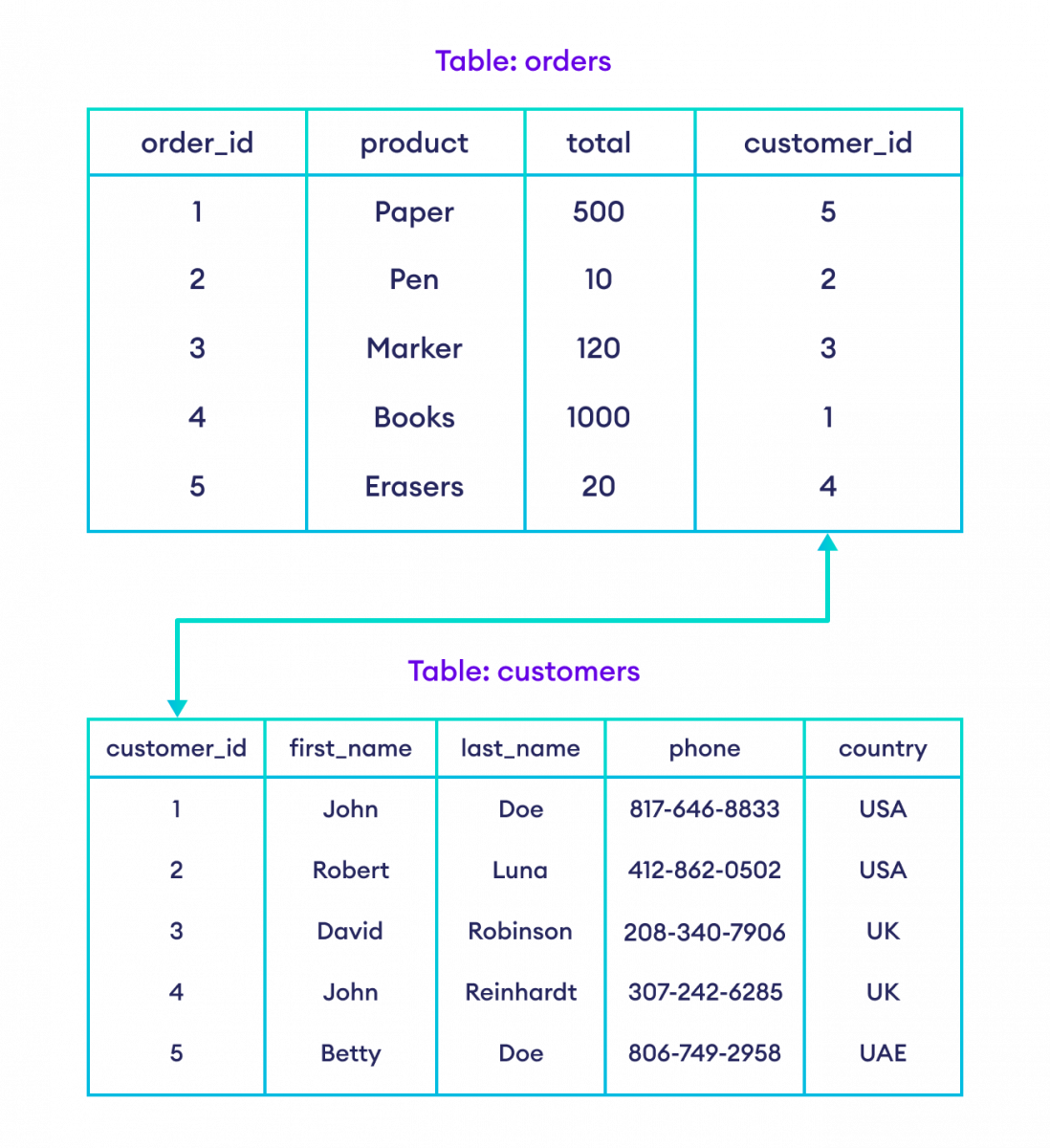
The heart of an e-commerce application is the transaction engine. When a customer places an order, the application must ensure ACID (Atomicity, Consistency, Isolation, Durability) compliance. This means that if a customer buys the last item in stock, the inventory must decrement exactly once, the payment must be recorded, and the shipping manifest must be generated simultaneously. Relational Database Management Systems (RDBMS) like PostgreSQL or Oracle are typically used for this purpose to prevent data corruption and "double-sell" scenarios.
Product Catalogs and Searchability
While orders require strict consistency, product catalogs often benefit from the flexibility of NoSQL databases. Modern e-commerce applications use Document Stores (like MongoDB) or Search Engines (like Elasticsearch) to allow users to filter thousands of products by attributes like color, size, and price without the rigid schema constraints of traditional SQL. This allows retailers to add new product categories instantly without migrating entire database schemas.
Real-Time Personalization
By 2026, e-commerce applications have integrated vector databases to power recommendation engines. By storing customer behavior as high-dimensional vectors, the application can suggest products based on visual similarity or browsing patterns in milliseconds, moving beyond simple "customers who bought this also bought that" logic.
2. Financial Services and Core Banking Systems
Banking applications represent the pinnacle of database security and reliability. These systems manage millions of transactions daily, requiring near-zero downtime and absolute data precision. The primary goal of a financial database application is to maintain a ledger that serves as the "single source of truth" for all monetary movements.
Distributed SQL for Global Banking
In previous decades, banks relied on massive, centralized mainframes. In 2026, many have migrated to Distributed SQL architectures (such as CockroachDB or Google Spanner). These database applications allow data to be spread across multiple geographic regions to comply with data sovereignty laws (like GDPR or CCPA) while maintaining a single, consistent logical database. This ensures that if a data center in London goes offline, a transaction in New York is still processed correctly.
Fraud Detection and Graph Databases
Banking applications now frequently employ Graph Databases (like Neo4j) to detect sophisticated money laundering schemes. By representing accounts as nodes and transactions as edges, the application can run complex queries to identify "cycles" or "chains" that indicate fraudulent activity. This is a task that would be computationally prohibitive for a standard relational database.
Audit Trails and Immutable Ledgers
Regulatory compliance requires that every change to a financial record be logged and immutable. Database applications in this sector use transaction logs and sometimes blockchain-inspired ledgers to create a permanent history. This ensures that auditors can verify the state of any account at any point in history, providing the transparency required by modern financial regulations.
3. Electronic Health Records (EHR) and Healthcare Systems
Healthcare database applications manage some of the most sensitive data in existence. These systems, known as Electronic Health Records (EHR) or Electronic Medical Records (EMR), are designed to consolidate patient history, diagnostic images, prescriptions, and lab results into a single accessible portal for providers.
Interoperability and Data Standards
A major challenge for healthcare applications is interoperability. In 2026, most database applications in this niche adhere to the HL7 FHIR (Fast Healthcare Interoperability Resources) standard. This allows different hospitals—using different software—to exchange patient data seamlessly. The application acts as a translator, ensuring that a blood pressure reading taken in an urgent care clinic is correctly mapped to the patient's record in a specialist’s database.
Security and HIPAA Compliance
In the United States, healthcare applications must strictly adhere to the Health Insurance Portability and Accountability Act (HIPAA). This necessitates advanced database application features:
- Encryption at Rest and in Transit: Ensuring data is unreadable if intercepted or stolen.
- Role-Based Access Control (RBAC): Restricting data access so that a billing clerk cannot see a patient's psychiatric notes.
- Detailed Access Logs: Recording every time a record is viewed, modified, or deleted.
Big Data in Genomics
Modern healthcare applications also handle genomic data, which is massive in scale. These applications often use specialized columnar storage to analyze DNA sequences alongside clinical outcomes, enabling "precision medicine" where treatments are tailored to an individual’s genetic makeup.
4. Customer Relationship Management (CRM) Platforms
CRM applications, such as Salesforce or HubSpot, are specialized databases that manage a company's interactions with current and potential customers. They act as a central hub for sales, marketing, and customer support departments.
Multi-Tenancy Architecture
Most modern CRMs are SaaS (Software as a Service) applications using a multi-tenant architecture. In this setup, a single database instance serves multiple organizations (tenants). The database application is responsible for ensuring that Company A's sales data is strictly isolated from Company B's data, even though they might reside on the same physical server. This is achieved through complex metadata layers and unique tenant identifiers in every query.
Data Aggregation and Analytics
CRMs aggregate data from various sources: emails, phone calls, social media interactions, and website visits. The database application must normalize this unstructured data into a structured format for reporting. In 2026, these applications use automated data cleansing tools to merge duplicate records and verify contact information, ensuring that sales teams are working with high-quality leads.
Workflow Automation
Modern CRMs are more than just address books; they are automation engines. The application monitors database triggers—for example, when a "Lead" status changes to "Opportunity," the application may automatically trigger a task for a sales representative or send a follow-up email. This requires a highly responsive database layer capable of handling thousands of background processes simultaneously.
5. Media Streaming and Content Delivery Networks (CDNs)
Streaming services like Netflix, Disney+, and Spotify are massive database applications that handle content metadata and user preferences for hundreds of millions of users. These applications face unique challenges regarding latency and global scale.
High-Availability and Low Latency
When a user clicks "Play," the application must retrieve the video file, check the user's subscription status, and load subtitles in milliseconds. To achieve this, streaming database applications use heavily cached environments. Tools like Redis or Memcached are used to keep frequently accessed data in the server's RAM, bypassing slower disk storage entirely.
Managing Metadata at Scale
While the video files themselves are stored in object storage (like Amazon S3), the metadata—actors, genres, release dates, and thumbnail URLs—is stored in highly scalable NoSQL databases like Apache Cassandra. These databases are designed to handle massive write volumes, which is essential for tracking user "watch history" in real-time across the globe.
Recommendation Engines and Session State
Streaming applications must track "session state"—where you paused a movie on your phone so you can resume it on your TV. This requires a database application that can sync small bits of data across devices instantly. By 2026, these systems have mastered the art of "eventual consistency," ensuring that your progress is saved without slowing down the user experience.
Technical Comparison of Database Application Types
The following table compares the primary technical requirements for the five application examples discussed above.
| Application Type | Primary Database Pattern | Priority Metric | Common Technologies |
|---|---|---|---|
| E-Commerce | Hybrid (SQL + NoSQL) | Consistency & Search | PostgreSQL, MongoDB, Elasticsearch |
| Banking | Distributed SQL | Data Integrity (ACID) | CockroachDB, Oracle, SQL Server |
| Healthcare | Relational / Document | Security & Compliance | Microsoft Azure SQL, HL7 FHIR APIs |
| CRM | Multi-tenant Relational | Flexibility & Integration | Salesforce (Oracle-based), HubSpot |
| Streaming | Key-Value / Columnar | Latency & Scalability | Redis, Cassandra, DynamoDB |
Core Components of a Database Application
To understand how these examples function, it is helpful to look at the three-tier architecture that defines almost all modern database applications:
- Presentation Tier (The Interface): This is what the user sees—the website or mobile app. It sends requests to the application tier.
- Application Tier (The Logic): This is where the business rules live. If a bank customer tries to withdraw more money than they have, the application tier identifies the error before it ever reaches the database.
- Data Tier (The Database): This consists of the DBMS and the actual data files. It executes the queries sent by the application tier and returns the results.
In 2026, we also see the rise of the AI Tier, where machine learning models sit between the application and data tiers to provide real-time insights, such as predicting which customer is likely to cancel their subscription based on recent database entries.
Choosing the Right Database for Your Application
Selecting the correct database is the most critical decision in application development. Making the wrong choice can lead to "technical debt," where the cost of fixing the system outweighs the cost of building it.
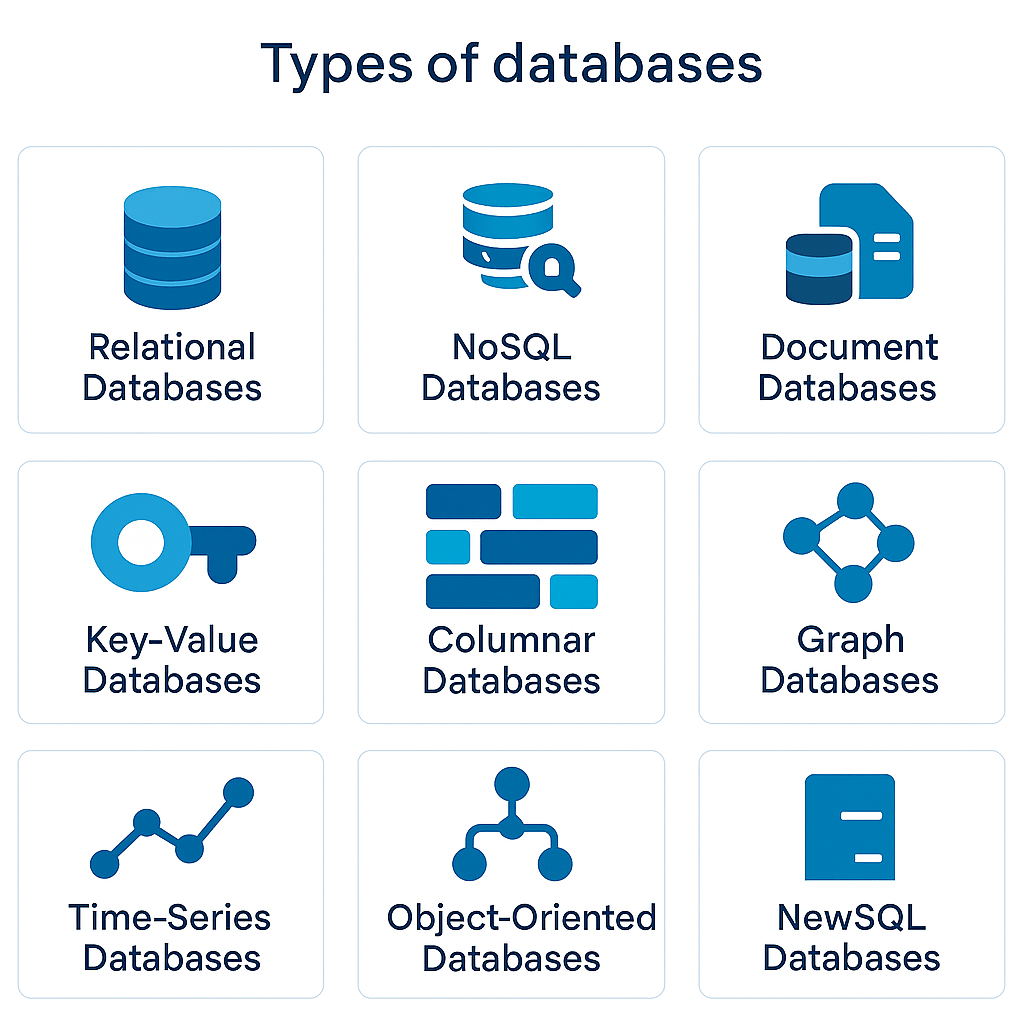
- Choose Relational (SQL) if your data is highly structured and you cannot afford a single lost transaction. This is the gold standard for finance and core business operations.
- Choose Non-Relational (NoSQL) if your data is unstructured, changes frequently, or needs to scale horizontally across hundreds of servers. This is ideal for social media, real-time analytics, and content management.
- Choose NewSQL if you need the ACID guarantees of a relational database but the massive scalability of NoSQL. This is the emerging choice for global SaaS platforms in 2026.
Frequently Asked Questions
What is the difference between a database and a database application?
A database is a structured collection of data stored on a computer system, while a database application is the software that allows users to interact with that data. Think of the database as a filing cabinet and the database application as the office clerk who knows how to find, add, or update the files for you.
Why do some applications use multiple types of databases?
This is known as polyglot persistence. One database might be excellent at handling fast-moving social media feeds (NoSQL), while another is better at handling secure payment processing (SQL). By using both, an application can optimize for performance, cost, and security simultaneously.
How has cloud computing changed database applications by 2026?
Cloud computing has popularized "Serverless" databases. Developers no longer need to manage the underlying hardware; they simply write the application logic, and the cloud provider (like AWS, Google, or Azure) automatically scales the database up or down based on traffic. This has significantly lowered the entry barrier for building high-performance applications.
Are database applications secure against modern cyber threats?
Security is a moving target. In 2026, most database applications use Zero Trust Architecture, meaning no user or device is trusted by default, even if they are inside the corporate network. Advanced encryption and AI-driven anomaly detection are now standard features used to protect database applications from data breaches.
Can a database application work without an internet connection?
Yes, these are called "offline-first" applications. They store data in a local database on the user's device (like SQLite) and then synchronize those changes with a central server once an internet connection is re-established. This is common in field-service apps and mobile tools used in remote areas.
Strategic Implementation Recommendation
When building or deploying a database application in 2026, prioritize data portability and compliance. As regulations evolve, the ability to move your data between different cloud providers or regions without re-writing your entire application logic is a significant competitive advantage. For organizations starting a new project, we recommend a microservices-based approach using a distributed SQL database to ensure your application can grow from its first user to its millionth without a traumatic re-platforming event.