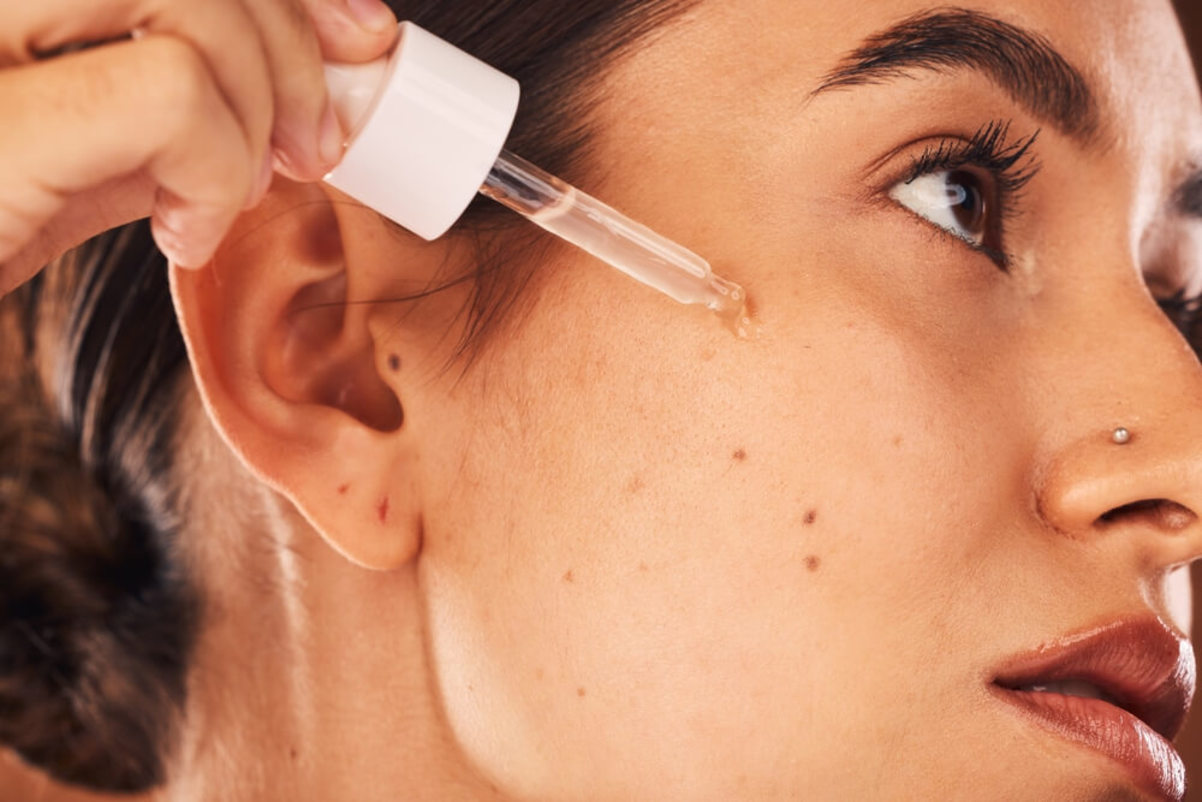
Finding an effective, dermatologist-recommended retinoid no longer requires a trip to a high-end department store or a luxury boutique. Modern drugstore aisles feature scientifically advanced formulations containing retinol, retinaldehyde, and adapalene that rival luxury competitors at a fraction of the cost, making powerful anti-aging and acne-fighting ingredients accessible to every skincare budget.
Understanding Over-the-Counter Retinoids: Why the Drugstore Shines
The skincare market has evolved dramatically over the last few decades, and the gap in efficacy between luxury skincare brands and mass-market drugstore giants has effectively narrowed. Active ingredients like retinol—a gold-standard derivative of vitamin A—are no longer exclusive to clinical offices or high-end cosmetic counters. Major pharmaceutical and skincare conglomerates invest heavily in research and development, allowing brands found at local pharmacies to utilize sophisticated delivery systems, stabilization technologies, and soothing complementary ingredients.
When shopping at the drugstore for a retinol product, consumers are greeted by a vast array of concentrations, consistencies, and derivative types. Understanding the science behind these formulations helps demystify the choices. Retinol must undergo a two-step conversion process within the skin cells—first transforming into retinaldehyde, and then into retinoic acid (the active form that binds to skin receptors). Because of this conversion process, drugstore retinol is inherently gentler than prescription-strength tretinoin, reducing the risk of severe irritation while still delivering proven collagen-boosting, texture-refining, and pore-clearing benefits over time.
Furthermore, drugstore formulations often incorporate barrier-supporting ingredients such as ceramides, hyaluronic acid, niacinamide, and glycerin. These additions counteract the classic drying side effects of retinization, making drugstore products exceptionally user-friendly for beginners and those with sensitive skin types. Navigating this landscape successfully requires looking past marketing buzzwords and evaluating the actual formulation, packaging, and concentration of the product.
Key Criteria for Selecting a Drugstore Retinol
Before committing to a specific product off the pharmacy shelf, evaluating several critical factors ensures that the chosen formula matches your skin type, tolerance level, and specific aesthetic goals. Poor packaging or unstable formulations can render retinol completely inactive before it ever touches your skin.
Concentration and Formulation Type
Retinol percentages in over-the-counter products typically range from 0.01% to 1.0%. Beginners should always start at the lower end of this spectrum (0.01% to 0.3%) to allow the skin barrier to build tolerance. Beyond pure retinol, some drugstore brands utilize encapsulated retinol—where the active ingredient is wrapped in a protective lipid sphere that releases slowly into the skin. This technology minimizes irritation and maximizes stability. Other options include retinal (which converts faster than retinol) and adapalene (a synthetic retinoid originally prescription-only, now available OTC for acne and cellular turnover).
Packaging Integrity
Retinol is notoriously sensitive to light, air, and heat. When exposed to these elements, it oxidizes rapidly and degrades into ineffective compounds. Avoid products packaged in clear glass jars or dropper bottles that expose the formula to air every time they are opened. The best drugstore retinoids utilize opaque, airtight pump dispensers, aluminum tubes, or airless squeeze tubes that protect the integrity of the active ingredients from environmental degradation.
Supporting Barrier Ingredients
Because retinization often causes temporary dryness, flaking, redness, and sensitivity, the vehicle carrying the retinol matters immensely. Look for formulas that include:
- Ceramides: Essential lipids that reinforce and repair the skin barrier.
- Hyaluronic Acid: A humectant that draws moisture into the upper layers of the skin.
- Niacinamide: A form of vitamin B3 that calms inflammation and regulates sebum production.
- Peptides: Amino acid chains that work synergistically with retinoids to support collagen production.
The 5 Best Retinol Products at the Drugstore
The following five over-the-counter options stand out for their formulation stability, clinical backing, elegance of texture, and overall value. Each serves a distinct skin type or concern.
1. CeraVe Resurfacing Retinol Serum
- Best For: Post-acne marks, uneven texture, and sensitive skin beginners.
- Key Ingredients: Encapsulated retinol, three essential ceramides (1, 3, 6-II), niacinamide, and licorice root extract.
- Texture: Lightweight, fast-absorbing gel-cream.
CeraVe has built a stellar reputation among dermatologists, and their Resurfacing Retinol Serum is a masterclass in barrier-friendly formulation. Designed specifically to help smooth skin texture and reduce the appearance of post-acne marks and enlarged pores, this serum utilizes encapsulated retinol to deliver a steady stream of vitamin A without triggering overwhelming irritation. The inclusion of three essential ceramides ensures that the skin barrier is actively repaired and protected during the retinization process, while niacinamide works to calm redness and brighten overall skin tone. It is fragrance-free, non-comedogenic, and exceptionally gentle, making it an ideal starting point for anyone new to retinoids.
2. Neutrogena Rapid Wrinkle Repair Regenerating Cream
- Best For: Stubborn fine lines, deep wrinkles, and fast visible smoothing.
- Key Ingredients: Accelerated Retinol SA, glucose complex, and hyaluronic acid.
- Texture: Rich, velvety moisturizing cream.
For those targeting advanced signs of aging who want clinical-style performance without a prescription, Neutrogena's Rapid Wrinkle Repair line is a longtime drugstore staple. The Regenerating Cream features a proprietary "Accelerated Retinol SA" combination paired with a glucose complex (which acts as a booster to help accelerate the skin's surface activity) and hyaluronic acid to plump out expression lines. While powerful, the rich texture provides intense hydration, preventing the excessive flaking often associated with potent retinoids. Clinical testing from the brand highlights visible improvements in fine lines and stubborn crow's feet in as little as one week, though true structural changes typically take 8 to 12 weeks of consistent use.
3. La Roche-Posay Retinol B3 Serum
- Best For: Dehydrated, mature, or reactive skin seeking deep soothing and anti-aging.
- Key Ingredients: Pure and gradual-release retinol, vitamin B3 (niacinamide), and glycerin.
- Texture: Hydrating, silky fluid serum.
La Roche-Posay bridges the gap between pharmacy convenience and French dermatological luxury with their Retinol B3 Serum. This formula stands out because it combines pure retinol with gradual-release retinol, ensuring continuous, low-level efficacy throughout the night. To combat the irritation potential of the vitamin A, the formula is heavily anchored by a high concentration of vitamin B3 (niacinamide) and thermal spring water rich in minerals. The fluid texture glides effortlessly onto the skin and absorbs without a heavy residue, leaving the complexion looking instantly more luminous and hydrated while gradually smoothing fine lines and uneven pigmentation over time.
4. Differin Gel (Adapalene 0.1%)
- Best For: Acne-prone skin, clogged pores, and rough skin texture.
- Key Ingredients: Adapalene 0.1% (a third-generation topical retinoid).
- Texture: Lightweight, oil-free aqueous gel.
While technically an adapalene gel rather than traditional retinol, Differin is a heavy hitter in the drugstore aisle that deserves a spot on any top-tier retinoid list. Originally available only by prescription, adapalene 0.1% was approved for over-the-counter use to treat acne at the cellular level by clearing pores and preventing pimples before they form. Beyond its powerful acne-fighting capabilities, adapalene shares the same collagen-boosting and cell-turnover properties as cosmetic retinol, making it an exceptional choice for adults dealing with adult acne and early aging simultaneously. Its water-based, oil-free gel formula is non-comedogenic and ideal for oily or combination skin types.
5. Olay Regenerist 24 Max Retinol24 Night Hydrating Moisturizer
- Best For: Maximum hydration combined with overnight skin renewal and a plush texture.
- Key Ingredients: Vitamin B3 (niacinamide) and retinol propionate complex.
- Texture: Ultra-rich, whipped night cream.
Olay's Retinol24 Max formulation is designed for consumers who dislike the traditional step of layering a serum under a moisturizer. This ultra-rich, whipped night cream delivers 24 hours of deep skin hydration while simultaneously working to smooth fine lines, brighten dark spots, and even out skin tone. The formula is fragrance-free and utilizes a retinol propionate complex that penetrates deep into the skin's surface layers overnight. Because it functions as a heavy-duty moisturizer, it locks in hydration and minimizes the dryness often experienced by dry skin types attempting to incorporate retinoids into their routines.
Comparison of Top Drugstore Retinol Products
| Product Name | Active Ingredient Type | Best Suited For | Key Supporting Ingredient | Fragrance Status |
|---|---|---|---|---|
| CeraVe Resurfacing Retinol Serum | Encapsulated Retinol | Sensitive skin, texture, post-acne marks | Ceramides & Niacinamide | Fragrance-Free |
| Neutrogena Rapid Wrinkle Repair Cream | Retinol SA + Glucose Complex | Fine lines, wrinkles, rapid results | Hyaluronic Acid | Lightly Scented |
| La Roche-Posay Retinol B3 Serum | Pure & Progressive Retinol | Dehydrated, mature skin | Vitamin B3 (Niacinamide) | Fragrance-Free |
| Differin Gel | Adapalene 0.1% | Acne-prone skin, clogged pores | Aqueous Base | Fragrance-Free |
| Olay Retinol24 Max Moisturizer | Retinol Propionate Complex | Dry skin, overnight hydration | Niacinamide (Vitamin B3) | Fragrance-Free |
How to Build a Routine Around Drugstore Retinoids
Purchasing an effective drugstore retinoid is only half the battle; how you apply it dictates whether you achieve glowing skin or a compromised moisture barrier. Introducing vitamin A derivatives requires patience, strategy, and careful management of complementary skincare ingredients.
The Retinization Process and "Skin Cycling"
When first introducing a retinoid, your skin undergoes a period of adjustment known as retinization. During the first two to four weeks, temporary flaking, mild redness, and purging (a temporary flare-up of breakouts as cellular turnover speeds up) are common. To mitigate this, dermatologists often recommend starting slowly:
- Week 1–2: Apply your chosen retinol only two nights a week.
- Week 3–4: Increase application to every other night if no excessive irritation occurs.
- Week 5 and beyond: Move to nightly application as tolerated by your skin barrier.
The "sandwich method" is another highly effective technique for beginners: apply a thin layer of hydrating moisturizer, allow it to dry, apply your pea-sized amount of retinol, and seal it with a second layer of moisturizer. This buffers the absorption rate without completely neutralizing the active benefits.
Ingredients to Avoid Combining with Retinol
To prevent severe chemical burns, inflammation, and barrier destruction, avoid using strong active ingredients on the same night as your retinol. Never mix retinoids directly with:
- AHA/BHA Chemical Exfoliants: Glycolic, lactic, and salicylic acids should be used on alternating nights or restricted to morning routines.
- Pure L-Ascorbic Acid (Vitamin C): While vitamin C can be used in the morning, combining it with retinol at night can over-sensitize the skin.
- Benzoyl Peroxide: This ingredient can chemically oxidize and deactivate certain retinoids (such as traditional retinol), though adapalene is more stable when paired with it.
Finally, because retinoids increase the skin's sensitivity to ultraviolet radiation by accelerating cellular turnover, daily application of a broad-spectrum sunscreen with an SPF of 30 or higher is non-negotiable every single morning, regardless of the weather.
Common Mistakes When Using Drugstore Retinoids
Even with the best products available on pharmacy shelves, simple application errors can sabotage your skincare progress. Recognizing these pitfalls helps ensure safe and effective long-term results.
Applying Too Much Product
A common misconception in skincare is that more product equals faster results. With retinol, applying a thick layer does not speed up anti-aging benefits; it only increases the likelihood of severe irritation, peeling, and barrier damage. A single pea-sized drop is entirely sufficient to cover the entire face.
Ignoring the Neck and Chest
While facial skin is the primary focus, the neck and chest are equally prone to photoaging, laxity, and fine lines. However, the skin on the neck is significantly thinner and more delicate than facial skin. When applying your drugstore retinol, gently sweep any excess down your neck, but reduce the frequency or buffer it with a rich cream to prevent localized contact dermatitis.
Expecting Overnight Miracles
Skin cells have an average turnover cycle of roughly 28 days, which slows down further as we age. True structural changes, collagen synthesis, and deep wrinkle reduction take a minimum of 8 to 12 weeks of consistent, disciplined application. Patience and consistency are far more valuable than aggressive, erratic application schedules.
Conclusion and Next Action
Transforming your skincare regimen with a powerful, accessible retinoid does not require an extravagant financial investment. Products like CeraVe Resurfacing Retinol Serum, Neutrogena Rapid Wrinkle Repair Cream, La Roche-Posay Retinol B3 Serum, Differin Gel, and Olay Retinol24 Max prove that science-backed anti-aging and skin-clearing formulations are readily available at your local drugstore.
To take your next step, evaluate your primary skin concern—whether it is acne, fine lines, or texture—select the matching formulation, patch-test the product on your inner forearm, and introduce it slowly into a gentle evening routine anchored by rich moisturizers and daytime sun protection.