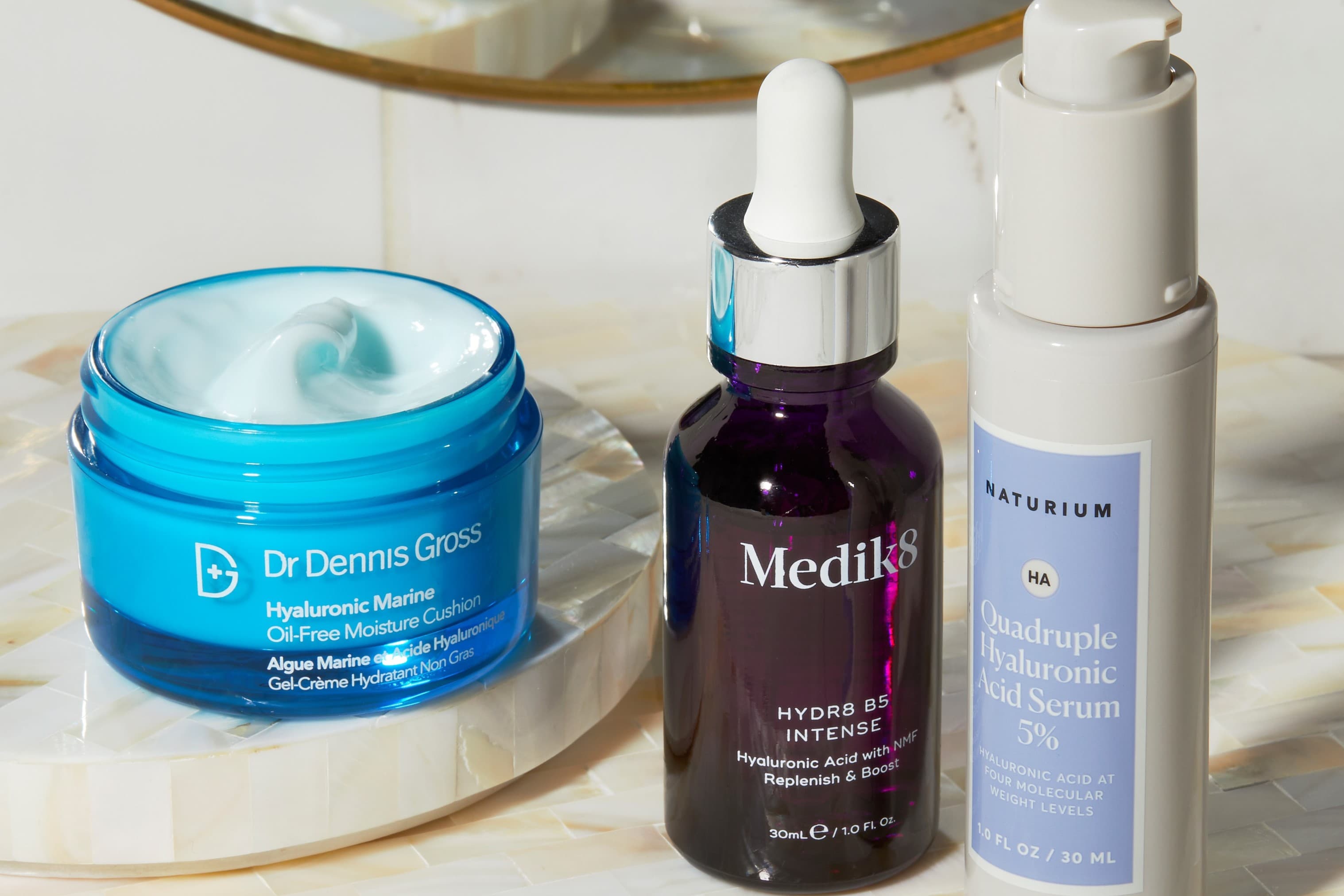
Hyaluronic acid serums help diminish the appearance of wrinkles by drawing moisture into the upper layers of the skin, temporarily plumping fine lines and improving overall hydration and skin elasticity.
Navigating the crowded skincare market to find an effective anti-aging formula can be challenging. With countless options promising miraculous transformations, consumers often struggle to separate sophisticated marketing from genuine dermatological science. Hyaluronic acid (HA) has become a cornerstone of modern topical anti-aging regimens due to its exceptional capacity to retain water—holding up to 1,000 times its molecular weight in moisture. However, not all serums are formulated equally, and molecular weight, secondary active ingredients, and vehicle bases heavily influence real-world efficacy against wrinkles.
This comprehensive guide analyzes five of the most well-regarded hyaluronic acid serums on the market. By examining their chemical formulation, functional benefits, and potential limitations, you can select the most appropriate product for your specific skin type and aging concerns.
Understanding Hyaluronic Acid and Wrinkle Reduction
To understand how hyaluronic acid serums combat aging, one must first look at the underlying biology of skin dehydration and structural degradation. As skin ages, it experiences a natural depletion of natural moisturizing factors (NMFs), extracellular matrix proteins, and lipids. Collagen and elastin fibers begin to break down, and the skin loses its intrinsic capacity to retain water. This moisture deficit exacerbates the appearance of fine lines, turning microscopic surface expressions into persistent wrinkles.
Hyaluronic acid is a glycosaminoglycan—a vital natural component of human skin tissue. When applied topically, low-molecular-weight HA penetrates deeper into the epidermis to provide sustained hydration and support cellular turnover, while high-molecular-weight HA remains on the surface, forming a breathable film that prevents transepidermal water loss (TEWL) and immediately plumps the skin.
However, pure hyaluronic acid suspended in simple water will not reverse wrinkles on its own. Formulators typically pair HA with humectants like glycerin, soothing botanical extracts, peptides, or vitamin C to amplify anti-aging results. Furthermore, environmental humidity plays a role; in very dry climates, topical HA can pull moisture from deeper skin layers if not sealed properly with an emollient moisturizer. Recognizing these formulation dynamics is essential before investing in a targeted serum.
Criteria for Evaluating Anti-Aging Serums
When assessing topical treatments for fine lines and wrinkles, dermatologists and cosmetic chemists look beyond brand prestige to evaluate several objective factors:
- Molecular Weight Diversity: Formulations containing multiple molecular weights of hyaluronic acid offer surface-level smoothing alongside deeper hydration.
- Complementary Actives: The inclusion of peptides, antioxidants, or ceramides enhances collagen synthesis and skin barrier integrity.
- Texture and Absorption: A high-performing serum should absorb cleanly without leaving a sticky or pilling residue under makeup or sunscreen.
- Irritation Potential: Fragrance-free, hypoallergenic, and non-comedogenic profiles ensure suitability for sensitive or reactive skin types.
- Value and Concentration: Higher price tags do not always correlate with higher active concentrations or superior delivery systems.
The 5 Best Hyaluronic Acid Serums for Wrinkles
The following selections represent top-tier formulations chosen for their proven ingredient profiles, clinical backing, and positive user reception in the dermatological community.
1. SkinCeuticals Hyaluronic Acid Intensifier (H.A.I.)
SkinCeuticals H.A.I. is widely regarded by dermatologists as a gold standard for advanced anti-aging hydration. Beyond high- and low-molecular-weight hyaluronic acid, this multi-functional serum is formulated with 10% Proxylane—a patented molecule derived from beech wood that helps support the skin's matrix and maintain natural HA levels. It also includes licorice root and purple rice extract to inhibit the enzymatic breakdown of hyaluronic acid in the skin.
- Pros: Clinically proven to improve the look of plumpness, firmness, and skin texture; elegant gel texture that layers seamlessly; contains proven matrix-supporting molecules.
- Cons: Premium luxury price point; may feel slightly tacky if applied to completely dry skin.
- Best For: Mature skin exhibiting significant loss of firmness, deep dehydration, and pronounced expression lines.
2. The Ordinary Hyaluronic Acid 2% + B5
For budget-conscious consumers seeking uncompromised efficacy, The Ordinary offers a streamlined, science-first formula. It combines low-, medium-, and high-molecular-weight hyaluronic acid molecules with a next-generation HA crosspolymer at a combined concentration of 2%. Vitamin B5 (panthenol) is added to enhance surface hydration and support skin barrier repair.
- Pros: Highly accessible price point; fragrance-free, vegan, and cruelty-free formulation; multi-depth hydration approach.
- Cons: Simple formulation lacks advanced peptide complexes or antioxidants; texture can feel slightly slick before fully drying.
- Best For: All skin types, particularly younger consumers looking for preventative hydration or those on a strict budget.
3. Vichy Minéral 89 Fortifying and Plumping Daily Booster
Vichy’s formulation centers around a minimalist, highly tolerable ingredient list anchored by 89% Vichy Volcanic Mineralizing Water—rich in 15 essential minerals—combined with natural-origin hyaluronic acid. This serum functions as a daily booster that reinforces the skin barrier against environmental stressors like pollution and weather fluctuations, which accelerate wrinkle formation.
- Pros: Excellent for sensitive, easily irritated skin; strengthens the cutaneous barrier; refreshing, fast-absorbing gel consistency.
- Cons: Contains very few active anti-aging ingredients beyond basic hydration and mineral support; requires a heavier cream on top for dry climates.
- Best For: Sensitive skin types prone to irritation from stronger anti-aging actives like retinoids or acids.
4. Neutrogena Hydro Boost Hyaluronic Acid Serum
Neutrogena’s accessible drugstore option utilizes purified hyaluronic acid paired with glycerin and amino acids. These components mimic the skin's natural moisturizing factors to instantly quench dry surface cells and smooth out dehydration lines. Its lightweight, non-comedogenic formula ensures it will not clog pores or trigger breakouts.
- Pros: Widely available at local retailers; lightweight and fast-absorbing; budget-friendly daily hydrator.
- Cons: Contains added fragrance, which may sensitize reactive skin types; surface-level hydration rather than deep structural repair.
- Best For: Normal to combination skin types seeking an easy-to-find, lightweight daily plumping serum.
5. La Roche-Posay Hyalu B5 Pure Hyaluronic Acid Serum
La Roche-Posay combines two types of pure hyaluronic acid with vitamin B5 and madecassoside—a concentrated derivative of the Centella asiatica plant known for its soothing and tissue-repairing properties. This rich serum is specifically tested on sensitive skin and helps repair the skin barrier while visibly reducing the look of fine lines.
- Pros: Formulated specifically with sensitive skin in mind; contains soothing madecassoside and barrier-repairing vitamin B5; rich, comforting texture.
- Cons: Contains fragrance; higher price point than basic drugstore alternatives.
- Best For: Dry, sensitive, or aging skin that requires extra soothing care alongside anti-aging hydration.
Comparison of Featured Hyaluronic Acid Serums
| Product Name | Primary Active Ingredients | Notable Secondary Ingredients | Price Tier | Best Skin Type |
|---|---|---|---|---|
| SkinCeuticals H.A.I. | Multi-molecular HA | 10% Proxylane, Licorice Root | Luxury | Mature / Loss of Firmness |
| The Ordinary HA 2% + B5 | Multi-molecular HA, Crosspolymer | Vitamin B5 (Panthenol) | Budget | All Skin Types |
| Vichy Minéral 89 | Natural-origin HA | 89% Mineralizing Thermal Water | Mid-Range | Sensitive / Reactive |
| Neutrogena Hydro Boost | Purified HA | Glycerin, Amino Acids | Budget | Normal / Combination |
| La Roche-Posay Hyalu B5 | Pure HA (High & Low MW) | Vitamin B5, Madecassoside | Mid-Range | Sensitive / Dry |
How to Apply Hyaluronic Acid for Maximum Wrinkle Reduction
Even the most advanced hyaluronic acid serum will underperform if applied incorrectly. Because hyaluronic acid is a humectant that draws moisture from its surroundings, improper application can paradoxically dehydrate the skin. Follow these steps to maximize your serum's anti-aging performance:
- Cleanse Gently: Start with a gentle, sulfate-free cleanser to remove impurities without stripping the skin's natural lipid barrier.
- Apply to Damp Skin: Leave your face slightly damp after washing, or mist your skin lightly with a facial toner or water. Applying HA to damp skin gives the molecules immediate moisture to bind to, locking water into the epidermis.
- Dispense and Press: Apply three to four drops of serum into your palms and gently press—rather than rub—the product into your face, neck, and décolletage.
- Seal with a Moisturizer: Always follow your hyaluronic acid serum with an emollient or occlusive moisturizer. This crucial step seals the moisture barrier, preventing the HA from evaporating and pulling water out of your skin.
- Protect Daily: Finish your morning routine with a broad-spectrum sunscreen of SPF 30 or higher. UV radiation degrades natural hyaluronic acid and collagen stores, neutralizing the benefits of your anti-aging routine.
Common Mistakes to Avoid When Using HA Serums
Maximizing your skincare investment requires avoiding frequent application pitfalls that limit product efficacy:
- Applying to Completely Dry Skin: As noted, dry air or dry skin causes HA to draw moisture upward from the dermis, potentially increasing tightness and fine lines.
- Skipping the Moisturizer: Treating a serum as a standalone moisturizer ignores the necessity of a lipid barrier to trap hydration.
- Layering Incompatible Acids Incorrectly: While HA pairs well with most ingredients, high concentrations of low-pH acids (like unbuffered glycolic or salicylic acid) can sometimes destabilize specific formulations if applied simultaneously without waiting periods.
- Expecting Miracle Lifts: Hyaluronic acid excels at temporary plumping and surface hydration. It will not duplicate the structural correction of surgical interventions or deep dermatological procedures.
Frequently Asked Questions
Can hyaluronic acid completely erase deep wrinkles?
Hyaluronic acid cannot permanently erase deep wrinkles on its own. It functions as a powerful humectant that fills fine lines with water, temporarily smoothing the skin's surface and softening the appearance of wrinkles. For structural correction of deep static lines, complementary treatments such as retinoids, peptides, professional chemical peels, or dermatological procedures are usually required.
Should I apply hyaluronic acid to wet or dry skin?
You should always apply hyaluronic acid serums to damp skin. Because HA acts like a sponge, it requires external moisture to pull into the skin. Applying it to dry skin in a low-humidity environment can lead to moisture evaporation and increased dryness.
Can I use hyaluronic acid every day?
Yes, hyaluronic acid is exceptionally well-tolerated by almost all skin types and can be used twice daily—both morning and night. Its non-irritating, hydrating nature makes it safe for daily long-term use, even alongside stronger anti-aging ingredients like retinol and vitamin C.
Does molecular weight matter in a hyaluronic acid serum?
Molecular weight significantly impacts how a serum performs. High-molecular-weight HA remains on the skin surface to form a protective, hydrating barrier and provide instant plumping. Low-molecular-weight HA penetrates deeper into the epidermis to support long-term hydration and elasticity. Formulations combining multiple molecular weights deliver the most comprehensive results.
Can hyaluronic acid cause breakouts or irritation?
Pure hyaluronic acid rarely causes breakouts or irritation, as it is a substance naturally produced by the human body. However, adverse reactions or clogged pores are sometimes triggered by secondary formulation ingredients such as synthetic fragrances, heavy oils, or specific preservatives included in the finished product.
Conclusion and Next Steps
Choosing the right hyaluronic acid serum depends heavily on your skin type, budget, and specific aging concerns. If you are managing mature, firmness-depleted skin and have room in your budget, advanced formulations like SkinCeuticals Hyaluronic Acid Intensifier offer robust, clinically-backed matrix support. For daily maintenance, barrier support, and exceptional value, The Ordinary Hyaluronic Acid 2% + B5 or Vichy Minéral 89 provide reliable, irritation-free hydration.
To take the next step, evaluate your current skincare routine to identify any hydration gaps. Introduce your chosen serum gradually, always apply it to damp skin, and pair it consistently with a nourishing moisturizer and daily sunscreen to protect your skin barrier and maintain a youthful, plump complexion.