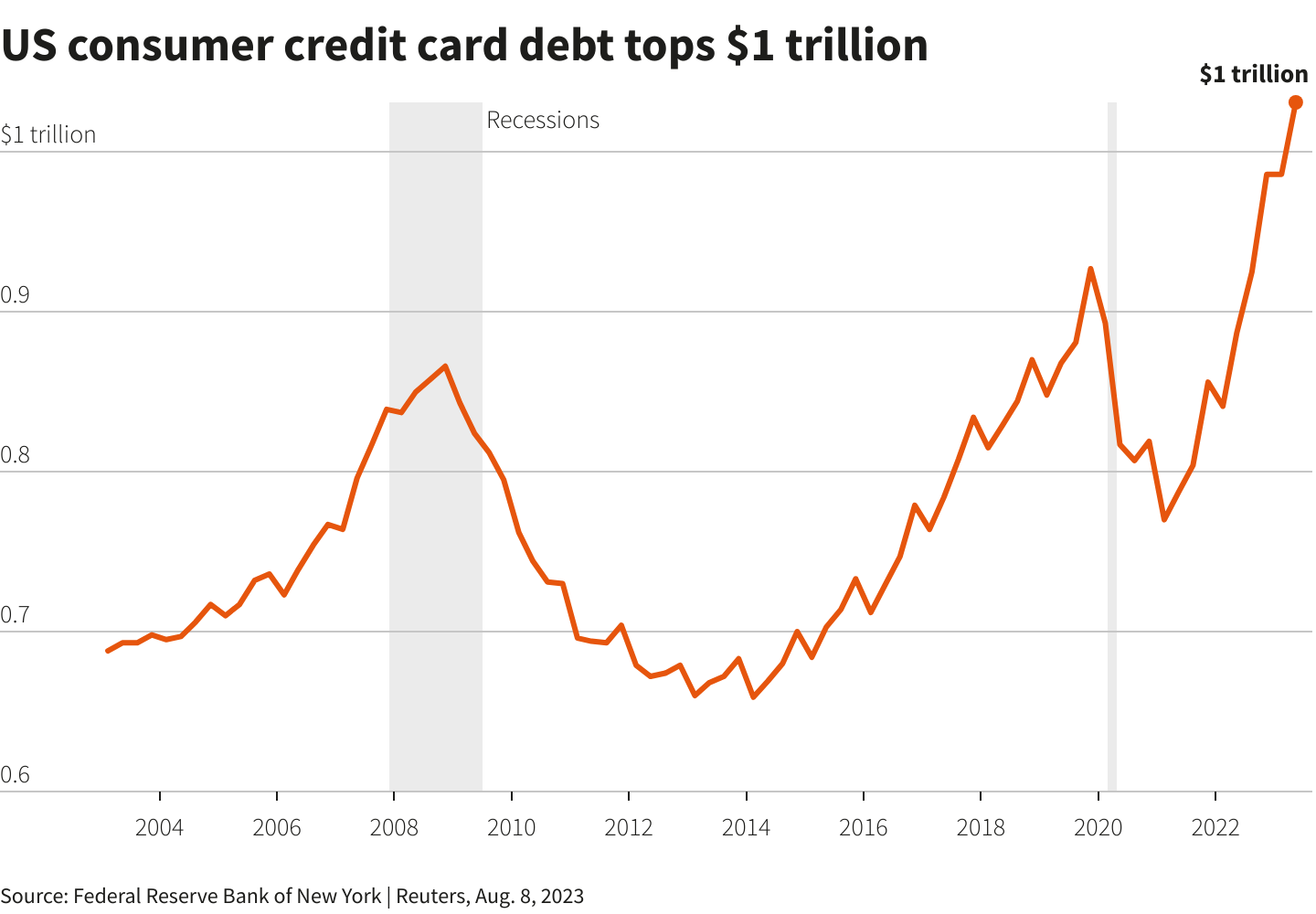
Taking a 401k loan to pay off credit card debt allows you to borrow from your retirement savings to eliminate high-interest balances. While you pay interest back to yourself, you risk significant opportunity costs and potential taxes or penalties if you leave your job. It is a strategic but high-risk debt consolidation method.
In 2026, many employees continue to grapple with high-interest consumer debt despite fluctuating economic conditions. For those with a significant balance in a 401(k) or similar employer-sponsored retirement plan, the "401k loan" remains a tempting tool for debt consolidation. Unlike a standard bank loan, you are essentially acting as your own lender. However, this financial maneuver is not a simple "quick fix." It involves navigating complex IRS regulations, employer-specific plan rules, and long-term retirement security trade-offs.
Before tapping into your future to pay for your past, it is essential to understand the mechanics, the legal framework, and the true cost of borrowing against your retirement.
The Mechanics: How a 401k Loan Works in 2026
A 401k loan is a withdrawal from your retirement account that you must pay back within a specified timeframe, usually five years. Unlike a 401k withdrawal, a loan is not initially considered a taxable event, provided you adhere to the repayment schedule.
Eligibility and IRS Limits
Most employer-sponsored plans allow for loans, but they are not legally required to do so. You must check your specific Summary Plan Description (SPD) to confirm your plan's participation. The IRS sets strict limits on how much you can borrow:
- The Maximum Amount: Generally, you can borrow up to 50% of your vested account balance or $50,000, whichever is less.
- The Exception: If your vested balance is less than $10,000, some plans may allow you to borrow up to the full $10,000, though this varies by employer.
- The Interest Rate: The interest rate is typically determined by the prime rate plus one or two percentage points. As of 2026, these rates are set by the plan administrator and are generally much lower than the 20% to 30% APR found on many credit cards.
The Repayment Process
Repayments are typically handled through automatic payroll deductions. This ensures that you do not "forget" to make a payment. The payments consist of both principal and interest, all of which go directly back into your 401(k) account. Under IRS rules, these loans must be amortized (paid in equal installments) and repaid at least quarterly.
The Financial Argument: Why Use Retirement Funds for Debt?
The primary driver for using a 401k loan to pay off credit card debt is interest rate arbitrage. If you are carrying a $15,000 balance on a credit card at 24% APR, you are losing thousands of dollars every year to interest. By "refinancing" that debt through a 401k loan at 8% or 9%, you immediately reduce the monthly cost of the debt and ensure that the interest paid stays within your own net worth.
No Credit Check Required
Because you are borrowing your own money, there is no credit check involved in a 401k loan. This makes it an accessible option for individuals whose credit scores have already been damaged by high utilization or late payments. Furthermore, the loan does not appear on your credit report, meaning it won't impact your debt-to-income ratio (DTI) when applying for other financing, such as a mortgage.
Speed and Convenience
The application process for a 401k loan is often automated through an online portal. There are no lengthy approval processes or underwriting requirements. In most cases, funds can be deposited into your bank account within a few business days.
The Hidden Costs and Significant Risks
While the benefits are immediate, the risks are often delayed and far more damaging to your long-term financial health.
Opportunity Cost: The Silent Wealth Killer
When you remove $20,000 from your 401(k) to pay off debt, that money is no longer invested in the market. If the stock market experiences a bull run while your money is "out," you miss out on compounding returns that could amount to tens of thousands of dollars by the time you reach retirement. This "opportunity cost" often exceeds the interest savings gained by paying off the credit cards.
The "Double Taxation" Trap
Many financial experts warn of the double taxation on 401k loan interest. You repay the loan with after-tax dollars (money that has already been taxed from your paycheck). When you eventually withdraw those funds during retirement, they are taxed again as ordinary income. While this is a real phenomenon, it is often considered a secondary concern compared to the immediate threat of high-interest credit card debt.
Job Loss and Accelerated Repayment
This is the most dangerous risk. If you leave your employer—whether voluntarily or through termination—the loan typically becomes due in full. Under the Tax Cuts and Jobs Act (which remains a foundational reference for 2026 tax logic), you generally have until the due date of your federal income tax return (including extensions) for the year in which you left the job to "roll over" the balance or pay it back. If you cannot pay it back, the outstanding balance is treated as a taxable distribution. If you are under age 59½, you will also owe a 10% early withdrawal penalty.
Comparing 401k Loans to Other Debt Consolidation Options
Before committing to a 401k loan, it is vital to compare it against other 2026 debt relief strategies.
| Feature | 401k Loan | Personal Loan | Balance Transfer Card |
|---|---|---|---|
| Interest Rate | Low (Prime + 1-2%) | Moderate to High | 0% (Intro Period Only) |
| Credit Impact | None | Temporary Dip (Hard Inquiry) | Temporary Dip |
| Risk | Retirement Loss / Tax Penalty | Default / Credit Damage | Interest Spike after Intro |
| Repayment Term | Max 5 Years | 2–7 Years | 12–21 Months |
| Access to Funds | Immediate | 1–5 Days | Immediate (for transfers) |
| Ownership | You owe yourself | You owe a bank | You owe a bank |
Step-by-Step Process to Execute the Loan
If you have weighed the risks and decided to proceed, follow these steps to ensure the process is handled correctly:
- Review Your Plan Document: Verify that your employer allows loans and check the specific interest rate and administrative fees.
- Calculate the Exact Payoff Amount: Call your credit card issuers to get a 10-day payoff quote for each card. Do not guess the balance.
- Apply via the Plan Provider: Log in to your 401(k) portal (e.g., Fidelity, Vanguard, Empower) and use their loan modeling tool to see the impact on your paycheck.
- Confirm the Terms: Ensure the loan is designated for "general purposes" (5-year term) unless you are using it for a primary residence (which may allow for a longer term).
- Execute the Payoff Immediately: Once the funds land in your bank account, pay the credit card companies directly. Do not "sit" on the cash, as the temptation to spend it elsewhere is high.
- Adjust Your Budget: You must stop using the credit cards you just paid off. If the underlying spending habits do not change, you will end up with both a 401k loan and new credit card debt.
Common Mistakes to Avoid
- Borrowing Too Much: Only borrow exactly what you need to clear the high-interest debt. Do not take extra for "cushion," as every dollar removed from the market is a dollar not growing for your future.
- Stopping 401(k) Contributions: Some plans prohibit you from making new contributions while a loan is outstanding. Even if they allow it, many employees stop contributing to "offset" the loan payment. This is a mistake, as you will miss out on the employer match, which is essentially a 100% return on your money.
- Treating it Like a "Withdrawal": Remember that this is a debt. If you treat it as "taking your own money out," you may lose the urgency to repay it or manage your budget strictly.
Alternatives to Tapping Your Retirement
If the risks of a 401k loan seem too high, consider these 2026 alternatives:
- Debt Management Plan (DMP): Working with a non-profit credit counseling agency to lower interest rates without a new loan.
- Home Equity Line of Credit (HELOC): If you have equity in your home, a HELOC might offer a lower interest rate, though it puts your home at risk.
- The Debt Avalanche Method: Focus all extra payments on the highest interest rate card while paying minimums on others. This requires no new loans but takes more discipline.
Frequently Asked Questions
1. Does a 401k loan affect my credit score?
No. Because you are borrowing from yourself and not a financial institution, 401k loans are not reported to the three major credit bureaus (Equifax, Experian, and TransUnion). However, if you fail to repay and the loan is treated as a distribution, it still won't affect your score, but it will result in a significant tax bill.
2. What happens if my employer is sold or I am laid off?
If the company is sold, the new owner's plan may allow you to continue your loan payments. If you are laid off, the loan is typically "accelerated." You must repay the balance by the tax filing deadline of the following year to avoid it being classified as a distribution.
3. Can I have more than one 401k loan at a time?
This depends entirely on your employer's plan. Some plans allow two or three loans at once, while others limit you to one. Additionally, the IRS $50,000 limit applies to the aggregate total of all loans across all your 401(k) accounts over the last 12 months.
4. Is the interest I pay back to myself tax-deductible?
No. The interest you pay on a 401k loan is not tax-deductible, even if you use the funds for a purpose that would otherwise be deductible (like home improvements). It is paid with post-tax money.
5. Should I use a 401k loan if I am planning to quit my job soon?
Absolutely not. If you are planning to change jobs within the next year, a 401k loan is highly risky. The likelihood of having to repay the entire balance within a few months of leaving is high, and failing to do so could lead to a massive tax hit when you are in between jobs.
Final Recommendation
Using a 401k loan for credit card debt should be viewed as a last resort for those who have a stable job and a clear plan to change the spending habits that led to the debt in the first place. If you are certain of your job security and can continue making full 401(k) contributions while repaying the loan, the interest savings can be substantial. However, for most people, a personal loan or a dedicated debt management plan offers a safer path that protects their retirement future while still addressing the immediate burden of high-interest debt.
Disclaimer: This article is for informational purposes only and does not constitute legal, tax, or financial advice. Consult with a qualified financial advisor or tax professional before making significant changes to your retirement accounts or debt management strategy.