Texas's 4th Congressional District is a significant political and geographic region located in the northeastern corner of the state, serving as a vital link between the rapidly expanding Dallas-Fort Worth metroplex and the traditional rural landscapes of East Texas. As of 2026, the district remains a Republican stronghold, characterized by a unique blend of suburban growth in counties like Rockwall and Collin and the established agricultural and industrial foundations of the Red River Valley.
Geographic Boundaries and Regional Composition
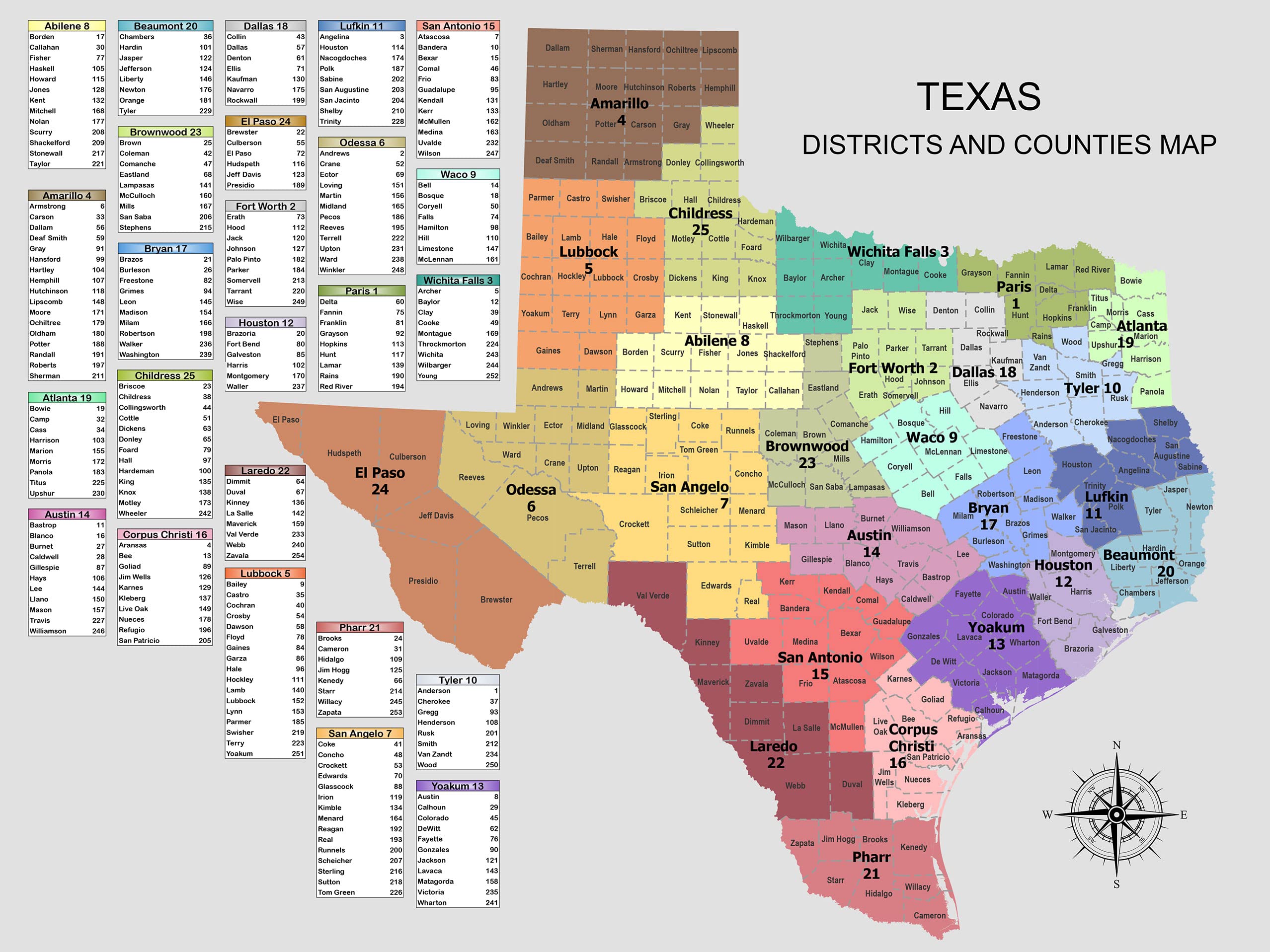
The 4th Congressional District of Texas occupies a sprawling area in the Northeast quadrant of the state. Following the redistricting process that took place after the 2020 Census, the district’s boundaries were shifted to consolidate its presence along the Oklahoma and Arkansas borders while maintaining a foothold in the high-growth suburban corridors northeast of Dallas.
The district currently encompasses all or part of several key counties, each contributing a distinct character to the region’s identity. The geographic heart of the district includes Rockwall County, which is consistently one of the fastest-growing counties in the United States. Moving northward and eastward, the district covers Grayson, Fannin, Lamar, Red River, Bowie, Delta, Hopkins, Rains, Hunt, and portions of Collin County.
The Suburban-Rural Divide
One of the defining features of the 4th District in 2026 is the stark contrast between its western and eastern halves. The western portion, particularly Rockwall and southern Grayson counties, functions as a bedroom community for the Dallas-Fort Worth area. Here, the landscape is dominated by master-planned communities, high-end retail developments, and modern infrastructure.
In contrast, the eastern and northern reaches of the district, such as Lamar and Red River counties, maintain a deeply rooted rural character. These areas are defined by vast tracts of farmland, ranching operations, and smaller, historic town squares. This duality requires representation that can balance the needs of high-density suburban commuters with the concerns of rural landowners and agricultural producers.
Political Representation and Leadership
As of 2026, the 4th Congressional District is represented by Pat Fallon, a Republican who was first elected to the seat in 2020. Fallon succeeded John Ratcliffe, who vacated the position to serve as the Director of National Intelligence. Fallon’s tenure has been marked by a staunchly conservative voting record, focusing on issues such as fiscal responsibility, border security, and the protection of Second Amendment rights.
Electoral Dynamics in 2026
The 4th District is classified as "Solid Republican" by major political analysts. In the 2024 general election, the Republican incumbent secured a decisive victory, reflecting the district’s deep-seated conservative values. As the 2026 midterm election cycle approaches, the political climate in the district remains stable, with little indication of a competitive shift toward the Democratic party.
The district's political identity is heavily influenced by its constituent base. The suburban voters in Rockwall and Collin counties tend to prioritize economic growth, tax reform, and education, while the rural voters in the eastern counties are often more focused on agricultural subsidies, water rights, and traditional social values.
Historical Context and the Legacy of Sam Rayburn
To understand the 4th Congressional District, one must acknowledge its storied political history. For nearly half a century, the district was represented by Sam Rayburn, one of the most influential figures in American legislative history. Rayburn served as the Speaker of the House for 17 years, the longest tenure in U.S. history.
Rayburn’s legacy is still visible throughout the district today. The Sam Rayburn Library and Museum in Bonham serves as a reminder of his impact on national policy, including his instrumental role in passing New Deal legislation and the Rural Electrification Act. While the district’s party affiliation has shifted from the "Yellow Dog" Democrats of Rayburn's era to the modern Republican Party, the culture of strong, constituent-focused representation remains a hallmark of the region.
| County | Major Cities | Primary Economic Driver | 2026 Growth Trend |
|---|---|---|---|
| Rockwall | Rockwall, Heath, Fate | Professional Services, Retail | High (Suburban Sprawl) |
| Grayson | Sherman, Denison | Manufacturing, Tech (Semiconductors) | High (Industrial Expansion) |
| Hunt | Greenville, Commerce | Aerospace, Education | Moderate (Industrial/Academic) |
| Bowie | Texarkana | Logistics, Defense, Healthcare | Stable (Regional Hub) |
| Lamar | Paris | Food Processing, Manufacturing | Stable (Industrial) |
| Hopkins | Sulphur Springs | Dairy, Agriculture, Tourism | Stable (Rural/Ag) |
Economic Landscape and Key Industries
The economy of the 4th District in 2026 is diversified, benefiting from both the "Texas Triangle" economic boom and a resilient agricultural sector. The district’s proximity to Dallas has invited significant corporate investment, particularly in the technology and manufacturing sectors.
The Silicon Prairie Expansion
Grayson County has emerged as a major industrial hub due to massive investments in semiconductor manufacturing. Companies like Texas Instruments and GlobalWafers have established or expanded facilities in Sherman, bringing thousands of high-tech jobs to the northern part of the district. This industrial growth has necessitated significant upgrades to local infrastructure and has spurred a housing boom in the surrounding areas.
Aerospace and Defense
Hunt County, specifically Greenville, is home to a robust aerospace and defense industry. L3Harris Technologies maintains a massive presence at Majors Airport, specializing in aircraft missionization and intelligence, surveillance, and reconnaissance (ISR) systems. This facility is one of the largest employers in the district and provides high-skilled opportunities for the local workforce.
Agriculture and Agribusiness
Despite the industrial surge, agriculture remains the lifeblood of the eastern counties. Hopkins County continues to be a leader in the Texas dairy industry, while Lamar and Fannin counties are major producers of beef cattle, hay, and wheat. In 2026, these sectors face challenges related to water management and fluctuating commodity prices, but they remain central to the district’s economic health and cultural identity.
Education and Community Services
Education is a top priority for the residents of the 4th District, with a mix of high-performing K-12 school districts and respected higher education institutions.
Higher Education Institutions
- Texas A&M University-Commerce: Located in Hunt County, this university is a primary engine for teacher education and regional research. It has expanded its footprint in 2026 to include more specialized programs in nursing and agricultural technology.
- Grayson College: With campuses in Denison and Van Alstyne, this college is vital for workforce development, providing technical training for the burgeoning semiconductor industry in Sherman.
- Paris Junior College: A historic institution that provides essential vocational training and associate degrees to residents in the eastern portion of the district.
- Texarkana College: Serves the Bowie County area, focusing on healthcare and industrial technology programs.
Healthcare Infrastructure
Access to quality healthcare is a critical issue in the more rural parts of the district. While Rockwall and Sherman are served by large, modern hospital systems like Baylor Scott & White and Texas Health Resources, the outlying counties rely on regional hubs like the Paris Regional Health center and CHRISTUS St. Michael in Texarkana. In 2026, there is an ongoing effort to expand telehealth services to bridge the gap for rural residents living far from specialized medical centers.
Infrastructure and Transportation
The 4th District serves as a major transit corridor for both people and freight. Several key arteries run through the district, facilitating the movement of goods between the Gulf Coast, the Midwest, and the East Coast.
- Interstate 30: This is the primary east-west corridor, connecting Dallas through Rockwall, Greenville, Sulphur Springs, and Texarkana. It is a critical route for commercial trucking.
- U.S. Highway 75: The primary north-south artery in the western part of the district, connecting Dallas to Sherman and Denison, and eventually into Oklahoma.
- U.S. Highway 82: A major east-west route that connects the northern tier of counties, including Sherman, Paris, and Texarkana.
In 2026, the Texas Department of Transportation (TxDOT) has several ongoing projects aimed at widening I-30 and US-75 to accommodate the increased traffic volume caused by the district's rapid population growth. Public transportation remains limited, with most residents relying on personal vehicles for commuting.
Voting Trends and Demographic Shifts
The demographic makeup of the 4th District is evolving, though at a slower pace than the more urban centers of Texas. While the district remains majority white, there has been a steady increase in the Hispanic and Asian populations, particularly in the suburban areas of Rockwall and Collin counties.
Demographic Breakdown (2026 Estimates)
- White (Non-Hispanic): Approximately 68%
- Hispanic/Latino: Approximately 18%
- Black/African American: Approximately 9%
- Asian: Approximately 3%
- Other/Two or More Races: Approximately 2%
Politically, these demographic shifts have not yet translated into a more competitive environment for Democrats. The district’s newcomers, often moving from other states or more expensive parts of the Dallas metroplex, frequently cite the region’s conservative governance and lower cost of living as primary reasons for relocating. Consequently, the voting patterns have remained consistently Republican.
Frequently Asked Questions
Who is the current representative for Texas's 4th Congressional District?
As of early 2026, the district is represented by Congressman Pat Fallon. He is a member of the Republican Party and has served the district since January 2021. Fallon is known for his work on the House Armed Services Committee and the House Committee on Oversight and Accountability.
Which major cities are included in the 4th District?
The district includes several significant Texas cities, including Rockwall, Sherman, Texarkana, Paris, Greenville, Sulphur Springs, Denison, and Bonham. It covers a wide range of municipal types, from high-growth suburbs to historic rural centers.
How did the 2020 redistricting affect the 4th District?
The 2020 redistricting cycle shifted the district further northeast. It lost some of its southern reaches while solidifying its presence along the Red River. These changes were designed to account for the massive population growth in the suburban areas while maintaining the district's overall Republican lean.
What are the primary industries in the 4th District?
The economy is supported by a mix of high-tech manufacturing (semiconductors in Sherman), aerospace and defense (L3Harris in Greenville), healthcare (regional hubs in Texarkana and Paris), and a strong agricultural sector (cattle, dairy, and crops throughout the rural counties).
Is the 4th District considered a competitive district in elections?
No, the 4th District is considered a safe Republican seat. In 2026, the Cook Political Report and other major non-partisan analysts continue to rate it as "Solid Republican," with the GOP incumbent typically winning by margins exceeding 30 percentage points.
Where can I find official information on the district's boundaries?
Official boundary maps are maintained by the Texas Legislative Council and the United States Census Bureau. These resources provide block-by-block data on the current district lines established during the 2021 redistricting session.
Summary and Next Actions
For residents or those looking to relocate to Texas's 4th Congressional District in 2026, it is essential to recognize the region's trajectory of growth and its steadfast political identity. The district offers a high quality of life with a lower cost of living compared to the urban core of Dallas, making it an attractive destination for families and businesses alike.
If you are a constituent or a prospective resident, the following actions are recommended:
- Verify your voter registration: Ensure you are registered in the correct county, especially if you have recently moved to the high-growth areas of Rockwall or Grayson.
- Monitor local infrastructure projects: Check the TxDOT Project Tracker for updates on highway expansions that may affect your commute.
- Engage with local representatives: Participate in town halls or contact the district office in Rockwall or Texarkana to voice concerns regarding local issues such as water rights or educational funding.