A 36-panel solar system, typically rated between 14.4 kW and 16.2 kW, carries an estimated installation cost of $34,000 to $48,000 before incentives in 2026. After applying the 30% federal tax credit, most homeowners can expect a net investment ranging from $23,800 to $33,600, depending on local labor rates and equipment selection.
Investing in a 36-panel solar array is a significant undertaking that moves beyond the typical residential installation size. While the average American home utilizes an 8 kW to 10 kW system, a 14 kW+ system is designed for high-consumption households, properties with electric vehicle (EV) fleets, or large estates utilizing all-electric HVAC systems. In 2026, the maturity of N-type cell technology and standardized permitting processes have stabilized pricing, yet the complexity of such a large-scale project requires a nuanced understanding of hardware, labor, and structural requirements.
Understanding the System Size and Power Output
To estimate the cost of a 36-panel system, we must first define the capacity. In 2026, the standard high-efficiency residential solar panel produces between 400 and 450 watts.
- 14.4 kW System: Using 36 panels rated at 400W each.
- 16.2 kW System: Using 36 panels rated at 450W each.
A system of this magnitude is capable of producing between 18,000 and 26,000 kilowatt-hours (kWh) of electricity annually, depending on your geographic location and the orientation of your roof. For context, the average U.S. household consumes roughly 10,500 kWh per year. Therefore, a 36-panel system is generally reserved for users with roughly double the average energy needs, or those looking to achieve total energy independence including heating and transportation.
Breakdown of Installation Costs in 2026
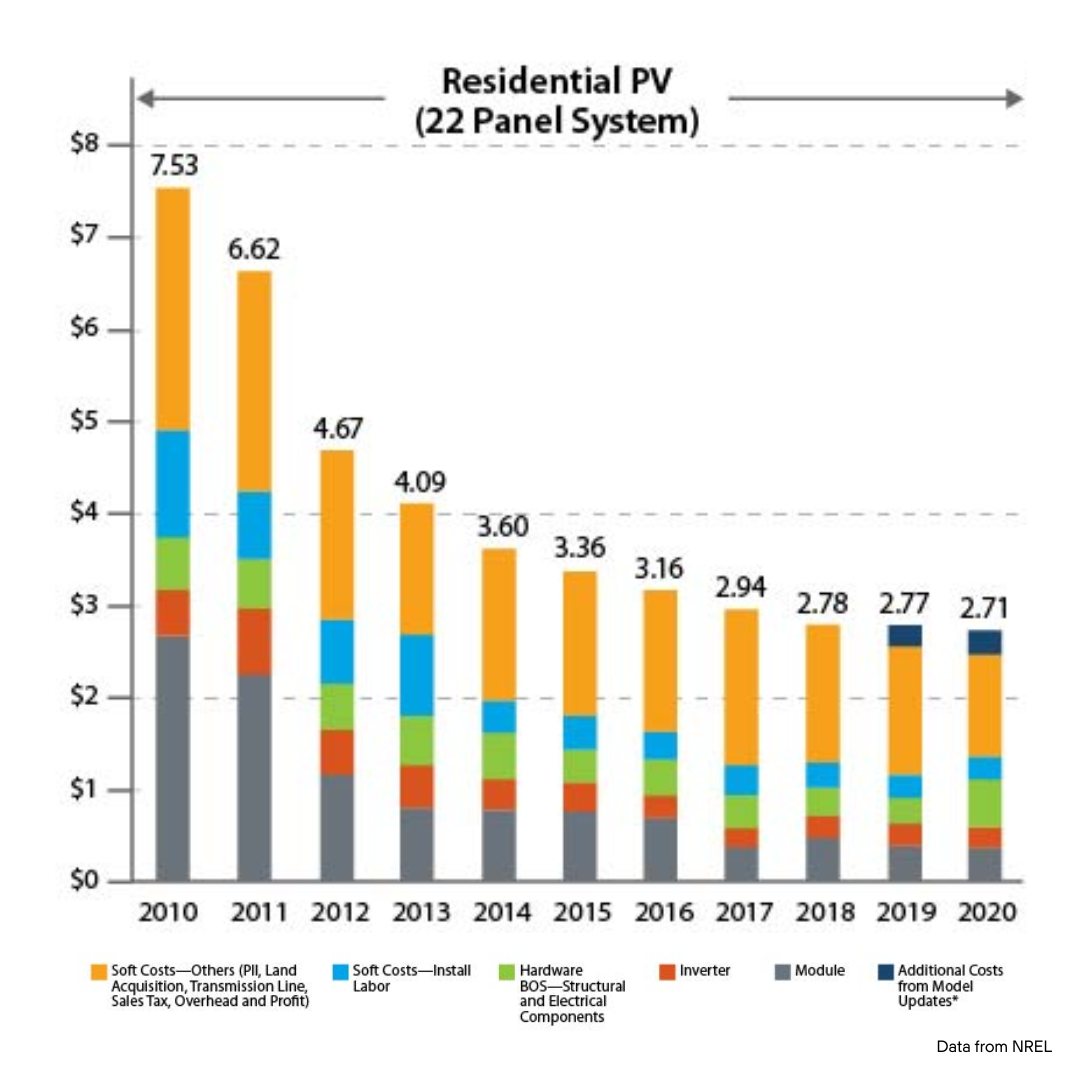
The "price per watt" remains the most reliable metric for comparing solar estimates. In 2026, the national average for a large-scale residential installation sits between $2.35 and $3.00 per watt installed. Larger systems like a 36-panel array often benefit from "economies of scale," where the fixed costs (permitting, design, and truck rolls) are spread across more kilowatts, resulting in a lower per-watt price than a small 10-panel system.
Equipment Costs (approx. 45% of total)
This includes the photovoltaic (PV) panels, inverters, racking systems, and performance monitoring hardware. High-efficiency monocrystalline panels using TOPCon or HJT technology are standard in 2026, offering better temperature coefficients and slower degradation rates.
Labor and Engineering (approx. 25% of total)
Installing 36 panels is a multi-day job for a professional crew. It involves significant electrical work, including the potential for a "main lug" or "main breaker" upgrade to handle the high current back-fed into your home’s electrical panel.
Soft Costs and Permitting (approx. 30% of total)
This category covers the "invisible" costs: sales commissions, regional permit fees, utility interconnection applications, and the installer's overhead and profit. In 2026, many jurisdictions have adopted SolarAPP+ or similar automated permitting platforms, which have slightly reduced these costs compared to earlier years, though they remain a significant portion of the estimate.
Factors Influencing Your 36-Panel Estimate
No two solar estimates are identical because several site-specific variables dictate the final price. When reviewing a quote for 36 panels, consider the following technical and physical factors:
Inverter Technology: String vs. Microinverters
The choice of inverter significantly impacts the price.
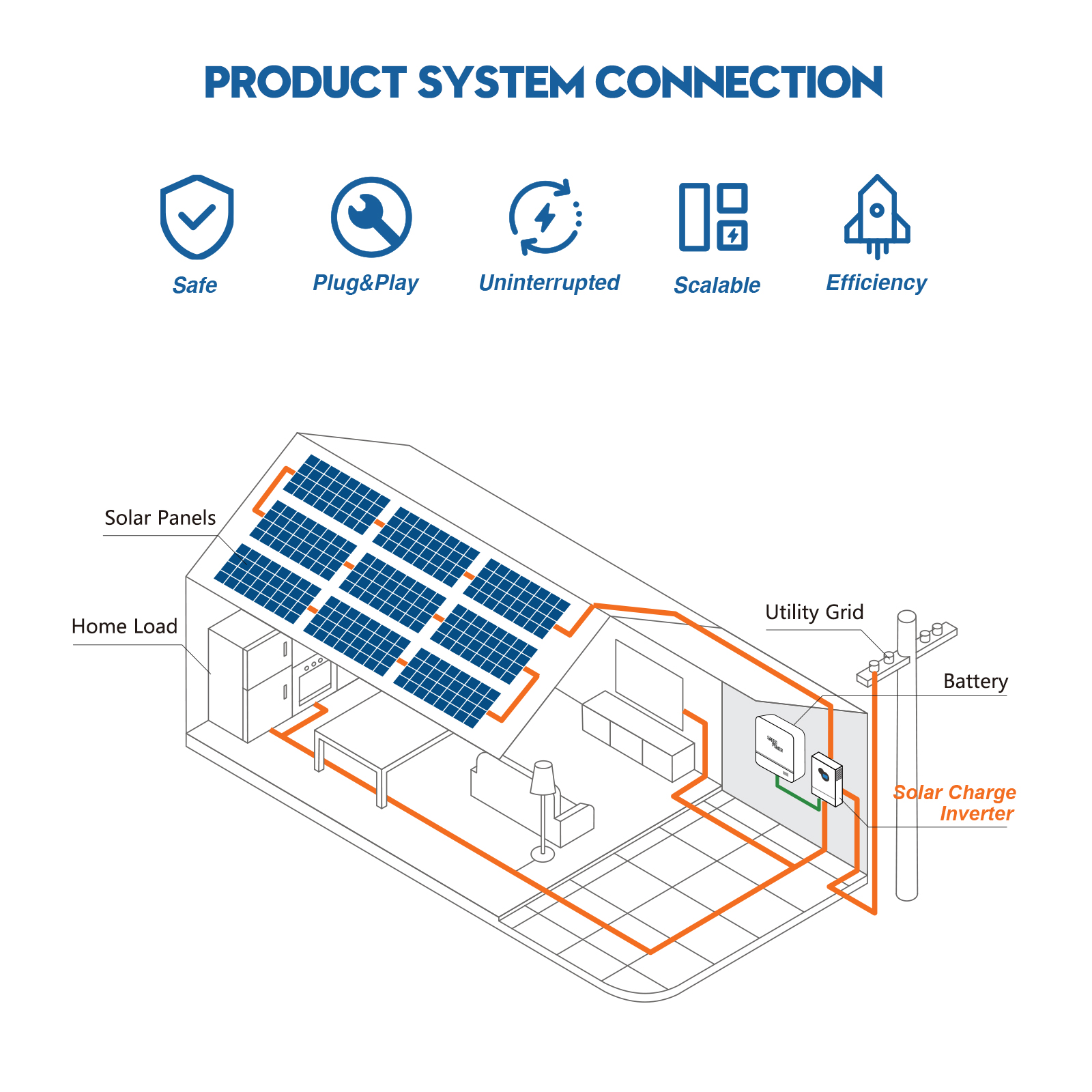
- String Inverters with Optimizers: Usually the more cost-effective option for large arrays. Systems like SolarEdge utilize a central inverter with DC optimizers under each panel.
- Microinverters: Systems like Enphase involve 36 individual inverters mounted behind each panel. While more expensive, they offer superior performance in shaded conditions and allow for easier system expansion. In 2026, microinverters are often preferred for 36-panel systems to avoid a single point of failure for such a massive energy generator.
Roof Complexity and Material
A simple, south-facing composite shingle roof with a moderate pitch is the least expensive to work on. If your 36 panels need to be split across multiple roof planes (e.g., 12 on the south, 12 on the east, and 12 on the west), the labor and racking costs will increase. Furthermore, premium roofing materials like slate, clay tile, or standing-seam metal require specialized mounting hardware that can add $2,000 to $5,000 to the total estimate.
Electrical Infrastructure Upgrades
A 15 kW system can push 60 to 70 amps of current. If your home has an older 100-amp or 125-amp main electrical panel, it likely cannot handle the input from 36 panels. A "Main Panel Upgrade" (MPU) is often required, which typically adds $2,500 to $4,500 to the project cost.
2026 Cost Comparison Table: 36-Panel System (approx. 15 kW)
| Cost Component | Low-End Estimate (Standard) | High-End Estimate (Premium) | Notes |
|---|---|---|---|
| Solar Panels | $10,500 | $15,000 | Premium panels have 25-year labor warranties. |
| Inverters | $4,500 (String) | $7,500 (Micro) | Microinverters allow panel-level monitoring. |
| Racking & Hardware | $2,500 | $4,000 | Varies by roof type and wind-load needs. |
| Labor & Installation | $8,000 | $11,000 | Higher for steep or multi-story roofs. |
| Permits & Interconnection | $1,500 | $3,000 | Highly dependent on local municipality fees. |
| Total Gross Cost | $27,000 | $40,500 | Note: Market rates vary by state. |
| Federal Tax Credit (30%) | (-$8,100) | (-$12,150) | Applied during the next tax filing season. |
| Net Estimated Cost | $18,900 | $28,350 | Final out-of-pocket investment. |
Note: The table above reflects 2026 pricing for a 15 kW system. Prices may vary by +/- 15% based on regional market competition.
Space Requirements and Structural Considerations
A common hurdle for a 36-panel installation is simply finding enough room. Modern residential panels average about 19.5 to 21 square feet in size.
- Total Square Footage: 36 panels x 20 sq. ft. = 720 square feet.
- Fire Code Setbacks: Most building codes require 1.5 to 3 feet of clear space around the edges and ridges of the roof for firefighter access. This means you likely need closer to 900 square feet of usable, unshaded roof area.
If your roof is too small or partitioned by dormers and vents, you may need to consider a ground-mounted system. Ground mounts are generally 15% to 25% more expensive than roof mounts because they require trenching, concrete footings, and a dedicated racking structure, but they allow for perfect orientation and easier maintenance.
Financial Incentives and ROI
The 36-panel system is a high-CAPEX (capital expenditure) project, but it offers some of the best long-term returns due to the sheer volume of energy produced.
- Federal Investment Tax Credit (ITC): Under the Inflation Reduction Act, the 30% credit remains in full effect through 2026. This is a dollar-for-dollar reduction in your federal income tax liability.
- SRECs and Performance Payments: In states like New Jersey, Massachusetts, or Illinois, you may earn Solar Renewable Energy Certificates (SRECs) for every megawatt-hour (MWh) produced. A 36-panel system producing 20 MWh per year could generate thousands of dollars in additional income over the first decade.
- Net Metering: If your utility offers 1:1 net metering, your 36-panel system acts as a massive "credit generator" during the summer months, which you can then draw upon during the winter.
The payback period for a system of this size in 2026 typically ranges from 6 to 9 years, depending on your local utility rates. Given that the equipment is warranted for 25 years, the system provides 15+ years of "free" electricity after the initial investment is recovered.
Common Mistakes When Estimating 36 Panels
When dealing with a system this large, small errors in estimation can lead to massive cost overruns.
- Ignoring Shading: Even a small chimney or a nearby tree casting a shadow on 2 of the 36 panels can reduce the output of the entire string if using a traditional string inverter. Professional installers must perform a "Solar Access" reading (using tools like a SunEye or LIDAR data) to ensure the 36-panel layout is viable.
- Underestimating the Load: If you are buying 36 panels because you plan to buy two EVs and a heat pump later, make sure your installer sizes the AC side of the system (the wiring and breakers) to handle that future load today.
- Focusing Solely on Panel Count: Not all panels are equal. Thirty-six low-efficiency 330W panels (older tech) will produce significantly less power than thirty-six 450W modern N-type panels. Always compare the total System Capacity (kW), not just the number of panels.
Frequently Asked Questions
Is 36 panels too many for a standard home?
For the average 2,000-square-foot home, 36 panels is likely more than needed unless the home is entirely electric and includes heavy EV charging. Most homeowners find that 20 to 24 panels (approx. 8-10 kW) meet 100% of their needs. However, if you are looking to "future-proof" your home for total electrification, 36 panels is an excellent target.
Can a 36-panel system run a house off-grid?
By itself, no. To run off-grid, you need a battery storage system (ESS). A 15 kW solar array would typically be paired with 20 kWh to 40 kWh of battery storage (such as two or three Tesla Powerwalls or Enphase 5P batteries) to ensure you have enough power for night-time use and cloudy days.
How much maintenance does a 36-panel system require?
Solar systems have no moving parts and require very little maintenance. However, with 36 panels, the surface area for dust and debris accumulation is large. It is recommended to have the panels professionally cleaned once or twice a year in dry climates to maintain maximum efficiency. Monitoring software will alert you if any individual panel or inverter is underperforming.
Will 36 panels affect my home's resale value?
Recent studies from Zillow and the Lawrence Berkeley National Laboratory indicate that solar installations can increase home value by an average of 4%. On a large property, a 15 kW system is viewed as a premium utility upgrade, much like a high-end HVAC system, making the home more attractive to energy-conscious buyers in 2026.
Practical Next Actions
If you are considering a 36-panel solar system, your first step should be to gather 12 months of electricity bills to verify your annual kWh consumption. Because this is a large-scale project, obtain at least three quotes from reputable installers who have experience with systems over 10 kW. Ask specifically for a production guarantee and a structural analysis of your roof to ensure it can support the weight of 36 modules (roughly 1,800 lbs total). Verify that the quote includes the 30% ITC calculation and any local rebates available in your specific zip code to ensure your "net estimate" is accurate.