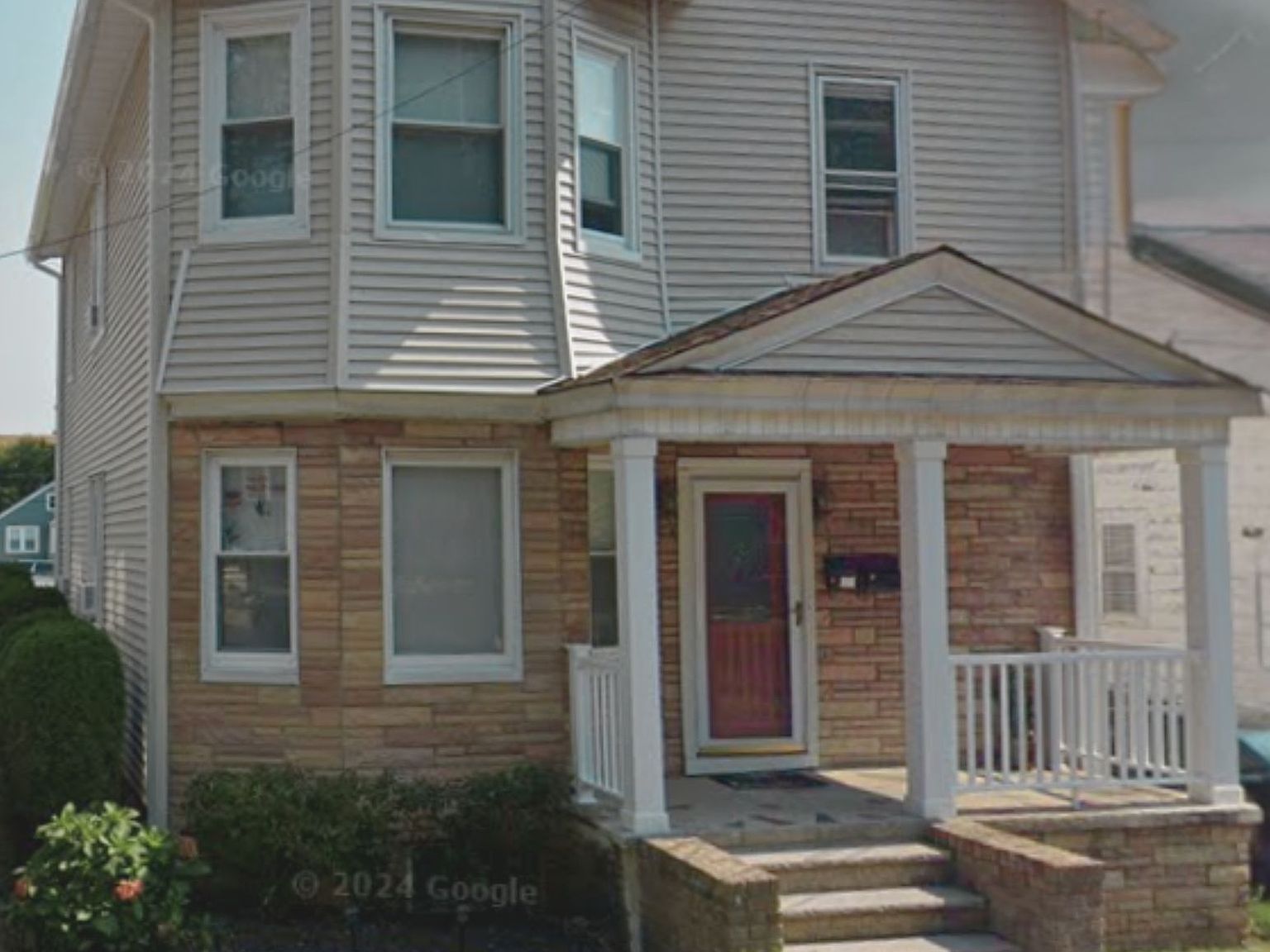
Located in the heart of Lynn, Massachusetts, 269 Union Street is a notable urban property characterized by its mixed-use potential and proximity to the city’s central business district. As of 2026, this location serves as a focal point for understanding local transit-oriented development patterns, municipal zoning requirements, and the evolving economic landscape of the downtown Lynn area.
Historical Context and Urban Development in Lynn
The city of Lynn has undergone significant revitalization efforts over the past two decades. Situated just north of Boston, Lynn is often categorized as a "Gateway City," characterized by its dense urban fabric, historical industrial architecture, and diverse population. 269 Union Street sits within an area that has historically functioned as a transition zone between retail storefronts and residential multi-family housing.
Understanding the significance of an address like 269 Union Street requires looking at the broader municipal planning goals of Lynn. The city has moved toward encouraging higher-density residential development near the MBTA Commuter Rail station. Properties in this vicinity are often evaluated not just for their current physical structure, but for their "highest and best use" under the current Lynn Zoning Ordinance. Because the downtown district is a priority for city planners, properties on Union Street are frequently assessed based on their ability to support the "Lynn 3.0" vision—a strategic plan focused on economic development, infrastructure improvements, and expanded housing capacity.
Zoning and Regulatory Environment
For stakeholders, property owners, or prospective tenants, the most critical aspect of any property in Lynn is its zoning classification. 269 Union Street is subject to the ordinances set forth by the City of Lynn’s Inspectional Services Department and the Office of Economic and Community Development.
The zoning in downtown Lynn is designed to promote a mix of commercial, retail, and residential uses. Prospective users of this space should be aware of the following regulatory considerations:
- Overlay Districts: Much of downtown Lynn is subject to specific overlay districts intended to incentivize development. These overlays may provide relief from standard parking requirements or density limitations if the project meets certain affordability or design criteria.
- Permitting Processes: Any significant change in use for a property at 269 Union Street—such as transitioning from professional office space to residential apartments—requires a formal petition to the Zoning Board of Appeals.
- Historic Considerations: While not every building on Union Street is protected as a landmark, the city often applies design guidelines to ensure that new facade work or structural modifications remain consistent with the architectural character of the historic downtown area.
Evaluating Property Utility
When assessing a property like 269 Union Street, experts typically look at the physical infrastructure of the building in relation to modern fire and life-safety codes. Because many properties in this part of Lynn were constructed in the late 19th or early 20th centuries, they often present unique challenges and opportunities regarding building systems.
- Mechanical Systems: Older buildings may require substantial upgrades to HVAC, electrical service, and plumbing to accommodate modern high-tech business needs or high-density residential occupancy.
- Accessibility: Adherence to the Americans with Disabilities Act (ADA) and the Massachusetts Architectural Access Board (MAAB) regulations is a legal necessity for any public-facing or multi-family property. Owners and developers must ensure that entries, hallways, and common areas at this location meet 2026 standards for accessibility.
- Infrastructure Connectivity: As of 2026, the demand for high-speed fiber-optic connectivity and reliable power infrastructure is non-negotiable for commercial tenants in Lynn’s downtown corridor.
Comparative Site Analysis Table
The following table outlines the general characteristics of properties in the Union Street corridor to help contextualize the utility of 269 Union Street.
| Feature | Typical Downtown Lynn Property | 269 Union St. Contextual Profile |
|---|---|---|
| Primary Usage | Mixed-use (Retail/Resi) | Mixed-use Potential |
| Transit Access | Excellent (MBTA Commuter Rail) | Excellent (Proximity to Central Square) |
| Zoning | High-Density Urban | High-Density Urban |
| Typical Age | 1890s – 1930s | Historical urban core vintage |
| Parking | On-street/Public lots | Limited on-site (Public lot reliance) |
Transportation and Connectivity
One of the defining features of 269 Union Street is its location relative to public transportation. The Lynn MBTA station is within walking distance, providing direct rail access to Boston’s North Station, as well as connections to various bus routes served by the MBTA and the commuter-focused networks of the North Shore.
For commercial enterprises, this level of accessibility is a significant asset. Businesses located on Union Street benefit from a diverse pool of talent that can access the workplace without relying on private vehicles. For residential occupants, the proximity to transit minimizes the necessity of owning a car, which is a major factor in urban affordability calculations in the Greater Boston area.
Challenges of Urban Real Estate in Lynn
Despite the benefits, navigating property ownership or commercial leasing at 269 Union Street involves managing specific risks. Urban redevelopment in Massachusetts is subject to rigorous environmental regulations, particularly regarding the handling of hazardous materials in older structures (e.g., lead paint, asbestos). Furthermore, as the city continues to grow, property owners must contend with:
- Parking Constraints: Downtown Lynn remains a dense area where on-site parking is often scarce. Relying on municipal parking garages or street parking requires careful planning for both business clients and residents.
- Construction Costs: Material and labor costs in the Massachusetts market remain high as of 2026. Any renovation project at 269 Union Street must be meticulously budgeted to ensure it remains economically viable, especially when meeting modern energy efficiency standards.
- Community Integration: Developments in the downtown core are closely watched by neighborhood associations and community groups. Successful projects are those that engage with the local community early in the planning process.
Frequently Asked Questions
1. Is 269 Union Street currently zoned for residential use? Zoning in downtown Lynn is fluid due to overlay districts. While a property may have a historical commercial designation, the city has been actively rezoning many downtown corridors to allow for mixed-use, including residential apartments. You must verify the current status via the Lynn Assessor’s online database or the Inspectional Services Department.
2. How do I find the owner of this property? Property ownership in Massachusetts is public record. You can access the official records for 269 Union Street through the Essex South District Registry of Deeds or the City of Lynn’s online GIS (Geographic Information System) parcel viewer.
3. What permits are required for renovations at this address? Any renovation affecting structural, electrical, plumbing, or fire safety systems requires a building permit from the City of Lynn’s Inspectional Services Department. Larger scale projects may also require a site plan review from the Planning Board.
4. Is there designated parking for 269 Union Street? Most buildings along Union Street have limited private off-street parking. Residents and businesses typically utilize a combination of private spots (if available) and the various public parking facilities managed by the City of Lynn.
5. How does the 2026 real estate market affect downtown Lynn? As of 2026, the Lynn market continues to be driven by spillover demand from Boston. Proximity to the train station remains the primary driver of value for properties like 269 Union Street, as workers seek more affordable alternatives to downtown Boston or Cambridge without sacrificing transit convenience.
Next Steps and Professional Guidance
If you are evaluating 269 Union Street for investment, leasing, or development, the most effective first step is to consult the official records. Visit the City of Lynn’s official website to view the current tax map and zoning map for the specific parcel.
Before making any financial commitments, it is strongly advised to engage with a local commercial real estate attorney or a planning consultant familiar with the Lynn regulatory environment. They can help navigate the specific requirements for building codes, environmental liability, and zoning variances that may apply to this site. For physical assessment, hiring a licensed commercial property inspector will provide the necessary insight into the building's current structural and system-wide health, ensuring that your long-term plans align with the realities of the property’s current condition.