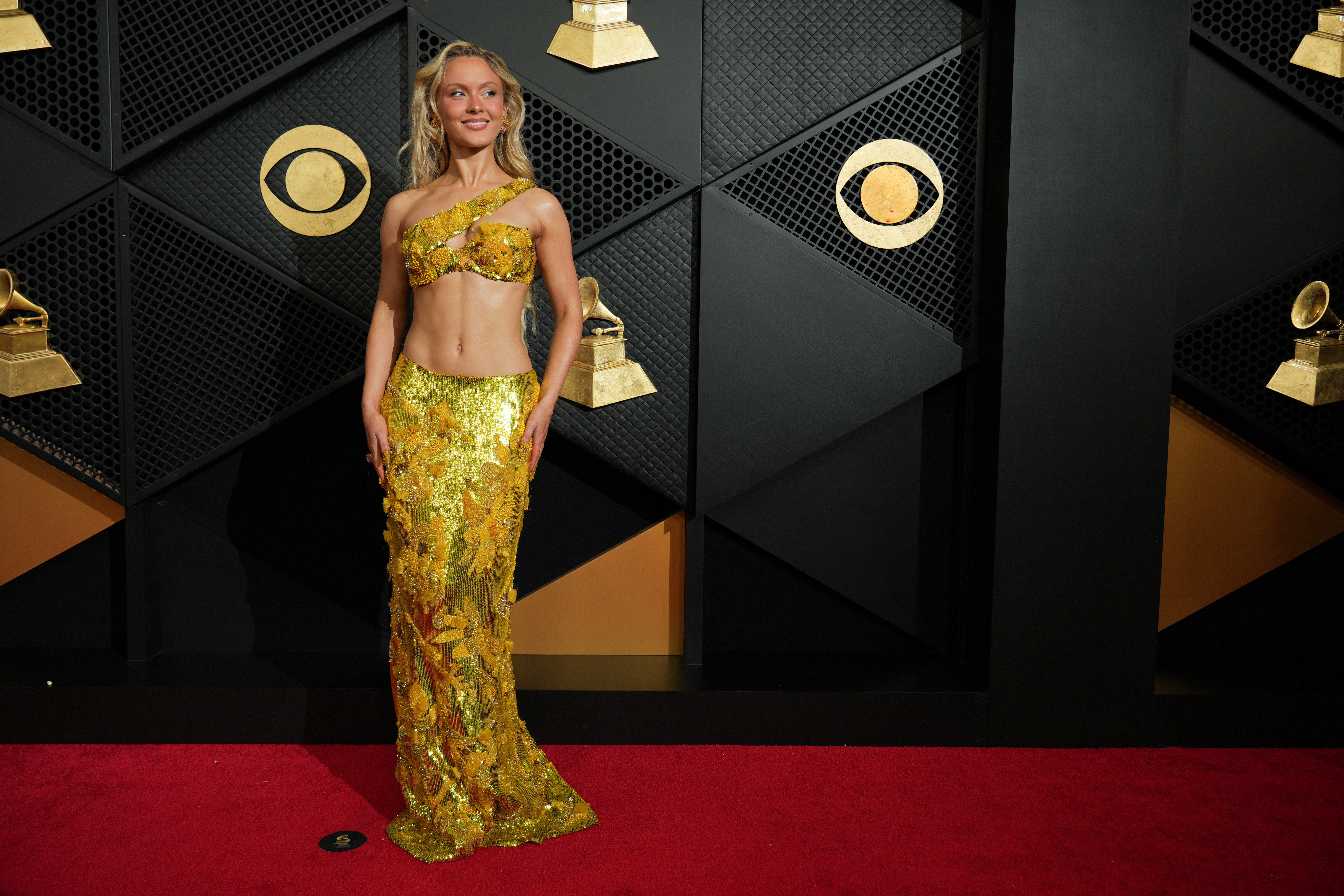
The 2026 Grammy Awards cycle represents a year-long evolution of fashion, starting with the initial design consultations in the autumn of 2025 and culminating in the high-stakes style statements presented on the red carpet in February 2026. This timeline tracks the intricate collaboration between artists, stylists, and fashion houses as they prepare for the music industry's most significant aesthetic event.
The Seasonal Development of Grammy Fashion
The preparation for the 2026 Grammy Awards does not begin in the final days of January; it is a meticulously managed process that often begins months in advance. The timeline is dictated by the intersection of the awards calendar, the international fashion show schedule, and the specific personal branding of the artists scheduled to perform or present.
Phase 1: Planning and Concept Mapping (October – November 2025)
Immediately following the announcement of the nominations, stylists and artists begin their initial strategy meetings. This phase is less about specific garments and more about establishing a narrative. Artists and their teams analyze their upcoming album cycles, visual identities, and personal goals for the year. This is the period when "mood boards" are finalized, setting the tonal direction for the upcoming awards season.
During this time, stylists reach out to major fashion houses and emerging designers to communicate the artist’s vision. For high-profile nominees, this stage involves securing "first right of refusal" for runway looks that debuted during the Spring/Summer 2026 collections, which were showcased on global runways in the fall of 2025.
Phase 2: Fabrication and Couture Fittings (December 2025 – January 2026)
Once the creative direction is solidified, the logistical work begins. For custom-made pieces, this is the most intense period of creation. Skilled ateliers in Paris, Milan, and New York begin the process of fabric sourcing, drafting patterns, and executing the initial muslin fittings.
This phase is prone to technical challenges. Adjustments are frequently required as the artist’s performance schedule fluctuates, affecting their travel and availability for fittings. Stylists coordinate with jewelry houses and footwear designers to ensure that accessories are not merely decorative but integrated into the structural integrity of the garments. The goal is to avoid last-minute alterations that could compromise the silhouette.
Phase 3: The Pre-Awards Press Cycle (Early February 2026)
While the red carpet is the primary focal point, the Grammy "looks" timeline encompasses the full week leading up to the ceremony. This includes pre-Grammy galas, industry brunches, and private performances. Stylists often plan a "wardrobe arc"—a series of coordinated looks that tell a cohesive story across several days of public appearances. This prevents audience fatigue and ensures that the artist remains relevant in the social media discourse leading up to the main event.
Critical Coordination Points in the Styling Pipeline
The success of a Grammy look depends on a series of critical handoffs. Each stage must be executed with precision to avoid the common pitfalls of shipping delays, poor tailoring, or lack of creative cohesion.
| Phase | Primary Focus | Key Stakeholders |
|---|---|---|
| Concept Phase | Mood boarding & narrative | Artist, Stylist, Creative Director |
| Sourcing Phase | Runway pulls & custom inquiries | PR Representatives, Fashion Houses |
| Fabrication Phase | Fittings & structural adjustments | Ateliers, Seamstresses, Stylists |
| Logistic Phase | Shipping & final prep | Logistics Teams, Brand Liaisons |
| Event Phase | Final styling & touch-ups | Hair/Makeup Artists, Stylists |
The Role of Custom Couture
Unlike standard red carpet appearances, the Grammys often serve as a platform for avant-garde expression. Many artists opt for custom-designed couture that pushes the boundaries of traditional red carpet norms. This requires a deeper level of collaboration than simply borrowing items from a showroom. The designer and artist must work in tandem to ensure the garment is functional for the specific requirements of the evening, whether that involves walking the red carpet, navigating stadium-sized venues, or facilitating potential costume changes for live stage performances.
Avoiding Common Pitfalls in Red Carpet Planning
Even with a well-defined timeline, the industry is rife with potential failures. Understanding these pitfalls is essential for both aspiring industry professionals and observers of fashion trends.
1. Logistics and Transit Failures
One of the most frequent issues is the late arrival of garments. International shipments can be delayed by customs or courier errors. To mitigate this, high-level styling teams typically employ private transport for sensitive couture pieces to ensure they are under personal supervision from the atelier to the final destination.
2. Tailoring Deficiencies
A garment that looks perfect on a runway model may fail on an artist with a different body type if the tailoring is not precise. The Grammy timeline necessitates at least two to three "in-person" fittings to address micro-adjustments in weight, shoulder slope, and hem length. Ignoring these adjustments often leads to the public "fashion critique" that characterizes post-event discourse.
3. Misalignment with Personal Brand
A recurring mistake is prioritizing a "trendy" look over an artist's personal brand identity. Stylists who force a high-fashion look that feels disconnected from the artist's musical persona often result in looks that are technically impressive but culturally forgettable. The most successful Grammy looks in 2026 are those that feel like a natural extension of the artist's current sonic era.
The Influence of Digital Media on the Timeline
In 2026, the traditional red carpet timeline is heavily influenced by the immediate feedback loops of social media platforms. Stylists now consider how a garment will look not just in person, but in high-definition video captures, vertical mobile formats, and trending social media clips.
This digital lens has changed the "look" itself. Materials are chosen for how they react to camera flashes, and structural elements are tested to ensure they maintain their shape during interviews and dynamic movement. The timeline now includes a "tech-check," where the stylist views the look through a smartphone camera to simulate the perspective of millions of viewers watching via live stream.
Frequently Asked Questions
How far in advance do stylists choose Grammy looks?
Stylists generally start securing "pulls" (requested garments) 6 to 8 weeks before the event. However, the high-level conceptualization begins immediately after nominations are released in the fall, allowing enough runway for custom commission builds.
Why do some artists have multiple looks for one Grammy night?
Artists often have different aesthetic needs for the arrival, the main ceremony, and the post-ceremony celebrations. Multiple looks allow for brand diversity, enabling the artist to wear an architectural statement piece on the red carpet while opting for more functional, high-end designs during the later parts of the evening.
Who handles the insurance for high-end couture worn at the Grammys?
Insurance for red carpet looks is typically handled by a combination of the fashion house (as the owner of the piece) and the artist's management firm. For extremely rare pieces or high-value vintage items, specialized event insurance is purchased to cover potential damage or loss during the event window.
What happens to a garment after the Grammys?
Most runway pieces are returned to the fashion house’s archives or to a high-end rental showroom. Custom couture pieces, however, are often kept by the artist as archival items or donated to museums and archives, depending on the historical significance of the performance or the cultural impact of the specific appearance.
How are stylists involved in the performance aspect?
When an artist is also performing, the stylist must coordinate with the choreography team. The performance garment must be engineered to withstand rigorous movement, potentially incorporating hidden fasteners, sweat-wicking linings, or internal structural supports that are invisible to the audience.
Next Steps for Fashion Professionals
If you are working within the industry or looking to understand the mechanics behind these events, the priority should be mastering the logistical coordination between the creative vision and the material reality. Begin by documenting the lead times for your specific vendors—from tailor turnaround to courier speed. Establishing a reliable network of local, high-end atelier support can mitigate the risks of international shipping delays. Finally, always document the "technical specifications" of a look during the fitting phase to ensure that your team can troubleshoot any garment failures on the night of the event.