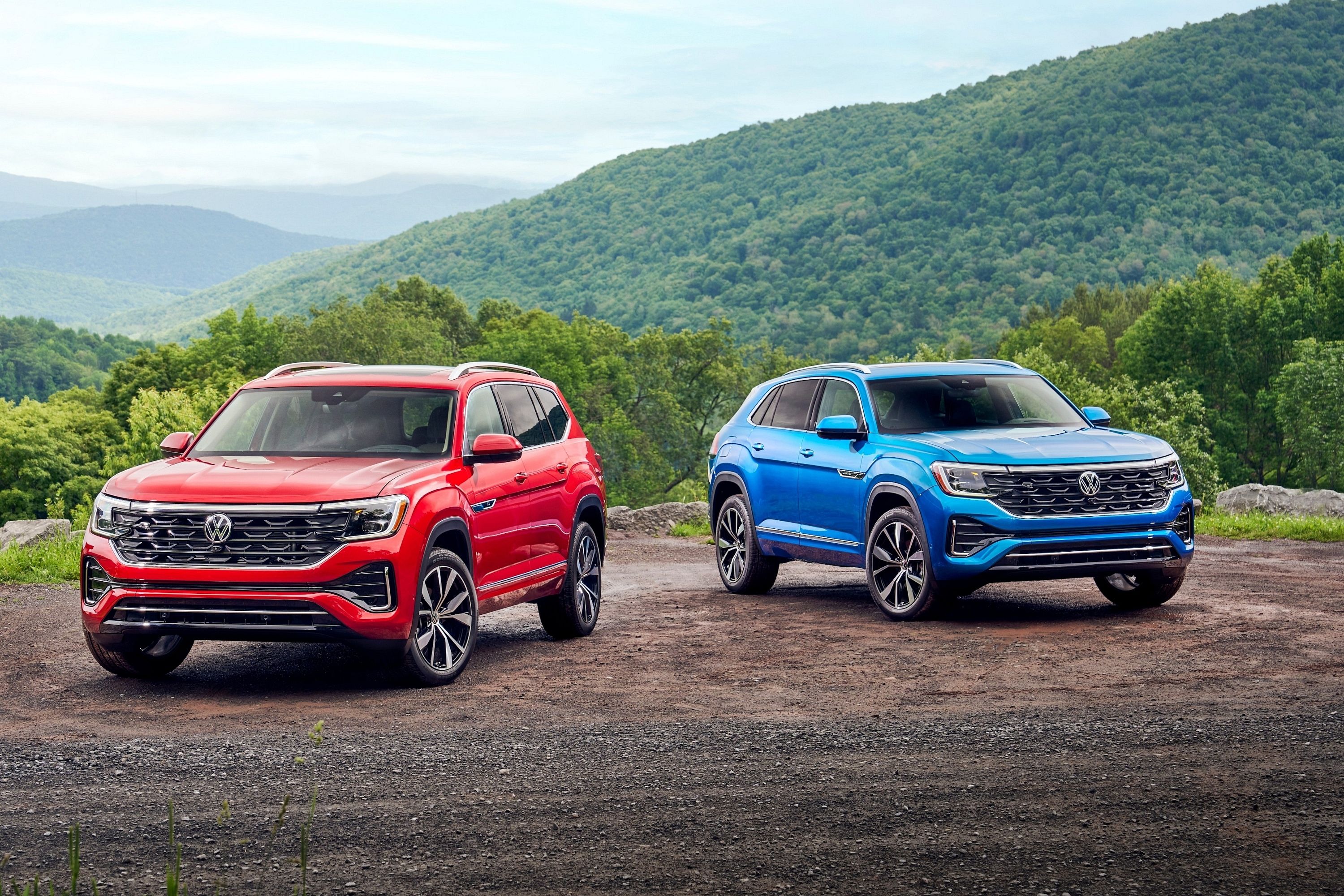
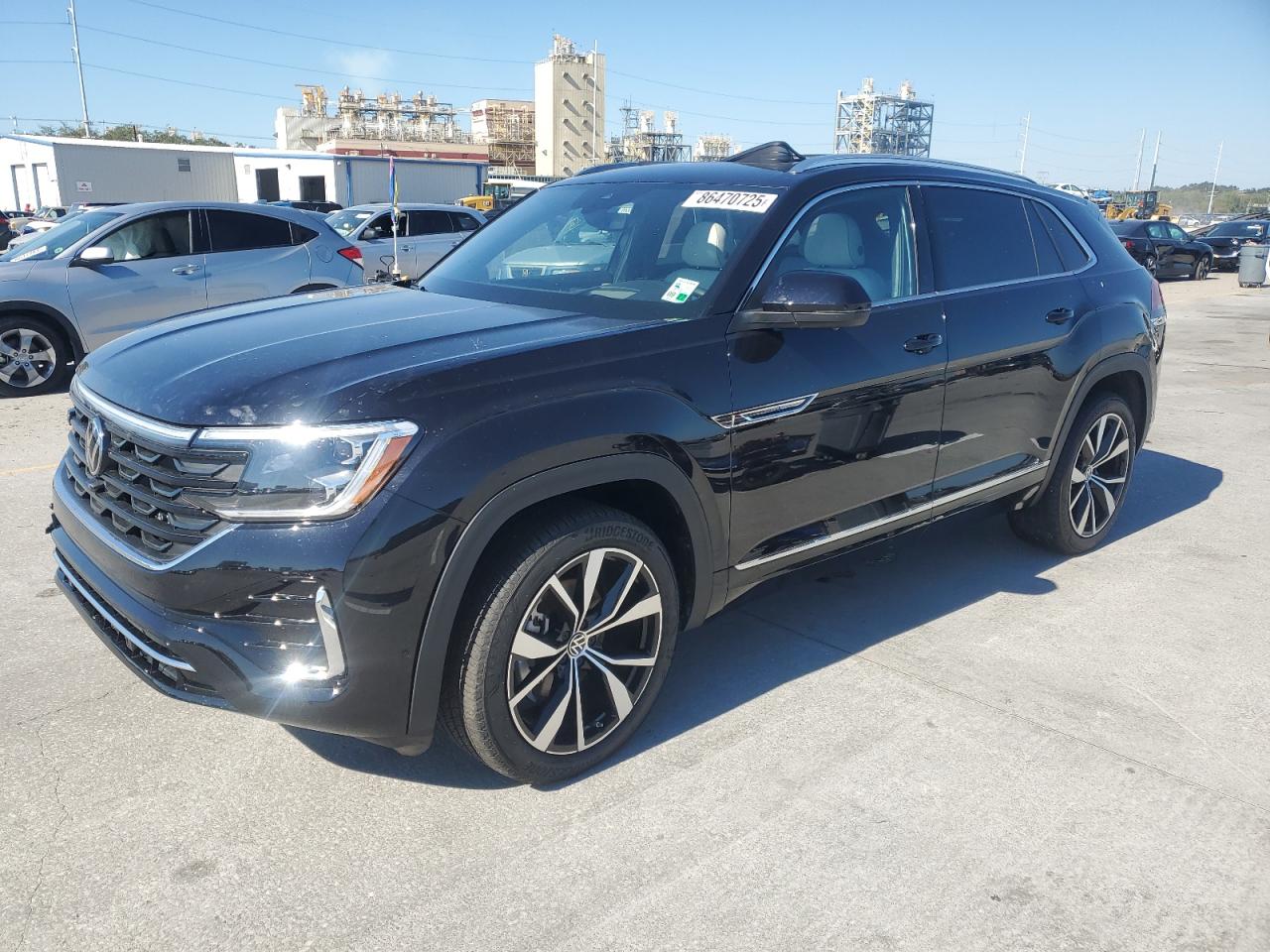
The 2025 Volkswagen Atlas Sport, commonly referred to by consumers and automotive analysts as the Atlas Cross Sport, serves as the two-row, coupe-styled variant of the brand’s flagship midsize SUV. It combines the refined interior technology and safety systems of the traditional three-row Atlas with a more aggressive, aerodynamic aesthetic, optimized for drivers prioritizing passenger comfort and cargo versatility over maximum seating capacity.
Design Evolution and Exterior Aesthetics
The 2025 iteration of the Atlas Cross Sport carries forward the significant exterior refresh introduced in the previous model year. The design language focuses on a more assertive front fascia, characterized by an illuminated Volkswagen logo—a feature that became standard across most trims—and an integrated light bar that connects the adaptive front-lighting system (AFS) headlights.
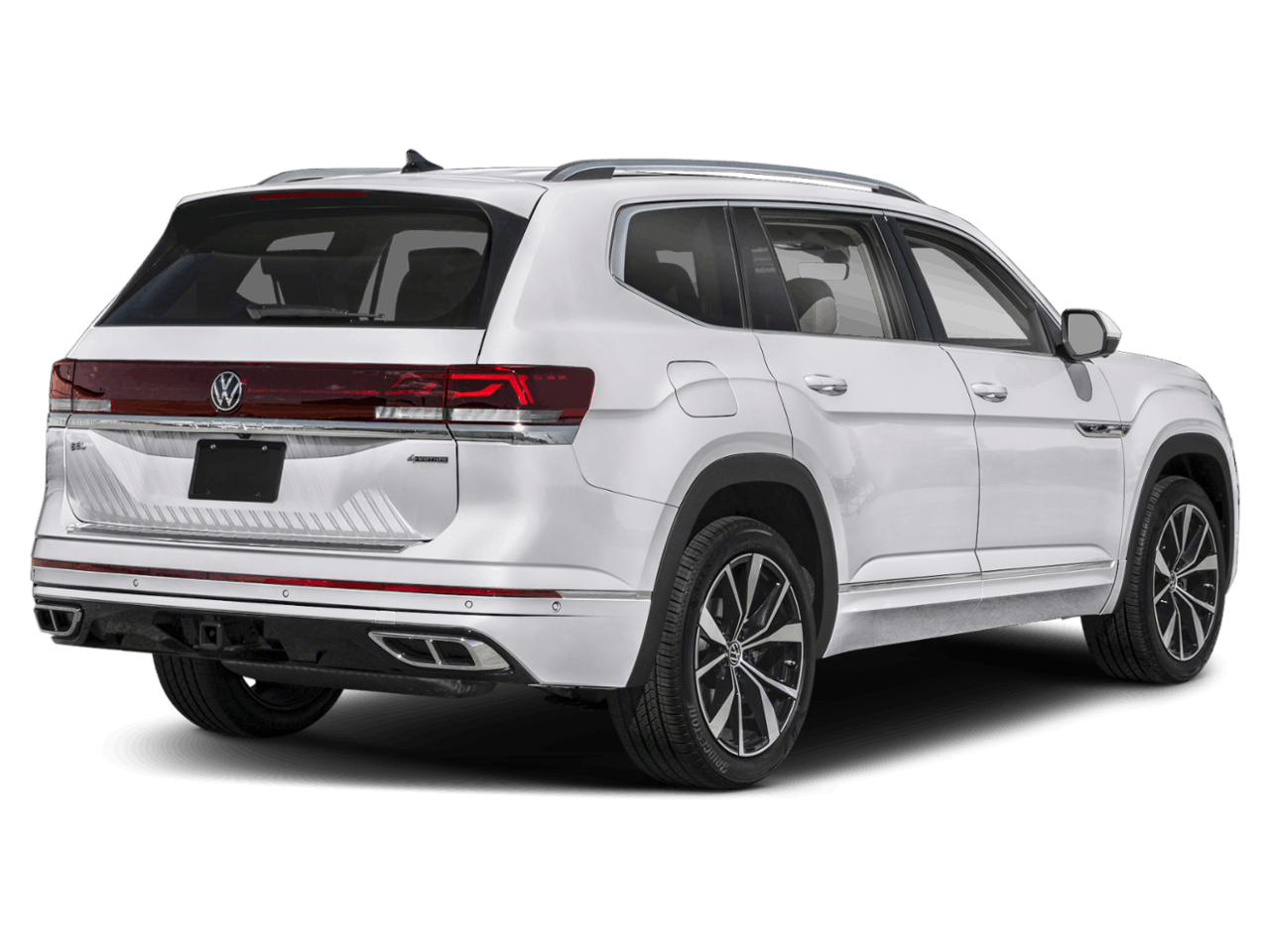
The "Sport" identity is primarily defined by the sloping roofline. Unlike the squared-off silhouette of the standard Atlas, the Sport variant features a raked D-pillar and a liftgate design that emphasizes a wider, more planted stance. This design choice is not merely cosmetic; it creates a distinct separation between the family-oriented three-row SUV market and the lifestyle-oriented two-row midsize segment. The rear profile is rounded out by a sculpted spoiler and a horizontal tail-light treatment that mirrors the front-end illumination, ensuring a cohesive design identity.
Powertrain and Engineering Specifications
Under the hood, the 2025 Volkswagen Atlas Sport relies exclusively on a singular powertrain configuration, standardizing the lineup to focus on efficiency and torque delivery. Every model is equipped with a 2.0-liter turbocharged four-cylinder TSI engine. This engine produces 269 horsepower and 273 lb-ft of torque.
The decision to move away from the VR6 engine—which was a hallmark of earlier generations—was driven by the need to optimize fuel efficiency and reduce emissions without sacrificing drivability. The 2.0L engine is paired with an eight-speed automatic transmission, which offers smooth power delivery across the mid-range RPM band. Owners can choose between front-wheel drive (FWD) and Volkswagen’s 4Motion all-wheel-drive system. The 4Motion system uses an active control center that allows drivers to switch between various modes, including Snow, On-Road, Off-Road, and Off-Road Custom, providing meaningful adaptability for varying road conditions.
Interior Environment and Technology Integration
Inside the 2025 model, the focus is squarely on modern ergonomics and premium materials. Volkswagen has emphasized a "soft-touch" approach, with high-quality dashboard materials and synthetic leather upholstery becoming standard on mid-to-high-tier trims.
The centerpiece of the cockpit is the 12-inch floating infotainment display. This system supports wireless App-Connect, including Apple CarPlay and Android Auto, as standard features. Complementing the central screen is the 10.25-inch Volkswagen Digital Cockpit Pro, a reconfigurable instrument cluster that allows the driver to prioritize navigation data, media information, or traditional dial layouts.
In terms of space, the absence of a third row provides substantial benefits. The rear-seat legroom is generous, and the cargo area offers a flat floor that accommodates large items more effectively than the standard three-row Atlas when the latter’s seats are folded. Passengers in the back benefit from dedicated climate control zones and multiple USB-C charging ports, reflecting the vehicle's role as a primary transporter for families or commuters.
Safety Systems and Driver Assistance
Volkswagen’s IQ.DRIVE suite of driver assistance technology is a standard feature for the 2025 Atlas Sport. This technology package is critical for modern highway navigation, as it integrates several active safety measures into a unified system:
- Travel Assist: A hands-on semi-autonomous driving feature that combines Adaptive Cruise Control with Lane Keeping Assist to help the vehicle maintain speed and position within the lane.
- Front Assist: Forward Collision Warning and Autonomous Emergency Braking, capable of detecting pedestrians and cyclists.
- Active Blind Spot Monitor: This system provides alerts when vehicles are in the driver's blind spot and can intervene if the driver attempts a lane change while a vehicle is detected.
- Emergency Assist: If the system detects that the driver is unresponsive, it can slow the vehicle down and bring it to a controlled stop while keeping the car in its lane.
Comparative Analysis: Atlas Sport vs. Competitors
When evaluating the 2025 Atlas Sport against other two-row midsize SUVs, potential owners should consider the trade-offs between brand-specific features and general segment performance. The table below outlines key considerations.
| Feature | 2025 VW Atlas Sport | Typical Segment Competitor |
|---|---|---|
| Seating Capacity | 5 Adults | 5-7 Adults |
| Standard Engine | 2.0L Turbocharged I4 | V6 or Turbocharged I4 |
| Max Towing | 5,000 lbs | 3,500 - 5,000 lbs |
| Infotainment | 12-inch Floating Touchscreen | 8-12 inch Integrated |
| Drive System | FWD / 4Motion AWD | FWD / AWD |
The primary advantage of the Atlas Sport is its interior volume. While some competitors in the two-row space offer more horsepower through larger naturally aspirated engines, the Atlas Sport provides a broader torque curve, which is often more beneficial for real-world driving situations such as highway merging and overtaking.
Maintenance and Long-term Considerations
As of 2026, the 2025 model year vehicles are entering the secondary phase of their ownership lifecycle. Maintenance schedules for the 2.0L TSI engine are generally straightforward, but require adherence to specific intervals to maintain engine performance and turbo longevity.
- Oil Changes: Synthetic oil changes are recommended every 10,000 miles, though many experts suggest more frequent changes (every 7,500 miles) if the vehicle is subjected to heavy city traffic or frequent short-distance trips.
- Transmission Service: The eight-speed transmission is designed for longevity, but fluid checks are recommended every 60,000 to 80,000 miles.
- Tire Rotation: Due to the vehicle's size and weight distribution, rotating tires every 5,000 to 7,000 miles is essential to avoid uneven wear on the front axles, particularly in FWD configurations.
Owners should consult their specific service manual for warranty-specific maintenance requirements to ensure compliance with Volkswagen's limited warranty coverage.
Common Limitations and Troubleshooting
While the 2025 Atlas Sport is well-regarded for its comfort and utility, some users have reported challenges with the haptic-touch controls on the steering wheel and the centralized infotainment interface. Because the climate controls are largely integrated into the touchscreen, simple adjustments can sometimes require more attention than traditional physical buttons.
- Infotainment Freezing: If the screen becomes unresponsive, a hard reset can usually be performed by holding down the power button for approximately 10 to 15 seconds.
- Connectivity Drops: If Apple CarPlay or Android Auto experiences connectivity issues, ensuring the vehicle's software is updated to the latest available version via the internal menu or a service center visit is the primary troubleshooting step.
- Storage Limitations: For those moving from larger SUVs, the absence of the third row is an advantage, but some users find the sloping roofline reduces the vertical clearance in the cargo bay for boxy items.
Frequently Asked Questions
Does the 2025 Volkswagen Atlas Sport come with a third row? No, the Atlas Sport is specifically designed as a two-row vehicle. The third row is exclusively available in the standard Volkswagen Atlas model. The removal of the third row in the Sport allows for a more raked roofline and increased legroom for second-row passengers.
What is the maximum towing capacity of the 2025 Atlas Sport? When properly equipped with the towing package, the 2025 Atlas Sport is rated to tow up to 5,000 pounds. This is sufficient for small travel trailers, boat trailers, or utility trailers, but always verify your specific configuration's tow rating in the manual before attempting to tow.
Is the illuminated logo standard on all trim levels? The illuminated front logo is a signature feature for the 2025 model year, but availability can vary by trim level. It is typically found on the higher-tier trims, while base models may feature a standard chrome or black-finish emblem. Check the specific window sticker of the unit to confirm.
How does the 4Motion all-wheel-drive system work? The 4Motion system is an intelligent, reactive all-wheel-drive setup. Under normal driving conditions, the system powers the front wheels to improve fuel efficiency. When the system detects wheel slip, it can redistribute power to the rear wheels in milliseconds to regain traction.
What is the fuel economy like compared to older V6 models? The 2.0L turbocharged engine generally offers better fuel efficiency in both city and highway driving compared to the older VR6 engines. However, real-world fuel economy is highly dependent on driving habits and the use of the 4Motion system.
Recommendations for Prospective Owners
If you are currently evaluating the 2025 Volkswagen Atlas Sport, the best next step is to conduct a test drive that simulates your actual daily driving environment. Pay close attention to the haptic interface—ensure that you are comfortable navigating the climate and audio settings while in motion. Additionally, if you plan to utilize the vehicle for towing, ensure you secure a model factory-equipped with the heavy-duty cooling components associated with the maximum tow rating. For ongoing peace of mind, verify the remaining factory warranty coverage if purchasing a pre-owned model, as Volkswagen’s warranty transferability rules are specific to the original in-service date.