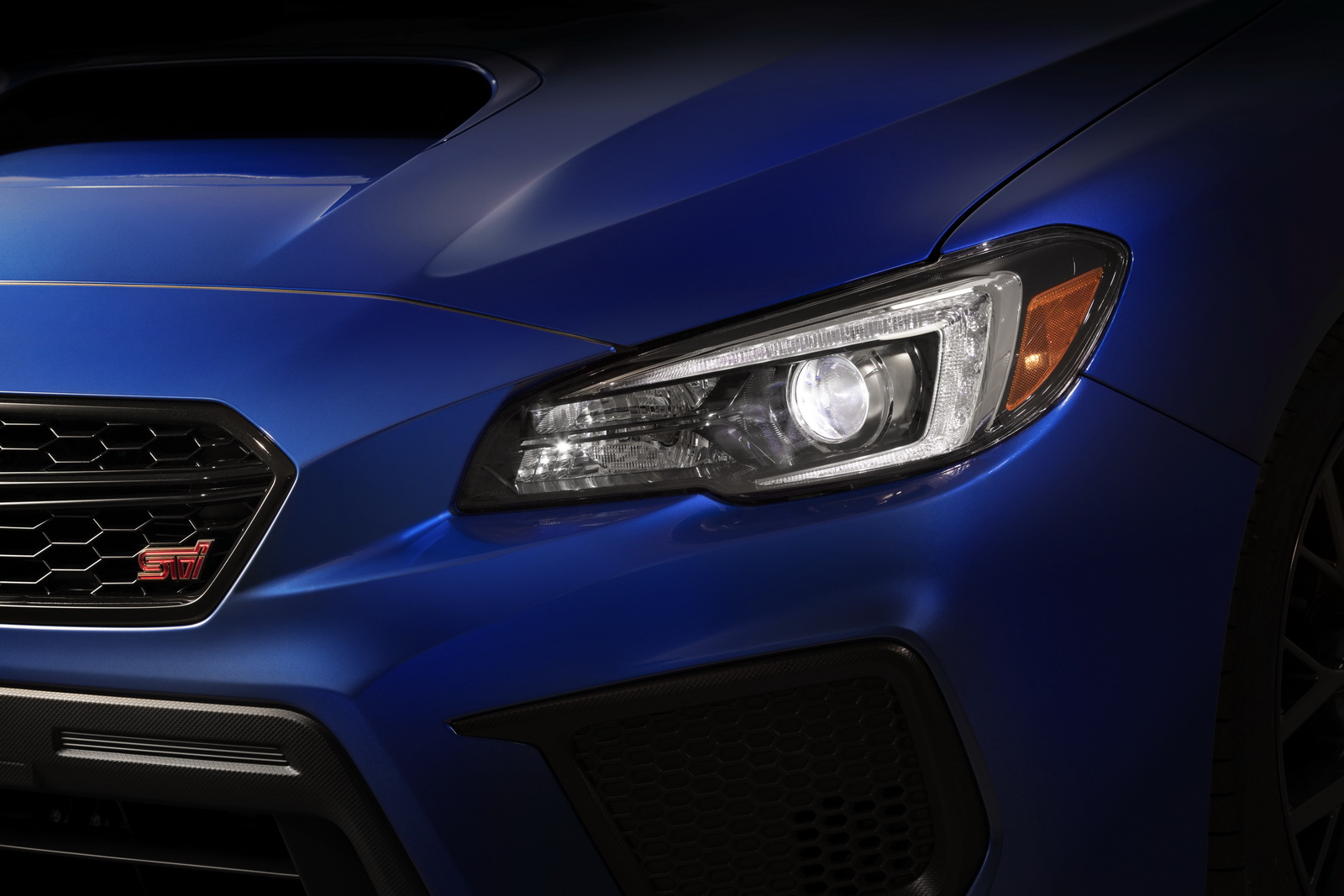
Optimizing the 2018 Subaru WRX involves a strategic balance of increasing engine airflow, refining electronic engine management, and improving handling dynamics. Because the FA20F engine utilizes a sophisticated direct-injection system, the most effective performance path centers on high-quality bolt-on components paired with a reliable custom tune to ensure engine longevity and power consistency.
Understanding the FA20F Platform
The 2018 Subaru WRX is powered by the 2.0-liter turbocharged FA20F flat-four engine. Unlike the older EJ series engines, the FA20F features direct fuel injection, which provides impressive thermal efficiency but creates specific sensitivities regarding air-fuel ratios and intake system geometry. When modifying this platform, the primary goal for most owners is to eliminate the restrictive factory exhaust and intake components while mitigating the "rev hang" and inconsistent power delivery characteristic of the factory software.
Before initiating any performance modifications, it is essential to establish a baseline of mechanical health. High-performance modifications can exacerbate existing issues such as worn spark plugs, carbon buildup on intake valves—common in direct-injection engines—or weak ignition coils. Ensure your vehicle has up-to-date maintenance, specifically fresh high-quality synthetic oil and a clean air filter, before proceeding with power-adding upgrades.
The Foundation: Tuning and Airflow
The most critical rule for modifying a 2018 WRX is that any modification altering airflow must be accompanied by an ECU calibration (tuning). Because the factory computer is calibrated for the stock intake and exhaust, changing these components without updating the software can lead to dangerous lean conditions, which may cause catastrophic engine failure.
Accessport and Custom Tuning
The gold standard for the WRX platform is the Cobb Accessport. This device serves as the gateway for flashing the ECU with new maps. While "off-the-shelf" (OTS) maps are available for basic bolt-ons, a custom tune—performed by a professional using a dyno or via road-logging—is significantly safer and provides more consistent power. A custom tuner adjusts ignition timing, boost targets, and fuel tables specifically for your vehicle's unique configuration and local fuel quality.
Cold Air Intakes (CAI)
A cold air intake is often the first modification owners choose, primarily for the improved intake sound and aesthetics. However, the MAF (Mass Air Flow) sensor on the FA20F is highly sensitive to the diameter and routing of the intake pipe. Choosing an intake from a reputable manufacturer that requires a specific tune is vital. An improperly calibrated intake will result in erratic idle and poor fuel trim management.
Exhaust System Upgrades
The factory exhaust system is designed for emissions compliance and noise reduction, which inherently introduces backpressure. Upgrading the exhaust is not only beneficial for power but also crucial for heat management in the turbocharger manifold.
- J-Pipe (Downpipe): This is the most restrictive component in the exhaust system. Upgrading to a high-flow catted J-Pipe allows the turbo to spool faster and reduces exhaust gas temperatures. Note that this modification usually triggers a check engine light if not properly accounted for in the tuning software.
- Cat-Back Exhaust: A cat-back system replaces everything from the catalytic converter to the tips. This modification provides the signature Subaru rumble and allows the engine to breathe more freely at high RPMs. It generally does not require a tune, making it an excellent starting point for those who want sound without immediately committing to engine management changes.
- Axle-Back Exhaust: For those prioritizing sound over maximum performance, an axle-back system replaces only the mufflers. It is the most cost-effective way to improve the exhaust note while maintaining stock emissions compliance and avoiding the need for an ECU tune.
Intercooling and Thermal Efficiency
The top-mount intercooler (TMIC) on the 2018 WRX is prone to "heat soak," where the core retains heat from the engine bay, reducing the density of the intake charge and lowering overall power.
Upgrading to a larger, more efficient TMIC or a front-mount intercooler (FMIC) setup helps maintain consistent power during spirited driving or hot weather. A larger TMIC is often a "drop-in" upgrade that requires no modification to the chassis, while an FMIC provides superior cooling but often requires trimming the bumper and front crash support, increasing installation complexity.
Comparison of Popular Performance Upgrades
| Modification | Impact on Power | Tune Required | Complexity |
|---|---|---|---|
| ECU Custom Tune | High | Yes | Low |
| High-Flow J-Pipe | High | Yes | High |
| Cold Air Intake | Moderate | Yes | Low |
| Upgraded TMIC | Moderate | Recommended | Medium |
| Cat-Back Exhaust | Low/Moderate | No | Low |
Drivetrain and Handling Enhancements
While engine mods increase power, they mean little if the vehicle cannot transfer that power to the road effectively. The 2018 WRX chassis benefits significantly from subtle suspension and drivetrain tweaks.
- Shift Stop and Bushings: The factory shifter assembly in the 2018 WRX has significant "slop," especially in the first and second gear gates. A shifter stop significantly reduces side-to-side play, providing a more mechanical and precise feel. Pairing this with a weighted shift knob and upgraded shifter bushings can transform the driving experience for a relatively low cost.
- Rear Sway Bar: The WRX tends to understeer when pushed hard into a corner. A thicker rear sway bar increases stiffness at the rear, helping the car rotate more naturally and improving overall turn-in response.
- Performance Tires: Tires are the single most important factor in how a vehicle handles. Upgrading from the factory all-season rubber to a dedicated summer performance tire provides a massive increase in grip, braking performance, and steering feedback.
Common Mistakes and Troubleshooting
The most common mistake owners make is "part-swapping" without professional guidance. Buying parts based solely on advertisements often leads to a vehicle that feels worse than stock or, worse, suffers from mechanical failure.
- The "Stage" Misconception: Beginners often obsess over "Stage 2" or "Stage 3" labels. These terms are marketing shorthands; they do not represent a standardized rulebook. Focus on the individual needs of your engine rather than chasing an arbitrary stage label.
- Fuel Quality: Always use the highest octane fuel available in your region (typically 93 octane). The FA20F is prone to knock (detonation) if run on lower-quality fuel, which can destroy the engine's internal components.
- Verification: After installing performance parts, always monitor the vehicle using your Accessport. Keep an eye on "Feedback Knock" and "Fine Knock Learn." If these numbers show frequent, high-magnitude corrections, stop driving the vehicle and consult a professional tuner immediately.
Professional Guidance and Safety Limitations
Modifying a vehicle for performance involves inherent risks. Increasing boost pressure and power output places more stress on the transmission, clutch, and engine internals. Always factor in the cost of potential repairs when planning your build budget.
If you are unsure about an installation or the compatibility of two parts, consult a local performance shop that specializes in the Subaru platform. Their experience with the specific nuances of the FA20F engine can save you from costly mistakes. Additionally, check your local laws regarding emissions equipment; removing or replacing catalytic converters with non-compliant parts may render your vehicle illegal for street use and ineligible for emissions testing. This guide is for informational purposes; always prioritize professional installation and mechanical inspection for any hardware affecting engine safety.
Frequently Asked Questions
Does a cat-back exhaust void my warranty? Generally, a cat-back exhaust should not void your factory powertrain warranty under the Magnuson-Moss Warranty Act, as it does not fundamentally change engine operation. However, any modification that leads to an engine failure can be scrutinized by the manufacturer, particularly if you have also installed a tune.
What is the best "first" mod for a 2018 WRX? The most recommended first modification is a high-quality shift stop and a professional ECU tune. The tune solves the drivability issues and rev hang, while the shift stop immediately improves the tactile connection between the driver and the transmission.
How much power can the stock block handle? The FA20F connecting rods are generally considered the "weak link." Most tuners agree that staying below 330–350 wheel horsepower (whp) on the stock block is the "safe" zone. Beyond this, you risk bending a rod, which would require an engine rebuild.
Why does my car feel slower after installing an intake? If you installed a cold air intake without a corresponding tune, the engine is likely running at an incorrect air-fuel ratio. The ECU is struggling to compensate for the change in airflow, resulting in "limp mode" or aggressive timing pull. This is dangerous; stop driving and get the car tuned.
Is an intercooler upgrade necessary for a daily driver? If you live in a warm climate or participate in autocross, yes. Even for a daily driver, a larger intercooler prevents the power loss associated with heat soak during stop-and-go traffic or sustained acceleration, making the power delivery much more consistent throughout the day.
Final Recommendation
To begin your journey with the 2018 WRX, start by addressing the tactile connection with the car and the software. Install a shifter stop for precision and purchase a Cobb Accessport paired with a professional custom tune from a reputable tuner. Once the foundation is stable, move toward a high-flow J-Pipe and an intercooler upgrade for reliable power gains. Always prioritize tires and suspension before chasing maximum horsepower figures to ensure the vehicle remains balanced and enjoyable to drive.