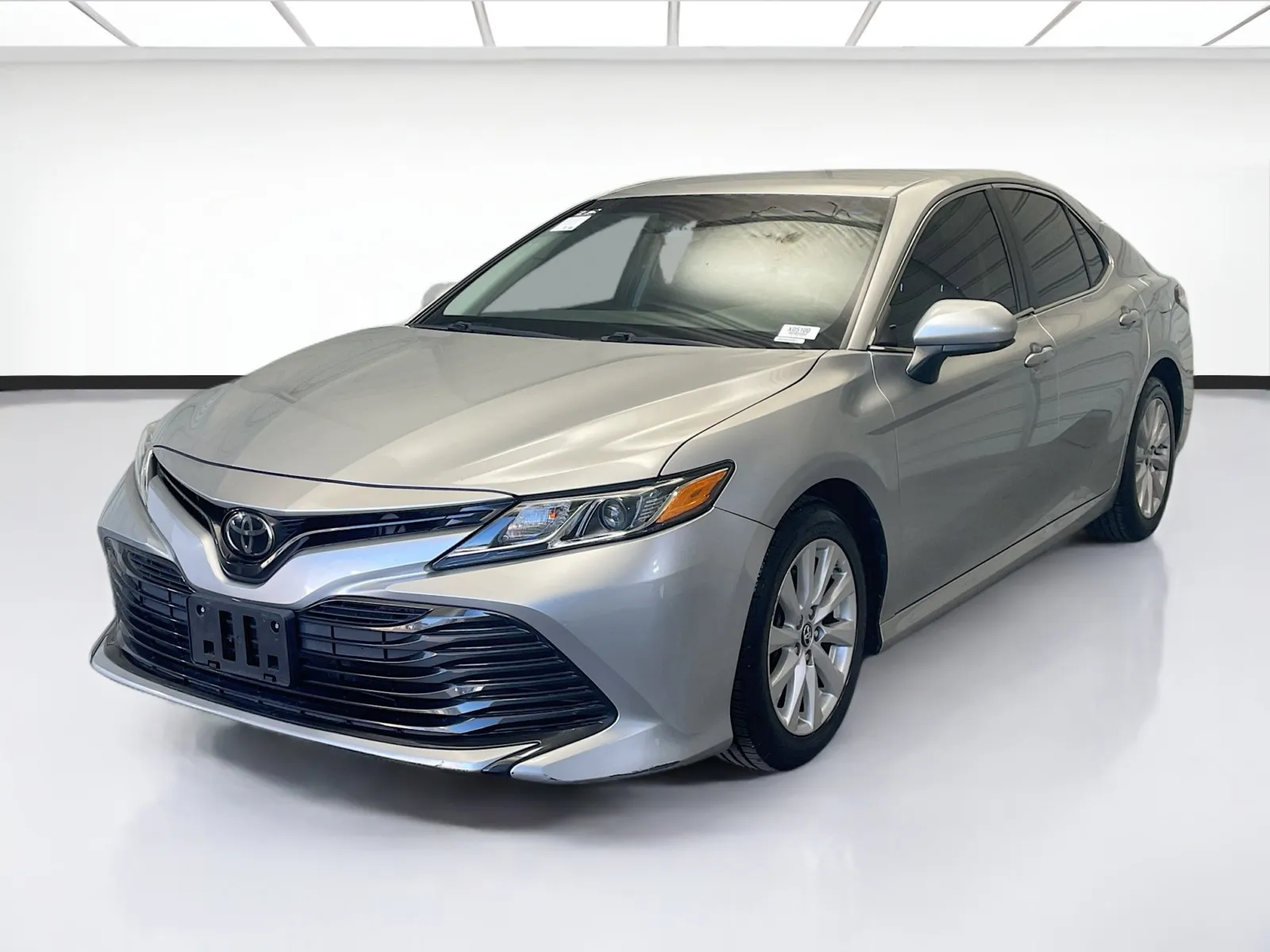
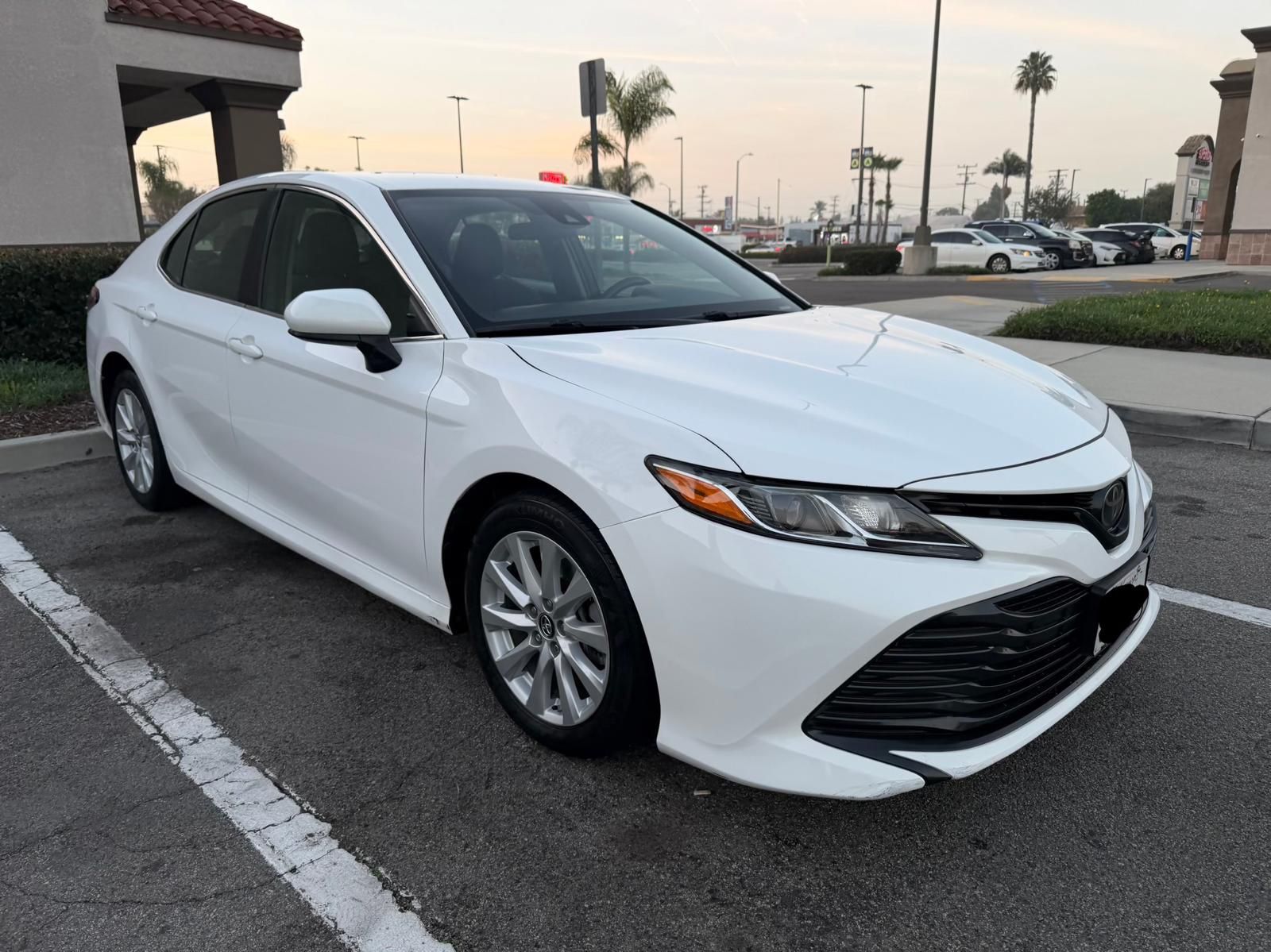
The 2018 Toyota Camry LE stands out as a highly reliable, fuel-efficient midsize sedan that marked the launch of the model’s eighth generation. Featuring a 203-horsepower 2.5-liter four-cylinder engine, standard Toyota Safety Sense P, and a refined ride on the TNGA platform, it offers an ideal balance of practicality and long-term value for used car buyers.
Overview and What Makes the 2018 Camry LE Unique
The 2018 model year represented one of the most substantial redesigns in the history of the Toyota Camry. Moving to the Toyota New Global Architecture (TNGA-K) platform, Toyota completely re-engineered the vehicle's structural frame, suspension geometry, and powertrain layout. This redesign aimed to shed the Camry's historical reputation for bland driving dynamics while enhancing body rigidity, interior space, and fuel efficiency.
Within the 2018 Camry lineup, the LE (Luxury Edition) trim occupies the high-volume sweet spot. While the base "L" trim served primarily as a budget leader with trimmed-down equipment, the LE introduced standard comfort and practical features that everyday drivers demand. It sits directly below the sporty SE trim and the premium XLE trim.
Key advantages of choosing the LE over the base L trim include:
- Standard 17-inch alloy wheels (replacing 16-inch steel wheels with plastic covers).
- An 8-way power-adjustable driver’s seat with power lumbar support.
- A 60/40 split-folding rear seatback, which significantly increases utility compared to the fixed single-piece rear bench on the L trim.
- An overhead console with map lights and a sunglasses storage compartment.
By combining the structural improvements of the eighth-generation platform with an accessible price point, the 2018 Camry LE became a benchmark midsize family sedan.
Engine, Transmission, and Driving Dynamics
Under the hood, the 2018 Camry LE features Toyota's 2.5-liter Dynamic Force inline 4-cylinder engine (engine code A25A-FKS). This engine was built to achieve an exceptional thermal efficiency rating of 40%, utilizing high-speed combustion, a high compression ratio of 13.0:1, and D-4S combination direct and port fuel injection.
Powertrain Overview:
- 2.5L Dynamic Force I4 Engine
- Output: 203 hp @ 6,600 RPM
- Torque: 184 lb-ft @ 5,000 RPM
- Direct Shift 8-Speed Automatic
- Gear Ratios: 1st (5.250) to 8th (0.681)
- Final Drive Ratio: 2.802
- Front-Wheel Drive
- Standard FWD Configuration
Power Output and Acceleration
In the LE trim with its standard single-exhaust setup, the engine produces 203 horsepower at 6,600 rpm and 184 lb-ft of torque at 5,000 rpm. Power delivery is smooth and predictable across the powerband. Acceleration from 0 to 60 mph takes approximately 7.6 to 7.9 seconds, providing plenty of power for highway merging and passing maneuvers.
Transmission Performance
The engine pairs exclusively with a Direct Shift 8-speed automatic transmission (UA80E). This transmission uses multi-plate lockup clutches across gears 2 through 8 to eliminate torque converter slip during cruising, optimizing power transfer and fuel economy. However, early production models of this 8-speed transmission were noted for occasional low-speed gear hunting or delayed downshifts when abrupt acceleration was applied—an issue Toyota addressed through technical service bulletins and software updates.
Ride Quality and Handling
The switch to the TNGA-K platform fundamentally changed how the Camry rides. Replacing the old dual-link strut rear suspension with a new independent double-wishbone rear setup lowered the car's center of gravity and dramatically improved cornering stability. The LE trim uses a comfort-tuned suspension paired with 215/55R17 tires, resulting in an exceptionally smooth ride that dampens road irregularities without feeling disconnected or overly soft.
Fuel Economy and Real-World Efficiency
Fuel efficiency is one of the primary reasons buyers consider the 2018 Toyota Camry LE. Thanks to the Dynamic Force engine's high thermal efficiency and wide gear ratios of the 8-speed automatic transmission, the LE delivers fuel economy figures that rival smaller compact cars.
The official U.S. Environmental Protection Agency (EPA) ratings for the 2018 Toyota Camry LE are:
- City: 28 MPG
- Highway: 39 MPG
- Combined: 32 MPG
The Camry LE features a fuel tank capacity of 14.5 gallons, giving it a theoretical maximum cruising range of over 560 highway miles on a single fill-up of 87-octane regular unleaded gasoline.
In real-world testing and owner reports, the Camry LE regularly meets or exceeds its 39 MPG highway rating during steady 65-70 mph cruise control driving. High-traffic urban environments may see consumption drop into the 25–27 MPG range, but overall combined operational costs remain among the lowest in the midsize sedan class.
Interior Design, Comfort, and Technology
The interior of the 2018 Camry LE marked a complete departure from the boxy dashboards of previous generations, shifting toward an asymmetrical, driver-centric design layout.
Dashboard Layout:
- 7" Touchscreen: Centrally mounted Entune 3.0 Infotainment
- HVAC Controls: Physical buttons and rotary dials for climate
- Instrument Cluster: Analog tachometer/speedometer + 4.2" TFT MID display
Seating and Ergonomics
The LE trim features durable cloth upholstery with multi-layer foam cushioning designed for long-distance comfort. The driver benefits from a standard 8-way power-adjustable seat, allowing precise positioning for height, distance, and lumbar support. The front passenger seat features 6-way manual adjustment. Rear-seat legroom measures a generous 38.0 inches, allowing two tall adults or three children to sit comfortably across the rear bench.
Cargo and Storage Utility
Trunk volume in the LE is 15.1 cubic feet. Crucially, the LE features a 60/40 split-folding rear seatback with remote release handles located inside the trunk area. This configuration allows drivers to carry long items like skis, lumber, or large luggage while still retaining one or two rear passenger seats.
Infotainment and Connectivity
The standard infotainment system in the 2018 Camry LE is Toyota's Entune 3.0 Audio system, controlled via a 7-inch capacitive touchscreen flaked by physical shortcut buttons.
- Audio & Media: AM/FM radio, CD player, Bluetooth hands-free phone and audio streaming, and one USB media port.
- Navigation: Navigation was limited to Scout GPS Link app integration, which required tethering a compatible smartphone.
- Smartphone Integration: When launched in 2018, the Camry did not support Apple CarPlay or Android Auto. However, Toyota later offered an official dealer-installed software update enabling Apple CarPlay and Amazon Alexa compatibility for 2018 model year Camrys. Native Android Auto was not supported on the 2018 model year hardware.
Standard Safety Features and Crash Test Ratings
Toyota equipped the 2018 Camry LE with an extensive suite of standard active safety systems, eliminating the need to purchase expensive optional equipment packages for basic driver-assist features.
Toyota Safety Sense P (TSS-P)
Every 2018 Camry LE includes TSS-P as standard equipment, which incorporates:
- Pre-Collision System with Pedestrian Detection (PCS w/ PD): Uses forward-facing radar and camera sensors to detect vehicles or pedestrians ahead, providing visual/audible warnings and applying automatic emergency braking if a collision is imminent.
- Dynamic Radar Cruise Control (DRCC): Full-speed range radar cruise control that automatically adjusts speed to maintain a preset distance from the vehicle ahead down to a complete stop.
- Lane Departure Alert with Steering Assist (LDA w/ SA): Identifies lane markings, alerts the driver if the car drifts without a turn signal, and applies small steering inputs to help keep the car centered.
- Automatic High Beams (AHB): Toggles between high and low beams based on oncoming traffic and ambient lighting conditions.
Additional standard safety elements include ten airbags, electronic stability control, traction control, anti-lock brakes (ABS), and a rearview camera with dynamic grid lines.
Independent Crash Test Ratings
The 2018 Toyota Camry achieved high ratings from major automotive safety organizations:
- National Highway Traffic Safety Administration (NHTSA): Rated 5 out of 5 stars overall, with 5 stars in frontal crash, side crash, and rollover tests.
- Insurance Institute for Highway Safety (IIHS): Designated as a Top Safety Pick+, earning the highest rating of "Good" in all crashworthiness evaluations, including the demanding passenger-side small overlap front test.
Trim Level Comparison: 2018 Camry LE vs. L, SE, and XLE
To understand where the LE sits in the 2018 lineup, review the primary specification differences across the core 4-cylinder trim levels:
| Specification / Feature | Camry L | Camry LE | Camry SE | Camry XLE |
|---|---|---|---|---|
| Engine | 2.5L 4-Cylinder | 2.5L 4-Cylinder | 2.5L 4-Cylinder | 2.5L 4-Cylinder (V6 Optional) |
| Horsepower / Torque | 203 hp / 184 lb-ft | 203 hp / 184 lb-ft | 203 hp / 184 lb-ft | 203 hp / 184 lb-ft |
| EPA Fuel Economy (Comb.) | 34 MPG | 32 MPG | 32 MPG | 32 MPG |
| Wheels | 16-inch Steel w/ Covers | 17-inch Alloy | 18-inch Black Alloy | 18-inch Chrome Alloy |
| Driver Seat Adjustment | 6-way Manual | 8-way Power | 8-way Power | 8-way Power |
| Rear Seat Functionality | Fixed (One-Piece) | 60/40 Split-Folding | 60/40 Split-Folding | 60/40 Split-Folding |
| Seating Material | Base Fabric | Layered Fabric | SofTex Leatherette | Perforated Leather |
| Suspension Type | Standard Comfort | Standard Comfort | Sport-Tuned | Standard Comfort |
| Climate Control | Manual Single-Zone | Manual Single-Zone | Single-Zone Auto | Dual-Zone Automatic |
Reliability, Known Issues, and Recalls
Toyota has a long-standing reputation for durable vehicles, and the 2018 Camry LE generally upholds that standard. However, because 2018 was the first year of a new vehicle generation, several early-production issues were documented.
Transmission Shift Quality
The most widespread owner feedback regarding the 2018 Camry involved the 8-speed automatic transmission. Owners reported a hesitation or "clunk" when accelerating from a rolling stop, as well as delayed downshifts when passing. Toyota released Technical Service Bulletin TSB-0330-17, providing an Engine Control Module (ECM) and Transmission Control Module (TCM) software reflash to smooth out gear engagement.
Key Recalls to Verify
When shopping for a used 2018 Camry LE, ensure the following manufacturer recalls have been performed by an authorized Toyota service center:
- Low-Pressure Fuel Pump Recall: Certain 2018 model year vehicles were fitted with Denso fuel pumps that contained impellers capable of swelling, causing the fuel pump to fail and engine stalling. Toyota dealers replace the affected pump assembly free of charge.
- Vacuum Pump for Brake Booster: A subset of 2018 2.5L models experienced premature wear of the vane cap in the brake vacuum pump, which could lead to a loss of power braking assist.
Routine Maintenance Requirements
To keep the 2.5L Dynamic Force engine running reliably, follow Toyota’s standard maintenance intervals:
- Every 5,000 miles / 6 months: Tire rotation, visual brake inspection, fluid check.
- Every 10,000 miles / 12 months: Engine oil and filter change (utilizing 0W-20 full synthetic oil).
- Every 20,000 miles / 24 months: Cabin air filter replacement.
- Every 30,000 miles / 36 months: Engine air filter replacement.
- Every 120,000 miles / 12 years: Spark plug replacement (Iridium-tipped).
Pros and Cons of the 2018 Toyota Camry LE
Pros
- Exceptional Fuel Economy: Achieving up to 39 MPG highway on standard 87-octane fuel keeps long-term operating costs low.
- Comprehensive Safety Suite: Standard Toyota Safety Sense P provides features like adaptive cruise control and forward collision warning without forced option packages.
- Comfortable, Refined Ride: The TNGA-K platform delivers a quiet cabin and controlled ride dynamics over rough pavement.
- Practical Trunk Layout: Unlike the base L trim, the LE includes 60/40 split-folding rear seats for added cargo capacity.
- Strong Resale Value: Camrys historically retain their value better than most competitors in the midsize sedan market.
Cons
- Infotainment Limitations: Lacks native Android Auto support; Apple CarPlay requires verifying if a previous owner performed the dealer retro-fit update.
- Engine Noise Under Acceleration: The 2.5-liter engine can sound coarse or noisy under heavy throttle input.
- Transmission Hesitation: Low-speed shifting behavior can feel unrefined unless the factory ECU software reflash has been applied.
- No Standard Blind-Spot Monitoring: Blind-spot monitoring with rear cross-traffic alert was an optional package on the LE, not standard equipment.
Pre-Purchase Inspection Checklist for Used Buyers
- Check Software Updates: Verify Apple CarPlay retrofit and TCM transmission TSBs.
- Perform Cold Start: Listen for timing chain rattle or vacuum pump noise.
- Check Recall Records: Confirm Denso fuel pump replacement via VIN check.
- Test Low-Speed Shifting: Observe gear transitions at 5-15 mph in stop-and-go driving.
- Inspect Tire Wear: Uneven front tire wear may indicate alignment issues.
- Verify VIN History: Run the vehicle identification number through the NHTSA Safety Recalls Lookup Tool to confirm all safety recall repairs were executed.
- Evaluate Transmission Shifts: During your test drive, pay close attention to acceleration from 5 to 20 mph. Shift engagement should be smooth without harsh lurching or prolonged hesitation.
- Inspect the Infotainment System: Connect an iPhone via USB cable to verify whether the Apple CarPlay dealer software update was installed on the Entune system.
- Inspect Maintenance Log: Ensure full synthetic 0W-20 oil changes occurred within reasonable windows (8,000–10,000 miles).
- Check Underbody and Suspension: Look for signs of oil seepage around the oil pan and front timing cover, and check the double-wishbone rear suspension bushings for excessive cracking or wear.
Frequently Asked Questions
Does the 2018 Toyota Camry LE have Apple CarPlay or Android Auto?
The 2018 Toyota Camry LE did not come with Apple CarPlay or Android Auto from the factory. However, Toyota released an official dealer retro-fit update in 2019 that allows Apple CarPlay and Amazon Alexa to be installed on the 2018 model's Entune 3.0 system. Android Auto is not supported on the 2018 model year hardware.
What is the average fuel economy for a 2018 Camry LE?
The EPA estimates fuel economy for the 2018 Toyota Camry LE at 28 MPG city, 39 MPG highway, and 32 MPG combined. Drivers who conduct mostly steady highway cruising often achieve between 38 and 42 MPG in normal driving conditions.
What is the difference between the 2018 Camry L and Camry LE?
The Camry LE adds several practical standard features missing from the base L trim. These include 17-inch alloy wheels (instead of 16-inch steel wheels), an 8-way power driver's seat with lumbar support, a 60/40 split-folding rear bench (the L trim rear seat is fixed), an overhead console, and an expanded options list (such as an available power sunroof and blind-spot monitoring).
Does the 2018 Toyota Camry LE come with All-Wheel Drive (AWD)?
No. All 2018 Toyota Camry models, including the LE trim, were produced exclusively with Front-Wheel Drive (FWD). Toyota did not reintroduce an All-Wheel Drive option to the Camry lineup until the 2020 model year.
How many miles can a 2018 Toyota Camry LE last?
With regular routine maintenance—specifically 10,000-mile synthetic oil changes, fluid flushes, and timely spark plug replacements—a 2018 Toyota Camry LE is fully capable of exceeding 200,000 to 250,000 miles without requiring major engine or transmission overhauls.
Final Verdict: Is the 2018 Toyota Camry LE Worth Buying?
The 2018 Toyota Camry LE remains an outstanding choice for midsize car buyers prioritizing fuel efficiency, active safety, and long-term mechanical dependability. Moving to the TNGA platform resolved the previous generation's soft driving dynamics, yielding a midsize sedan that handles confidently while maintaining smooth ride quality over long commutes.
While the original Entune 3.0 infotainment system lacks native Android Auto support and the 8-speed transmission can occasionally feel hesitant in heavy city traffic, these drawbacks are overshadowed by standard Toyota Safety Sense P, 39 MPG highway efficiency, and exceptional overall reliability. If you verify that fuel pump recall remedies and transmission TSB updates have been applied, a well-maintained 2018 Camry LE delivers excellent utility and long-term value.