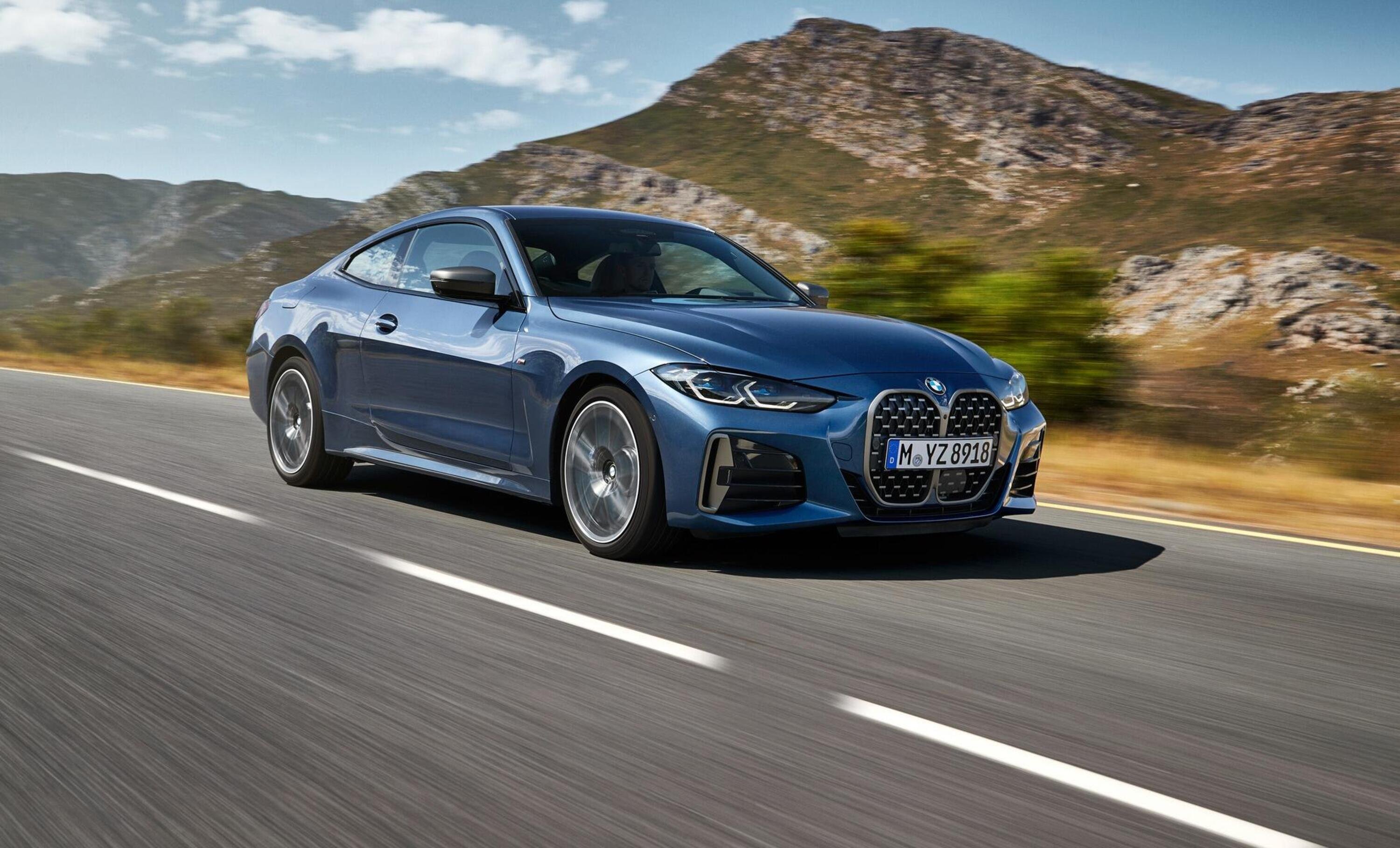
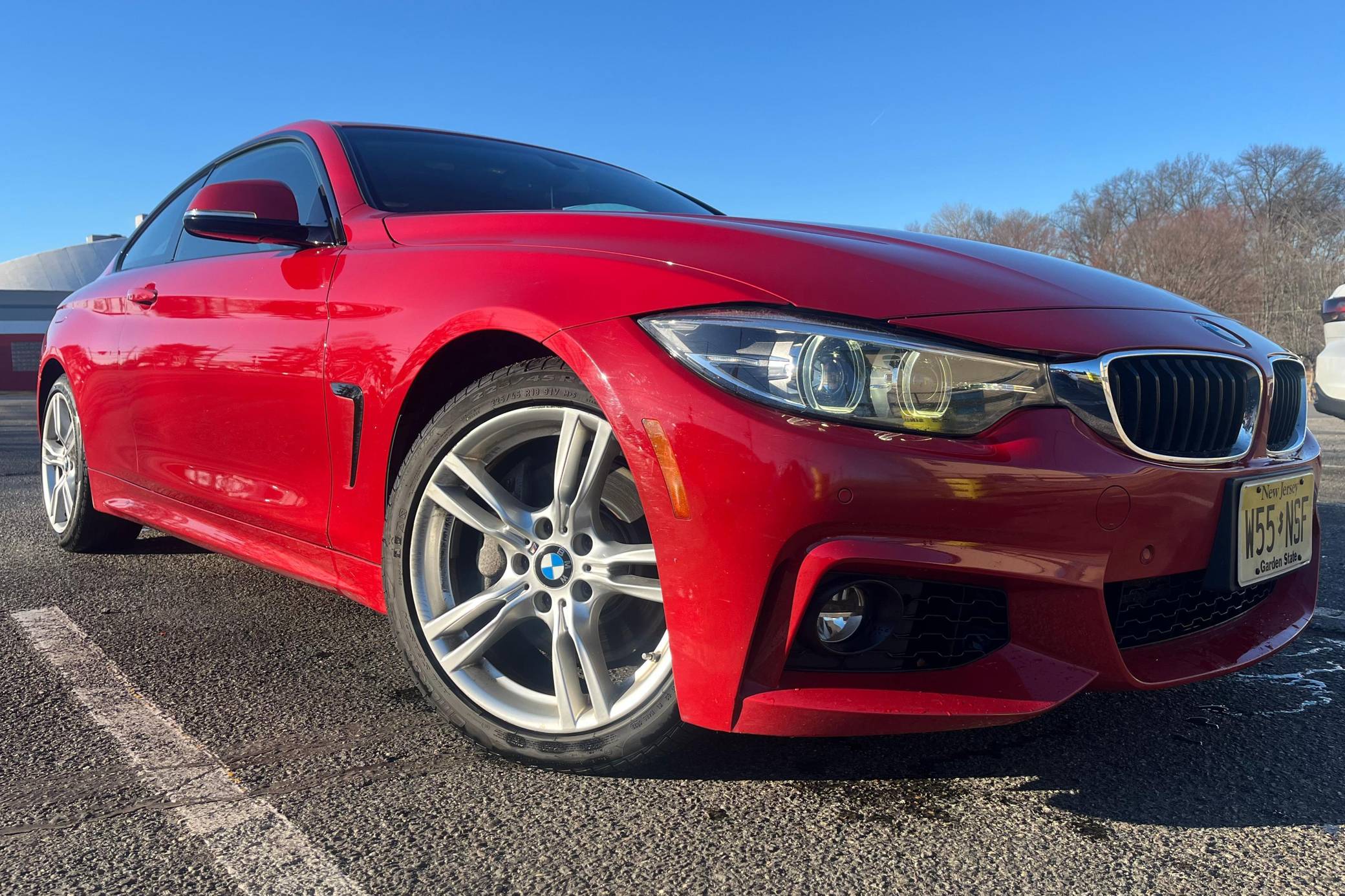
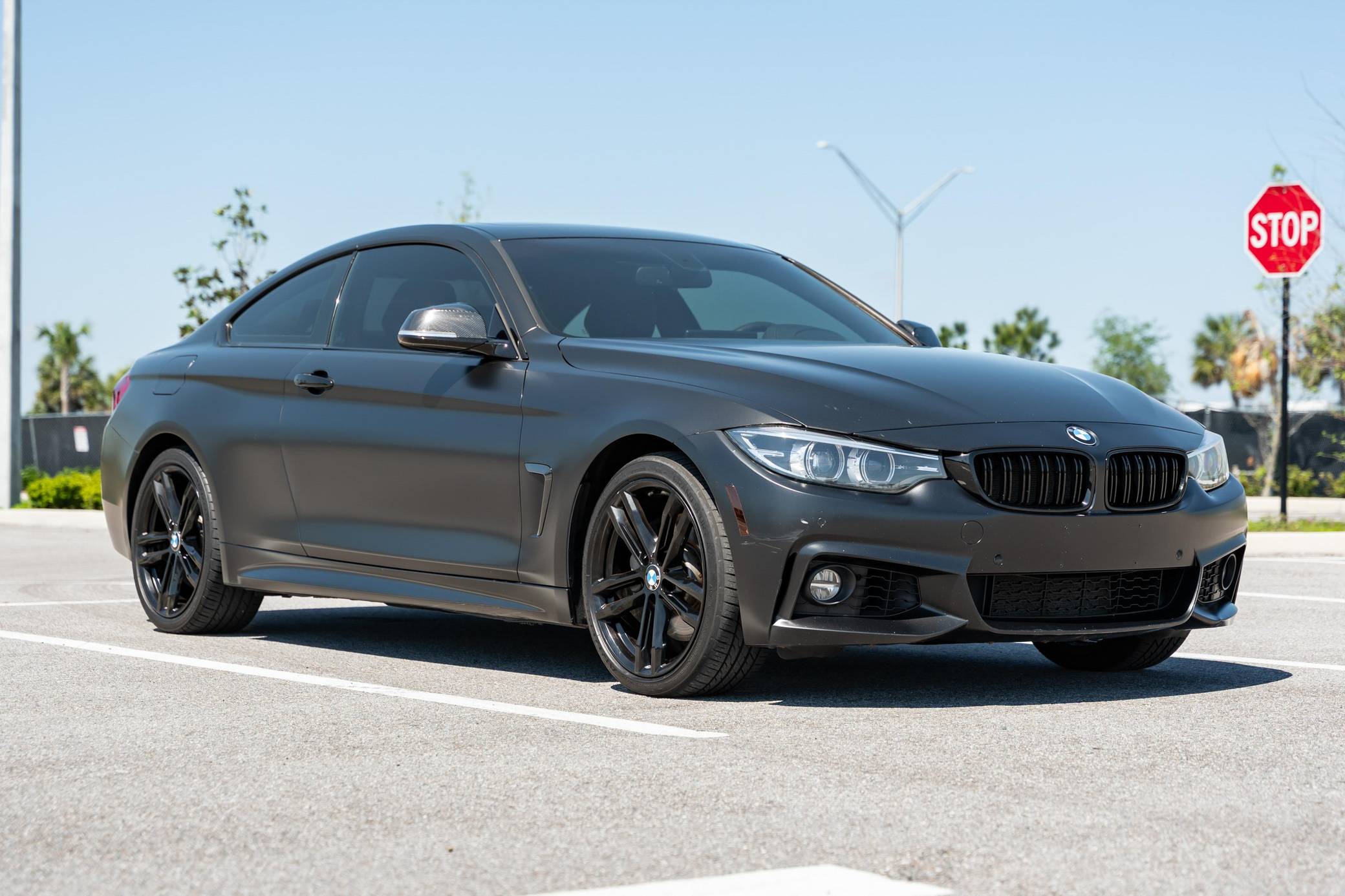
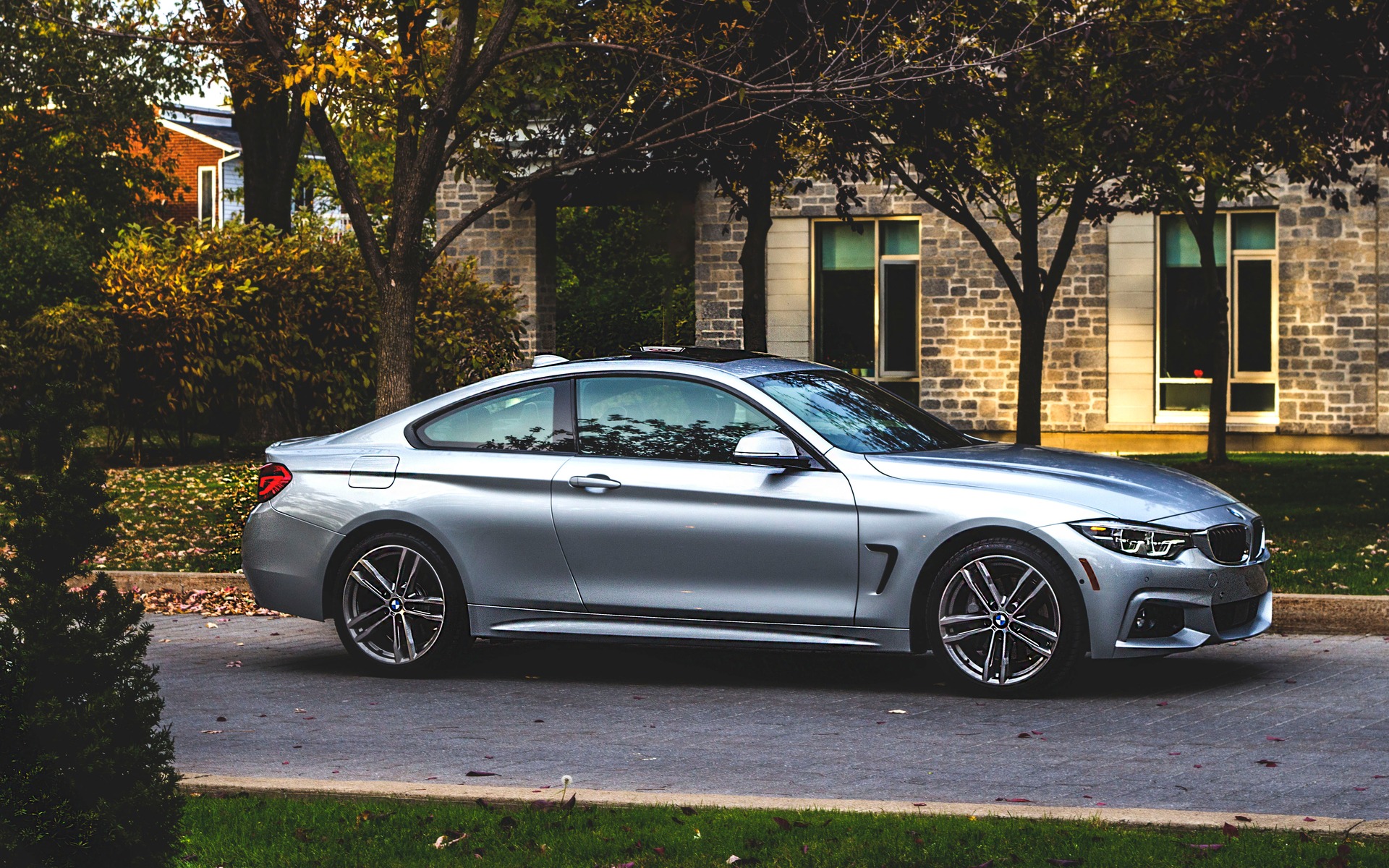
The 2018 BMW 440i accelerates from 0 to 60 mph in approximately 4.6 to 4.8 seconds for rear-wheel-drive coupe models equipped with the optional M Sport package and automatic transmission, while xDrive all-wheel-drive variants achieve the benchmark sprint in roughly 4.4 to 4.6 seconds.
The 2018 model year represents a high-water mark for BMW’s F32/F33/F36 generation, blending everyday luxury with the potent B58 inline-six engine. For automotive enthusiasts, prospective buyers, and performance-minded drivers, understanding how this vehicle achieves its acceleration numbers requires looking past simple stopwatch figures. Evaluating the 2018 BMW 440i 0 to 60 mph capabilities involves analyzing powertrain engineering, transmission behavior, chassis dynamics, and real-world environmental factors.
The Heart of the Performance: The B58 Engine
At the core of the 2018 BMW 440i lies the legendary B58 3.0-liter turbocharged inline-six engine. Replacing the older N55 motor, the B58 introduced a closed-deck block design, an integrated water-to-air intercooler, and a twin-scroll turbocharger. These mechanical refinements allow the engine to produce 320 horsepower and 330 lb-ft of torque straight from the factory.
Crucially for straight-line acceleration, peak torque is available from a remarkably low 1,380 RPM and holds flat all the way up to 5,000 RPM. This wide powerband eliminates turbo lag and ensures that throttle inputs translate immediately into forward momentum. When launching the car from a standstill, the engine quickly builds boost, allowing the vehicle to push past the initial inertia without hesitation.
Transmission Options and Launch Dynamics
The 2018 BMW 440i was offered with two distinct transmission choices: a responsive 8-speed ZF automatic transmission and a traditional 6-speed manual gearbox. The choice of transmission significantly impacts the 0 to 60 mph times and the overall driving experience.
The ZF 8-Speed Automatic
The ZF 8HP50 torque-converter automatic is widely regarded as one of the best automatic transmissions in the industry. It features lightning-fast gear changes and optimized gear ratios that keep the B58 engine squarely in its powerband. Equipped with launch control (standard on models with the M Sport package and automatic transmission), the vehicle manages wheel slip and turbo spool precisely, yielding the quickest factory-rated 0 to 60 mph times—typically 4.8 seconds for rear-wheel-drive coupes and 4.6 seconds for xDrive variants.
The 6-Speed Manual
For purists, BMW offered a 6-speed manual transmission across various 440i body styles. While engaging to drive, the manual variant is historically a few tenths of a second slower to 60 mph than its automatic counterpart. Achieving optimal acceleration requires precise clutch engagement and shifting skill, as human reaction times and mechanical shifts cannot match the programmed efficiency of the ZF automatic unit.
Body Styles and Weight Distribution
The 4 Series lineup encompasses three distinct body styles, each adding weight and altering the center of gravity, which in turn influences acceleration and handling performance.
- Coupe (F32): The lightest and stiffest platform, offering the fastest acceleration times and sharpest handling dynamics.
- Gran Coupe (F36): A four-door fastback configuration that adds approximately 100 to 150 pounds of weight to accommodate the extra doors and reinforced structure, slightly blunting initial acceleration.
- Convertible (F33): The heaviest variant due to the complex folding hardtop mechanism and necessary chassis bracing. The added weight results in slightly slower 0 to 60 mph times compared to the coupe.
Rear-Wheel Drive vs. xDrive All-Wheel Drive
Traction is the primary limiting factor when launching a high-torque vehicle from a dead stop. The 2018 BMW 440i was available in both rear-wheel-drive (RWD) and intelligent all-wheel-drive (xDrive) configurations.
Rear-wheel-drive models offer a purer handling balance and traditional sports car dynamics, but they are more susceptible to rear tire spin during hard launches on cold or damp pavement. Conversely, the rear-biased xDrive system continuously monitors wheel slip and can instantly route power to the front wheels as needed. This superior traction off the line allows xDrive models to shave approximately 0.2 seconds off their 0 to 60 mph times, making them remarkably consistent in varied weather conditions.
2018 BMW 440i Performance Specifications Comparison
| Body Style & Drivetrain | Transmission | Factory Rated 0–60 mph | Curb Weight (Approx.) | Peak Power / Torque |
|---|---|---|---|---|
| Coupe (RWD) | 8-Speed Auto | 4.8 seconds | 3,705 lbs | 320 hp / 330 lb-ft |
| Coupe (RWD) | 6-Speed Manual | 5.0 seconds | 3,660 lbs | 320 hp / 330 lb-ft |
| Coupe (xDrive) | 8-Speed Auto | 4.6 seconds | 3,845 lbs | 320 hp / 330 lb-ft |
| Gran Coupe (RWD) | 8-Speed Auto | 4.9 seconds | 3,847 lbs | 320 hp / 330 lb-ft |
| Gran Coupe (xDrive) | 8-Speed Auto | 4.7 seconds | 3,990 lbs | 320 hp / 330 lb-ft |
| Convertible (RWD) | 8-Speed Auto | 5.4 seconds | 4,095 lbs | 320 hp / 330 lb-ft |
| Convertible (xDrive) | 8-Speed Auto | 5.2 seconds | 4,245 lbs | 320 hp / 330 lb-ft |
Real-World Testing vs. Factory Claims
While BMW's official specifications cite conservative figures, independent automotive testing publications have frequently recorded quicker times under optimal track conditions. Using rollout (a standard practice in North American performance testing where the vehicle rolls out 1 foot before timing begins), independent tests of the 2018 BMW 440i xDrive coupe have clocked 0 to 60 mph times as low as 4.4 seconds.
Real-world performance depends heavily on several external variables:
- Tire Compound and Temperature: Worn tires or cold summer rubber significantly reduce grip, leading to wheel spin and slower times. High-performance summer tires or dedicated sticky compounds yield the best acceleration metrics.
- Density Altitude: Air temperature, humidity, and barometric pressure affect forced-induction engines. Cooler, dense autumn air allows the turbocharger to make efficient power, whereas hot summer weather heat-soaks the intercooler and reduces output.
- Fuel Quality: The B58 engine is optimized for 91 or 93 octane premium gasoline. Lower-quality fuel can prompt the engine management computer to pull timing to prevent knock, subtly reducing power delivery.
Enhancing Performance: Aftermarket Potential
The 2018 BMW 440i has earned a stellar reputation in the enthusiast community due to the incredible tuning headroom of the B58 engine. Because the stock internals are exceptionally robust, owners looking to improve upon factory 0 to 60 mph times often turn to aftermarket modifications.
A simple plug-and-play engine control module (tune) can increase boost pressure and boost output by 50 to 80 horsepower without changing any physical hardware. Combined with a cat-back exhaust system and high-flow downpipe, Stage 1 and Stage 2 tuned 440i models regularly achieve 0 to 60 mph sprints well under 4.0 seconds, transforming the luxury cruiser into a serious performance contender. However, drivers should consider potential impacts on factory warranties, drivetrain longevity, and local emissions compliance when modifying modern turbocharged vehicles.
Frequently Asked Questions
Does the 2018 BMW 440i have factory launch control?
Yes, models equipped with the 8-speed sport automatic transmission and the M Sport package feature a built-in launch control function. To activate it, drivers must place the car in Sport mode, shift the gear selector into Manual/Sport (S), engage the brake firmly with the left foot, floor the accelerator past the kick-down switch until a checkered flag icon appears on the instrument cluster, and release the brake.
Is the 2018 BMW 440i faster than the older 435i?
Yes. Although the 435i utilized a 3.0-liter turbocharged inline-six (the N55 engine) rated at 300 horsepower, the upgraded B58 engine in the 440i produces 320 horsepower and delivers superior torque delivery and thermal efficiency. Consequently, the 440i is roughly 0.2 to 0.3 seconds faster to 60 mph than its predecessor in equivalent configurations.
Which 2018 440i body style is the fastest?
The two-door Coupe (F32) with rear-wheel drive and the automatic transmission is the lightest and most aerodynamically efficient. However, in low-traction environments, the xDrive all-wheel-drive coupe achieves a faster and more repeatable 0 to 60 mph time due to its instant grip off the line.
How does altitude affect the 2018 BMW 440i acceleration?
Because the 440i utilizes a twin-scroll turbocharger, it compensates for thin air at high elevations much better than naturally aspirated engines. While there is still a minor performance loss due to lower ambient air density, the electronic wastegate adjusts boost pressure to maintain target manifold pressure as much as possible.
What maintenance items are critical for maintaining peak performance?
To ensure the vehicle achieves its factory-rated acceleration, owners should adhere to strict maintenance intervals. Regular spark plug replacements (every 40,000 to 60,000 miles for turbocharged BMW engines), clean air filters, high-quality synthetic oil changes, and maintaining proper tire pressures are essential for optimal power delivery and traction.