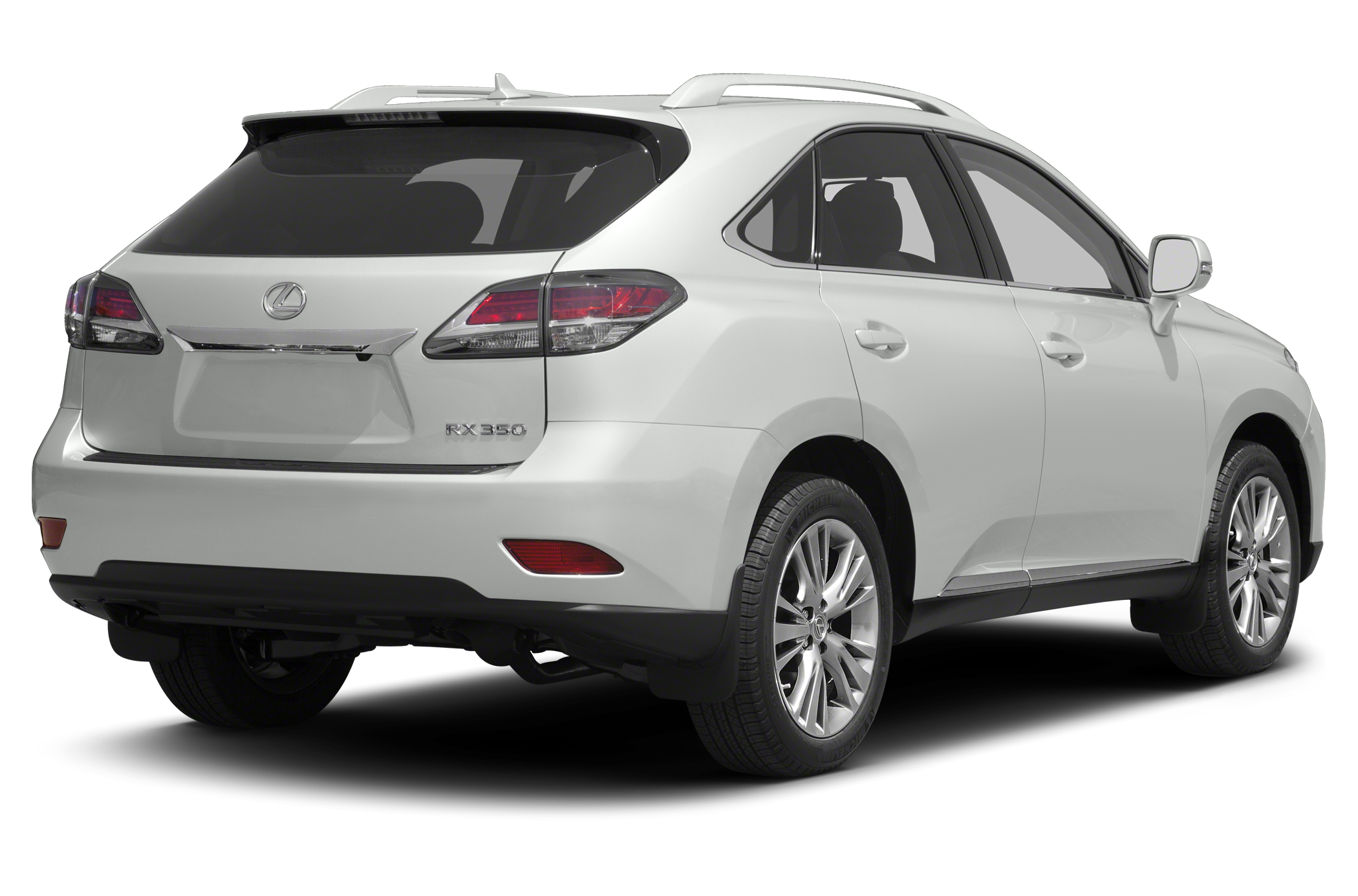
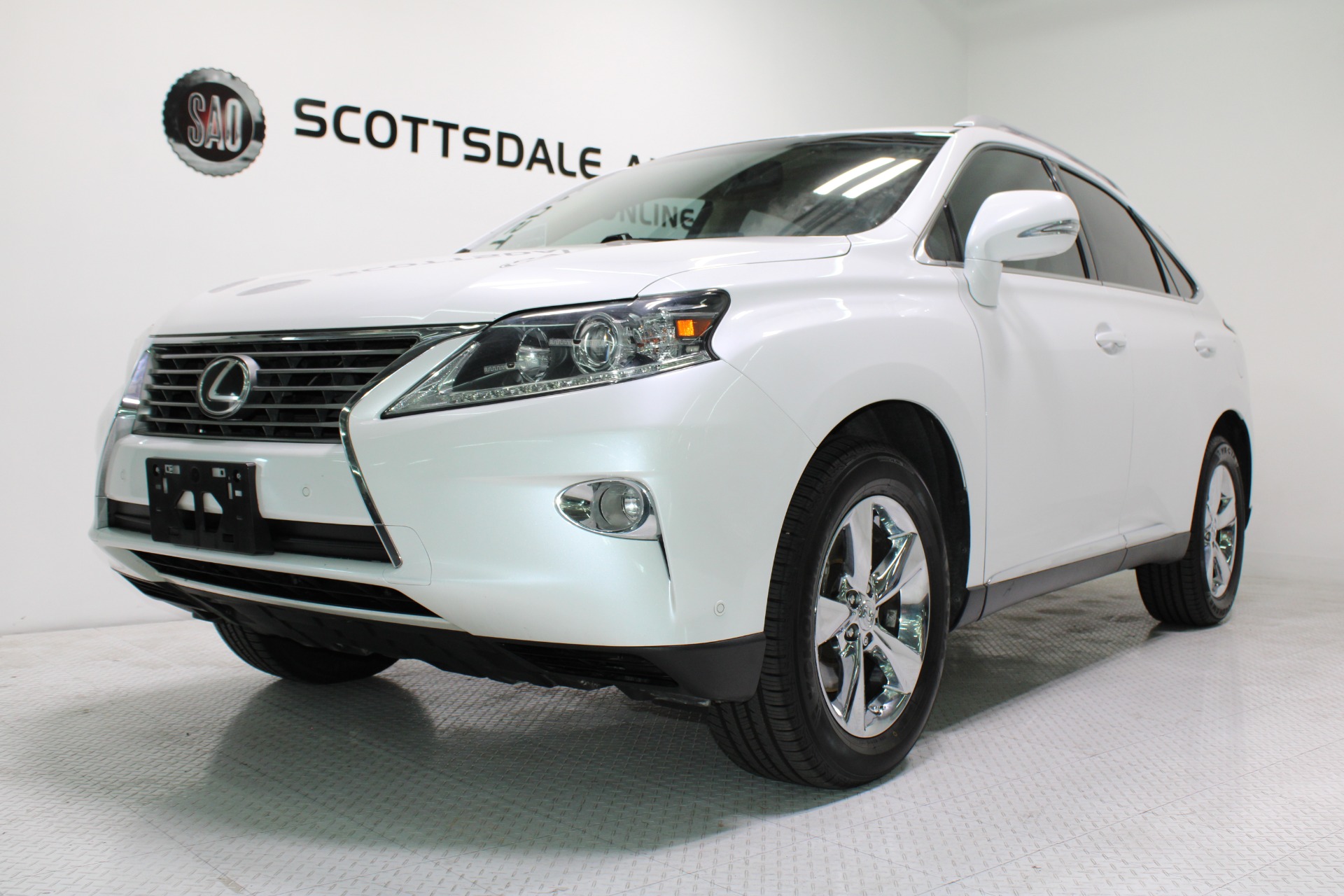
The 2013 Lexus RX 350 typically uses two primary tire sizes depending on the trim level and optional equipment: 235/60R18 for the standard 18-inch wheels and 235/55R19 for the optional or F Sport 19-inch wheels. Both sizes are designed to balance the vehicle's luxury ride quality with dependable all-weather traction.
Choosing the correct tire for a 2013 Lexus RX 350 involves more than just matching numbers; it requires an understanding of how these dimensions affect the vehicle’s handling, fuel efficiency, and safety systems. As of 2026, many of these vehicles have surpassed the 150,000-mile mark, making the choice of a high-quality replacement tire essential for maintaining the "Lexus-like" smoothness that defined the third-generation RX series.
Understanding the Primary Tire Sizes for the 2013 RX 350
The 2013 Lexus RX 350 was offered in several configurations, including Front-Wheel Drive (FWD), All-Wheel Drive (AWD), and the more performance-oriented F Sport trim. The tire size you need is dictated by the diameter of the wheels currently installed on your vehicle.
The Standard 18-Inch Fitment: 235/60R18
The base model of the 2013 RX 350 originally shipped with 18-inch aluminum-alloy wheels. The corresponding tire size is 235/60R18. This size is favored for its taller sidewall, which provides an extra layer of cushioning against road imperfections, potholes, and debris. For owners who prioritize comfort and a quiet cabin above all else, sticking with the 18-inch setup is often the best choice.
The Premium and F Sport 19-Inch Fitment: 235/55R19
Many RX 350 units were upgraded at the factory with the Premium or Luxury packages, which included 19-inch wheels. Additionally, the F Sport trim—introduced as a distinct model for the 2013 refresh—came standard with these larger wheels. The tire size for these rims is 235/55R19. While the 19-inch tires offer a slightly sharper steering response and a more modern aesthetic, the shorter sidewall (the "55" in the sequence) means the ride may feel marginally firmer than the 18-inch counterpart.
The Spare Tire Specifications
It is equally important to verify the condition of your spare tire. The 2013 RX 350 usually carries a "donut" or temporary space-saver spare. The common size for this spare is T165/90D18. Because rubber degrades over time regardless of use, a spare tire from 2013 is likely past its safe operational life by 2026 and should be inspected for dry rot or pressure loss.
Technical Breakdown: What Do These Numbers Mean?
To make an informed decision at the tire shop, you must understand the technical specifications listed on the sidewall. Each set of numbers represents a critical measurement that ensures the tire fits the rim and supports the vehicle’s weight.
- Width (235): This is the width of the tire in millimeters from sidewall to sidewall. A width of 235mm is standard for the RX 350, providing a substantial contact patch with the road for stability without creating excessive rolling resistance.
- Aspect Ratio (60 or 55): This number is a percentage. It indicates that the height of the sidewall is 60% (for 18-inch wheels) or 55% (for 19-inch wheels) of the tire's width. A higher aspect ratio generally results in a softer ride.
- Construction (R): The "R" stands for Radial, which is the standard construction method for almost all modern passenger vehicles, where the ply cords run at 90 degrees to the direction of travel.
- Wheel Diameter (18 or 19): This is the diameter of the wheel (rim) in inches that the tire is designed to fit. You cannot fit an 18-inch tire on a 19-inch rim, or vice versa.
- Load Index (Typically 101 to 103): This numerical code represents the maximum weight the tire can support. For the RX 350, a load index of 103 is common, meaning each tire can support approximately 1,929 pounds.
- Speed Rating (Typically V or H): This letter indicates the maximum speed the tire can safely maintain. "V" is rated for up to 149 mph, while "H" is rated for 130 mph. Since the RX 350 is a luxury crossover rather than a sports car, an H or V rating is more than sufficient.
| Specification | 18-Inch Wheel (Base) | 19-Inch Wheel (Luxury/F Sport) |
|---|---|---|
| Tire Size | 235/60R18 | 235/55R19 |
| Load Index | 103 | 101 - 105 |
| Speed Rating | V or H | V |
| Recommended PSI | 32 - 35 PSI | 32 - 35 PSI |
| Rim Width Range | 6.5 - 8.5 inches | 6.5 - 8.5 inches |
| Typical Application | Comfort / All-Season | Handling / Performance |
Wheel and Bolt Pattern Specifications
If you are considering changing your wheels entirely—perhaps moving from 18s to 19s or purchasing a secondary set for winter tires—you must match the vehicle's hub specifications.
- Bolt Pattern: 5x114.3 mm (also known as 5x4.5 inches). This is a very common Toyota/Lexus bolt pattern.
- Wheel Offset: Typically +30mm to +35mm. The offset determines how far the wheel sits inside or outside the wheel well. An incorrect offset can cause the tire to rub against suspension components or the fender liner.
- Center Bore: 60.1 mm. This ensures the wheel is hub-centric, meaning it is centered by the hub rather than just the lug nuts, which prevents vibrations at high speeds.
- Lug Nut Torque: The recommended torque for the 2013 RX 350 lug nuts is approximately 76 lb-ft (103 Nm). Over-tightening can warp brake rotors, while under-tightening is a major safety hazard.
Choosing the Right Tire Type for Your Environment
In 2026, tire technology has advanced significantly since the 2013 RX 350 first hit the showroom floor. Modern compounds offer better wet grip and lower rolling resistance (which improves fuel economy). When selecting a tire, consider your primary driving conditions.
All-Season Tires
The majority of RX 350 owners opt for Grand Touring All-Season tires. These are designed to provide a quiet ride and reliable traction in dry, wet, and light snowy conditions. Brands like Michelin (specifically the Defender or Premier lines) and Bridgestone (Alenza) are perennial favorites for this vehicle because they mirror the original equipment's performance characteristics.
Dedicated Winter Tires
If you live in a region with heavy snowfall or consistent temperatures below 45°F (7°C), a dedicated winter tire is highly recommended, especially for AWD models. While AWD helps you accelerate, it does not help you stop on ice. A tire size of 235/60R18 is often preferred for winter use even if your summer tires are 19 inches, as the narrower profile and taller sidewall perform better in deep slush and protect the rims from salt and hidden potholes.
All-Weather Tires
A newer category gaining popularity in 2026 is the "All-Weather" tire (distinct from All-Season). These tires carry the Three-Peak Mountain Snowflake (3PMSF) symbol, indicating they meet specific snow traction requirements, but they can be driven year-round. This is an excellent middle-ground for RX 350 owners who want extra winter safety without the hassle of biannual tire swaps.
Maintenance and Lifespan Considerations
To maximize the life of your tires on a 2013 RX 350, a strict maintenance schedule is required. Because the RX 350 is a heavy vehicle (weighing between 4,100 and 4,500 pounds), it can be hard on its rubber, particularly on the outer shoulders of the front tires during cornering.
Tire Rotation
Lexus recommends rotating tires every 5,000 to 7,500 miles. For FWD models, the front tires perform the majority of the braking and all of the steering and acceleration, leading to much faster wear. For AWD models, consistent tread depth across all four tires is vital to prevent strain on the center differential. If one tire is significantly more worn than the others, it rotates at a different speed, which the AWD system may interpret as wheel slip.
Wheel Alignment
The third-generation RX is sensitive to alignment settings. If the vehicle pulls to one side or if you notice "feathering" on the tread blocks, an alignment is necessary. It is best practice to have the alignment checked every time you install a new set of tires to ensure you aren't "scrubbing" away expensive rubber prematurely.
TPMS (Tire Pressure Monitoring System)
The 2013 RX 350 is equipped with a direct TPMS, meaning there are sensors inside each wheel. When replacing tires, it is standard procedure to service the TPMS sensors by replacing the seals and cores. By 2026, the original batteries in these sensors (which typically last 7 to 10 years) may be failing. If your TPMS light is flashing, you may need to replace the sensor units themselves during your next tire change.
Estimating Replacement Costs in 2026
When budgeting for a set of four tires for a 2013 Lexus RX 350, prices will vary based on the brand and the wheel size. Generally, 19-inch tires are 10% to 20% more expensive than 18-inch tires.
- Standard All-Season (Economy): $150 – $180 per tire. These offer basic safety but may be noisier and wear out faster (30,000–40,000 miles).
- Premium Grand Touring (Michelin, Continental, Bridgestone): $220 – $300 per tire. These are the gold standard for Lexus, often coming with 60,000 to 80,000-mile warranties and superior noise reduction.
- Installation Fees: In 2026, expect to pay $25 – $50 per tire for mounting, balancing, and old tire disposal.
Given that the 2013 RX 350 is a luxury vehicle, investing in premium tires is usually the more cost-effective choice in the long run. High-quality tires maintain their balance longer and provide the silent ride that owners expect from the Lexus brand.
FAQs
Can I put 255/55R18 tires on my 2013 RX 350?
While a 255mm width tire might physically fit on the rim, it is wider than the factory specification. This can lead to increased fuel consumption, slightly heavier steering, and potential rubbing against the inner wheel well during full-lock turns. It is generally recommended to stick to the factory 235/60R18 or 235/55R19 to ensure the odometer and speedometer remain accurate.
What is the correct tire pressure for the 2013 Lexus RX 350?
The standard recommended pressure is 32 PSI (pounds per square inch) for all four tires under normal loading conditions. This information can be verified on the "Tire and Loading Information" placard located on the driver-side B-pillar (visible when the door is open). If you are carrying a full load of passengers and luggage, increasing the pressure to 35 PSI can improve stability and load-carrying capacity.
Is it okay to replace only two tires on an AWD RX 350?
It is not recommended. On the All-Wheel Drive version of the RX 350, significant differences in tread depth between the front and rear axles can cause mechanical stress on the drivetrain. If you must replace only two, ensure the new tires are the exact same make and model as the existing ones, and verify that the tread depth difference is less than 3/32 of an inch.
How do I reset the tire pressure light on my 2013 RX 350?
After inflating your tires to the correct pressure, turn the ignition to the "ON" position. Locate the TPMS reset button, which is tucked away under the dashboard on the driver's side, near the knee airbag area. Press and hold the button until the TPMS indicator light blinks three times. Drive the vehicle for several minutes to allow the system to recalibrate.
Final Recommendation
For most 2013 Lexus RX 350 owners in 2026, the best course of action is to select a Premium Grand Touring All-Season tire in the size matching your current wheels (235/60R18 or 235/55R19). Brands such as Michelin, Continental, and Pirelli offer models specifically engineered for luxury crossovers that preserve the vehicle's legendary quietness. Before purchasing, always check the manufacture date code (DOT code) on the tire sidewall to ensure you are getting "fresh" rubber, and consider replacing your TPMS sensors if they are original to the vehicle, as their batteries are likely near the end of their service life.