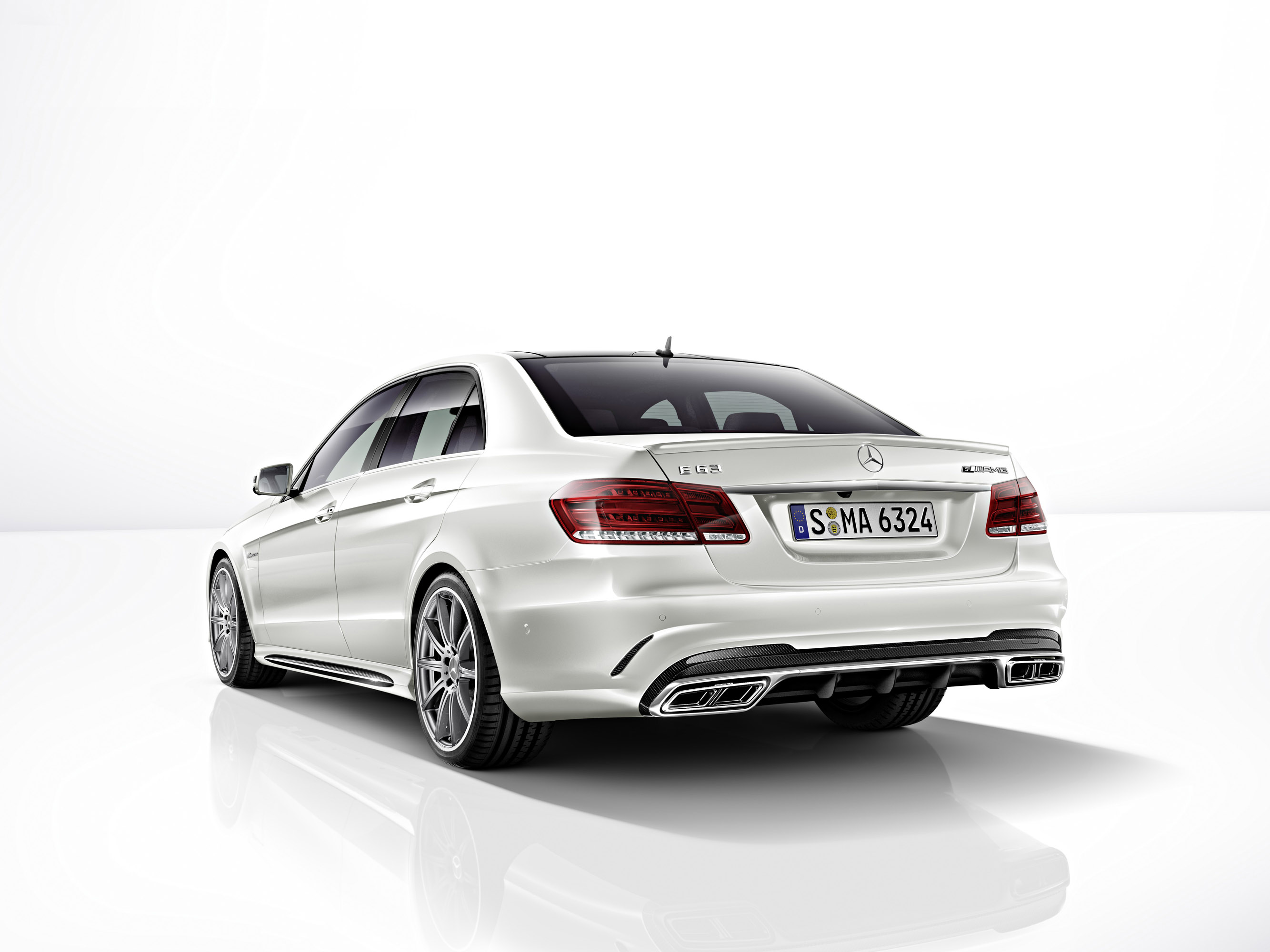
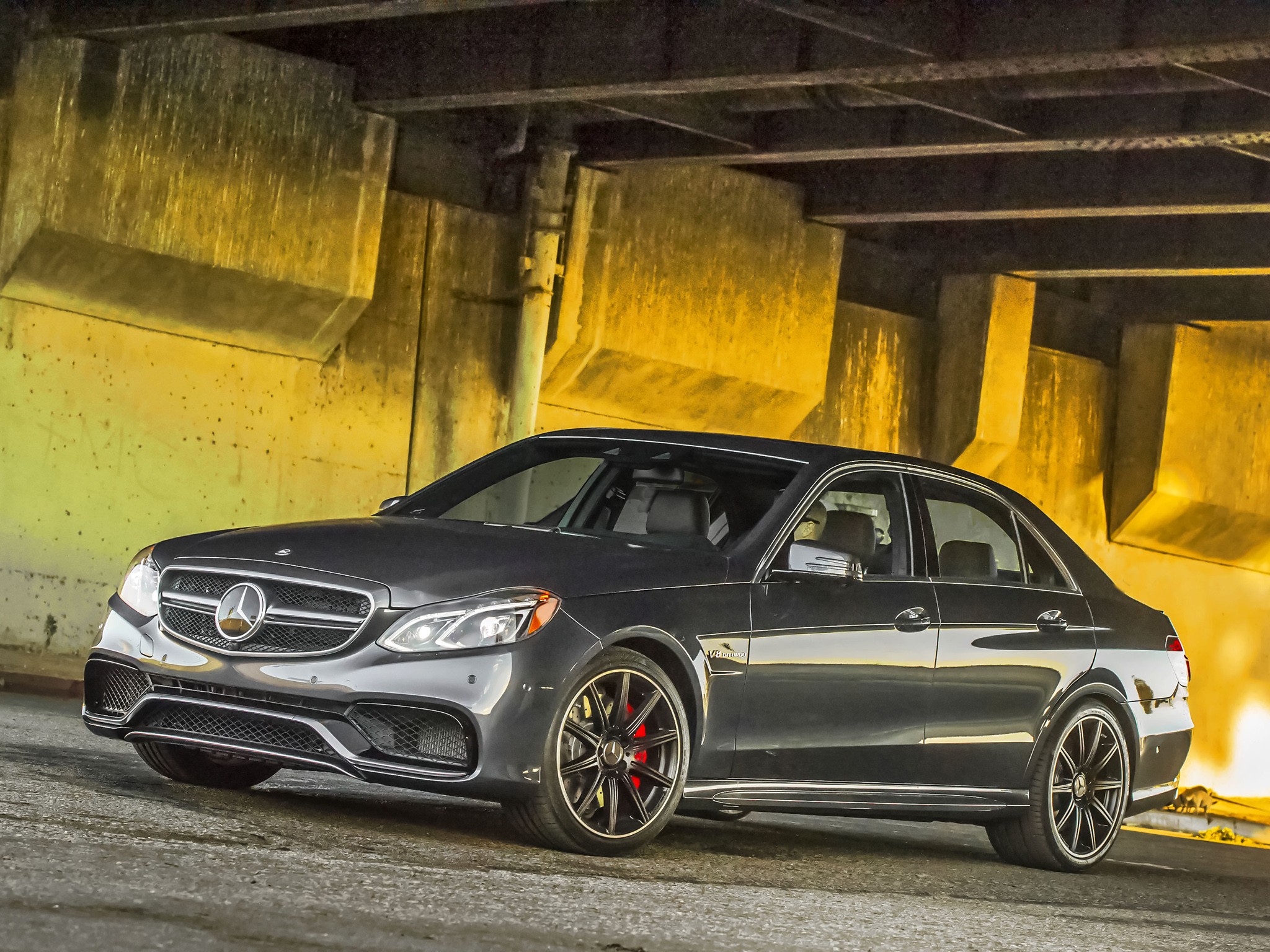
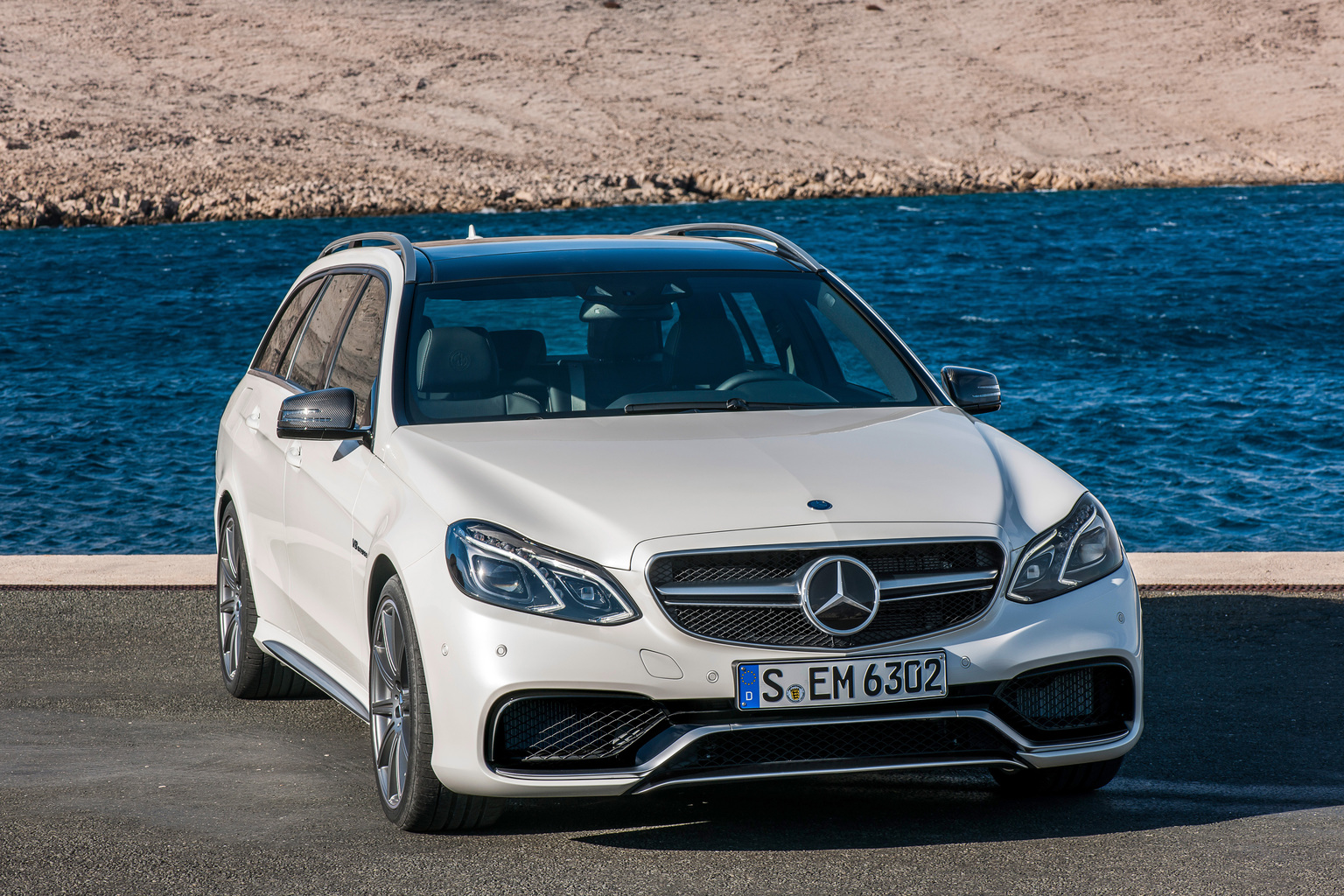
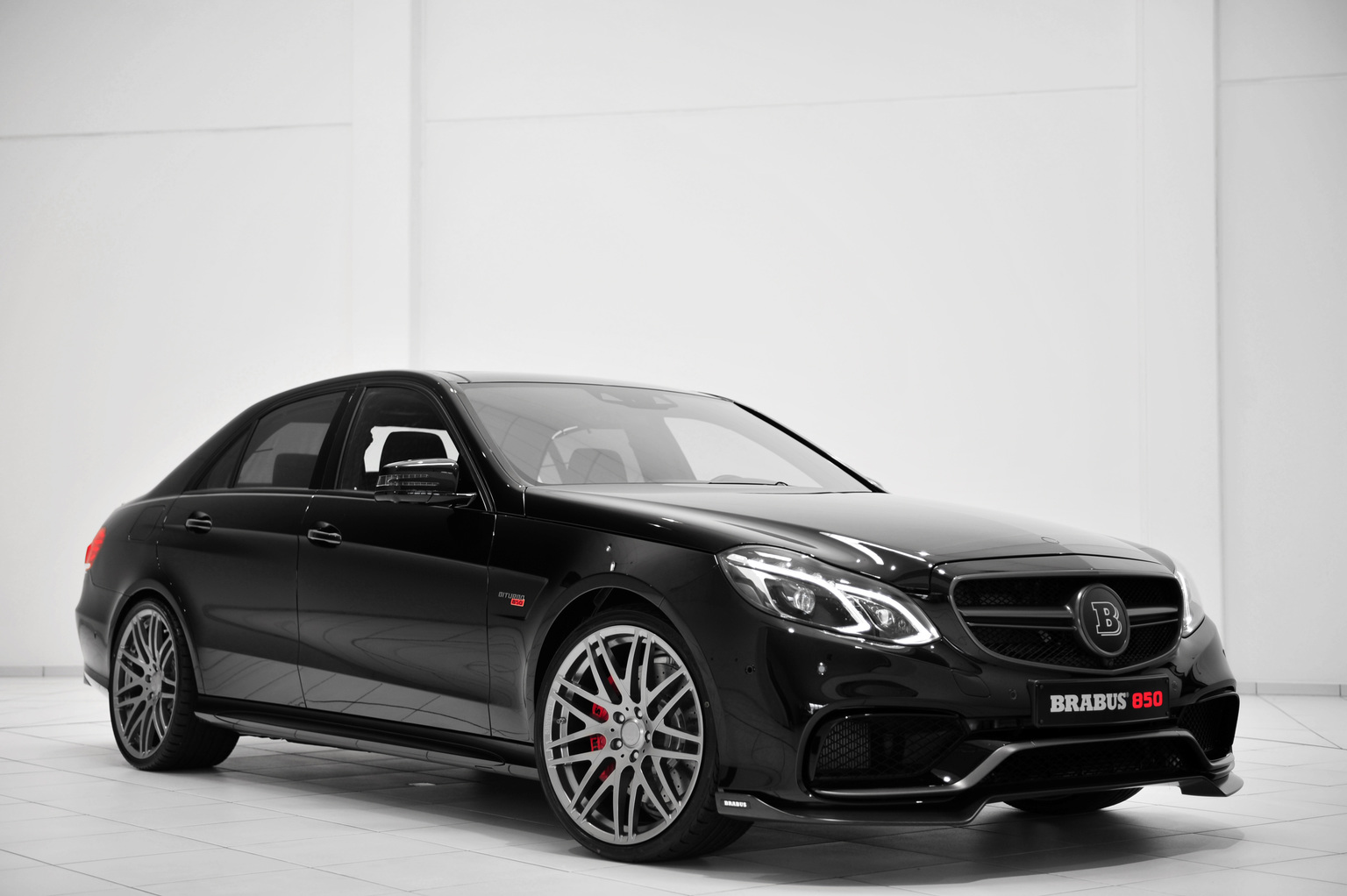
The 2013 Mercedes-Benz E 63 AMG represents a pivotal moment in the evolution of the high-performance luxury sedan, blending the raw power of the 5.5-liter M157 biturbo V8 with the refined W212 chassis. As a final iteration of the pre-facelift design in many markets, it offers a distinct rear-wheel-drive experience and mechanical purity that remains highly sought after by enthusiasts and collectors in 2026.
In the landscape of modern performance cars, the 2013 E 63 AMG stands as a "sweet spot" for drivers who prioritize massive torque and a rear-wheel-drive layout before the model transitioned primarily to 4MATIC all-wheel drive. Whether you are considering one as a weekend driver or a high-speed executive commuter, understanding its technical nuances, maintenance requirements, and current market standing is essential for a successful ownership experience.
The Heart of the Beast: The M157 Biturbo V8
The defining characteristic of the 2013 E 63 AMG is its engine. Displacing 5,461cc, the M157 engine replaced the naturally aspirated 6.2-liter M156 V8 found in earlier models. While purists initially lamented the loss of the high-revving atmospheric engine, the M157 quickly won over critics with its monumental torque delivery and improved efficiency.
Technical Architecture
The M157 is an all-aluminum engine featuring twin-turbocharging, direct gasoline injection, and piezo-electric injectors. It utilizes a spray-guided combustion process and twin-scroll turbochargers integrated into the exhaust manifolds. This setup minimizes turbo lag and allows the engine to produce peak torque from as low as 1,750 RPM.
In its standard configuration, the 2013 E 63 AMG produces 518 horsepower and 516 lb-ft of torque. However, for those seeking more aggression, the optional AMG Performance Package (often referred to by its order codes P30 or P31 depending on the specific year and region) increases boost pressure from 14.5 psi to 18.8 psi. This results in a jump to 550 horsepower and a staggering 590 lb-ft of torque.
Efficiency Meets Power
By 2013, Mercedes-Benz had integrated "Controlled Efficiency" (C) mode as a default setting. This includes an ECO start/stop system—a first for the E 63 at the time—which shuts the engine down at stoplights to conserve fuel. While many enthusiasts disable this feature immediately, its presence highlights the engineering effort to make a 500-plus horsepower car manageable for daily use.
AMG SPEEDSHIFT MCT 7-Speed Transmission
Unlike standard E-Class models that used a traditional torque-converter automatic, the 2013 E 63 AMG utilizes the AMG SPEEDSHIFT MCT 7-speed transmission. "MCT" stands for Multi-Clutch Technology.
How the MCT Works
The MCT replaces the torque converter with a compact, wet "start-off clutch" that runs in an oil bath. This allows for a more direct connection between the engine and the wheels, providing the instantaneous response typical of a manual or dual-clutch transmission while retaining the smooth low-speed crawling characteristics of an automatic.
The transmission offers four distinct driving modes:
- C (Controlled Efficiency): Prioritizes smooth shifts and early upshifts; starts in second gear.
- S (Sport): Increases shift speeds and holds gears longer.
- S+ (Sport Plus): Further sharpens response and enables "Race Start" (launch control).
- M (Manual): Full control via the steering wheel-mounted aluminum paddles, with no automatic upshifts at the redline.
Chassis, Suspension, and Braking Dynamics
The 2013 E 63 AMG features a sophisticated suspension setup designed to handle the massive torque of the biturbo V8 while maintaining the comfort expected of a Mercedes-Benz.
AMG RIDE CONTROL
The car utilizes a hybrid suspension system: steel springs at the front and AirMatic air suspension at the rear. The front axle has a 2.2-inch wider track than the standard E-Class, providing significantly more front-end grip and better turn-in. The rear air suspension includes automatic leveling, ensuring the car remains composed even under heavy load or hard acceleration.
The electronically controlled damping system offers three modes: Comfort, Sport, and Sport Plus. In 2026, many owners find that "Sport" provides the best balance for spirited road driving, as "Sport Plus" can be excessively firm on anything but the smoothest track surfaces.
Braking Performance
Stopping power is provided by 14.2-inch perforated and ventilated discs at all four corners, with six-piston calipers at the front and four-piston at the rear. For those who track their vehicles, a Carbon Ceramic braking system was available as a costly option. These are easily identified by their bronze-painted calipers and offer superior fade resistance and a significant reduction in unsprung weight, though replacement rotors in 2026 remain a high-ticket maintenance item.
2013 E 63 AMG Technical Specifications
| Feature | Standard Configuration | AMG Performance Package |
|---|---|---|
| Engine | 5.5L V8 Biturbo (M157) | 5.5L V8 Biturbo (M157) |
| Horsepower | 518 hp @ 5,250 rpm | 550 hp @ 5,500 rpm |
| Torque | 516 lb-ft @ 1,700-5,000 rpm | 590 lb-ft @ 2,000-4,500 rpm |
| 0-60 MPH (approx.) | 4.2 Seconds | 3.9 Seconds |
| Top Speed | 155 mph (Electronic Limited) | 186 mph (Electronic Limited) |
| Transmission | 7-Speed MCT | 7-Speed MCT |
| Drivetrain | Rear-Wheel Drive | Rear-Wheel Drive |
| Curb Weight | ~4,100 lbs | ~4,100 lbs |
Interior Comfort and Technology
The interior of the 2013 E 63 AMG is a masterclass in "old world" luxury meeting early 2010s technology. While it lacks the massive screens found in 2026 Mercedes-EQ models, the tactile quality of the W212 interior is highly regarded.
Cabin Appointments
The cabin is dominated by high-quality leather, Alcantara, and optional carbon fiber or piano black trim. The AMG Sports Seats feature heavy bolstering and often include the "Active Multicontour" package, which uses air bladders to adjust side support dynamically as the car corners.
Infotainment (COMAND)
The COMAND system in 2013 utilized a 7-inch central display controlled by a rotary knob. In 2026, the factory navigation and maps will feel dated. However, the W212 platform is very popular for aftermarket retrofits, such as wireless Apple CarPlay and Android Auto modules that integrate into the original screen, making the car much more usable in a modern context.
2026 Buying Guide: Maintenance and Reliability
Purchasing a 2013 Mercedes-Benz E 63 AMG in 2026 requires a diligent approach to mechanical inspection. While the M157 and the W212 chassis are generally robust, there are specific areas that require attention as these vehicles reach the 13-year mark.
Key Inspection Points
- Camshaft Position Sensors & Magnets: A known issue on M278/M157 engines involves oil wicking through the wire harness from the sensors to the ECU. Owners should check the electrical connectors for oil residue. Preventive replacement of sensors and adding "sacrificial" pigtail harnesses is a common fix.
- Timing Chain Tensioners: Early M157 engines can suffer from chain rattle on cold starts. Updated check valves and tensioners were released by Mercedes-Benz to address this. If you hear a "clattering" for 2-3 seconds upon startup, this needs immediate attention.
- AirMatic Rear Bellows: The rear air springs have a finite lifespan, typically 80,000 to 100,000 miles. Leaks will cause the rear of the car to sag after sitting overnight. Replacing them with OEM or high-quality aftermarket units (like Arnott) is a standard part of ownership.
- Turbo Cooling Lines: The plastic coolant lines for the turbochargers become brittle over time due to heat cycles. Replacing these with updated stainless steel or newer plastic versions is highly recommended to prevent catastrophic coolant loss.
- Rear Subframe Corrosion: Depending on the region, the W212 subframe can be prone to rust. Mercedes-Benz has historically offered extended warranties or recalls on this specific component in certain markets; verify the status of the vehicle’s VIN.
Service Intervals
Standard "Service A" (oil and filter) and "Service B" (oil, cabin filters, brake fluid, and comprehensive inspections) alternate every 10,000 miles. For an AMG, it is advisable to change the oil every 5,000 to 7,500 miles using high-quality synthetic lubricants meeting MB 229.5 specifications.
The 2013 vs. 2014 Dilemma
In the E 63 AMG timeline, 2013 was the final year of the "pre-facelift" look in North America and several other regions. The 2014 model year brought a significant aesthetic change (the move from split headlights to single-unit LEDs) and, more importantly, the standard adoption of 4MATIC all-wheel drive.
Why choose the 2013?
- Rear-Wheel Drive Dynamics: The 2013 is the last year you can get the E 63 AMG with a pure RWD layout. This makes it more challenging to drive at the limit but offers a more rewarding experience for those who enjoy throttle-steering and "burnout" capability.
- Classic Aesthetic: Many enthusiasts prefer the sharper, more angular lines of the 2010–2013 W212, which they feel looks more "masculine" and "mercedes-like" than the softer 2014+ facelift.
- Weight: Without the transfer case and front differential of the 4MATIC system, the 2013 model is slightly lighter and has a more traditional steering feel.
Frequently Asked Questions
Is the 2013 E 63 AMG reliable enough for a daily driver?
Yes, provided it has a documented service history. The engine and transmission are capable of high mileage, but you must budget for "preventive" maintenance. Expect to spend $2,000–$3,500 annually on average for upkeep, accounting for tires, brakes, and specialized AMG components.
Does the 2013 model have the "Head Bolt" issue?
No. The infamous head bolt failure was primarily a concern for the earlier 6.2L M156 engine (pre-2011). The 5.5L M157 biturbo engine in the 2013 model does not share this design flaw.
How can I tell if a car has the Performance Package (P30/P31)?
The easiest visual cues are the red brake calipers, a carbon fiber trunk spoiler, and an AMG Performance steering wheel with Alcantara grips. Mechanically, the engine cover will often feature a carbon fiber insert. You can also verify the "P30" or "P31" code via a VIN decoder.
What is the current market value in 2026?
Values vary wildly based on mileage and condition. A well-maintained example with 60,000–80,000 miles typically trades between $28,000 and $38,000. Extremely low-mileage "collector" examples can still command over $45,000, as they are increasingly viewed as the last of the RWD AMG era.
Can the 2013 E 63 AMG be easily tuned?
Extremely easily. Because it is turbocharged, a simple ECU remap can unlock significant power. Stage 1 tunes often bring the car to 630+ horsepower and over 700 lb-ft of torque. However, this puts additional strain on the MCT clutch and cooling system, so proceed with caution.
Final Recommendation
The 2013 Mercedes-Benz E 63 AMG is a powerhouse that represents a transitional peak in AMG's history. It offers the modern performance of twin-turbocharging while retaining the classic rear-wheel-drive characteristics that defined the brand for decades.
For a buyer in 2026, the best course of action is to prioritize service history over mileage. A 100,000-mile car with meticulous records of turbo line replacements, cam sensor updates, and transmission services is often a better buy than a 40,000-mile "garage queen" that has original rubber components and aging fluids. If you can find a Performance Package model in a desirable color like Steel Grey or Designo Magno Cashmere White, you are likely holding an asset that will continue to hold its value well among Mercedes-Benz enthusiasts.