For the 2012 Chevrolet Suburban, the engine oil capacity for both the 1500 (5.3L V8) and the 2500 (6.0L V8) models is 6.0 US quarts (5.7 liters) when performing an oil change that includes a new filter. General Motors specifies the use of SAE 5W-30 oil that meets the dexos1™ quality standard to ensure optimal engine protection and longevity.
Maintaining the correct oil level and quality in a 2012 Suburban is critical, especially as these vehicles are now over a decade old. As of 2026, many of these SUVs have surpassed the 150,000-mile mark, making adherence to strict lubrication standards more important than ever for preserving the internal components of the Vortec engine series.
Engine Configurations and Capacity Specifications
The 2012 Suburban was offered in two primary weight classes, each equipped with a specific V8 engine from the legendary Vortec family. Despite the difference in displacement between the half-ton and three-quarter-ton models, their lubrication systems share a common capacity requirement.
The 1500 Series: 5.3L V8 (Vortec 5300)
The most common configuration found on the road today is the Suburban 1500, equipped with the 5.3L V8 engine (often designated by RPO codes LMG or LC9). This engine features Active Fuel Management (AFM), a cylinder deactivation system that relies heavily on consistent oil pressure and volume to operate the specialized lifters.
- Total Capacity with Filter: 6.0 Quarts (5.7 Liters)
- Oil Type: SAE 5W-30
- Specification: dexos1™
The 2500 Series: 6.0L V8 (Vortec 6000)
The heavy-duty Suburban 2500 utilizes the 6.0L V8 (RPO L96). This engine is built for towing and hauling, featuring a more robust cooling system and often a larger oil cooler. However, the internal sump capacity remains the same as its smaller counterpart.
- Total Capacity with Filter: 6.0 Quarts (5.7 Liters)
- Oil Type: SAE 5W-30
- Specification: dexos1™
Why "With Filter" Matters
When checking technical manuals, you may occasionally see a "dry" capacity versus a "service" capacity. The 6.0-quart figure is the service capacity. Because the oil filter on the 2012 Suburban is mounted vertically and holds a significant amount of fluid (approximately 0.5 quarts), failing to account for the filter will result in an underfilled engine. Always fill with 5.5 quarts first, run the engine briefly to circulate the oil into the filter, let it settle, and then top off to the 6.0-quart mark based on the dipstick reading.
Technical Specifications and Oil Requirements
| Component | Specification | Details |
|---|---|---|
| Engine Oil Capacity | 6.0 Quarts (5.7L) | Includes filter replacement |
| Recommended Viscosity | 5W-30 | All temperature ranges |
| Cold Weather Viscosity | 0W-30 | Optional for temperatures below -20°F |
| Oil Specification | dexos1™ | GM Global Engine Oil Specification |
| Drain Plug Torque | 18 lb-ft (25 N·m) | Do not over-tighten |
| Oil Filter Part Number | ACDelco PF48 / PF48E | Or equivalent high-efficiency filter |
Understanding the dexos1™ Standard
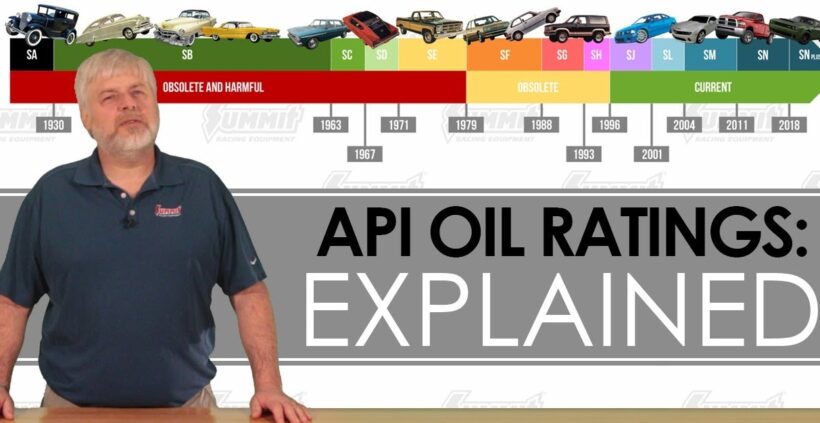
In 2011, General Motors introduced the dexos1™ certification. Since the 2012 Suburban was manufactured just after this rollout, it is mandatory to use oil with this logo on the container. The dexos1™ standard was designed to provide better aeration control, improved piston cleanliness, and higher resistance to oxidation compared to previous API standards. Using a non-dexos oil in these engines can lead to sludge buildup, which is particularly hazardous to the 5.3L engine's AFM lifters.
Viscosity Selection: 5W-30 vs. Alternatives
The 5W-30 weight is the factory recommendation for almost all operating conditions. The "5W" indicates the oil's flow characteristics during cold starts, while the "30" represents its thickness at operating temperature.
In extremely cold climates (regions where temperatures drop below -20°F), GM permits the use of 0W-30 oil. The 0W-30 provides faster lubrication to the top end of the engine during those critical first few seconds of a sub-zero start, reducing wear on the camshaft and valve train.
The Critical Role of the Oil Filter
The oil filter used in the 2012 Suburban is a spin-on canister type. The factory-recommended part is the ACDelco PF48 (or the updated PF48E).
Filtration Efficiency and Capacity
A high-quality filter is essential because the 6.0-quart capacity is only effective if the oil remains clean. The PF48E features a non-metallic end cap and a high-efficiency media designed to trap particles as small as 10-15 microns. Because the 2012 Suburban engines utilize high-pressure oil pumps, using a cheap, "no-name" filter can be risky. Lower-quality filters may have a bypass valve that opens too easily, allowing unfiltered oil to circulate back into the engine, or they may lack an anti-drainback valve, leading to "dry starts" where the oil has drained out of the upper engine galleries overnight.
2026 Perspective: High Mileage Filtration
By 2026, many Suburban owners have switched to "High Mileage" oil filters. These filters often feature synthetic-blend media and thicker canister walls to handle the increased pressures or potential contaminants found in aging engines. If your Suburban has over 150,000 miles, choosing a filter rated for 10,000+ miles of protection is a wise investment, even if you change your oil more frequently.
Oil Change Intervals and the Life Monitor
The 2012 Suburban is equipped with the GM Oil Life System (OLM). This is not a simple mileage counter; instead, it is a computer-driven algorithm that calculates oil degradation based on several factors.
How the OLM Calculates Life
The system monitors:
- Engine Revolutions: Higher RPMs lead to faster oil breakdown.
- Operating Temperature: Frequent short trips where the engine never reaches full operating temperature are much harder on oil than long highway hauls.
- Ambient Temperature: Extreme heat or cold affects the chemical stability of the lubricant.
When the system reaches a calculated remaining life of 5% or less, the "Change Engine Oil Soon" message will appear in the Driver Information Center (DIC).
Real-World Interval Recommendations
While the OLM may allow for intervals up to 7,500 or even 10,000 miles under perfect highway conditions, automotive experts and longtime Suburban owners generally recommend a more conservative approach. Given the known issues with Active Fuel Management (AFM) in the 5.3L engine, changing the oil every 5,000 miles is the "gold standard" for longevity. This prevents the microscopic soot and carbon buildup that can clog the tiny oil passages leading to the AFM lifters and the VLOM (Valve Lifter Oil Manifold).
Common Challenges: Oil Consumption in the 5.3L V8
One cannot discuss the oil capacity of a 2012 Suburban without addressing the 5.3L engine's reputation for oil consumption. Owners of the 1500 series should be aware that even if there are no visible leaks, the engine may "consume" oil between changes.
The AFM Factor
The Active Fuel Management system can cause oil to be drawn past the piston rings or through the PCV (Positive Crankcase Ventilation) system when cylinders are deactivated. In some cases, a 2012 Suburban might consume 1 quart of oil every 2,000 to 3,000 miles.
Why You Must Monitor the Dipstick
Because the capacity is exactly 6.0 quarts, losing just 1.5 to 2 quarts puts the engine in a dangerously low state. This can lead to:
- Increased Oil Temperatures: Less oil has to do the same amount of cooling work.
- Hydraulic Lifter Noise: Insufficient pressure to the top end causes "ticking."
- AFM Failure: The most expensive consequence, often requiring a full top-end rebuild.
In 2026, with these vehicles being high-mileage classics, it is a best practice to check the oil level at every third fuel fill-up.
Step-by-Step Oil Change Procedure
If you are performing the oil change yourself, following the correct sequence ensures that you reach the proper 6.0-quart level without making a mess or damaging the vehicle.
Tools and Supplies Needed
- 15mm socket and wrench (for the drain plug)
- Oil filter wrench (cap style or strap style)
- Oil drain pan (minimum 7-quart capacity)
- Funnel
- 6 quarts of 5W-30 dexos1™ certified oil
- New oil filter (ACDelco PF48E or equivalent)
- Clean rags and gloves
The Process
- Warm the Engine: Run the engine for about 5 minutes. Warm oil flows more freely and carries away more contaminants than cold oil.
- Position the Vehicle: Use a level surface. If using ramps or a jack, ensure the vehicle is secured with jack stands and wheel chocks.
- Drain the Oil: Locate the 15mm drain plug on the bottom of the oil pan. Place your pan underneath and remove the plug. Caution: The oil will be hot.
- Inspect the Plug: Clean the drain plug and check the O-ring/gasket. If it is cracked or flattened, replace it to prevent slow leaks.
- Remove the Filter: The filter is located near the drain plug. Unscrew it counter-clockwise. Be prepared for about half a quart of oil to spill out of the filter mounting point.
- Prepare the New Filter: Dip your finger in clean oil and smear a thin film onto the rubber gasket of the new filter. This ensures a proper seal and makes it easier to remove next time.
- Install the Filter: Screw the new filter on by hand until the gasket touches the base, then tighten it an additional 3/4 to 1 full turn. Do not use a wrench to tighten the filter.
- Replace the Drain Plug: Tighten to 18 lb-ft.
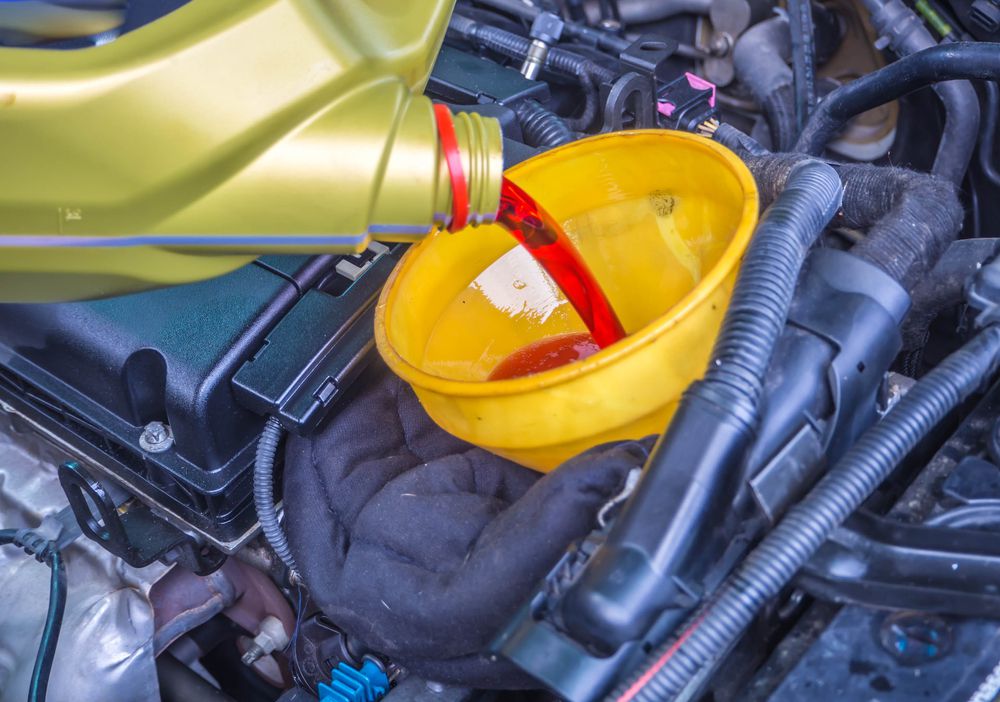
- Fill the Engine: Pour in 5.5 quarts of the new oil using a funnel.
- Check and Top Off: Start the engine and let it run for 30 seconds. This fills the new filter. Turn the engine off, wait 3 minutes for the oil to drain back into the pan, and check the dipstick. Add the remaining 0.5 quarts to reach the "Full" mark.
Resetting the Oil Life Monitor
After changing the oil, you must manually reset the computer system so it can begin a new calculation cycle.
- Turn the ignition to "ON" (engine off).
- Press the Vehicle Information button (the icon looks like a car with an 'i') on the dashboard until "OIL LIFE REMAINING" is displayed on the DIC.
- Press and hold the Set/Reset button (the checkmark icon) until the display changes to 100%.
- Alternatively, you can slowly depress the accelerator pedal fully three times within five seconds while the ignition is in the "ON" position. The "Oil Life Reset" message should flash.
- Turn the ignition off and restart the engine to verify the reset.
Frequently Asked Questions
Can I use 10W-30 oil in my 2012 Suburban?
It is not recommended. Modern Vortec engines are designed with tight tolerances and use oil pressure to manage variable valve timing and AFM systems. 10W-30 is thicker at cold temperatures, which can slow down the lubrication of critical components during startup. Stick to the 5W-30 weight specified by GM.
How much oil does the Suburban 2500 need compared to the 1500?
Both the 1500 (5.3L) and the 2500 (6.0L) require exactly 6.0 quarts. While the 2500 is a much heavier-duty vehicle with a different transmission and suspension, the engine block architecture for the lubrication system is virtually identical in terms of volume.
Is synthetic oil mandatory for the 2012 Suburban?
While the manual specifically calls for "dexos1™" (which can be a synthetic blend or full synthetic), most modern oils that meet this spec are full synthetic. Using a full synthetic oil is highly recommended for the 2012 Suburban, as it provides better resistance to the high heat generated during towing and better protection against the sludge that can lead to AFM failure.
What should I do if my oil pressure gauge is fluctuating?
On the 2012 Suburban, the oil pressure gauge should typically read between 20 and 40 PSI at idle and increase with engine speed. If the gauge is fluctuating wildly or dropping to zero, it could be a failing oil pressure sensor or a clogged screen beneath the sensor. However, always check the oil level first; a low oil level (below 4 quarts) can cause intermittent pressure drops as the oil sloshes in the pan.
My Suburban uses 1 quart every 1,500 miles. Is this normal?
GM's official stance during the era was that 1 quart per 2,000 miles could be considered "within normal operating limits" for high-mileage engines. However, for a 2012 model in 2026, this usually indicates worn valve seals, fouled PCV valves, or AFM-related ring wear. While it may be "normal" for the age of the vehicle, it requires you to be very diligent about topping off the oil between changes.
Final Recommendation for Owners
For the best results with your 2012 Chevrolet Suburban, treat the 6.0-quart capacity as a strict requirement and the 5,000-mile interval as your maximum limit. Always use a high-quality, name-brand full synthetic 5W-30 oil that carries the dexos1™ seal.
As these vehicles reach classic status in 2026, the cost of an oil change is negligible compared to the cost of replacing a Vortec engine or a complex fuel management system. Regularly checking your dipstick—especially before long road trips or towing sessions—is the single most effective way to ensure your Suburban remains on the road for another decade.