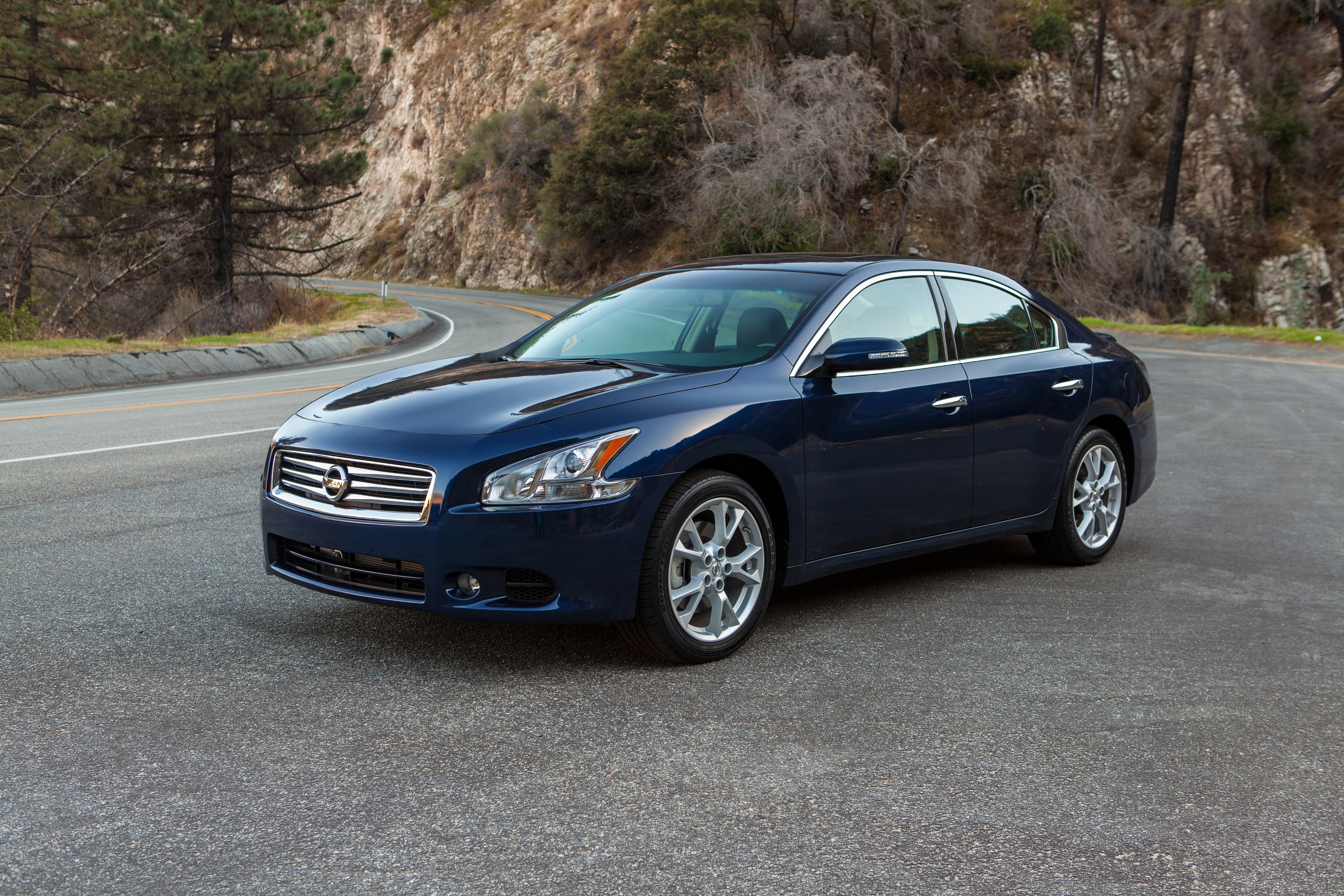
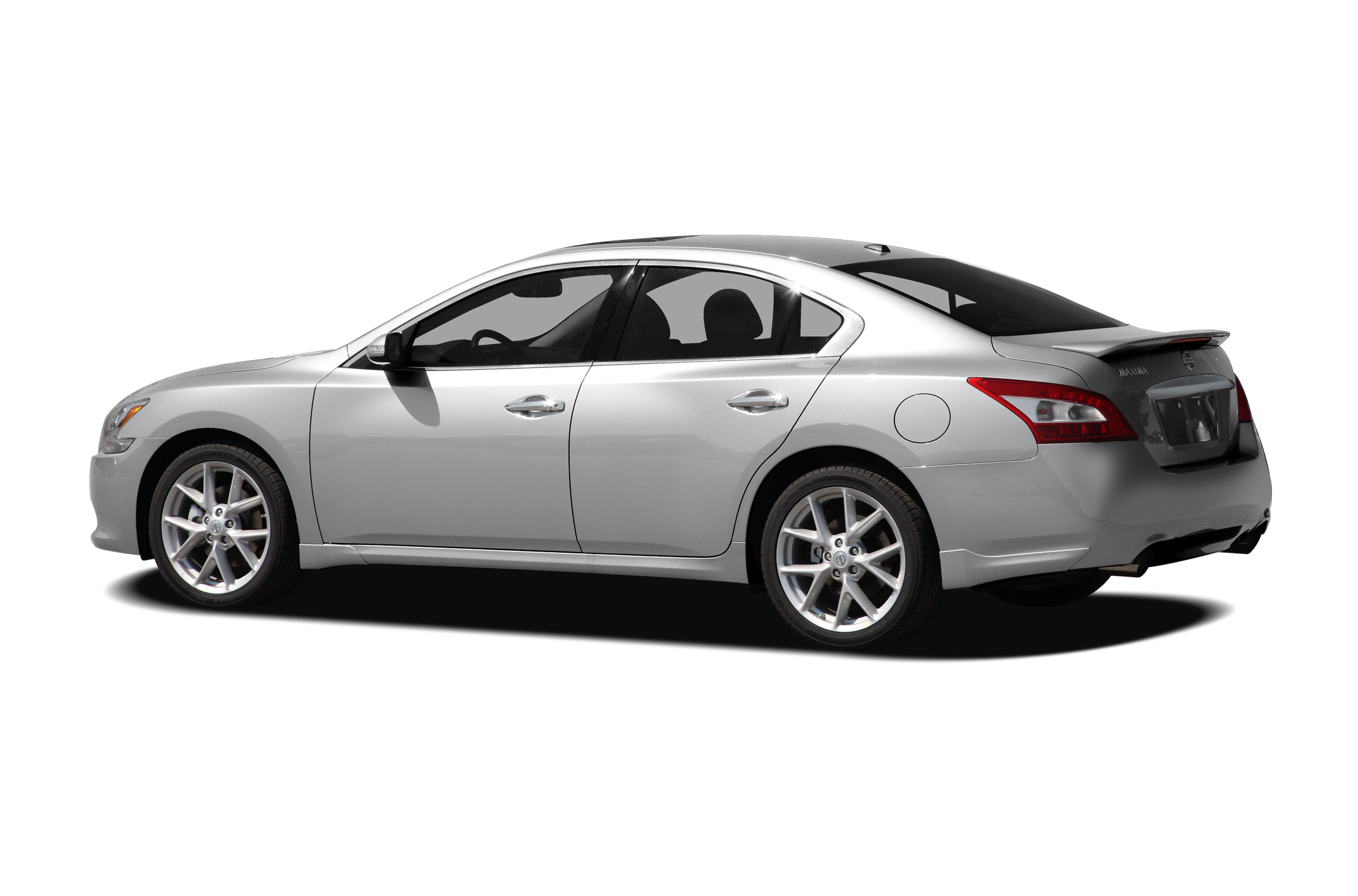
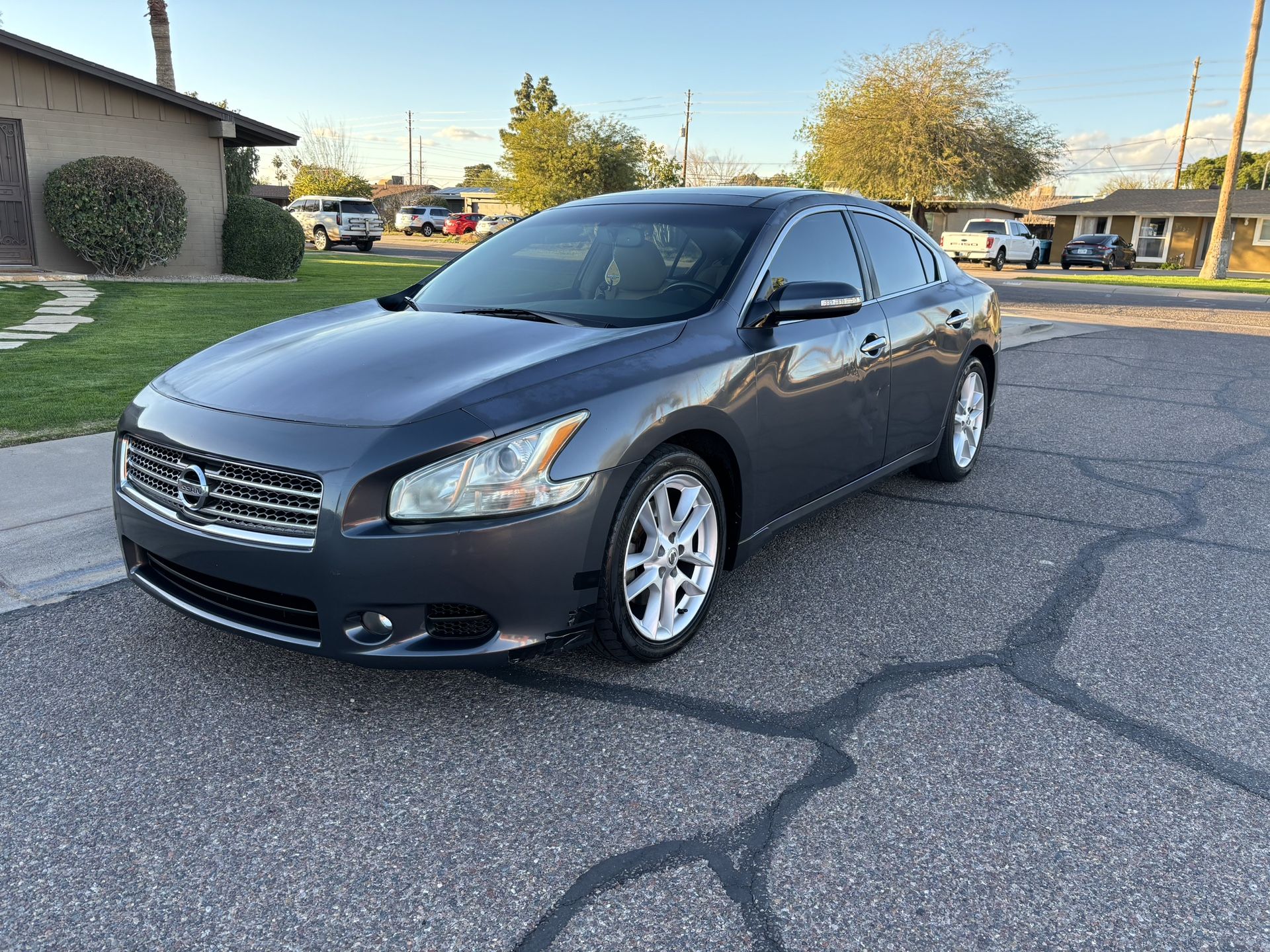
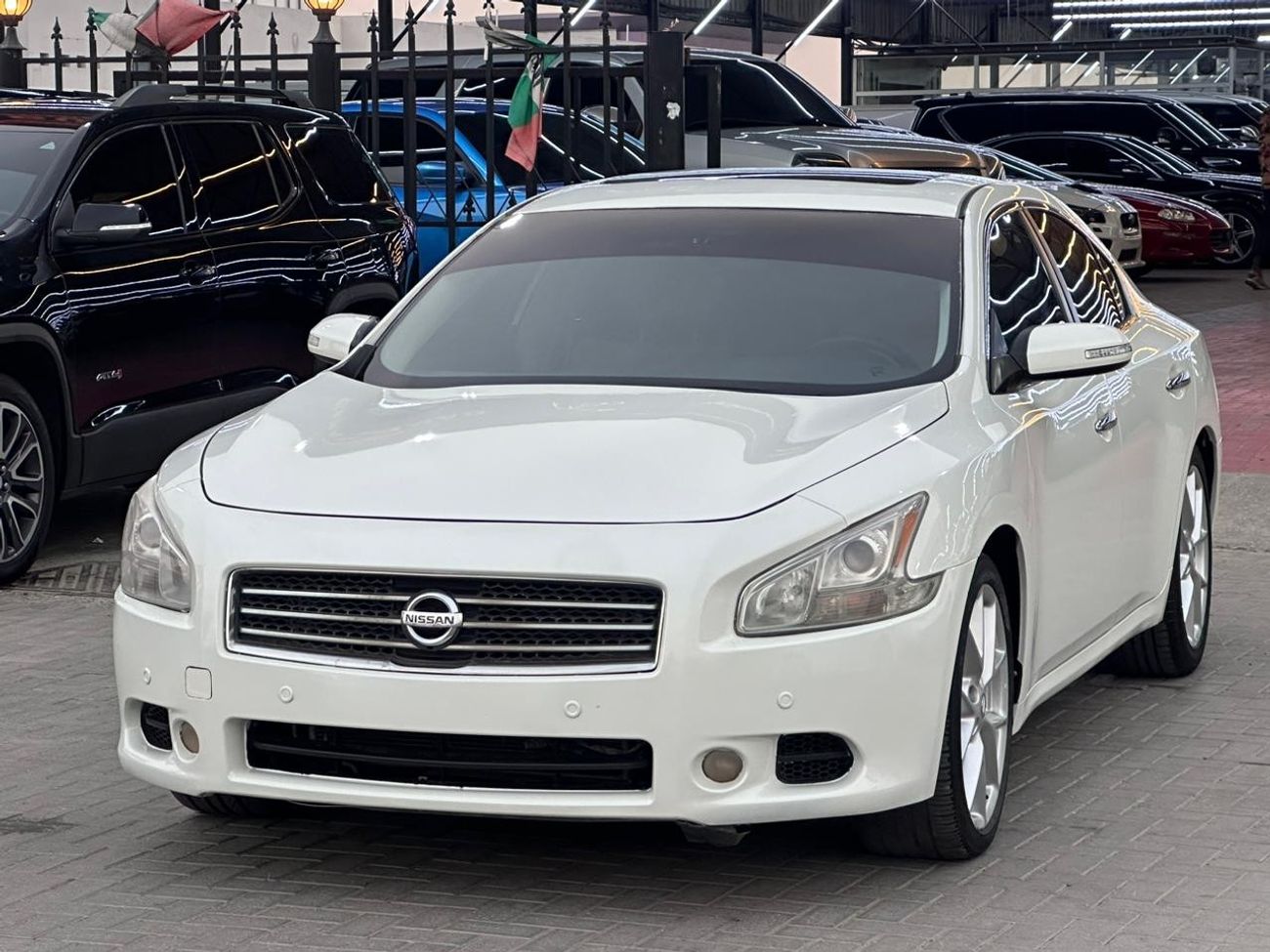
The 2010 Nissan Maxima has a curb weight ranging from approximately 3,536 to 3,580 pounds, depending on the specific trim level and optional equipment installed. The base S trim typically sits at the lighter end of this spectrum, while the more feature-rich SV trim, often equipped with additional interior comforts and technology packages, reaches the higher end of the weight range.
Engineering the 2010 Nissan Maxima Structure
The 2010 Nissan Maxima serves as the flagship sedan for the manufacturer's seventh generation (A35 platform) of the model. Understanding its weight requires looking at the engineering philosophy behind the vehicle. Nissan marketed the 2010 Maxima as a "four-door sports car," a moniker intended to bridge the gap between a family-oriented sedan and a performance-oriented coupe. To achieve this, the chassis had to be rigid enough to handle the 290-horsepower 3.5-liter V6 engine while maintaining enough mass to provide the stable, planted feel expected of a premium-segment sedan.
Weight distribution in this vehicle is fundamentally influenced by the front-wheel-drive configuration and the longitudinal placement of the heavy VQ-series V6 engine. Because the bulk of the mechanical mass is concentrated over the front axle, the 2010 Maxima exhibits a front-heavy weight bias. This design choice is common in mass-market sedans of this era, prioritizing traction and packaging efficiency over the perfect 50/50 balance usually reserved for rear-wheel-drive sports platforms.
Weight Variations by Trim Level
While the engine and drivetrain remain consistent across the lineup, the curb weight fluctuates based on the features added to the vehicle. The curb weight represents the vehicle's total mass with standard equipment, including a full tank of fuel and all necessary fluids, but excluding passengers and cargo.
The 2010 Maxima was offered primarily in two trim levels: the S and the SV. The S trim acted as the entry point, featuring cloth seating and a more modest array of electronic accessories. As a result, it maintains the lowest curb weight in the 2010 lineup. Conversely, the SV trim level was designed to compete with luxury-tier vehicles. When buyers added optional packages—such as the Sport Package, Premium Package, or the Technology Package—the weight increased incrementally due to the addition of items like power-adjustable heated seats, high-end Bose audio systems, larger alloy wheels, and advanced navigation hardware.
Comparison Table: Weight and Specifications
| Specification | 2010 Nissan Maxima S | 2010 Nissan Maxima SV |
|---|---|---|
| Curb Weight (lbs) | ~3,536 | ~3,580 |
| Engine Displacement | 3.5L V6 | 3.5L V6 |
| Transmission | Xtronic CVT | Xtronic CVT |
| Drivetrain | FWD | FWD |
| Horsepower | 290 hp | 290 hp |
Note: These figures represent base manufacturer estimates for standard configurations; individual vehicle weight may vary slightly based on port-installed options and regional trim variations.
The Role of the Xtronic CVT in Vehicle Mass
The inclusion of the Xtronic Continuously Variable Transmission (CVT) is a critical factor in the 2010 Maxima’s operational profile. Compared to a traditional planetary-gear automatic transmission, a CVT is often lighter and more compact. By eliminating the heavy gear sets required for traditional shifts, Nissan was able to keep the overall vehicle weight in check, which is significant given the sedan's substantial frame and safety requirements.
However, the "weight" of the driving experience is not merely measured in pounds on a scale. It is also felt through the vehicle's "heft" during acceleration and cornering. The CVT ensures that the engine stays within its optimal power band, which helps mitigate the perception of the car’s weight when pulling away from a stop or attempting to pass at highway speeds.
Factors Influencing Real-World Weight
It is important to distinguish between the curb weight provided by the manufacturer and the actual weight of the vehicle when it is in use. Over the years, environmental factors and owner modifications can significantly alter the weight profile of a 2010 Nissan Maxima.
1. Aftermarket Components
Many owners of the A35 Maxima choose to modify their vehicles with larger wheels, performance suspension components, or upgraded sound systems. Heavier aftermarket wheels and tires can increase the unsprung weight of the vehicle, which has a more significant impact on handling and fuel economy than weight inside the cabin.
2. Vehicle Maintenance and Fluids
The 2010 Maxima relies on a complex system of fluids to function properly. A full tank of gasoline (20 gallons) adds approximately 120 pounds to the vehicle's total weight. Furthermore, if a vehicle has accumulated debris in its chassis, suspension components, or underbody paneling over the course of its life, it may effectively weigh more than the manufacturer’s original specification.
3. Payload Capacity
Every vehicle has a Gross Vehicle Weight Rating (GVWR), which dictates the maximum weight the vehicle can safely carry, including passengers and cargo. For the 2010 Maxima, exceeding the manufacturer's recommended payload capacity can put undue stress on the CVT and the suspension system, leading to accelerated wear and degraded performance.
The Impact of Weight on Handling and Braking
The 3,500-plus-pound weight of the 2010 Maxima plays a dual role in its road manners. On one hand, the mass provides a sense of security and stability, particularly during long-distance highway driving. The car is less susceptible to crosswinds and provides a smoother ride over rough pavement compared to smaller, lighter compact sedans.
On the other hand, this weight places a high demand on the braking system. The 2010 model comes equipped with four-wheel disc brakes and a sophisticated Anti-lock Braking System (ABS) designed to manage the vehicle's momentum. Owners should be aware that the mass of the vehicle dictates longer stopping distances than one might expect from a "sports car." Regular inspection of brake pads and rotors is essential, as the kinetic energy generated by 3,500 pounds of moving steel requires significant friction to dissipate.
Frequent Questions Regarding 2010 Maxima Weight
Does the 2010 Maxima's weight affect its fuel economy significantly? Yes, weight is a primary factor in the 2010 Maxima's fuel efficiency. Because the vehicle is relatively heavy for a front-wheel-drive sedan, it requires more energy to overcome inertia during stop-and-go city driving. Maintaining recommended tire pressure is one of the most effective ways to counteract the rolling resistance associated with a vehicle of this weight.
Is the 2010 Maxima considered a heavy vehicle in its class? For the 2010 model year, the Maxima was considered a "mid-size to large" sedan. When compared to competitors like the Toyota Camry or Honda Accord of the same year, the Maxima is on the heavier side. This is largely due to its focus on high-performance engine components and premium interior materials, which prioritize substance and luxury over extreme weight-saving measures.
How can I verify the exact weight of my specific Maxima? The most accurate way to determine the weight of a specific 2010 Maxima is to look at the manufacturer’s sticker located on the driver-side door jamb. This placard lists the GVWR and the gross axle weight ratings. For an exact current weight, you can take the vehicle to a local truck scale or a public weigh station, which will provide an accurate reading of its current mass.
Does carrying heavy cargo negatively affect the CVT? Continuously Variable Transmissions are sensitive to extreme loads. While the 2010 Maxima is designed to carry passengers and luggage, consistently operating the vehicle at its maximum payload capacity—especially in hilly or high-heat conditions—can cause the transmission fluid to overheat and degrade prematurely.
Why is there a weight difference between the S and SV trims? The weight difference is almost entirely due to "creature comforts." Features like power-adjustable steering wheels, memory settings for seats, leather upholstery, and the additional wiring harnesses required for advanced infotainment systems in the SV trim add weight that is absent in the more streamlined S trim.
Recommendations for Owners
If you are concerned about how the weight of your 2010 Nissan Maxima affects its performance, the most practical step is to ensure that your suspension and braking systems are in optimal condition. As these vehicles age, the weight of the chassis exerts constant pressure on bushings, struts, and shock absorbers. Replacing worn-out suspension components can restore the factory-intended handling dynamics, effectively making the car "feel" lighter and more responsive in turns.
Additionally, if you carry heavy loads frequently, check your tire pressure against the manufacturer’s specifications listed in the owner’s manual or on the door jamb. Proper inflation is vital for handling the vehicle's weight safely and ensures that you do not compromise your braking efficiency or fuel economy. By treating the vehicle's weight as a baseline for your maintenance expectations, you can ensure a safer and more reliable driving experience.