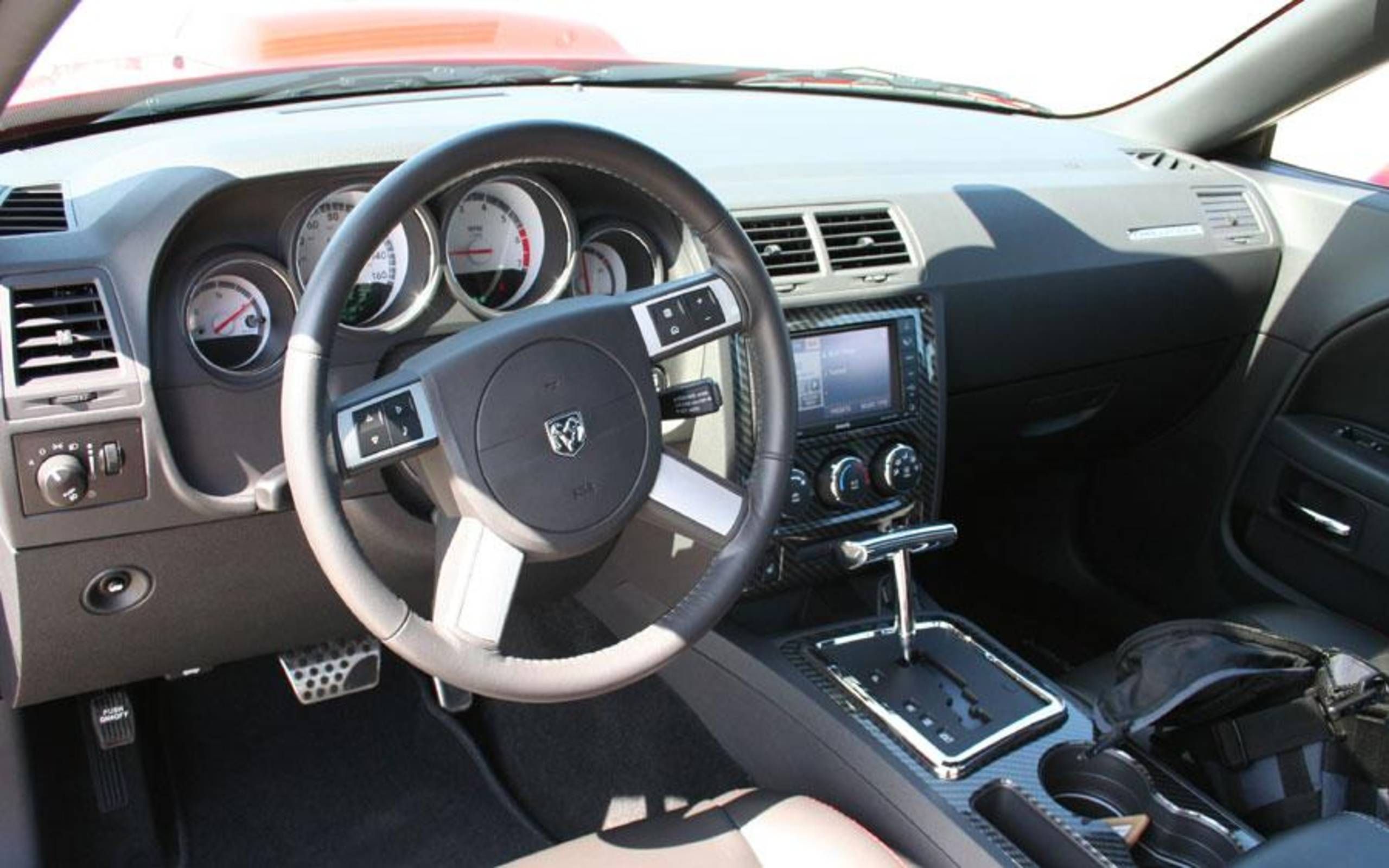
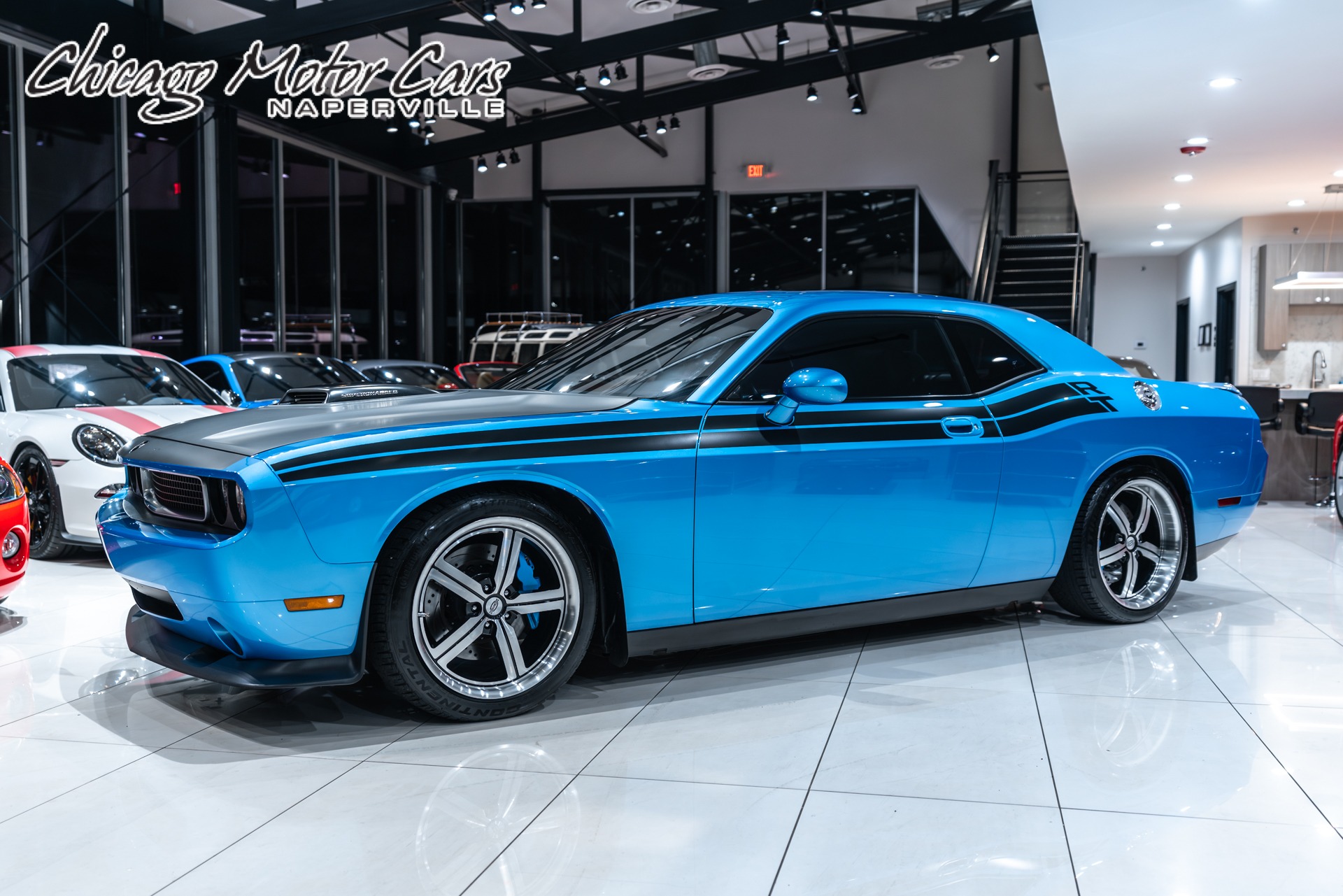
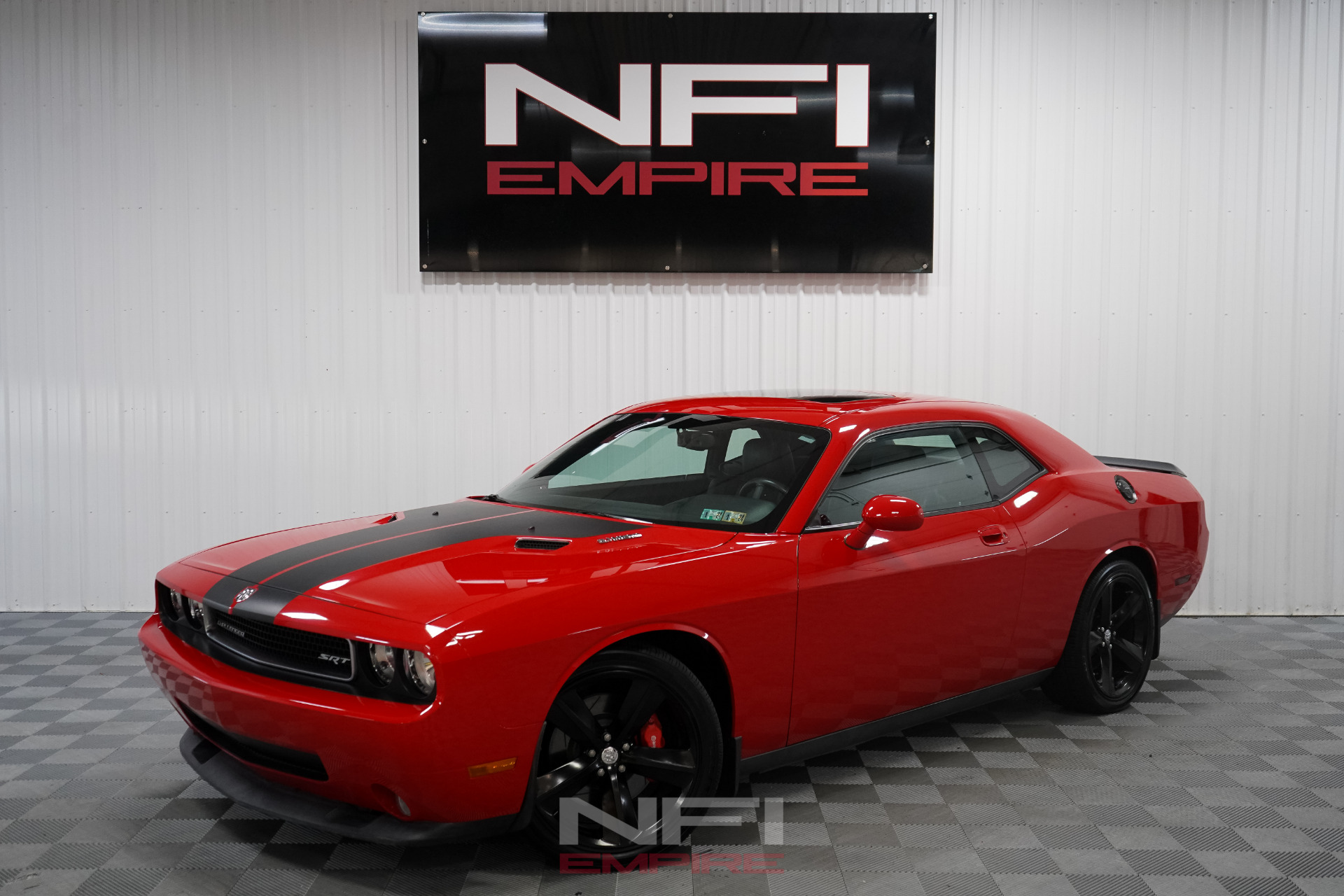
The 2010 Dodge Challenger offers a blend of modern muscle car performance and retro styling, but its long-term dependability varies significantly depending on the powertrain option. While the base V6 models feature a reliable layout, certain model years—particularly those equipped with early 5.7-liter and 6.1-liter HEMI V8 engines—require close attention to specific mechanical vulnerabilities, including valvetrain wear and electrical gremlins.
Introduction to the 2010 Dodge Challenger
The 2010 model year represents the tail end of the initial modern revival phase for the Dodge Challenger, which first re-entered the market for the 2008 model year. Built on the Chrysler LC platform (a shortened variant of the LX platform shared with the Chrysler 300 and Dodge Charger), the 2010 Challenger brings rear-wheel-drive dynamics and heavy-gauge steel architecture.
For prospective buyers and automotive enthusiasts looking at a pre-owned 2010 Challenger, assessing vehicle reliability requires looking past the aggressive exterior styling and muscular exhaust notes. Powertrain choices dictate maintenance costs, common failure points, and expected lifespan. Understanding how these vehicles age involves examining distinct engine options, transmission types, suspension wear, and electrical architecture.
Powertrain Options and Mechanical Architecture
The 2010 Dodge Challenger was offered with three primary engine configurations, each paired with specific manual or automatic transmissions.
3.5-Liter High Output V6
Found in the SE trim, the 3.5-liter naturally aspirated V6 produces 250 horsepower and 250 lb-ft of torque. It is typically paired with a 4-speed automatic transmission (AG4). While mechanically straightforward, the 4-speed automatic feels dated compared to the 5-speed and 6-speed units found in V8 trims. The 3.5L V6 engine block itself is durable, but buyers frequently note cooling system components and timing chain guides as areas requiring inspection past the 150,000-mile mark.
5.7-Liter HEMI V8
Available in the R/T trim, the 5.7L HEMI generates up to 376 horsepower (when paired with the 6-speed manual Tremec transmission) or 372 horsepower (with the 5-speed automatic W5A580). This engine features a Multi-Displacement System (MDS) on automatic models to deactivate cylinders under light loads for fuel economy.
6.1-Liter HEMI V8
Exclusive to the high-performance SRT8 trim, the 6.1L HEMI produces 425 horsepower and 420 lb-ft of torque. Unlike the 5.7L, the 6.1L does not feature MDS, relying on a stronger forged crankshaft, heavier-duty connecting rods, and a specific aluminum intake manifold designed for high-RPM endurance.
Key Reliability Concerns and Common Failure Points
Every automotive platform has characteristic weak spots. For the 2010 Challenger, owners and independent technicians report several recurrent mechanical and electrical issues.
Valve Seat Drop and Valvetrain Wear (5.7L HEMI)
Early-generation modern HEMI engines, including the 2010 specification, occasionally experience issues related to valve guides and valve seats. While less common than in the 2003–2008 variants due to manufacturing updates, dropping a valve seat remains a catastrophic failure mode that results in engine replacement. Additionally, lifter failure linked to the MDS system can occur if oil change intervals are neglected or low-viscosity oil is used improperly.
Front Suspension and Steering Components
Because the Challenger shares its platform with heavier full-size sedans like the Charger and Chrysler 300, front-end components endure substantial stress. Owners frequently report premature wear on:
- Lower control arm bushings
- Outer tie rod ends
- Ball joints
- Front sway bar links
Worn suspension components manifest as clunking noises over bumps, uneven front tire wear, and vague steering feedback.
Electrical and Interior Gremlins
Electrical systems on Chrysler vehicles from this era are occasionally prone to intermittent glitches. Common trouble spots include:
- TIPM (Totally Integrated Power Module): Controls vehicle electrical functions. Failures can lead to erratic wiper behavior, fuel pump relay issues, or battery drain.
- Power Window Regulators: Window motors and plastic clips frequently break, causing windows to drop or fail to roll up.
- WIPM and Ignition Switches: Worn ignition tumblers can occasionally prevent the key from turning or failing to shut off accessories properly.
Maintenance Costs and Long-Term Durability
Owning a 2010 Dodge Challenger involves balancing routine maintenance expenditures against potential major repairs. Because the car weighs roughly 3,800 to 4,150 pounds depending on the trim, consumable items like tires and brake pads wear out faster than they would on a lighter sedan.
| Component / System | Typical Lifespan | Common Issue / Maintenance Note | Estimated Replacement Cost |
|---|---|---|---|
| Brake Pads & Rotors | 30,000 – 50,000 miles | Heavy vehicle weight accelerates pad wear, especially on SRT8 Brembo brakes. | $400 – $900 |
| Suspension Bushings / Control Arms | 70,000 – 100,000 miles | Rubber components crack and degrade, causing steering play. | $600 – $1,200 |
| Water Pump / Thermostat | 80,000 – 120,000 miles | Bearings begin to squeal or weep coolant around the weep hole. | $300 – $600 |
| Alternator & Battery | 5 years / 60,000 miles | Electrical draw can strain the charging system prematurely. | $250 – $500 |
| Transmission Fluid & Filter | 60,000 miles | Crucial for longevity on both automatic and manual gearboxes. | $200 – $400 |
Comparing Trim Reliability: SE vs. R/T vs. SRT8
Choosing the right trim level significantly alters the ownership experience and risk profile of a 2010 Challenger.
2010 Challenger SE (V6)
The SE is generally considered the most cost-effective and structurally straightforward daily driver. With fewer complex performance systems, less stress on the drivetrain, and standard suspension geometry, it suffers from fewer high-dollar engine or transmission failures. However, buyers should note that the 4-speed automatic transmission lacks highway efficiency.
2010 Challenger R/T (5.7L V8)
The R/T represents the sweet spot for performance enthusiasts, but requires rigorous adherence to oil change schedules. The presence of the MDS system means that dirty oil can accelerate lifter wear. Furthermore, the higher torque output places greater stress on the rear differential and driveshaft couplers (guibo joints), which should be inspected for cracking during routine maintenance.
2010 Challenger SRT8 (6.1L V8)
The SRT8 is built with heavier-duty components, including larger axles, upgraded Brembo brakes, and a robust iron-block/aluminum-head engine architecture. However, replacement parts for the SRT8—such as two-piece brake rotors and specialized suspension dampers—are significantly more expensive than standard R/T components.
Frequently Asked Questions
Is the 2010 Dodge Challenger a reliable daily driver?
Yes, provided it has been maintained properly. The vehicle mechanical architecture is fundamentally robust, but its age means that rubber hoses, suspension bushings, and electrical sensors may require replacement. Prospective buyers should prioritize models with comprehensive service histories.
What are the most common engine problems on a 2010 Dodge Challenger?
The most notable concerns involve valvetrain noise and potential lifter wear on 5.7L HEMI engines equipped with the Multi-Displacement System (MDS). Regular oil changes using factory-specified 5W-20 oil are critical to preventing these issues.
How many miles can a 2010 Dodge Challenger last?
With routine preventative maintenance, a 2010 Challenger can easily surpass 150,000 to 200,000 miles. Engine blocks and transmissions in both V6 and V8 variants are fundamentally durable, though peripheral components like alternators, water pumps, and suspension parts will need periodic replacement.
Are replacement parts expensive for a 2010 Challenger?
Standard mechanical parts for SE and R/T models are widely available and relatively affordable due to shared componentry with other Chrysler, Dodge, and Jeep vehicles from that era. SRT8-specific components, such as braking systems and interior trim pieces, carry a higher price tag.
What should I look for during a pre-purchase inspection?
Inspect the front suspension for clunks or play, check the service history for frequent oil changes, test all electrical accessories (windows, radio, HVAC controls), and inspect the underside for fluid leaks around the transmission pan and rear differential.
Final Recommendations for Buyers
For buyers evaluating a pre-owned 2010 Dodge Challenger, success depends on thorough inspection and verification of past maintenance. Vehicles that have undergone excessive modification or aggressive driving without matching upkeep should be avoided. Prioritize clean-title examples with detailed service records. For maximum longevity and lower risk of major engine repair, a well-maintained R/T or a straightforward V6 SE makes a dependable weekend cruiser or daily driver when treated with regular care.