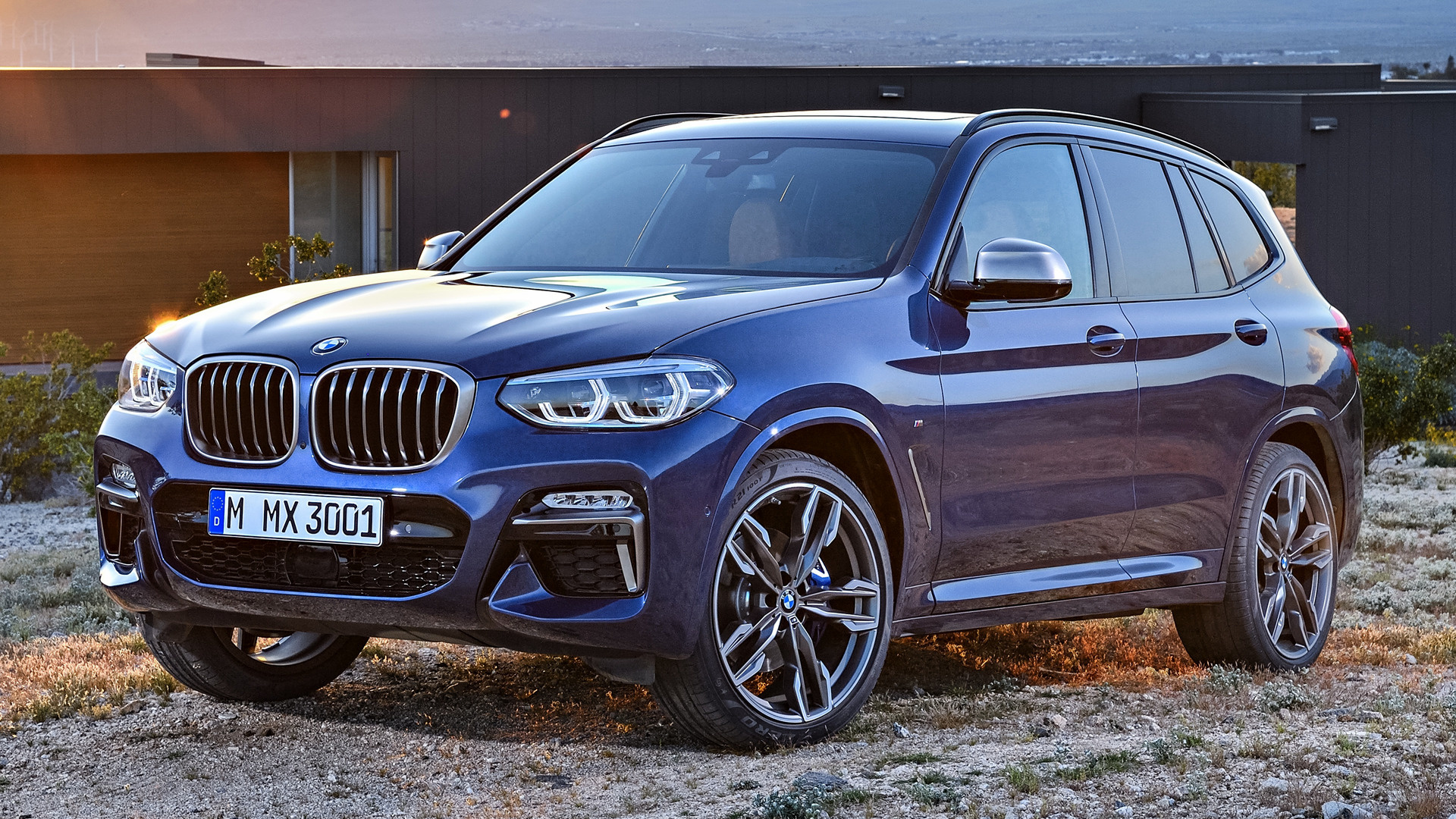
The 2010 BMW X3 xDrive30i represents the final model year of the first-generation (E83) compact luxury crossover, combining a naturally aspirated inline-six engine, hydraulic steering feel, and rear-biased all-wheel-drive capability with classic late-2000s interior ergonomics and known long-term maintenance requirements.
Evaluating a vehicle from the transition era of automotive engineering requires separating the driving dynamics from the mechanical upkeep. As the E83 generation bowed out before the arrival of the larger, more comfort-oriented F25 chassis in 2011, the 2010 BMW X3 xDrive30i stood as a distinct breed. It offered a purist mechanical layout that favored tactile feedback and heavy-duty mechanical hardware over touchscreens and turbochargers.
For prospective buyers, enthusiasts, or current owners looking to maintain a modern classic, understanding the exact specifications, real-world performance, and hidden ownership costs of this specific model year is essential. This comprehensive review examines the engineering, powertrain, chassis dynamics, common failure points, and financial realities of living with a 2010 BMW X3 xDrive30i.
Identity and Scope: Understanding the E83 LCI Era
The 2010 BMW X3 sits at the tail end of the E83 lifecycle, which originally debuted globally for the 2004 model year. By 2010, the vehicle had undergone its crucial Life Cycle Impulse (LCI) refresh, which occurred in the 2007 model year. This refresh updated the exterior styling with revised bumpers and tail lamps, modernized the interior materials, and introduced the legendary N52 naturally aspirated inline-six engine to the X3 lineup.
The "xDrive30i" nomenclature indicates two vital pieces of information:
- xDrive: BMW's intelligent, electronically controlled permanent all-wheel-drive system capable of continuously variable torque split between the front and rear axles via an electronically controlled multi-plate clutch.
- 30i: Under the hood lies a 3.0-liter naturally aspirated engine, which in the 2010 model year is the definitive version of the N52 power plant.
Unlike its turbocharged successors, the 2010 X3 lacks direct injection and complex turbocharger plumbing, making its engine architecture structurally simpler, though still bound by BMW's advanced electronic integration and extensive use of plastics in the cooling system.
Technical Specifications and Powertrain Dynamics
At the heart of the 2010 BMW X3 xDrive30i is the N52B30 engine. Displacing 3.0 liters, this aluminum-magnesium composite engine block utilizes Valvetronic (variable valve lift) and Double-VANOS (variable camshaft timing) to optimize both efficiency and power delivery without relying on forced induction.
Engine and Transmission Output
- Displacement: 2,996 cc (3.0 L)
- Horsepower: 260 hp at 6,600 rpm
- Torque: 225 lb-ft (305 Nm) at 2,750–4,000 rpm
- Valvetrain: DOHC with Valvetronic and Double-VANOS
- Transmission: 6-speed automatic (GM GA6L45R) or 6-speed manual (market dependent, predominantly automatic in North America)
- Drivetrain: xDrive permanent all-wheel drive
Power delivery is exceptionally linear. Because there is no turbocharger spooling delay, throttle response is instantaneous, giving the vehicle an eager, old-school BMW character. Peak torque arrives relatively low in the rev range for a naturally aspirated engine, making city driving smooth and responsive.
Chassis and Suspension Engineering
The E83 X3 was built on a platform heavily influenced by the E46 3 Series architecture. This gives the vehicle a distinctly car-like driving dynamic that modern crossovers often lack.
- Front Suspension: MacPherson strut layout with twin-tube gas shock absorbers and an anti-roll bar.
- Rear Suspension: Five-link independent rear suspension derived from the E46 platform, ensuring precise wheel control under cornering loads.
- Steering: Hydraulic rack-and-pinion steering. This is one of the most celebrated features of the E83 generation, offering heavy, communicative steering feedback that transmits exact road texture to the driver's hands, completely distinct from modern electric power steering systems.
| Specification Category | 2010 BMW X3 xDrive30i Data |
|---|---|
| Engine Type | N52 3.0L Inline-6 (Naturally Aspirated) |
| Max Horsepower | 260 hp @ 6,600 RPM |
| Max Torque | 225 lb-ft @ 2,750–4,000 RPM |
| Transmission Options | 6-Speed Automatic (GM) / 6-Speed Manual |
| Curb Weight | Approx. 4,000 lbs (1,814 kg) |
| Cargo Capacity (Seats Up / Down) | 30.0 cu ft / 71.0 cu ft |
| Towing Capacity | 3,500 lbs (with proper braking equipment) |
| EPA Fuel Economy (City / Hwy / Comb) | 16 / 23 / 19 mpg |
Practical Performance and On-Road Behavior
In real-world driving conditions, the 2010 BMW X3 xDrive30i bridges the gap between a sporty wagon and a utility vehicle. It is stiffly sprung, which translates to minimal body roll through tight corners and sweeping highway off-ramps. However, this sports-tuned suspension setup has direct implications for ride comfort.
Ride Quality and Handling
Drivers accustomed to plush, floaty modern crossovers will find the E83 X3 firm. Over sharp potholes or broken urban asphalt, the suspension transmits impact harshness directly into the cabin. On smooth tarmac or high-speed interstates, however, the vehicle tracks straight and true, feeling planted and secure at speeds well above legal limits.
All-Weather Capability via xDrive
The xDrive system utilizes a wet clutch pack managed by the Dynamic Stability Control (DSC) computer. It can shift up to 100% of available engine torque to either the front or rear axle within milliseconds if slip is detected. In snow, heavy rain, or loose gravel, the system provides confident traction. Combined with proper winter tires, the X3 xDrive30i handles severe winter weather with ease, though its ground clearance (approximately 8.1 inches) limits it to light off-roading rather than serious trail crawling.
Fuel Consumption
The trade-off for a heavy, naturally aspirated inline-six paired with an older 6-speed automatic transmission is fuel economy. Real-world fuel consumption typically hovers around 15–17 mpg in heavy urban stop-and-go traffic, rising to 22–24 mpg on sustained highway cruises at 65–70 mph. Premium fuel (91 AKI / 95 RON or higher) is strictly required.
Comprehensive Ownership Realities: Maintenance and Reliability
Owning a 2010 BMW X3 xDrive30i requires a proactive approach to maintenance. While the N52 engine is widely regarded as one of the most reliable modern inline-six engines BMW ever built—largely avoiding the catastrophic high-pressure fuel pump (HPFP) and turbo failures of its turbocharged N54 contemporary—it possesses specific aging failure points that every owner must anticipate.
Common Mechanical and Electrical Issues
- Cooling System Overhaul: Like almost all BMWs of this era, the cooling system relies heavily on high-grade plastics that become brittle over time. The electric water pump and thermostat typically have a service life of 80,000 to 100,000 miles. Failure results in sudden overheating, which can warp the aluminum head. Preventive replacement is standard practice for knowledgeable owners.
- Oil Leaks (Gaskets): Rubber gaskets harden and degrade with age and thermal cycles. The most common leaks occur at the valve cover gasket, oil filter housing gasket, and oil pan gasket. While the first two are relatively straightforward DIY jobs or affordable shop repairs, the oil pan gasket requires dropping the front subframe, making it a labor-intensive service.
- DISA Valves: The intake manifold features variable length adjustment units (DISA valves) with plastic internal flaps. Over time, the pins or flaps can wear out or break, potentially being ingested into the engine if ignored. Inspecting or replacing these valves around 100,000 miles prevents severe engine damage.
- Suspension Bushings and Control Arms: The heavy front end places high loads on the front thrust arms (tension struts). Hydraulic fluid-filled bushings tear over time, causing a shimmy or vibration in the steering wheel under braking between 45 and 65 mph.
- xDrive Actuator Gear: The electronic actuator motor that controls the transfer case clutch pack uses an internal plastic gear. Over years of cycling, the teeth on this gear strip out, triggering 4x4, ABS, and brake warning lights on the dashboard. Replacing the gear with an upgraded brass or reinforced aftermarket unit resolves the issue.
Parts Availability and DIY Friendliness
One of the greatest advantages of owning a late-model E83 X3 is parts availability. Because the N52 engine and its associated chassis components were shared across millions of 3 Series (E90), 5 Series (E60), and Z4 models, OEM and aftermarket parts are widely available, reasonably priced, and thoroughly documented in enthusiast forums and DIY video guides.
For DIY mechanics, the engine bay offers adequate working room compared to tight twin-turbo layouts, making routine fluid changes, spark plug replacements, and belt services accessible to home wrenchers with metric socket sets and torx bits.
Frequently Asked Questions
Is the 2010 BMW X3 xDrive30i a reliable vehicle?
Yes, relative to other European luxury vehicles of its era, the 2010 X3 xDrive30i is considered mechanically durable. The N52 engine is robust, but reliability is entirely dependent on maintenance history. Neglected examples with deferred cooling system and gasket repairs will prove costly and frustrating.
Can I run regular 87 octane fuel in this engine?
No. The N52 engine features a high compression ratio (10.7:1) and relies on precise knock-sensor timing adjustments. Running regular fuel will cause the engine computer to retard ignition timing, resulting in reduced power output, sluggish throttle response, and potential long-term internal carbon buildup.
How does the 2010 X3 compare to the newer F25 generation (2011+)?
The 2010 E83 X3 offers a more mechanical, connected driving experience with hydraulic steering and rugged interior styling. The subsequent F25 generation introduced electric power steering, a much softer, more family-oriented ride, increased interior dimensions, and turbocharged four-cylinder (N20) or six-cylinder (N55) engines, which introduced their own distinct maintenance profiles (such as N20 timing chain guide issues).
What is the towing capacity of the 2010 X3 xDrive30i?
When properly equipped with a Class III frame-mounted hitch and trailer braking system, the maximum towing capacity is rated at 3,500 lbs (1,587 kg). Exceeding this limit strains the transmission and cooling system, and reduces braking performance.
What should I look for when inspecting a used 2010 X3 for purchase?
Prioritize a clean, documented service history showing recent cooling system replacement, dry oil filter housing and valve cover gaskets, smooth shifting from the automatic transmission, and an absence of dashboard warning lights (specifically 4x4 or check engine lights). A pre-purchase inspection (PPI) performed by an independent BMW specialist is strongly recommended.
Final Recommendation and Next Actions
The 2010 BMW X3 xDrive30i rewards buyers who appreciate analog mechanical feedback, mechanical simplicity over digital complexity, and the engaging driving dynamics of a naturally aspirated inline-six engine. It is not an appliance vehicle; it requires an attentive owner or a trusted independent mechanic who understands BMW engineering.
If you are currently evaluating a purchase, secure a comprehensive service history, budget an immediate reserve fund of $1,000 to $2,000 for deferred maintenance items like cooling components or suspension bushings, and verify that all electronic systems and all-wheel-drive functions operate without fault. When properly maintained, a 2010 X3 xDrive30i delivers an engaging, durable daily-driving experience that modern crossovers struggle to replicate.