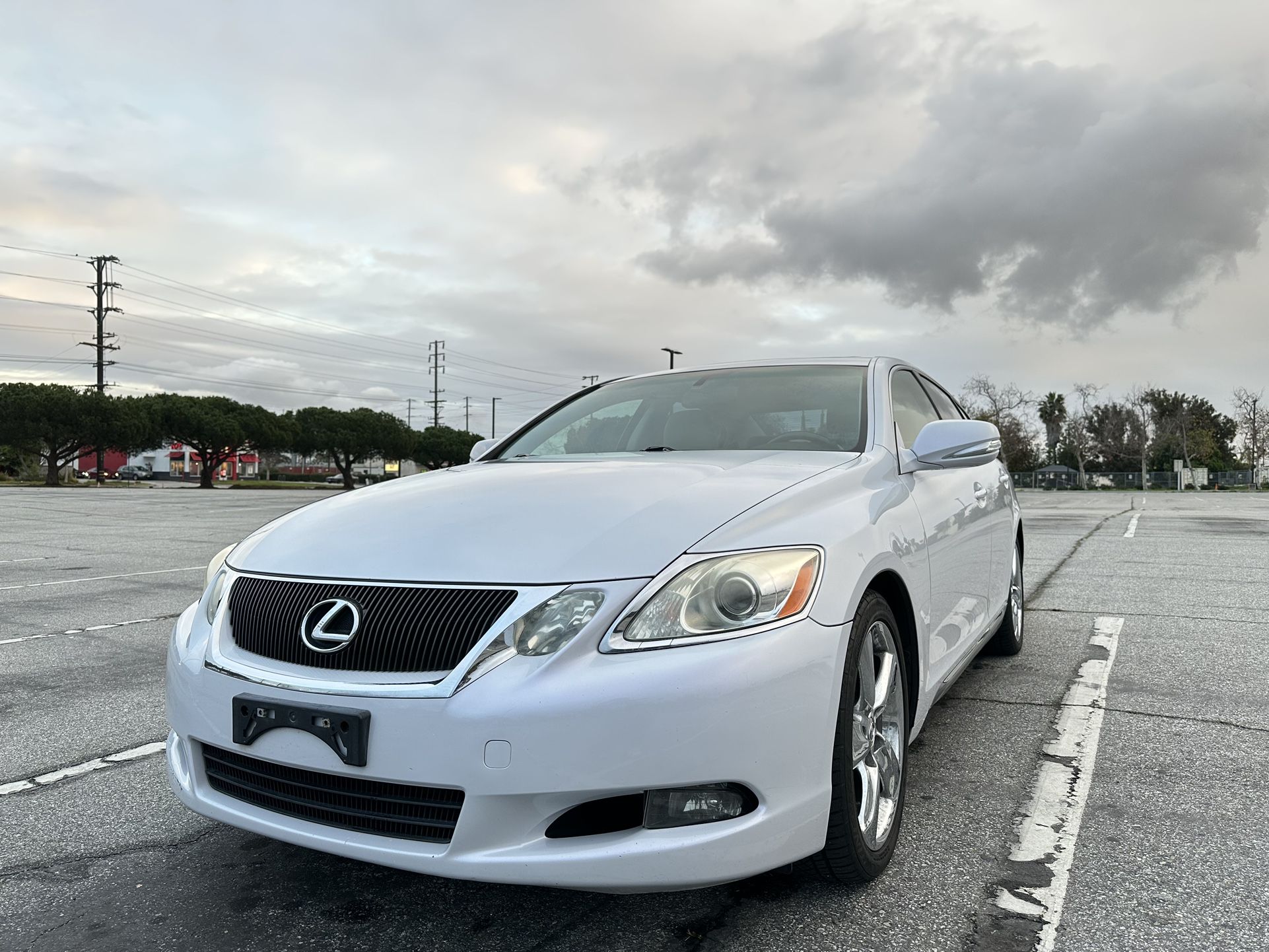
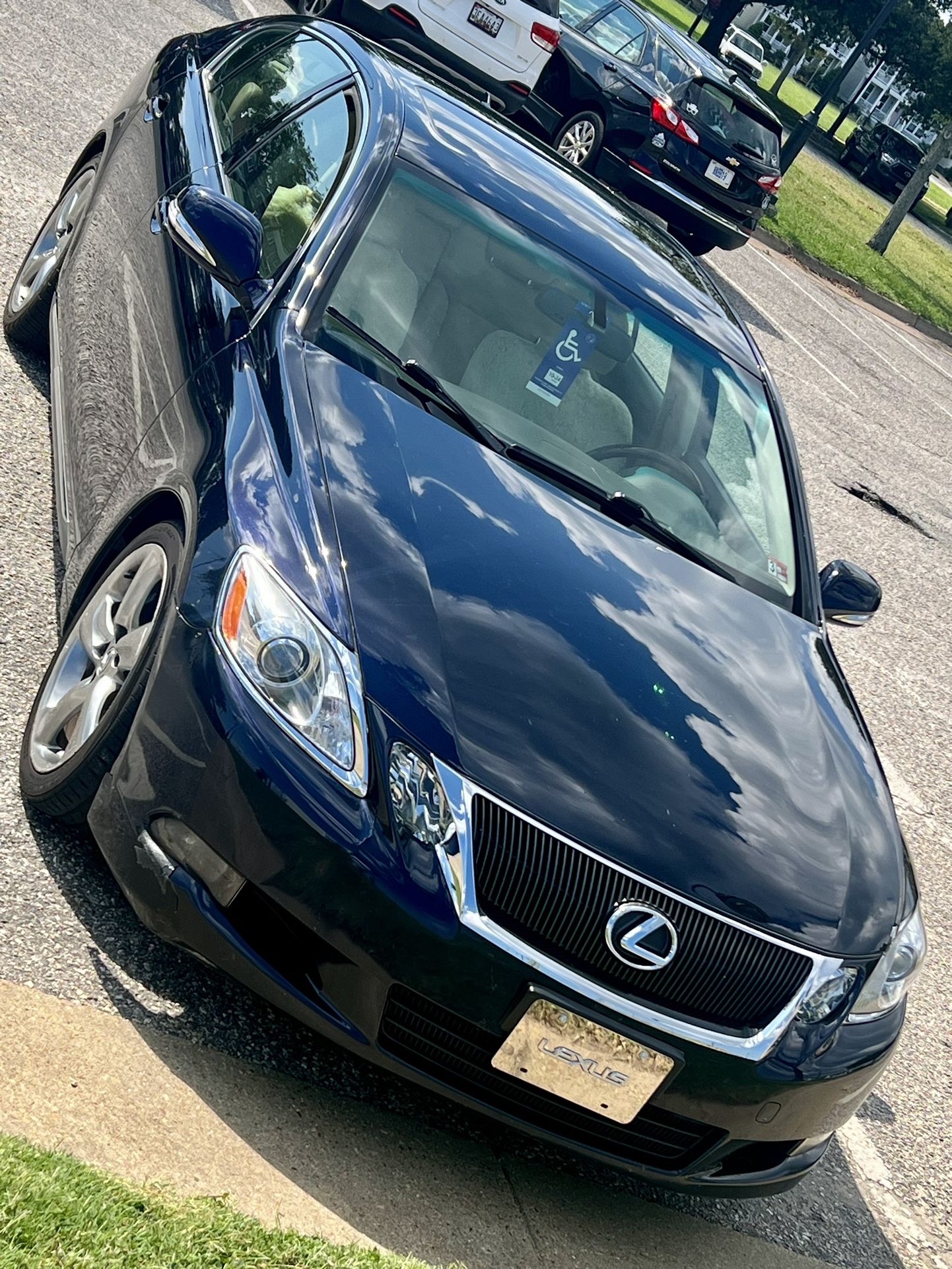
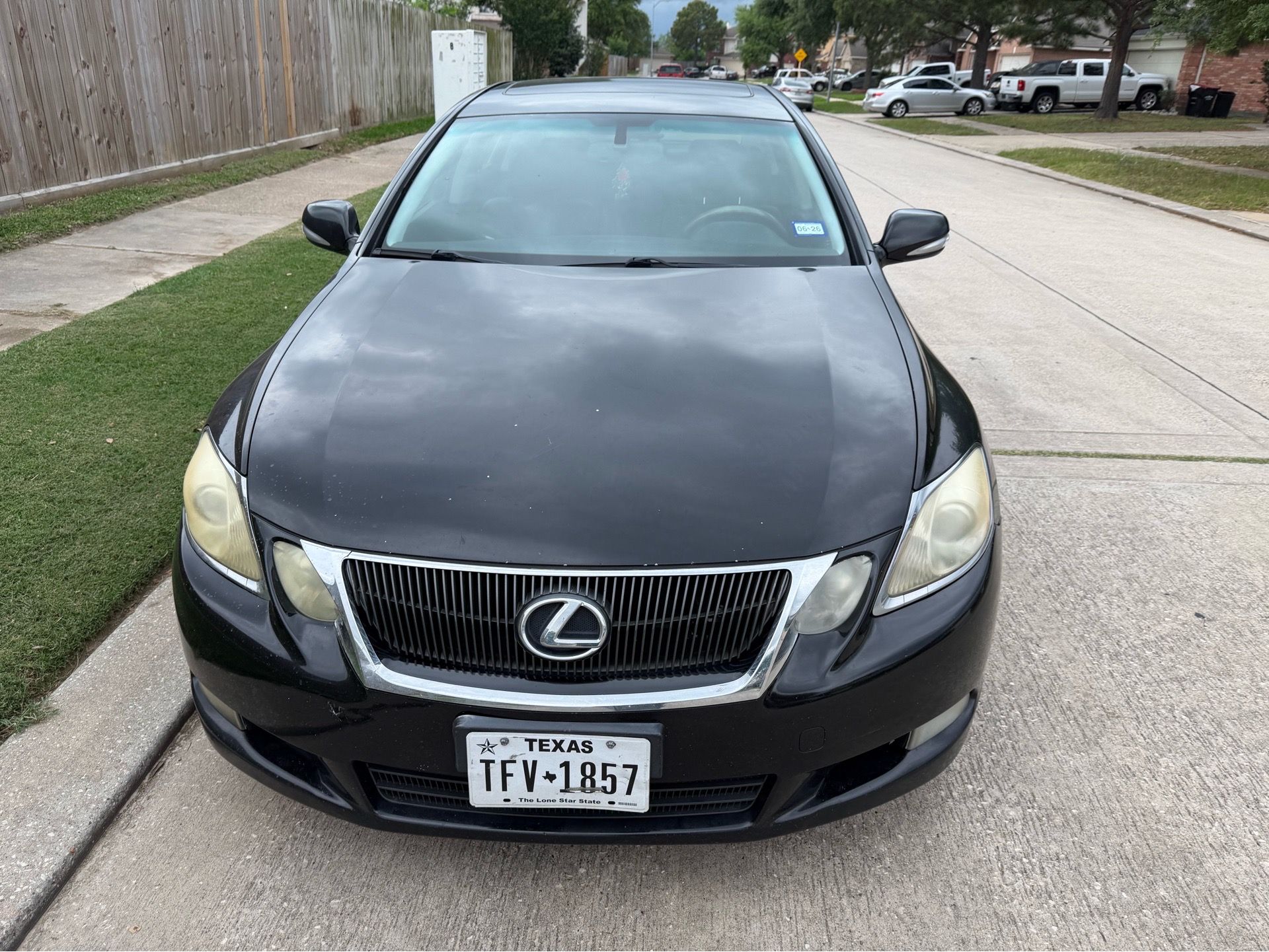
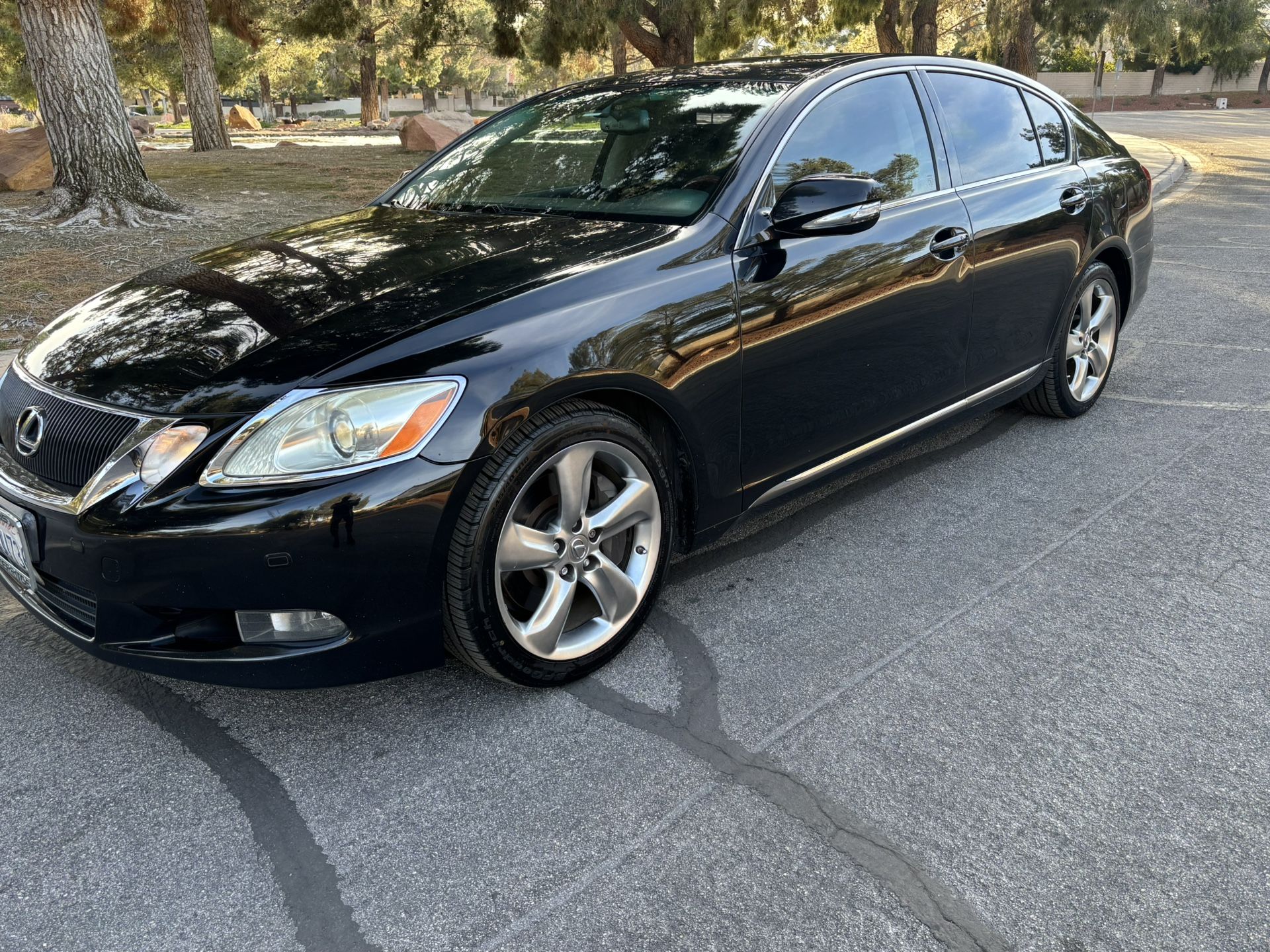
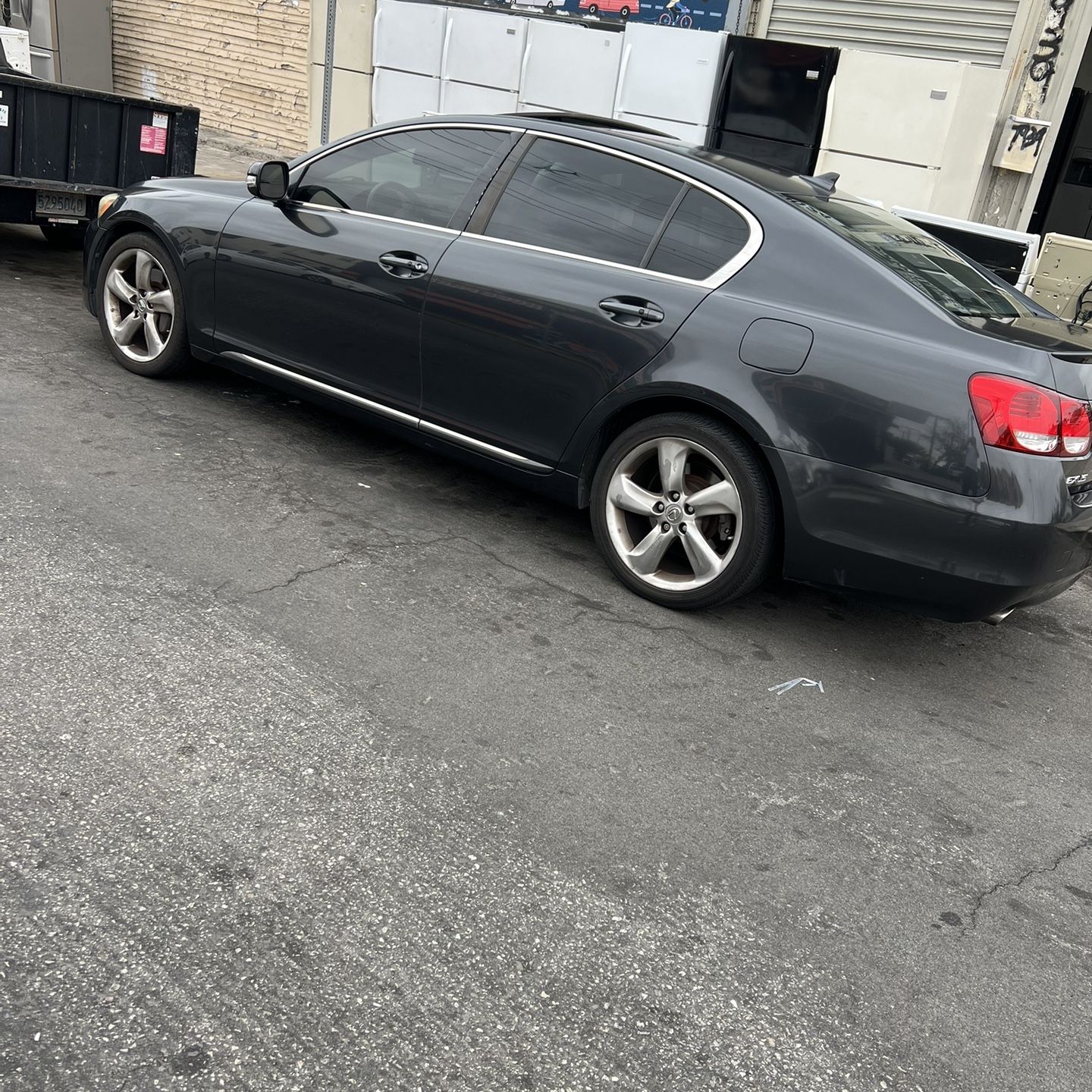
The 2008 Lexus GS 350 All-Wheel Drive combines a 303-horsepower 3.5-liter V6 engine with a rear-biased planetary-gear AWD system, offering refined performance and foul-weather capability. As a third-generation (S190) midsize luxury sedan, it stands out for long-term mechanical durability, comfortable ergonomics, and smooth power delivery, making it a compelling option on the used market.
Overview of the 2008 Lexus GS 350 AWD
When Lexus introduced the mid-cycle refresh for the third-generation GS series in 2008, the GS 350 AWD occupied a unique position within the executive sport sedan segment. While European competitors such as the BMW 5 Series xDrive and Audi A6 Quattro focused heavily on aggressive chassis tuning and complex forced-induction or direct-injection engines, Lexus prioritized long-term assembly quality, cabin isolation, and linear power delivery.
The 2008 model year marked an important evolution for the GS lineup. It refined the exterior styling, updated the interior infotainment interface, and standardized key features while retaining the core powertrain introduced for 2007. The GS 350 AWD was engineered to appeal to luxury buyers in cold-weather regions who required all-season traction without sacrificing the driving dynamics associated with a traditional rear-wheel-drive platform.
Evaluated as an older luxury vehicle, the 2008 GS 350 AWD retains a strong reputation among mechanics and automotive enthusiasts. Its combination of robust mechanical engineering and manageable ownership costs makes it a practical entry point into all-weather executive transport.
Engineering and Drivetrain Analysis
Understanding the mechanical architecture of the 2008 Lexus GS 350 AWD explains why it maintains high reliability standards compared to its contemporary rivals.
The 3.5-Liter 2GR-FSE V6 Engine
At the heart of the GS 350 AWD is Toyota’s naturally aspirated 3.5-liter 2GR-FSE V6 engine. Producing 303 horsepower at 6,200 rpm and 274 lb-ft of torque at 3,600 rpm, this engine utilizes dual Variable Valve Timing with intelligence (Dual VVT-i) on both intake and exhaust camshafts.
A critical engineering highlight of the 2GR-FSE is Toyota’s D-4S dual-injection system. Unlike early direct-injection engines from competing manufacturers that suffered from severe carbon buildup on intake valves, D-4S uses both direct cylinder injectors and conventional port fuel injectors:
- Low to Medium Load Conditions: The system fires both port and direct injectors. The fuel sprayed into the intake ports washes over the intake valves, effectively preventing carbon deposit accumulation.
- High Load Conditions: The engine transitions primarily to direct injection to optimize fuel atomization, lower combustion chamber temperatures, and maximize volumetric efficiency.
This dual-injection design gives the engine high power density while avoiding the intake-valve cleaning maintenance that plagues many direct-injection cars of the late 2000s.
The Planetary Gear All-Wheel Drive System
The all-wheel-drive system in the 2008 GS 350 utilizes an electronically controlled center differential with a planetary gear setup, coupled with an automatic multi-plate clutch pack. Power is routed through an A760H six-speed automatic transmission designed specifically for longitudinal AWD applications.
Normal Operation Torque Split: [ Engine ] ---> [ Planetary Center Differential ] ---> 30% Front / 70% Rear Traction Loss / Slip Condition: [ Sensor Detection ] ---> [ Multi-Plate Clutch Engagement ] ---> Up to 50% Front / 50% Rear
Under normal dry-road driving conditions, the system defaults to a 30:70 front-to-rear torque distribution. This pronounced rear bias maintains the steering feel, turn-in response, and handling balance of a rear-wheel-drive sedan. When wheel-slip sensors detect traction loss across the front or rear axles, the electronic control unit (ECU) hydraulic actuator clamps the multi-plate clutch pack, shifting up to 50 percent of available engine torque to the front wheels within milliseconds.
2008 Model Year Refresh and Upgrades
The 2008 mid-cycle refresh provided subtle aesthetic revisions and valuable equipment updates across the GS family.
Front Grille & Bumper: Revised chrome surround and revised lower air intakes Exterior Mirrors: Integrated LED turn signals added to mirror housings Wheels: Updated 17-inch standard wheel designs Interior Trim: Revised instrument cluster lighting, brushed aluminum accents Infotainment: Enhanced auxiliary input capabilities and updated navigation graphics
Exterior Enhancements
- A redesigned front bumper and outer air intakes gave the front fascia a wider, more grounded stance.
- The front grille featured slightly revised horizontal bars and a revised chrome surround.
- Side mirror housings were redesigned to incorporate integrated LED side-turn indicator lights.
Interior and Feature Revisions
- The Optitron electroluminescent instrument cluster received updated backlighting and metallic trim rings for improved clarity.
- Interior switchgear received finish upgrades to minimize surface wear over time.
- The optional Lexus Navigation System was upgraded with faster route-calculation software and updated display graphics.
- An auxiliary audio input jack became standard equipment, allowing easier connection for external media playback.
Driving Performance and Fuel Efficiency
The GS 350 AWD balances quiet, smooth cruising with responsive acceleration.
Acceleration and Passing Power
With 303 horsepower routed through all four wheels, the 2008 GS 350 AWD accelerates from 0 to 60 mph in approximately 5.7 seconds. The naturally aspirated V6 delivers linear throttle response throughout the rev range, eliminating the turbo-lag associated with modern forced-induction powertrains. Passing power at highway speeds is prompt, aided by downshifts from the six-speed transmission.
Handling and Ride Quality
The suspension layout consists of a double-wishbone design at the front and a multi-link arrangement at the rear. The AWD model features spring rates and shock absorber valving tuned specifically to accommodate the additional front-axle weight.
While the AWD variant lacks the ultra-firm chassis setup found in European sports sedans, it offers impressive high-speed stability and minimal body roll during standard cornering. On low-friction surfaces like snow, slush, or heavy rain, the rear-biased torque split allows predictable, neutral vehicle control.
EPA Fuel Economy Ratings
Due to the additional weight of the transfer case, front differential, and front driveshafts, the AWD variant carries a minor fuel consumption penalty compared to its rear-wheel-drive counterpart:
- City: 18 MPG
- Highway: 25 MPG
- Combined: 20 MPG
Recommended fuel is 91-octane premium unleaded to achieve optimal engine output and fuel efficiency.
Interior Comfort, Safety, and Equipment
The cabin of the 2008 GS 350 reflects traditional Lexus design philosophy: high-grade sound insulation, premium materials, and durable electronic systems.
Cabin Insulation and Seating
Lexus utilized thick floor acoustic dampening, double-sealed door perimeters, and sound-absorbing glass to maintain low ambient cabin noise levels. The 10-way power-adjustable front seats feature standard leather upholstery, heated heating elements, and integrated ventilation channels.
Sound Systems and Infotainment
Base models featured a 10-speaker Lexus Premium Sound System with a six-disc CD changer. High-spec models were equipped with the optional Mark Levinson Surround Sound System, featuring 14 speakers, a 7.1-channel architecture, and 330 watts of continuous power at low distortion.
Safety Systems
Standard safety technology on the 2008 GS 350 AWD includes:
- Vehicle Dynamics Integrated Management (VDIM): Integrates ABS, Electronic Brakeforce Distribution (EBD), Traction Control (TRAC), and Vehicle Stability Control (VSC) to predict wheel slippage and apply corrective braking or throttle intervention before instability occurs.
- Advanced Airbag System: Ten standard airbags, including dual front knee airbags, front and rear side-curtain airbags, and front seat-mounted side airbags.
- Pre-Collision System (PCS): Available option utilizing radar sensors to detect impending frontal collisions, pre-charging brake assist and tensioning seatbelts.
Reliability, Known Issues, and Maintenance
While the 2008 Lexus GS 350 AWD is regarded as one of the most reliable midsize luxury sedans of its era, specific component failure points occur as vehicle mileage increases.
Engine and Mechanical Issues
VVT-i Gear Camshaft Actuator Rattle
- Symptom: A brief 1 to 2-second metallic rattle sound immediately upon a cold engine start.
- Cause: Internal locking pin wear within the intake Variable Valve Timing (VVT) gear assemblies.
- Impact: While primarily an acoustic issue during early stages, severe wear can cause timing correlation faults. Lexus released updated VVT gear assemblies to address this condition.
Water Pump Failures
- Symptom: Pink coolant crust around the water pump pulley, low coolant levels, or a whining noise from the front engine drive belt area.
- Lifespan: Original water pumps typically require replacement between 80,000 and 120,000 miles.
Front Axle CV Boot Degradation
- Symptom: Grease splattered across inner front wheel wells or front suspension components; clicking noises during low-speed turns.
- Cause: Rubber boots covering the front inner and outer constant velocity (CV) joints degrade due to heat and movement. Replacing torn boots early prevents expensive CV axle assembly replacements.
Electronics and Interior Issues
Melting/Sticky Dashboard Surface
- Symptom: The top dashboard pad and upper door trim panels become sticky, shiny, or crack under prolonged exposure to high ambient heat and UV light.
- Background: Caused by the breakdown of specific soft-touch polymers used in production. Many vehicles received dealer replacements under warranty programs, but unaddressed cars require aftermarket dash covers or dash panel replacement.
Brake Actuator / ABS Module Failure
- Symptom: ABS, VSC, and brake warning lights illuminated on the instrument cluster, accompanied by a high-pitched buzzing pump sound running frequently.
- Impact: Replacing the ABS hydraulic actuator assembly is costly due to the price of original equipment replacement parts and system bleeding requirements.
Technical Specifications and Market Comparison
The following table compares the 2008 Lexus GS 350 AWD against its RWD equivalent and major luxury midsize AWD competitors from the same model year.
| Feature / Specification | 2008 Lexus GS 350 AWD | 2008 Lexus GS 350 RWD | 2008 BMW 535xi Sedan | 2008 Audi A6 3.2 Quattro |
|---|---|---|---|---|
| Engine Layout | 3.5L V6 (2GR-FSE) | 3.5L V6 (2GR-FSE) | 3.0L Twin-Turbo Inline-6 (N54) | 3.2L Direct-Inject V6 |
| Horsepower | 303 hp @ 6,200 rpm | 303 hp @ 6,200 rpm | 300 hp @ 5,800 rpm | 255 hp @ 6,500 rpm |
| Torque | 274 lb-ft @ 3,600 rpm | 274 lb-ft @ 3,600 rpm | 300 lb-ft @ 1,400 rpm | 243 lb-ft @ 3,250 rpm |
| Transmission | 6-Speed Automatic | 6-Speed Automatic | 6-Speed Automatic / Manual | 6-Speed Automatic |
| Drivetrain Type | Full-Time AWD (30:70 split) | Rear-Wheel Drive | Full-Time AWD (xDrive) | Full-Time AWD (Quattro) |
| 0-60 MPH Time | ~5.7 seconds | ~5.7 seconds | ~5.6 seconds | ~6.9 seconds |
| EPA Fuel Economy | 18 City / 25 Hwy | 19 City / 27 Hwy | 17 City / 25 Hwy | 17 City / 25 Hwy |
| Curb Weight | 3,792 lbs | 3,622 lbs | 3,902 lbs | 4,024 lbs |
| Valve Injection Type | Dual (Port + Direct D-4S) | Dual (Port + Direct D-4S) | Direct Injection | Direct Injection |
Pre-Purchase Inspection (PPI) Checklist
When inspecting a prospective 2008 Lexus GS 350 AWD, follow this step-by-step checklist to evaluate critical vehicle components:
Engine Cold Start Inspection:
- Ensure the engine has cooled completely before starting.
- Listen closely for any short metallic rattle from the timing cover area during start-up (indicates VVT-i gear wear).
- Inspect the coolant expansion tank and around the water pump pulley for pink crust or fluid leakage.
Drivetrain & Undercarriage Walkthrough:
- Turn the steering wheel fully to lock left and right while driving slowly; listen for clicking from the front CV joints.
- Inspect front axle CV boots for tears or slung grease.
- Check the transfer case and front/rear differential housings for oil weeping or active fluid leaks.
Suspension & Braking Test:
- Test drive over uneven pavement to check for front shock absorber clunks or worn control arm bushings.
- Check for uneven tire tread wear, which can indicate alignment errors or worn suspension geometry.
- Verify that the brake pedal feeling is firm and that the ABS actuator pump does not run continuously every few seconds.
Interior and Electrical Diagnostics:
- Touch the upper dash top and door cards to verify they are not soft, sticky, or melting.
- Test every electric feature: sunroof operation, rear power sunshade, seat heating/ventilation functions, and dual-zone climate control flap actuators.
- Verify clear sound output from all audio speakers (individual speaker amplifier channels can fail over time).
Frequently Asked Questions
Is the 2008 Lexus GS 350 AWD good in snow and severe winter weather?
Yes. The full-time all-wheel-drive system uses a planetary center differential and multi-plate clutch that actively routes up to 50 percent of engine torque to the front wheels when traction decreases. Combined with standard stability control (VDIM) and quality dedicated winter tires, the GS 350 AWD provides excellent cold-weather performance and control.
Does the 2GR-FSE engine require expensive carbon-cleaning services?
No. Unlike many other 2000s direct-injection engines, the 3.5-liter 2GR-FSE uses Lexus D-4S dual injection, which combines both port and direct fuel injectors. The port injectors continually spray fuel across the back of the intake valves during normal operation, preventing carbon deposits from accumulating over time.
Can I run regular 87-octane gasoline in the 2008 GS 350 AWD?
Lexus explicitly recommends 91-octane premium unleaded fuel. While the engine's knock sensors can adjust ignition timing to run on lower-octane gasoline in emergencies, long-term use of 87-octane fuel will reduce engine horsepower, diminish throttle response, and decrease fuel economy.
How often should the AWD system fluids be changed?
While Lexus originally classified front differential, rear differential, and transfer case fluids as lifetime fluids under normal driving conditions, mechanics recommend changing these gear oils every 50,000 to 60,000 miles to maximize gear and bearing longevity.
What is the main difference between the 2007 and 2008 GS 350 AWD?
The 2008 model year introduced a mid-cycle styling update that included revised front bumper styling, a tweaked front grille, integrated LED turn signals in the side mirrors, an auxiliary input jack, updated gauge cluster backlighting, and minor interior trim finish improvements over the 2007 model.
Final Verdict and Buying Recommendation
The 2008 Lexus GS 350 All-Wheel Drive remains a standout choice for buyers seeking a comfortable, reliable luxury sedan with winter capability. Its dual-injection 3.5-liter V6 engine bypasses the costly maintenance concerns associated with contemporary European luxury options, while its rear-biased AWD system provides a refined driving experience.
When shopping for a used unit, prioritize vehicles with clear service records showing timely oil changes, documented water pump replacements, and clean front CV axle boots. With basic maintenance, the 2008 GS 350 AWD easily crosses higher mileage thresholds, delivering comfortable, quiet, and reliable transportation year-round.