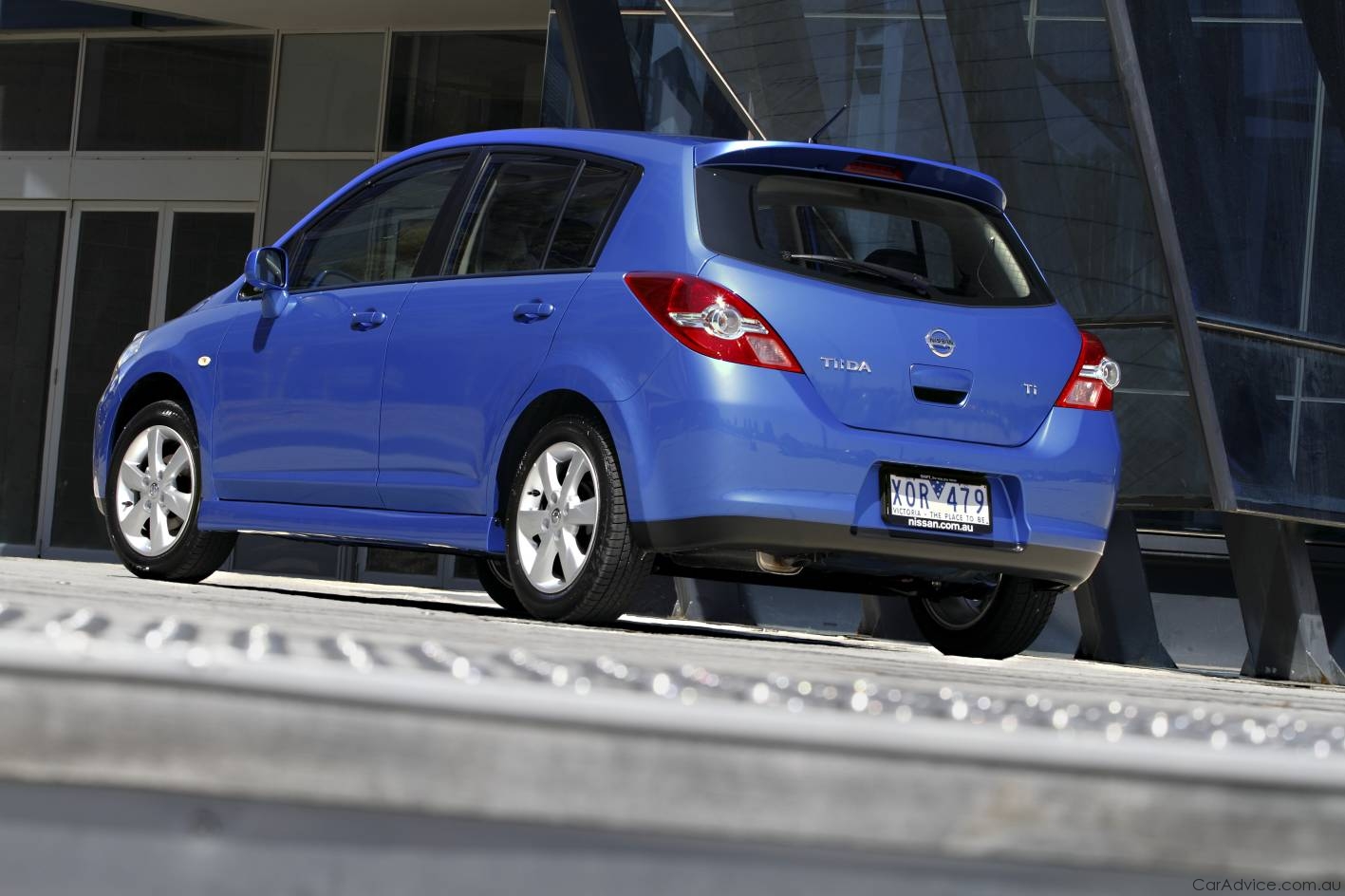
The 2007 Nissan Tiida, known in several markets as the Nissan Versa, remains a staple of the used car market in 2026 for its interior spaciousness and fuel efficiency. On the secondary market, a well-maintained 2007 Tiida typically ranges between $2,500 and $5,500 depending on mileage, condition, and regional demand, with consumer ratings generally highlighting its practicality over its aesthetic appeal.
Understanding the 2007 Nissan Tiida Market Positioning
When analyzing the 2007 Nissan Tiida, it is essential to recognize its dual identity. In North America, this vehicle was branded as the Nissan Versa, whereas in Japan, Europe, and other international markets, it retained the "Tiida" nameplate. As a compact car designed to maximize interior volume, the 2007 model was an engineering response to the demand for small vehicles that did not sacrifice headroom or legroom.
By 2026, the 2007 Tiida has transitioned from a practical daily driver to a legacy budget vehicle. Its value proposition is centered almost entirely on its mechanical simplicity and its ability to transport passengers comfortably. Prospective buyers should be aware that the 2007 model year marked the early stages of this generation, making it a mature platform with well-documented maintenance needs and potential failure points.
Current Market Valuation and Pricing Factors
Pricing a 2007 Nissan Tiida in 2026 is less about the model year’s original MSRP—which is largely irrelevant today—and more about the remaining service life of the vehicle. Because this vehicle has reached an age where major components may be nearing the end of their design life, condition is the primary driver of market value.
Key Factors Influencing Used Car Price
- Transmission Type: The 2007 Tiida was available with both traditional 4-speed automatic transmissions and 6-speed manual gearboxes. Models with manual transmissions often hold slightly more value among enthusiasts or budget-conscious buyers due to their reputation for lower long-term repair costs compared to aging automatics.
- Regional Rust Accumulation: As an economy car from the mid-2000s, the Tiida’s structural integrity can be compromised by salt and moisture. Vehicles from arid climates command a premium because their undercarriages and subframes are typically free of the corrosion that plagues northern-region units.
- Service Documentation: A vehicle with a documented history of oil changes and cooling system maintenance is worth significantly more than an "as-is" unit with unknown history. Given the age, proof of a replaced timing chain or transmission service is a major value multiplier.
| Feature Segment | Market Valuation Impact |
|---|---|
| Low Mileage (<100k miles) | Premium ($4,500 - $5,500) |
| High Mileage (>150k miles) | Budget ($2,000 - $3,000) |
| Pristine Interior/Exterior | High End of Bracket |
| Mechanical Faults (Electrical/Transmission) | Low End or Parts Value |
Performance and Reliability Ratings
Consumer and expert ratings for the 2007 Nissan Tiida typically converge on a specific profile: it is a high-utility, low-excitement vehicle. When evaluated against vehicles of its era, it often receives high marks for passenger comfort but lower scores for driving dynamics and interior material quality.
Engine and Drivetrain Reliability
The 2007 model is typically equipped with the 1.8-liter MR18DE engine. This four-cylinder powerplant is known for being relatively robust if maintained properly. The most common technical concern involves the ignition coils and the engine mounts, which often require replacement after 100,000 miles. Owners frequently note that the acceleration is adequate for urban environments but feels underpowered for sustained high-speed highway driving.
Interior Comfort and Ergonomics
The "Tiida" name, derived from a Japanese word meaning "the sun and the earth," was marketed to highlight the vehicle's airy, open cabin. The rear seating area is consistently rated as class-leading for the 2007 model year. The car features a long wheelbase relative to its total length, which allows for a surprising amount of legroom that rivals much larger sedans. However, the use of hard plastics throughout the dashboard and door panels is a frequent point of criticism in long-term owner reviews.
Common Technical Considerations and Troubleshooting
As an owner or prospective buyer in 2026, understanding the common failure points is vital for maintaining the vehicle's value. Because the 2007 Tiida is now nearly two decades old, the following areas require immediate inspection:
- Transmission Health: Automatic models should be checked for "shuddering" or delayed engagement when shifting between Park, Reverse, and Drive. If the transmission fluid is dark or carries a burnt odor, this is a significant red flag indicating potential internal damage.
- Suspension Wear: The bushings, ball joints, and struts of the 2007 Tiida are subject to wear. A "clunking" sound while traversing bumps or uneven pavement usually indicates that the suspension components require a complete overhaul.
- Electrical Systems: With the vehicle's age, electrical gremlins can emerge. Inspect the power windows and the instrument cluster for flickering lights. These issues are often the result of aging wiring harnesses or failing grounds rather than major mechanical failures, but they can be labor-intensive to diagnose.
- Cooling System: The radiator and hoses are common points of failure in older Nissan models. A cooling system flush and inspection of the radiator fins for leaks should be part of the initial "post-purchase" service plan.
Comparative Value: The 2007 Tiida vs. Contemporaries
When compared to vehicles like the 2007 Honda Fit or the 2007 Toyota Yaris, the Nissan Tiida often presents a more aggressive price point. While the Honda and Toyota models tend to hold their value higher due to brand reputation for longevity, the Tiida offers a more "grown-up" cabin experience.
For buyers on a strict budget, the Tiida represents a strategic choice. It provides 90% of the utility of its Japanese competitors for perhaps 75% of the cost. However, this savings should ideally be set aside for a "contingency fund" to cover the potentially higher frequency of minor repairs compared to its more expensive counterparts.
Frequently Asked Questions
Is the 2007 Nissan Tiida a reliable car in 2026? It is considered moderately reliable for its age. While the drivetrain is generally capable, owners must account for the degradation of rubber components, electrical sensors, and cooling systems that occur in any vehicle approaching its twentieth year.
What is the most common mechanical issue with this model? The most frequently reported issues involve premature wear of engine mounts and ignition coil failure. These are relatively straightforward to repair and are often considered routine maintenance for a vehicle of this age.
How does the Tiida compare to the Nissan Versa? In many cases, they are the same vehicle. If you are shopping for a 2007 model, "Tiida" and "Versa" are effectively interchangeable identifiers depending on which global market the vehicle was originally destined for.
Should I prioritize manual or automatic transmission? For an older economy car, the manual transmission is generally preferred. It is simpler, lighter, and avoids the complex internal issues that can plague automatic transmissions with high mileage.
What is the best way to verify the condition of a 2007 Tiida? Prior to purchase, a pre-purchase inspection (PPI) performed by a qualified mechanic is mandatory. This should include a compression test for the engine and a thorough examination of the frame for structural rust, which is the primary cause of early retirement for this vehicle.
Final Recommendations for Buyers
If you are looking to purchase a 2007 Nissan Tiida in 2026, prioritize finding a vehicle with documented service records rather than one with the lowest mileage. A high-mileage vehicle that has been garage-kept and dealer-serviced will almost certainly outperform a low-mileage vehicle that has sat idle for years or has been neglected.
Before finalizing any transaction, ensure that you have inspected the undercarriage for rust, confirmed the health of the transmission, and tested all electrical accessories. Budget approximately $1,000 for immediate post-purchase maintenance—such as a full fluid flush, new tires, and a basic tune-up—to ensure the vehicle remains reliable for your daily commuting needs. By focusing on maintenance and mechanical integrity, you can extract significant utility from this aging but capable compact car.