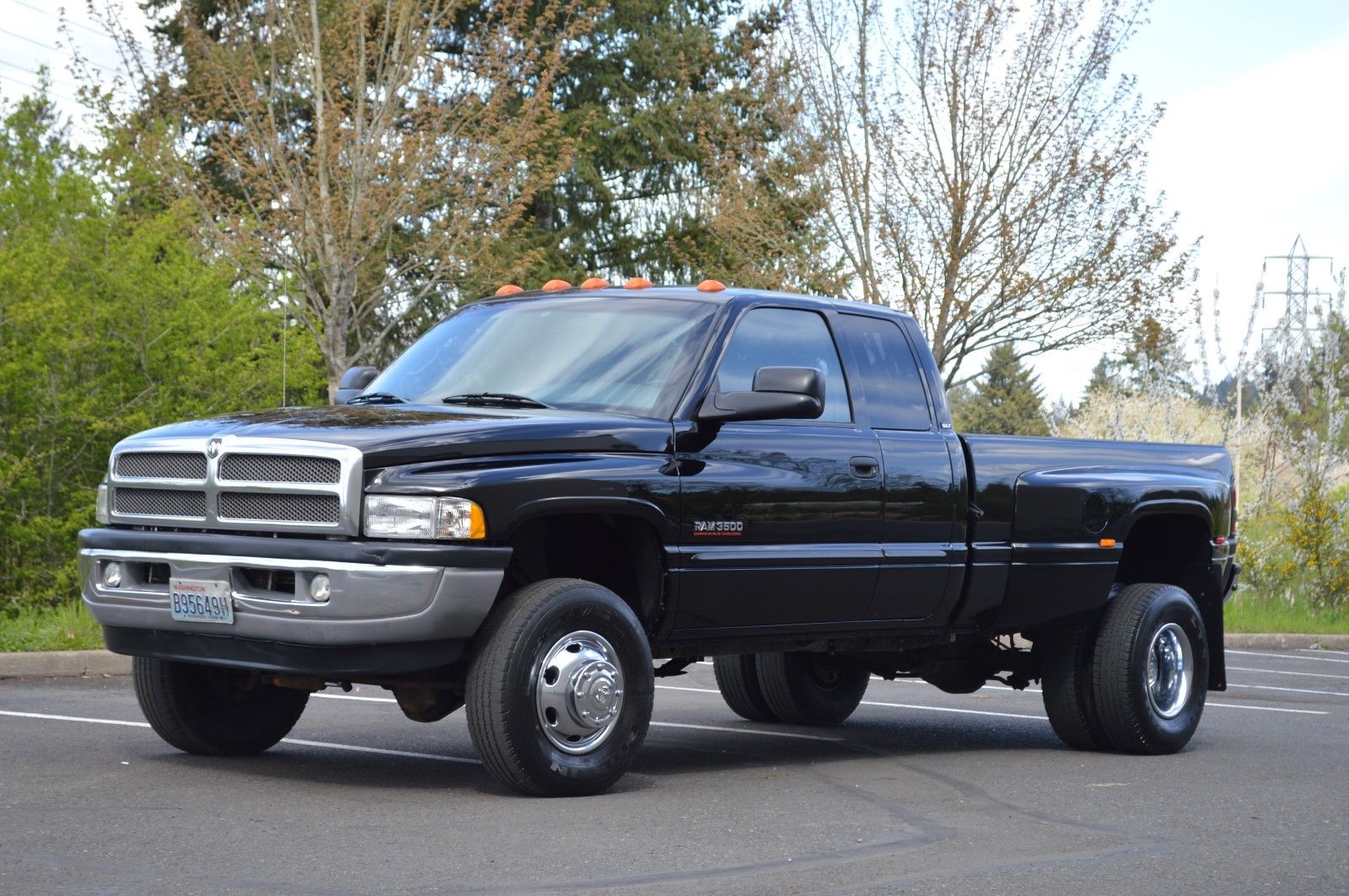
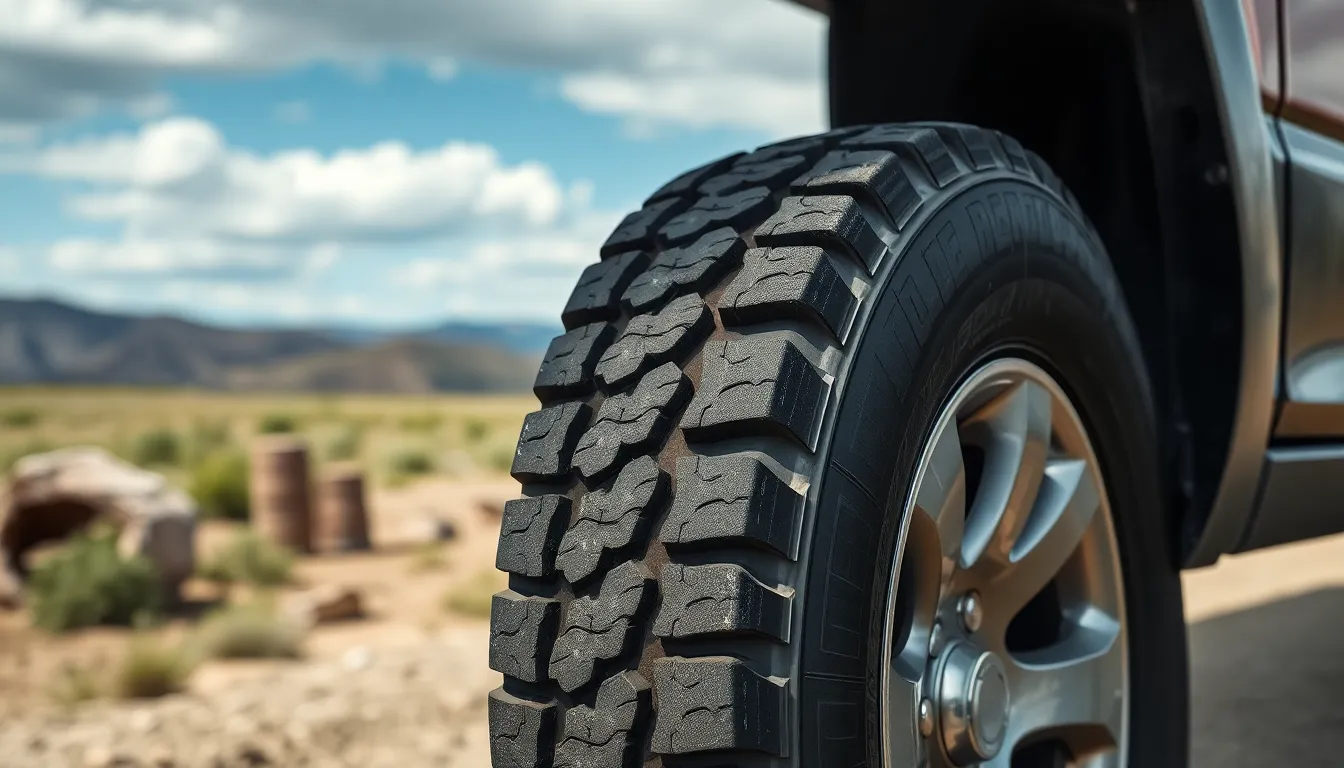
The 2005 Dodge Ram 1500 typically came equipped from the factory with 17-inch or 20-inch wheel options, utilizing standard sizes like P245/70R17, P265/70R17, and P275/60R20. Choosing the right replacement or upgrade tire requires balancing your specific wheel diameter, suspension height, and intended vehicle use to prevent rubbing and speedometer error.
Introduction to the 2005 Dodge Ram 1500 Platform
The 2005 Dodge Ram 1500 represents the third generation of Chrysler’s full-size pickup truck lineup, a model year known for its distinctive semi-truck-inspired styling, coil-spring rear suspension (rare for trucks of that era), and powerful Magnum engine options including the 3.7L V6, 4.7L V8, and the mighty 5.7L HEMI V8. Because trucks of this vintage are frequently used for everything from daily commuting and heavy-duty towing to off-roading, selecting the correct tire size is crucial for safety, load capacity, and fuel economy.
When searching for replacement rubber, owners are often met with a confusing array of factory dimensions, load indices, and aftermarket possibilities. Upgrading tire size can dramatically change the stance and capability of your Ram 1500, but it also introduces technical challenges such as clearance issues, gearing impacts, and electronic calibration needs. Understanding factory specifications and the physics of tire fitment is the first step toward making an informed purchase.
Factory OEM Tire Sizes and Wheel Configurations
Before exploring custom or oversized upgrades, you must identify your truck's original equipment manufacturer (OEM) specifications. The 2005 Ram 1500 came in various trim levels—including ST, SLT, and Laramie—with different cab styles (Regular, Quad Cab) and drivetrain layouts (2WD versus 4WD). These factors directly dictated which wheels and tires left the factory floor.
Factory configurations generally revolved around two primary wheel diameters:
- 17-Inch Wheels: The standard setup for many base and mid-tier trims. The common factory sizes are P245/70R17 and P265/70R17. These sizes provide a taller sidewall, which naturally cushions the ride over rough pavement and offers a comfortable, compliant daily driving experience.
- 20-Inch Wheels: Often found on higher trims like the Laramie or trucks equipped with appearance packages. The standard factory size for these larger rims is P275/60R20. These provide a shorter sidewall, enhancing lateral stability and cornering response at the expense of a slightly firmer ride.
It is vital to check the tire placard located on the driver-side door jamb of your specific vehicle. Door placards display the exact recommended cold tire pressure, load rating, and original size designated by Chrysler for your exact Gross Vehicle Weight Rating (GVWR).
Factory vs. Common Upgrade Tire Sizes
| Factory Size | Rim Diameter | Overall Diameter (Approx.) | Common Upgrade / Alternative Size | Best Suited For |
|---|---|---|---|---|
| P245/70R17 | 17 inches | 30.5 inches | 265/70R17 | Daily commuting, mild highway use |
| P265/70R17 | 17 inches | 31.6 inches | 285/70R17 | Enhanced traction, light off-road |
| P275/60R20 | 20 inches | 33.0 inches | 305/55R20 | Wider stance, street performance |
Navigating Aftermarket Upgrades and Fitment Constraints
Many 2005 Ram 1500 owners wish to install larger, more aggressive tires to improve ground clearance or aesthetic appeal. However, physical space inside the wheel wells is finite. The absolute maximum tire size you can fit on a completely stock 2005 Ram 1500 without experiencing rubbing depends heavily on whether your truck is a 2WD or 4WD model.
Stock Suspension Limitations
- 4WD Models: Because 4WD trucks sit slightly higher from the factory than their 2WD counterparts, they can typically accommodate a 33-inch tire (such as a 285/70R17 on 17-inch wheels or a 275/65R20 on 20-inch wheels) without modification. Anything larger risks rubbing against the internal plastic fender liner, control arms, or sway bar at full steering lock.
- 2WD Models: 2WD trucks have less front fender clearance. Sticking to factory dimensions or a modest step up (like moving from 245/70R17 to 265/70R17) is recommended unless a leveling kit is installed.
Lift and Leveling Kits
If you want to clear true 33-inch or 35-inch tires (such as a 35x12.50R17 or equivalent metric size), a suspension modification is mandatory. A front leveling kit (typically a 2-inch to 2.5-inch spacer or strut extension) lifts the front end to match the rear, creating the necessary clearance for 33-inch tires on 2WD trucks or 34- to 35-inch tires on 4WD trucks. For true 35-inch fitment without rubbing during suspension compression and articulation, a 4-inch or 6-inch full suspension lift kit, paired with aftermarket wheels featuring appropriate backspacing and offset, is required.
Load Range and Construction: P-Metric vs. LT-Metric
When evaluating replacement options, you will encounter two primary tire construction categories: Passenger (P-metric) and Light Truck (LT-metric). Selecting the wrong type can lead to premature wear or unsafe towing performance.
- P-Metric Tires (e.g., P275/60R20): Designed primarily for passenger cars, crossovers, and light-duty half-ton trucks. They feature flexible sidewalls designed to prioritize ride comfort and fuel efficiency. If your 2005 Ram 1500 is used primarily as a daily driver, grocery getter, or light commuter, P-metric tires offer an ideal ride quality.
- LT-Metric Tires (e.g., LT285/70R17): Built with heavier internal polyester or steel carcass plies and stronger sidewalls (often designated with Load Ranges C, D, or E). These are engineered to handle heavy payloads and towing duties without excessive sidewall flex. However, LT tires are significantly heavier and stiffer, which will result in a firmer ride, increased road noise, and a minor reduction in fuel economy.
Impact on Speedometer Calibration and Gearing
Changing your tire size alters the rolling circumference of the wheel. If you install taller tires without recalibrating your truck's Powertrain Control Module (PCM), your speedometer and odometer will read slower than your actual vehicle speed. For example, moving from a 30.5-inch factory tire to a 33-inch upgrade means your tires rotate fewer times per mile, causing your speedometer to read roughly 8% too slow—a critical factor for avoiding speeding tickets and tracking accurate maintenance intervals.
Furthermore, larger tires act as a higher gear ratio, reducing mechanical leverage at the wheels. On a 2005 Ram 1500 equipped with lower factory axle ratios (such as 3.55 or 3.92), running heavy 35-inch tires can make the truck feel sluggish from a dead stop and cause the transmission to "hunt" for gears on highway inclines. Owners running significantly larger tires often re-gear their front and rear differentials to restore lost performance and protect the transmission.
Frequently Asked Questions
What is the largest tire size I can put on a stock 2005 Ram 1500 4WD?
On a completely stock 4WD model, the largest practical tire size is generally a 33-inch diameter (such as a 285/70R17 or 275/65R20). Anything larger will likely rub against the upper control arms or the inner plastic fender liners when turning sharply.
Can I put 20-inch wheels on a 2005 Ram 1500 that came with 17-inch wheels?
Yes, you can swap wheel sizes provided the overall diameter of the tire and wheel combination remains close to factory specifications. Moving from 17-inch to 20-inch OEM or aftermarket wheels is a common upgrade, but you must ensure the bolt pattern (5x5.5 inches or 5x139.7mm for the 2005 Ram 1500 half-ton) and offset match correctly.
Do I need a tune or programmer after changing tire sizes?
While your truck will still drive without a tune, using an aftermarket digital programmer or flash tool is strongly recommended if you change your tire size significantly. This allows you to update the revs-per-mile in the truck's computer, correcting your speedometer, odometer, and automatic transmission shift points.
Are LT (Light Truck) tires necessary for towing with a 2005 Ram 1500?
If you frequently tow heavy trailers or haul maximum payloads in the bed, LT-metric tires with a higher load rating are recommended due to their stiffer sidewalls. For occasional light towing, high-load-index P-metric tires can suffice while maintaining a smoother everyday ride.
Practical Recommendations and Next Actions
To determine the exact tire size you should purchase for your 2005 Ram 1500, start by inspecting your current door jamb sticker to confirm your factory baseline. Next, evaluate your driving habits: if you stay strictly on paved roads and value comfort, stick to standard P-metric sizes matching your current wheel diameter. If you frequently encounter mud, snow, or rough job sites, consider a mild upsize to an all-terrain tread pattern while verifying your suspension clearance limits. Always consult a certified tire professional to verify load indexes and rim width compatibility before finalizing your purchase.