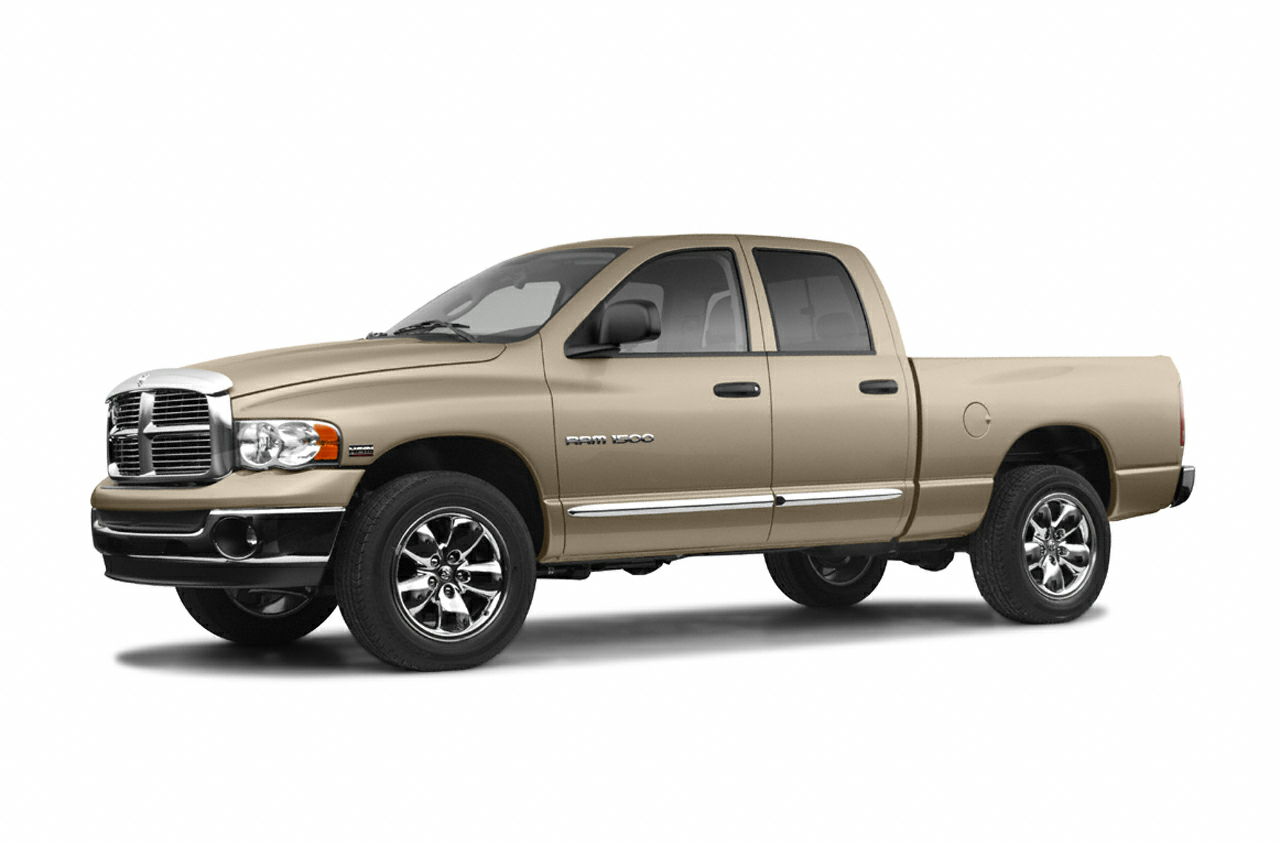
The 2004 Dodge Ram 1500 blue book value is determined by its specific cab style, bed length, engine configuration (such as the 3.7L V6, 4.7L V8, or 5.7L Hemi V8), drivetrain, mileage, overall vehicle condition, and geographic location according to automotive valuation authorities like Kelley Blue Book (KBB) and Edmunds.
Evaluating a used full-size truck from the mid-2000s requires a clear understanding of how market forces, vehicle specifications, and physical condition interact. For the 2004 Dodge Ram 1500—a model from the third generation of Dodge's iconic pickup lineup—determining a fair market price involves more than just plugging numbers into an online calculator. Whether you are looking to buy a reliable work truck, trade in an old vehicle, or insure a classic driver, understanding how valuation guides assess this specific truck ensures you make a financially sound decision.
The Evolution and Context of the 2004 Dodge Ram 1500
The 2004 model year holds a unique place in automotive history. Building on the radical "big rig" styling overhaul introduced for the 2002 model year, the 2004 Dodge Ram 1500 cemented its reputation in the American half-ton pickup market. This era was defined by fierce competition among the "Big Three" domestic manufacturers, leading to robust powertrain options and various cab configurations designed to appeal to both commercial operators and daily commuters.
By 2026, a 2004 Dodge Ram 1500 is classified strictly as a used vehicle, often approaching or crossing into classic or vintage workhorse status depending on its preservation. Because of this age, traditional blue book values can fluctuate based on local demand for older trucks. While high-mileage rust buckets might command only scrap or base utility value, well-maintained examples with the legendary 5.7L Hemi V8 engine often command a passionate enthusiast or functional-truck premium.
Key Factors That Drive Blue Book Values
When you consult automotive valuation guides for a 2004 Dodge Ram 1500, the final number is not random. It is calculated using several weighted variables that reflect supply, demand, and intrinsic utility.
1. Engine Options and Performance Packages
The 2004 Ram 1500 came with three primary engine choices, each impacting the vehicle's valuation differently:
- 3.7L Magnum V6: Found primarily in base regular cab models. While economical for a full-size truck of its era, it is generally less sought-after today, resulting in lower resale values.
- 4.7L Magnum V8: A popular mid-tier engine offering a balanced mix of towing capability and daily driveability. It commands moderate pricing.
- 5.7L Hemi V8: The powerhouse of the lineup. Generating 345 horsepower, trucks equipped with the Hemi engine consistently retain higher blue book values because of their enduring popularity among truck enthusiasts and contractors.
2. Cab Styles and Bed Lengths
Configuration dictates usability, which directly correlates to market value:
- Regular Cab: Typically features a standard or long bed. Mostly valued as bare-bones work trucks.
- Quad Cab: Featuring four standard-opening front doors and a spacious rear seat, the Quad Cab is the most common and widely traded variant on the secondary market.
- Mega Cab Note: It is important to note that the massive Mega Cab configuration was not introduced for the Ram 1500 until the 2006 model year (having debuted on the 2500/3500 heavy-duty trucks in 2006), meaning 2004 buyers were limited to Regular and Quad Cab variants.
3. Drivetrain: 2WD vs. 4WD
Geography plays a major role in vehicle valuation. A 2004 Dodge Ram 1500 with Four-Wheel Drive (4WD) commands a significant price premium over Two-Wheel Drive (2WD) models in snow-belt regions and rural markets, whereas 2WD trucks may hold steadier values in dry southern climates where rust-free frames are prioritized over winter traction capabilities.
4. Mileage and Condition Brackets
Valuation guides categorize vehicles into distinct condition tiers—typically Fair, Good, Very Good, and Excellent—alongside trade-in, private party, and dealer retail values.
| Condition Tier | Description & Mechanical State | Typical Market Impact |
|---|---|---|
| Fair | Operable, but requires mechanical repairs, has cosmetic body damage, or significant rust. Interior shows heavy wear. | Lowest baseline value; often sits near wholesale or trade-in floors. |
| Good | Mechanically sound with minor cosmetic blemishes appropriate for its age. All major systems function properly. | The standard benchmark for private party transactions. |
| Very Good | Clean history, minimal wear, well-maintained service records, and fresh tires/brakes. | Commands a higher percentage above base blue book averages. |
| Excellent | Exceptional, collector-grade preservation, low mileage for a 2004 model, completely rust-free frame. | Rare; achieves top-tier private party or niche enthusiast pricing. |
Understanding Valuation Categories: Trade-In vs. Private Party vs. Retail
When researching the blue book value of a 2004 Dodge Ram 1500, you will encounter three primary pricing metrics. Confusing these categories is the most common mistake buyers and sellers make.
Trade-In Value
This is the wholesale price a dealership will offer you for your truck. Dealerships factor in reconditioning costs, auction fees, and their profit margin when reselling the vehicle. Consequently, trade-in values are always the lowest of the three metrics. If you choose to trade in a 2004 Ram, expect an offer that reflects its immediate resale risk to the dealer.
Private Party Value
This represents what you can expect to pay or receive when buying from or selling to an individual via platforms like Facebook Marketplace, Craigslist, or local classifieds. It sits higher than trade-in value because there is no dealership middleman, but lower than retail because it comes with no warranty or professional inspection guarantee.
Dealer Retail Value
This is the highest price tier, representing what a used car dealership will charge you to buy the same truck off their lot. It includes dealership overhead, detailing, safety inspections, and potential limited warranties. For a 2004 model, retail pricing is often inflated relative to the actual mechanical lifespan remaining, making private party transactions the preferred route for budget-conscious buyers.
Common Mechanical and Structural Considerations for 2004 Models
When assessing the blue book value of a 2004 Dodge Ram 1500, physical inspection often overrides digital estimates. Several known model-year tendencies can dramatically adjust the real-world value of a specific truck:
- Rocker Panel and Rear Wheel Arch Rust: Like many trucks of this vintage, third-generation Rams are notoriously prone to rust forming on the outer rocker panels and the lips of the rear wheel wells due to trapped moisture and road salt. Visible rust can instantly knock hundreds or thousands of dollars off a private party valuation.
- Suspension and Front End Wear: Ball joints, tie rod ends, and control arm bushings on the 2004 Ram 1500 endure heavy stress. Clunking noises during test drives or uneven front tire wear indicate necessary suspension overhauls that lower the vehicle's practical value.
- Transmission Performance: The 45RFE and 5-54FSE automatic transmissions paired with these engines require diligent fluid maintenance. Slipping gears, delayed engagement, or harsh shifting heavily depress the vehicle's market value, as a transmission rebuild can easily cost more than the truck's blue book worth.
- Exhaust Manifold Leaks: The 5.7L Hemi engine is famous for broken exhaust manifold bolts, resulting in a distinct ticking sound upon cold startup. While common and fixable, savvy buyers use this flaw to negotiate down from book value.
How to Accurately Check Your Truck's Value Online
To get the most accurate valuation for a 2004 Dodge Ram 1500, follow a structured verification process using industry-standard tools:
- Gather Vehicle Details: Locate your Vehicle Identification Number (VIN), exact odometer reading, ZIP code, engine size, cab style, bed length, and a list of aftermarket additions (e.g., lift kits, upgraded towing packages, tonneau covers).
- Consult Multiple Platforms: Cross-reference data between Kelley Blue Book (KBB), Edmunds, and NADAguides (J.D. Power). Because older vehicle pricing can vary between algorithms, comparing two or three platforms provides a realistic pricing band.
- Check Local Real-World Listings: Look at active local listings for 2004 Dodge Ram 1500 trucks in your immediate geographic region. Book values are national averages adjusted for ZIP codes, but local supply and demand ultimately dictate what buyers are willing to pay.
- Adjust for Condition Honestly: Be realistic. Rating a rusty, high-mileage truck as "Good" or "Very Good" will only result in mismatched expectations when trying to sell or insure the vehicle.
Frequently Asked Questions
Does aftermarket equipment increase the blue book value of a 2004 Dodge Ram 1500?
Generally, aftermarket modifications (such as custom lift kits, oversized wheels, aftermarket stereos, or performance tuners) do not increase a vehicle's blue book value. Valuation guides assume factory stock condition. While modifications may appeal to a specific niche buyer in a private sale, dealerships often view them as liabilities and may even lower trade-in offers.
Why do online valuation ranges vary so widely for a 2004 model?
For vehicles over two decades old, valuation algorithms rely on fewer active transaction data points compared to newer vehicles. Differences in regional demand, local rust prevalence, and the subjective nature of rating a 2004 truck's condition create wider valuation spreads across platforms like KBB and Edmunds.
Is a 2004 Dodge Ram 1500 with over 200,000 miles worth buying?
It can be, provided the price reflects the mileage and the frame is structurally sound. Many 4.7L and 5.7L engines easily surpass 200,000 miles if properly maintained. However, at this mileage threshold, blue book values flatten out, and the purchase decision should be based entirely on a pre-purchase mechanical inspection rather than the book value alone.
How does vehicle location affect the blue book value?
Geographic location drastically shifts truck pricing. Four-wheel-drive trucks with clean frames command higher prices in snowy northern states. Conversely, rust-free two-wheel-drive trucks from southern or desert states often retain higher body-condition values because structural corrosion is minimal, even if the regional demand for 4WD is lower.
What is the best way to sell a 2004 Dodge Ram 1500 for maximum value?
Selling the truck independently via a private party platform yields a higher financial return than trading it in to a dealership. To maximize your return, detail the interior, address minor mechanical issues like burnt-out bulbs or loose trim, provide maintenance records, and price the truck competitively within the private party blue book range for your region.
Conclusion and Next Steps
Determining the blue book value of a 2004 Dodge Ram 1500 requires balancing algorithmic estimates against physical realities. Because of the vehicle's age, mechanical condition, frame integrity, and service history carry far more weight than online calculators alone can capture. Whether you are preparing to list your truck for sale, evaluating a potential purchase, or assessing asset value for insurance purposes, use online valuation guides as a baseline starting point. Supplement those figures with a thorough physical inspection, verify local market demand, and price the vehicle according to its true, verified condition.