The 2003 Iraq War protests were a historic series of coordinated, global demonstrations against the impending invasion of Iraq by the United States and its allies. Culminating on February 15, 2003, millions of people marched in hundreds of cities worldwide, creating what academic researchers identified as the largest coordinated peace protest in human history.
Historical Context and Origins of the Mobilization
The mobilization against the 2003 invasion of Iraq did not emerge in a vacuum; it was built upon the infrastructure of the global anti-globalization movement of the late 1990s and early 2000s, as well as traditional peace organizations that had decades of organizing experience. Following the September 11 attacks in 2001, the administration of U.S. President George W. Bush declared a "War on Terror," shifting its focus toward Iraq by late 2002. U.S. officials, joined by British Prime Minister Tony Blair, asserted that Iraqi President Saddam Hussein possessed weapons of mass destruction (WMDs) and posed an imminent threat to global security.
As the United Nations Security Council debated the issue throughout late 2002 and early 2003, civil society organizations recognized the likelihood of military intervention. International coalitions began to form, bridging ideological, religious, and political divides. Groups that historically operated independently—such as labor unions, environmental activists, faith-based organizations, and student groups—forged unprecedented alliances. These disparate factions shared a common skepticism toward the official justifications for war, arguing that the conflict lacked international legitimacy, would destabilize the Middle East, and would result in massive civilian casualties.
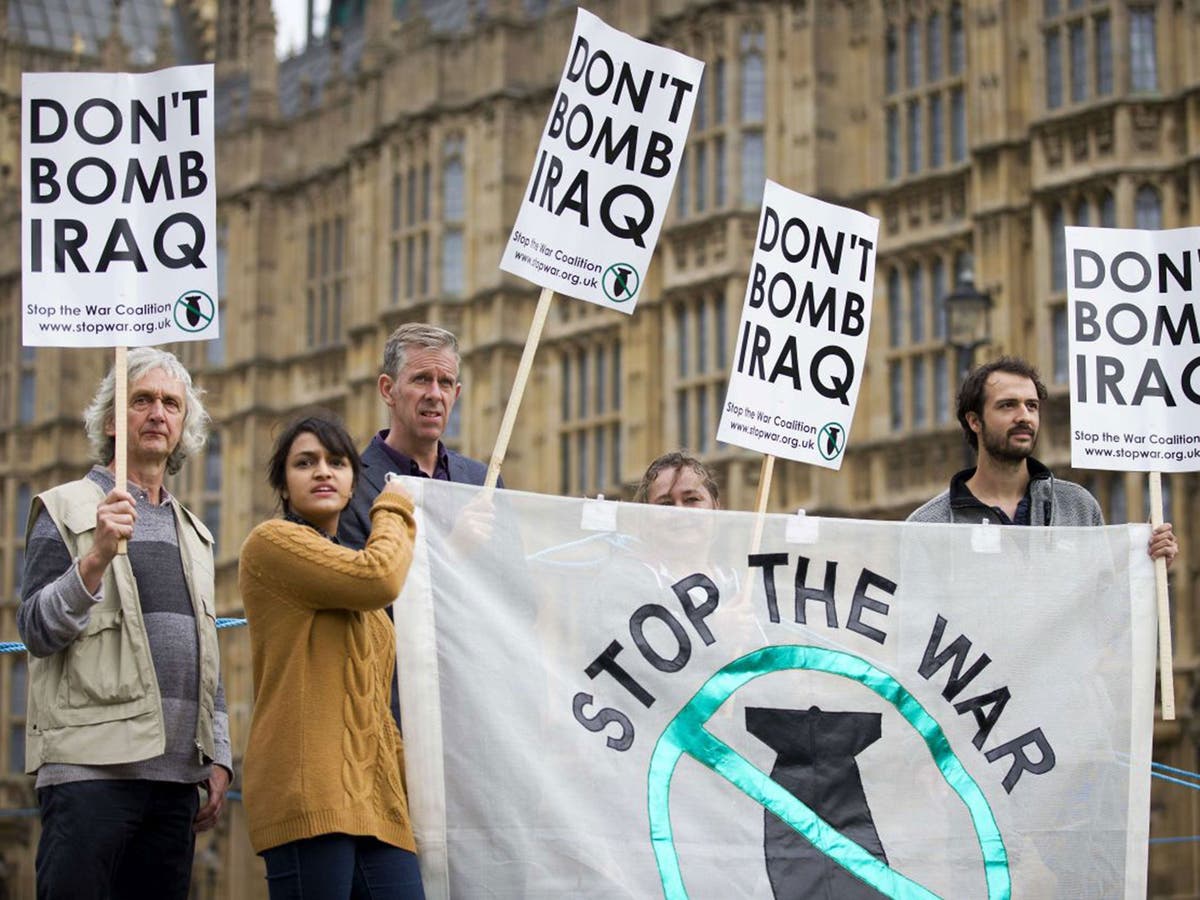
The coordinating efforts culminated in late 2002 at the European Social Forum in Florence, Italy, where delegates formally called for a massive global day of action. This call was amplified by organizations such as the UK-based Stop the War Coalition and the U.S.-based United for Peace and Justice. The objective was clear: exert maximum public pressure on national governments to prevent military action and force compliance with United Nations weapons inspections rather than invasion.
The February 15, 2003 Global Day of Action
February 15, 2003, marked the pinnacle of the anti-war movement. On this single Saturday, an estimated 6 to 11 million people participated in protests across more than 600 cities worldwide. The scale of the mobilization stunned political analysts, mainstream media outlets, and government officials alike, demonstrating a rare alignment of global public sentiment.
Demonstrations Across Major Global Capitals
The geographical spread of the demonstrations spanned every inhabited continent, reflecting a truly international rejection of the impending war.
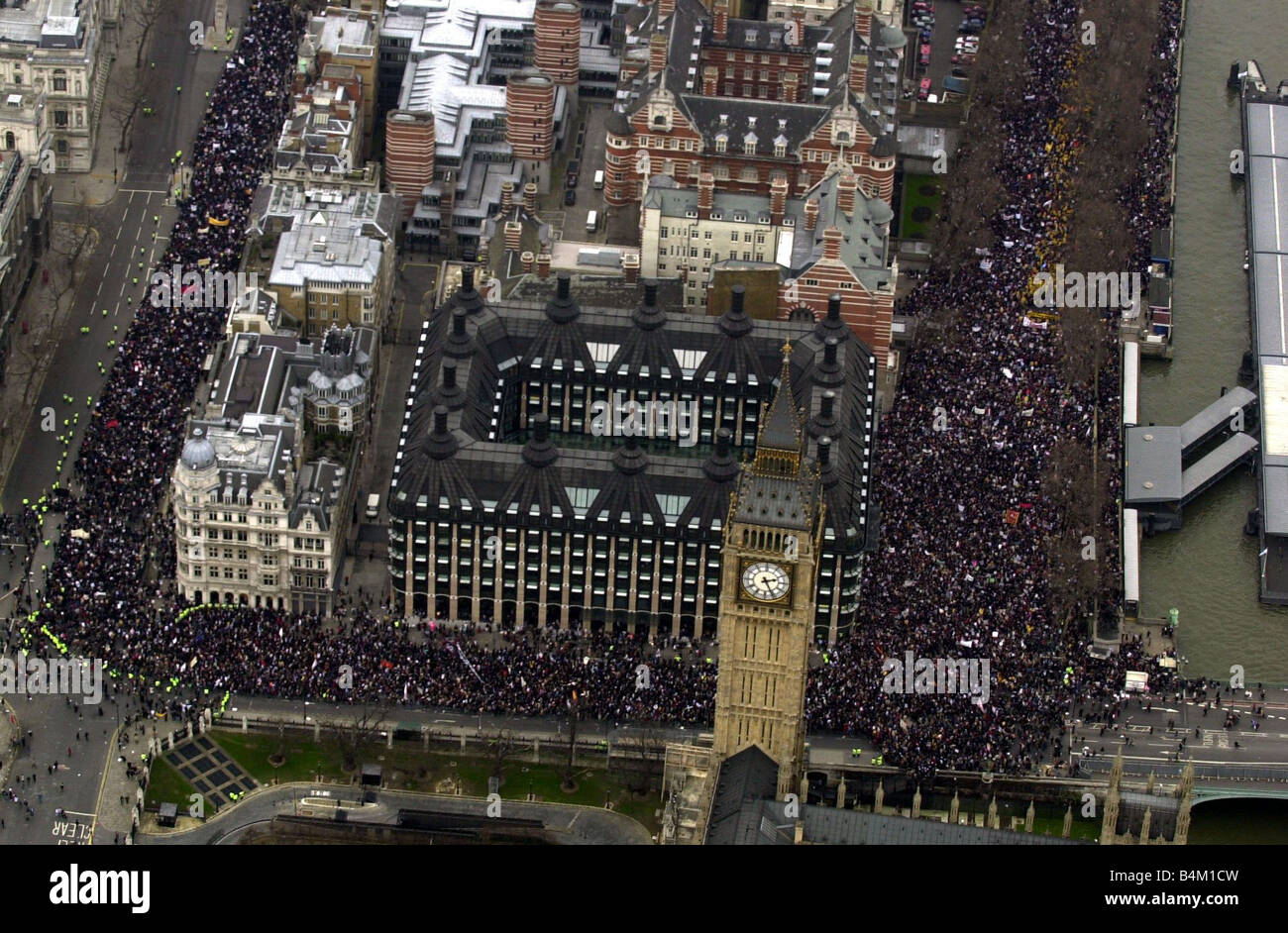
- London: Estimates placed the crowd size between 750,000 and two million people, making it the largest political protest in British history at the time. Marchers filled Hyde Park, shutting down central thoroughfares and directly challenging the policy of Prime Minister Tony Blair's Labour government.
- Rome: Italy witnessed one of its largest demonstrations since the post-World War II era, with an estimated three million people taking to the streets. The massive turnout reflected deep public skepticism across Southern Europe regarding U.S. foreign policy.
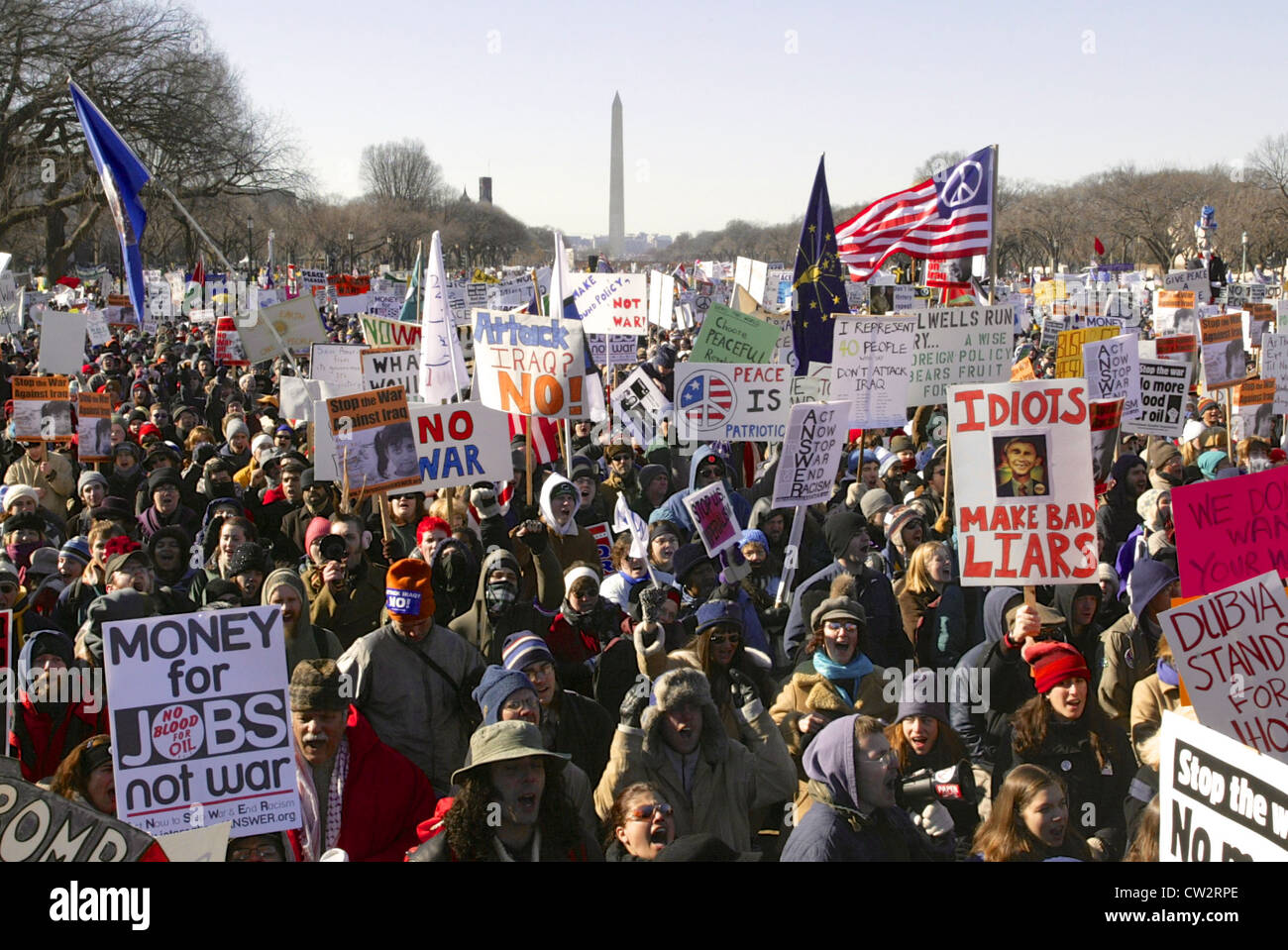
- New York City: Despite freezing temperatures and strict municipal restrictions that initially denied organizers a permit for a stationary march, hundreds of thousands of protesters gathered near the United Nations headquarters. Prominent cultural figures, actors, and religious leaders participated alongside ordinary citizens.
- Madrid and Barcelona: Hundreds of thousands of Spaniards marched against the conservative government of José María Aznar, who had aligned himself closely with the Bush administration despite overwhelming domestic opposition to the war.
- Global South Participation: Protests also drew significant numbers in cities outside the Western bloc, including Cairo, Sydney, Tokyo, Cape Town, and São Paulo, demonstrating that opposition to the war crossed traditional geopolitical boundaries.
Demographics and Coalition Building
The composition of the 2003 protests departed significantly from traditional twentieth-century peace movements. Rather than being dominated solely by pacifist organizations or student radicals, the marches represented a broad cross-section of global civil society.
Labor unions played an integral role, particularly in Europe and parts of the Americas, mobilizing members based on economic arguments and solidarity principles. Faith communities—including Christian denominations, Muslim organizations, and Jewish groups—participated actively, driven by moral and ethical objections to pre-emptive warfare. Furthermore, veterans' organizations, notably Military Families Against the War in the United Kingdom and Military Families Speak Out in the United States, lent profound moral authority to the movement. These families argued that service members were being sent into an unnecessary conflict based on unverified intelligence.
The integration of digital communication tools represented another milestone for the movement. While social media as it exists today was not yet available, organizers utilized email lists, early web portals, and text messaging to coordinate logistics, share permit information, and publicize rally routes across vast geographical distances with unprecedented speed.
Major Protests Comparison
| City | Estimated Turnout | Primary Local Context and Government Stance |
|---|---|---|
| Rome | 1.5 – 3 million | Deep public opposition; government supported the U.S.-led coalition. |
| London | 750,000 – 2 million | Historic turnout; intense pressure on Prime Minister Tony Blair. |
| Madrid | 1 – 1.5 million | Overwhelming public dissent against Prime Minister Aznar's alignment with Washington. |
| New York City | 100,000 – 400,000 | Strict police controls; strong focus on the United Nations Security Council. |
| Berlin | 300,000 – 500,000 | Aligned with the German government's official refusal to participate in the invasion. |
Government Responses and Geopolitical Fallout
Despite the historic scale of the February 15 mobilization, political leaders in Washington and London proceeded with the invasion of Iraq on March 20, 2003. The response of targeted governments varied widely, highlighting deep fractures within Western alliances such as the North Atlantic Treaty Organization (NATO) and the European Union.
In the United States and the United Kingdom, leaders largely dismissed the protests as public expression within a democracy that would not alter executive decision-making. President Bush famously referred to the demonstrations as a "focus group," maintaining that foreign policy decisions must be based on security assessments rather than public polling. In contrast, leaders in France and Germany cited the domestic protests as validation for their diplomatic opposition to the war within the UN Security Council, leading to severe diplomatic strains between Washington and "Old Europe."
The failure of the protests to stop the invasion led to immediate disillusionment among many participants, yet the movement fundamentally altered political discourse. It fostered long-term networks of political activism that later influenced domestic policy debates, civil liberties advocacy, and subsequent anti-war campaigns.
Frequently Asked Questions
What caused the 2003 Iraq War protests?
The protests were triggered by the imminent threat of a U.S.-led military invasion of Iraq, justified by allegations regarding weapons of mass destruction. Citizens and organizations mobilized out of concern over civilian casualties, a lack of international authorization, and the precedent of pre-emptive warfare.
How many people participated on February 15, 2003?
Independent estimates and organizers place the total global turnout between 6 and 11 million people across more than 60 miles and hundreds of cities, making it the largest coordinated global protest event in history.
Did the protests stop the Iraq War?
No. Despite the massive public turnout, the governments of the United States, the United Kingdom, and their coalition partners proceeded with the invasion of Iraq on March 20, 2003.
Which organizations coordinated the global demonstrations?
The mobilization was decentralized, organized by various coalitions including the Stop the War Coalition in the UK, United for Peace and Justice in the U.S., and regional networks cooperating through the international social forum movement.
What impact did the protests have on subsequent political movements?
While unable to stop the 2003 invasion, the protests established resilient activist networks, advanced the use of digital communication in grassroots organizing, and permanently changed how governments measure public dissent regarding foreign policy.
Next Actions and Historical Legacy
For researchers, historians, and students examining contemporary political movements, the 2003 Iraq War protests serve as a primary case study in global civil resistance. Examining primary source archives, oral histories from participants, and government declassification records provides a comprehensive understanding of how international public opinion interacts with sovereign state power. When analyzing modern geopolitical crises, scholars frequently reference the organizational frameworks established during this era to understand the mechanics of cross-border solidarity and digital-age activism.