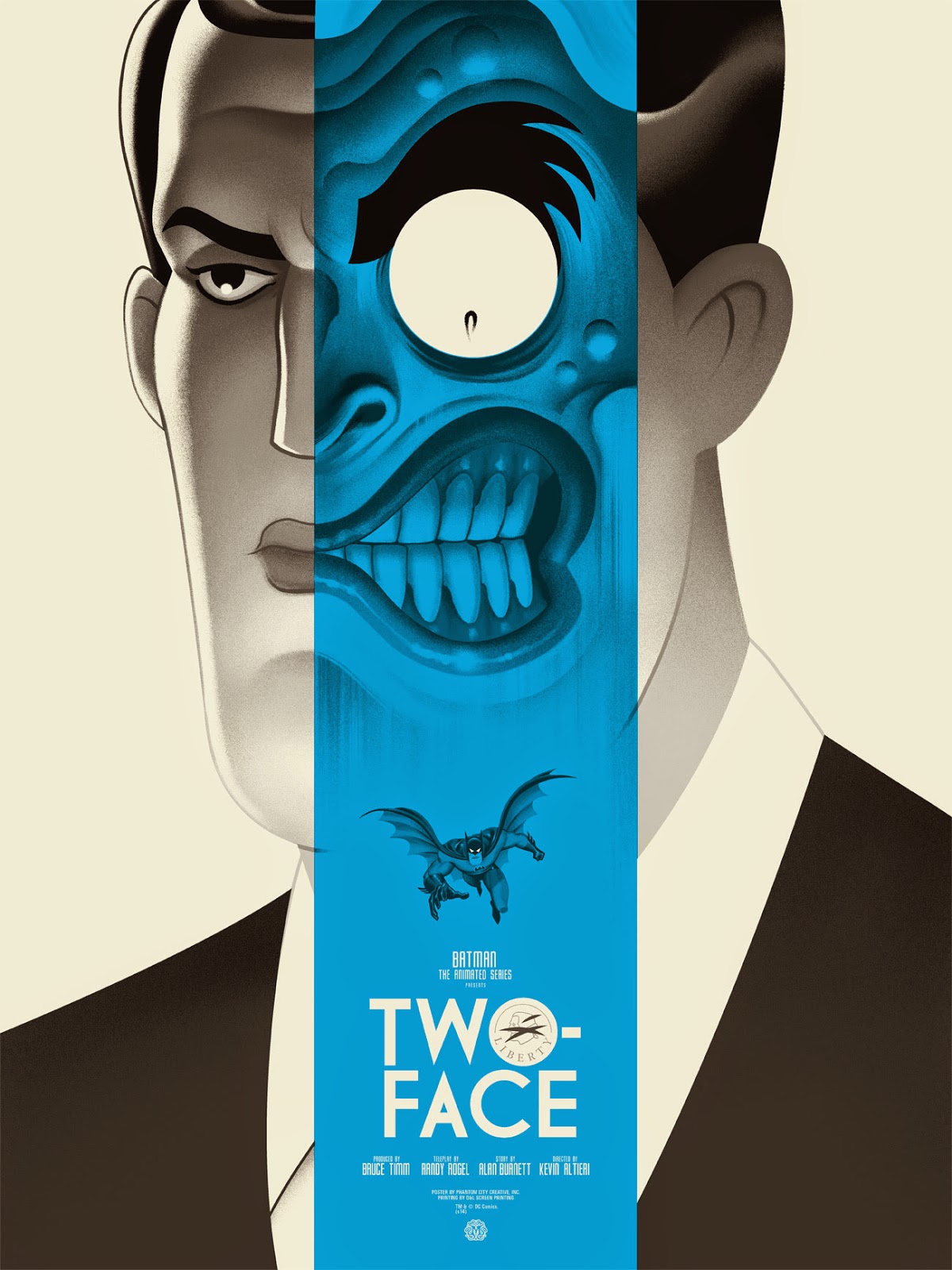
The origin of Two-Face in Batman lore centers on the tragic transformation of District Attorney Harvey Dent into a scarred criminal mastermind driven by a binary worldview determined by a coin flip. His first crime as Two-Face establishes his obsession with the number two, targeting dual-themed locations and laying the foundation for one of Gotham City's most psychological foes.
The Evolution of a Gotham Tragedy: From District Attorney to Villain
To understand the birth of Two-Face, one must examine the complex relationship between Harvey Dent, Batman, and Police Captain James Gordon. Created by Bob Kane and Bill Finger, the character first appeared in Detective Comics #66 in August 1942. Initially introduced not as a supernatural monster or a gadget-wielding lunatic, but as a pillar of justice, Harvey Dent was Gotham City’s shining white knight. He stood shoulder-to-shoulder with Batman and Gordon in a desperate crusade to clean up a city choked by organized crime and institutional corruption.
Dent’s descent into madness is rooted in psychological trauma and physical devastation. During a courtroom trial against mob boss Salvatore Maroni, Maroni hurled a vial of acid at the prosecutor. The corrosive liquid horribly disfigured the left side of Harvey’s face, destroying his eye, ear, and jawline. This physical mutilation acted as a catalyst, shattering a psyche already strained by a suppressed history of childhood abuse and severe bipolar disorder. The charming, brilliant prosecutor fractured, giving birth to the bitter, vindictive personality known as Two-Face.
The tragedy of Two-Face resonates deeply within Batman's rogues' gallery because Harvey was once a close friend and ally. Unlike the Joker or the Riddler, who represent ideological chaos or intellectual vanity, Two-Face represents the fragility of the human mind and the thin line separating absolute justice from absolute corruption. His reliance on a scarred silver dollar—a keepsake from his abusive father—reflects his inability to make autonomous moral choices, surrendering his agency to the cold, impartial laws of probability.
The Anatomy of the First Crime: Setting the Stage for Binary Chaos
When Harvey Dent finally crossed the threshold into criminality, his first crime was not a random act of violence or a petty smash-and-grab. It was a calculated, symbolic assault designed to mock the legal system he once swore to uphold and to punish the city that failed to protect him.
In his classic debut appearance in Detective Comics #66, Two-Face signals his arrival in the criminal underworld through a series of coordinated, twin-themed capers. His obsession with the number two dictates every variable of his operations. He focuses his efforts on institutions, items, or locations that bear dual designations, utilizing a modified silver dollar with two scarred heads to decide whether his victims live or die, or whether a heist proceeds.
The psychological motivation behind his first crime spree stems from a desire to expose what he perceives as the inherent hypocrisy of Gotham. By targeting entities associated with duality—such as twin vaults, double-cross operations, or locations bearing duplicate names—he attempts to prove that fate, not human virtue, governs the world. This framing shifts the narrative from a simple law-and-execution dynamic to a deeply personal crusade against fairness itself.
| Crime Element | Description and Symbolic Meaning |
|---|---|
| Primary Motive | To reject his past life as a lawful District Attorney and embrace a deterministic worldview dictated by chance. |
| Methodology | Systematic targeting of dual-themed locations, double-crossing former mob associates, and utilizing a scarred coin for lethal binary decisions. |
| Target Selection | High-value institutions and individuals connected to Gotham's legal infrastructure or the mob families that mutilated him. |
| Psychological Toll | Forces Batman and Commissioner Gordon to confront their failure to save a friend, turning every encounter into a moral dilemma. |
Narrative Variations Across Continuity Eras
The origin of Two-Face and the specifics of his criminal debut have undergone several retellings and modernizations across different eras of DC Comics continuity. While the core elements—the acid attack by Salvatore Maroni, the psychological fracture, and the coin-flipping obsession—remain constant, the narrative depth has expanded significantly.
Golden Age Beginnings
In his 1942 debut, Harvey Dent's transformation is relatively swift. The transition from esteemed prosecutor to coin-flipping criminal occurs within the span of a single issue. The focus centers on the mechanics of his twin-themed crimes and Batman's deductive efforts to anticipate his next move based on his new binary logic. The character's motivation is straightforward, reflecting the pulp-noir sensibilities of early comic book writing.
Modern Age Reimagining (The Long Halloween)
Jeph Loeb and Tim Sale’s acclaimed 1996 limited series Batman: The Long Halloween provides the definitive, modern psychological deep-dive into Harvey Dent's origin. This narrative weaves his transformation into a year-long mystery involving a serial killer named Holiday. Here, Dent’s descent is agonizingly slow, fueled by the stress of prosecuting the Carmine Falcone crime family, the strain on his marriage to Gilda Dent, and the quiet corruption rotting Gotham from the inside out. The acid attack by Maroni serves as the final, violent snap that seals his fate, transforming a tragic anti-corruption crusader into a legendary villain.
The Psychological Underpinnings of the Coin Flip
At the heart of Two-Face's first crime and every subsequent act is the scarred silver dollar. Understanding this artifact is essential to understanding the character's operational framework. Before his disfigurement, Harvey Dent's father used a two-headed coin to abuse and torment him, forcing the young boy to flip for punishments under the guise of "fairness."
When Harvey adopts the coin as Two-Face, he reenacts this foundational trauma. One side of the coin remains pristine, representing the remnants of Harvey Dent's desire for justice and order. The other side is marred by acid and deep scratches, representing the chaotic, vicious nature of his new persona.
| Coin Side | Psychological Representation | Behavioral Outcome |
|---|---|---|
| Clean / Unscarred | The remnants of Harvey Dent; a desire for mercy, logic, and lawful resolution. | Spares the victim, abandons the heist, or assists Batman in a moment of clarity. |
| Damaged / Scarred | The ascendance of Two-Face; pure malice, chaos, and absolute fatalism. | Executes the crime, inflicts physical harm, or destroys property without hesitation. |
This binary mechanism removes personal accountability from Two-Face's actions. In his mind, he is not choosing to commit a crime; the universe is deciding through him. This delusion allows him to maintain a warped sense of fairness while wreaking havoc across Gotham City.
Frequently Asked Questions
Who threw the acid at Harvey Dent?
Salvatore "Boss" Maroni, a prominent Gotham City mob boss whom Harvey Dent was prosecuting, threw the vial of acid during a live courtroom trial. This act permanently disfigured the left side of Dent's face and served as the physical catalyst for his transformation into Two-Face.
What was the significance of Two-Face's first crime?
His first crime established his obsession with the number two and binary choices. By targeting dual-themed locations and using his scarred coin to dictate life-or-death outcomes, he signaled to Gotham that he had completely abandoned the legal system in favor of absolute chance.
In which comic book issue did Two-Face first appear?
Two-Face made his first comic book appearance in Detective Comics #66, published in August 1942. The issue was written by Bill Finger with artwork by Bob Kane.
How did Two-Face get his scarred coin?
The coin was originally a keepsake from Harvey Dent's abusive father, who used a two-headed coin to force young Harvey into unfair games of chance. Harvey kept the coin as an adult, and when his face was mutilated by acid, he defaced one side of it with acid to match his own physical trauma.
Is Two-Face considered one of Batman's primary villains?
Yes, Two-Face is widely regarded as one of Batman's most iconic and psychologically complex adversaries, sitting alongside the Joker, the Riddler, and the Penguin as a core member of the Dark Knight's rogues' gallery.
Practical Takeaways for Understanding the Villain's Legacy
Analyzing the origin and first crime of Two-Face reveals more than just a classic comic book narrative; it offers a study in systemic corruption and psychological fracture. For readers and fans exploring Batman lore, keeping these core elements in mind enhances the appreciation of stories like The Long Halloween and The Dark Knight:
- Recognize that Two-Face is driven by deterministic trauma rather than simple greed.
- Understand that his binary obsession stems directly from his abusive childhood and courtroom disfigurement.
- Appreciate how his crimes serve as a direct philosophical challenge to Batman's belief in rehabilitation and justice.