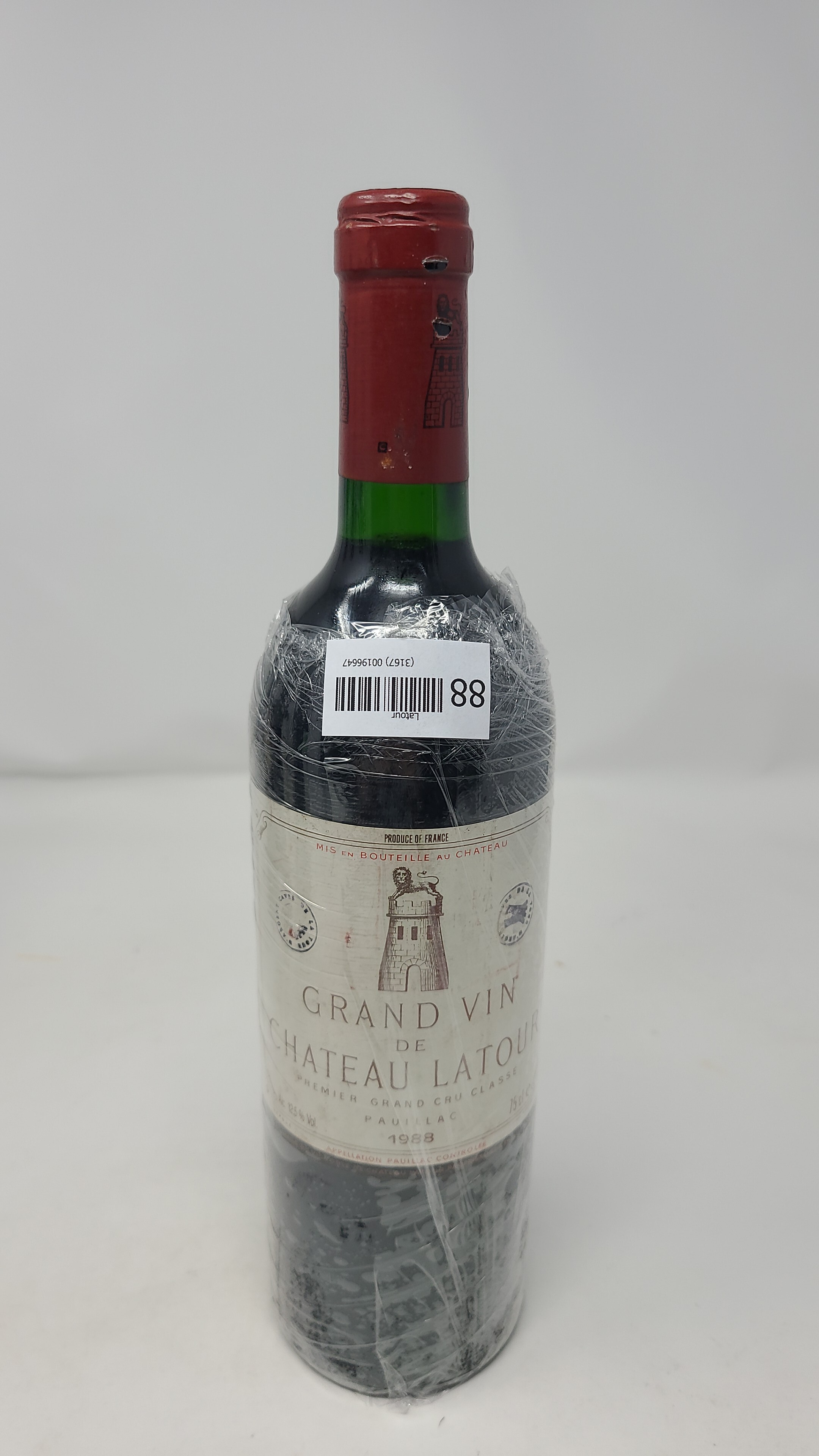
The 1988 Chateau Latour remains a benchmark of classic Pauillac, characterized by its immense structure, firm tannins, and remarkable longevity. In 2026, this vintage has reached a sophisticated plateau of maturity, offering a complex profile of cedar, tobacco, and dark fruit that rewards collectors who have prioritized impeccable provenance and storage.
The Historical Context of the 1988 Bordeaux Vintage
To understand the 1988 Chateau Latour, one must first understand the era in which it was born. The late 1980s in Bordeaux were defined by a "triple threat" of high-quality years: 1988, 1989, and 1990. While the 1989 and 1990 vintages often received higher initial scores due to their more approachable, opulent, and ripe fruit profiles, the 1988 vintage was championed by traditionalists as the most "classic" of the three.
In 1988, the growing season began with a very wet winter and spring, which replenished the water tables but also created pressure for mildew. However, the summer turned hot and dry, continuing through a long, sunny autumn. This allowed for a slow, even ripening of the Cabernet Sauvignon grapes. Unlike the heatwave conditions of 1989, the 1988 harvest took place under cooler, more temperate conditions, resulting in grapes with high phenolic maturity but also high natural acidity and firm tannins.
At Chateau Latour, this climate played perfectly into the estate's natural strengths. Latour has historically been known as the "sturdiest" of the First Growths, producing wines that require decades to soften. In 1988, the estate was under the ownership of Allied Lyons (prior to the 1993 acquisition by François Pinault). The winemaking philosophy of the time favored significant extraction and long aging in new French oak, creating a wine built for the long haul.
Terroir and Technical Specifications of the 1988 Latour
Chateau Latour’s unique terroir is the primary driver of the 1988 vintage's success. The heart of the estate is the L’Enclos, a 47-hectare vineyard surrounding the chateau. This plot is situated on a deep bed of Garonne gravel, which provides exceptional drainage and forces the vines to dig deep for nutrients. The proximity to the Gironde estuary creates a microclimate that protects against frost and moderates temperature extremes.
The Blend and Vinification
The 1988 Grand Vin is dominated by Cabernet Sauvignon, which typically accounts for 75% to 80% of the blend in this era. The remainder is composed of Merlot, with small percentages of Cabernet Franc and Petit Verdot.
- Fermentation: The grapes were fermented in temperature-controlled stainless steel vats. Latour was a pioneer in using stainless steel (introducing it in the 1960s), which allowed for precise control over the fermentation process, preserving the purity of the fruit while managing the massive tannin load of the 1988 skins.
- Maceration: Extended maceration periods (often three weeks or more) were utilized to ensure the structural integrity required for a wine meant to age for half a century.
- Aging: The wine was aged for approximately 18 months in 100% new French oak barrels. The oak integration in the 1988 was famously slow; for the first twenty years of its life, the wood and the tannins dominated the palate.
Tasting Profile: What to Expect in 2026
As of 2026, the 1988 Chateau Latour has entered its primary window of maturity. For decades, this wine was described as "austere" or "backward," but time has finally buffed the edges of its formidable tannins.
Appearance
In the glass, the wine retains a deep garnet core. While there is visible bricking (orange/brown tints) at the rim—expected for a wine that is 38 years old—the concentration remains impressive, showing far more color density than many of its 1988 peers.
The Nose
The bouquet is an archetype of Pauillac. Upon opening, you are greeted with a dominant note of pencil lead (graphite) and cedarwood. As the wine breathes, secondary and tertiary aromas emerge:
- Dried blackcurrants (crème de cassis that has lost its sweetness).
- Leather and old cigar box.
- Forest floor, dried mint, and a hint of truffle.
- A subtle, iron-like minerality.
The Palate and Finish
The palate is where the 1988 Latour distinguishes itself from the 1989 and 1990. It is not "fleshy" or "sweet." Instead, it is linear, precise, and powerful. The acidity is still vibrant, providing a spine that carries the dark fruit flavors across the tongue. The tannins, once aggressive, are now silky but still provide a firm "grip." The finish is exceptionally long, leaving a lingering impression of savory herbs and cool stones.
Comparative Analysis: The Late 80s Trilogy
To truly appreciate the 1988 Latour, one must compare it to the legendary vintages that immediately followed it.
| Feature | 1988 Chateau Latour | 1989 Chateau Latour | 1990 Chateau Latour |
|---|---|---|---|
| Style | Structural, Classic, High Acid | Opulent, Ripe, Exotic | Massive, Powerful, Rich |
| Current Status (2026) | Peak Maturity | Fully Mature (Drink Now) | Peak Maturity |
| Dominant Character | Graphite and Cedar | Roasted Herbs and Fruit | Dark Fruit and Velvet |
| Tannin Profile | Firm and Linear | Soft and Integrated | Dense and Broad |
| Longevity Potential | Very High (Hold until 2040+) | High (Consume by 2035) | Very High (Hold until 2045+) |
The 1988 is often preferred by those who enjoy the savory, non-fruit characteristics of Bordeaux. While the 1990 is a "bigger" wine, the 1988 is often cited by critics as having more "soul" and a clearer expression of the Latour terroir.
Market Value and Investment Potential in 2026
By 2026, the 1988 Chateau Latour has become a rarity on the secondary market. Most cases from the original release have been consumed or are tucked away in long-term private collections.
Price Trends
The price of the 1988 has seen a steady upward trajectory. Unlike "trophy" vintages like 1982 or 2000, which experience volatile price swings based on market speculation, the 1988 is a "drinker's vintage." Its value is driven by diminishing supply. In 2026, a bottle with perfect provenance can be expected to command a significant premium over its original release price, typically trading in the range of $700 to $1,100 USD depending on auction conditions and tax jurisdictions.
Provenance Considerations
At nearly 40 years old, the condition of the bottle is more important than the label itself. Buyers should look for:
- Fill Level: "Into neck" or "Base of neck" is ideal. High shoulder fills are acceptable for a wine of this age but suggest a slight risk of oxidation.
- Capsule Condition: Look for signs of "seepage" (dried wine under the foil), which indicates the wine was exposed to heat.
- Label Clarity: While a damp-stained label doesn't affect the wine, it can lower the resale value. For investment, pristine labels are required.
Serving and Pairing Recommendations
Drinking a 1988 Chateau Latour in 2026 is an event that requires preparation. This is not a wine to be opened and poured immediately.
Decanting Guidance
Even at 38 years old, the 1988 Latour is sturdy. However, the sediment will be significant.
- Method: Stand the bottle upright for at least 48 hours before opening to allow sediment to settle at the bottom.
- Timing: Decant for 1 to 2 hours. This is not necessarily to "soften" the wine (as it is already mature) but to allow the complex bouquet to unfurl after decades of being trapped in the bottle.
- Caution: Monitor the wine every 30 minutes. Old wines can sometimes "fade" quickly once exposed to oxygen, though Latour is notoriously resistant to this.
Glassware and Temperature
Use a large "Bordeaux" style glass with a wide bowl to maximize aeration. Serve at a slightly cool room temperature (17-18°C or 62-64°F). If the wine is too warm, the alcohol may overshadow the delicate tertiary aromas.
Food Pairings
The 1988 Latour is a savory wine, and its food pairings should reflect that. Avoid sweet sauces or overly spicy dishes.
- Classic Pairing: Roast leg of lamb with rosemary and garlic. The fat in the lamb interacts beautifully with the remaining tannins.
- Wild Game: Venison or pheasant with a reduction sauce made from the wine itself.
- Mushroom-Based Dishes: A porcini mushroom risotto or a truffle-infused beef Wellington will complement the forest floor notes of the aged wine.
Authenticity and Verification
As with any First Growth Bordeaux, counterfeiting is a concern. While Chateau Latour implemented advanced security measures like Prooftag (a bubble seal system) in later years, the 1988 vintage predates these digital tracking systems.
To verify a 1988 Latour, experts examine:
- The Cork: Once opened, the cork should be branded with "Chateau Latour" and the "1988" vintage. The length and quality of the cork should be consistent with First Growth standards of the late 80s.
- Glass Engravings: Authentic bottles often have specific glass mold markings on the bottom.
- Paper Quality: The label should be printed on high-quality, slightly textured paper, not glossy modern stock.
For high-value acquisitions, purchasing through reputable auction houses (such as Sotheby's or Christie's) or established fine wine merchants is the best way to ensure authenticity. These entities perform rigorous inspections of "ex-chateau" or "private cellar" collections.
Frequently Asked Questions
Is 1988 Chateau Latour still good to drink in 2026?
Yes, it is currently in its prime drinking window. Because of its high acidity and strong tannic structure, it has aged more gracefully than many other wines from the same year. It is expected to remain excellent through at least 2040 if stored in a temperature-controlled cellar (12-14°C).
How does the 1988 vintage compare to the 1982?
The 1982 is a legendary, "ripe" vintage that redefined Bordeaux. It is flashier and more fruit-forward. The 1988 is more restrained and "intellectual." While the 1982 is the more famous wine, some collectors prefer the 1988 for its classic proportions and lack of over-ripeness.
Should I buy a bottle with a damaged label?
If you intend to drink the wine yourself, a damaged label can be an opportunity to purchase a world-class wine at a discount. As long as the fill level is high and the capsule is intact, the wine inside should be unaffected. However, for investment purposes, avoid damaged labels.
What was the weather like during the 1988 harvest?
The harvest took place in late September and early October under dry, sunny conditions. This was crucial, as it allowed the late-ripening Cabernet Sauvignon to reach full maturity without the risk of rot that often accompanies autumn rains in Bordeaux.
Does 1988 Chateau Latour require a specific decanter?
Any clean, glass decanter will work. The primary goal is to separate the wine from the heavy sediment that has formed over nearly four decades. A narrow-necked decanter is often preferred for older wines to prevent excessive oxidation.
Next Actions for Collectors
If you are considering adding the 1988 Chateau Latour to your collection in 2026, focus on sourcing bottles with verifiable storage history. The "classic" nature of the 1988 vintage means it is less forgiving of poor storage than the more glycerin-rich 1990. Seek out "ex-chateau" releases or bottles from known temperature-controlled cellars. For those looking to open a bottle soon, ensure you have the appropriate menu planned—ideally something centered around earthy, savory flavors that will highlight the wine's magnificent evolution.