On June 30, 1956, two commercial airliners collided over the Grand Canyon in Arizona, resulting in the deaths of all 128 people aboard both aircraft and triggering sweeping regulatory reforms that fundamentally transformed air traffic control and civil aviation safety worldwide.
The Historical Context of Mid-Century Commercial Aviation
The mid-1950s represented a period of unprecedented expansion for commercial aviation in the United States. Following the conclusion of the Second World War, civilian air travel transitioned rapidly from a niche luxury to a mainstream mode of mass transportation.
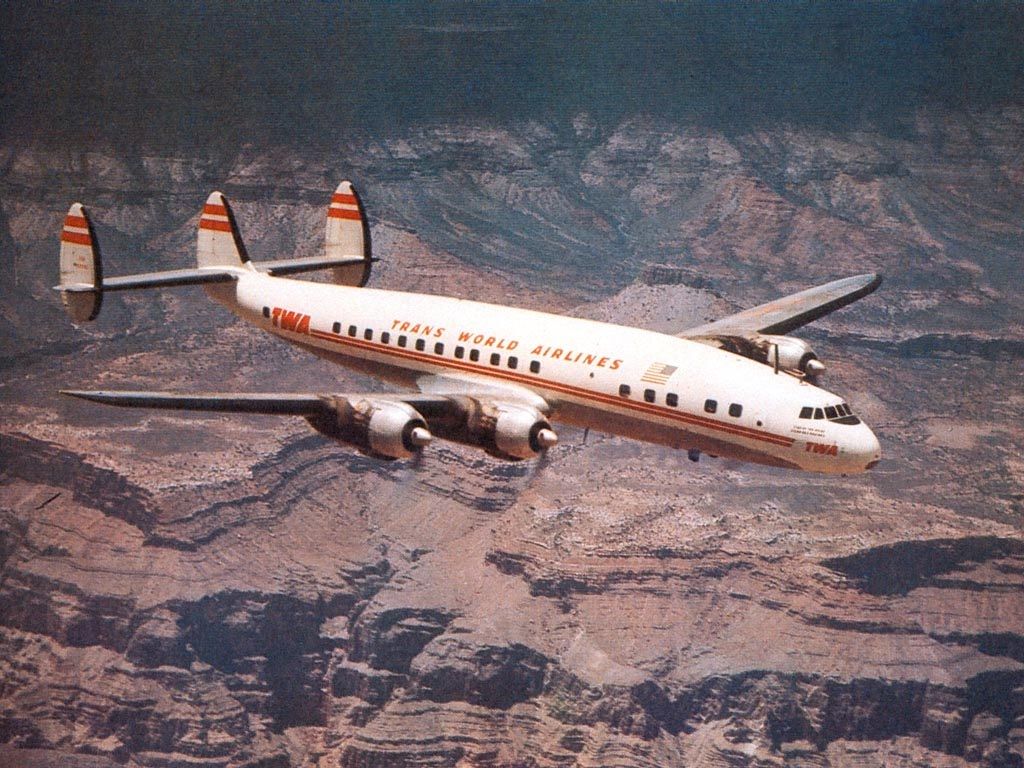
Propeller-driven airliners such as the Douglas DC-7 and the Lockheed L-1049 Super Constellation dominated the skies, connecting major urban centers across the North American continent with increasing frequency.
However, this rapid growth outpaced the infrastructure supporting it. The skies over the United States operated under a system known as visual flight rules (VFR) for the vast majority of domestic airspace.
Under VFR protocols, pilots maintained separation from other aircraft primarily by looking out the cockpit window—a concept colloquially referred to as "see and be seen."
Air traffic control (ATC) exercised jurisdiction only over aircraft operating under instrument flight rules (IFR), which were typically restricted to commercial flights within congested terminal areas or during periods of low visibility. En-route flights in uncontrolled airspace—which covered the vast majority of the American landscape—frequently flew without radar monitoring or mandatory position reporting to centralized authorities.
This regulatory framework placed immense faith in the visual acuity of flight crews and the assumption that the vastness of the American sky made mid-air collisions an improbable contingency. By the mid-1950s, rising aircraft speeds, increasing flight frequencies, and high-altitude cruising capabilities began to render these assumptions obsolete. The aviation system was operating on pre-war rules in a post-war jet-age trajectory, creating conditions ripe for disaster.
The Aircraft and Flight Crews Involved
The two aircraft involved in the 1956 tragedy were flagship airliners of their respective carriers, representing the pinnacle of mid-century commercial transport technology.
Trans World Airlines (TWA) Flight 2
- Aircraft Type: Lockheed L-1049 Super Constellation (Registration: N6902C)
- Call Sign: TWA Flight 2
- Route: Los Angeles International Airport (LAX) to Kansas City Municipal Airport (MCI)
- Complement: 64 occupants (59 passengers, 5 crew members)
- Flight Crew: Captain Jack Gandy, First Officer James Ritner, Flight Engineer Lee Gansner
United Air Lines (UAL) Flight 718
- Aircraft Type: Douglas DC-7 (Registration: N6328C)
- Call Sign: United Flight 718
- Route: Los Angeles International Airport (LAX) to Chicago Midway Airport (MDW)
- Complement: 64 occupants (58 passengers, 6 crew members)
- Flight Crew: Captain Robert Shirley, First Officer Robert Harms, Flight Engineer Gerard Fiore
Both flights departed Los Angeles International Airport within minutes of each other on the morning of June 30, 1956. TWA Flight 2 departed at 9:01 a.m. Pacific Standard Time, followed by United Flight 718 at 9:04 a.m.
The intended routes for both flights converged over the Painted Desert radio range checkpoint in northeastern Arizona, placing them on intersecting flight paths at similar cruising altitudes.
Chronology of the 1956 Grand Canyon Mid-Air Collision
The sequence of events leading up to the collision unfolded over the skies of northern Arizona, characterized by atmospheric conditions that played a critical role in the tragedy.
- [09:01 PST] TWA Flight 2 departs LAX and [09:04 PST] UAL Flight 718 departs LAX
- En Route: Uncontrolled Airspace
- Cruising Altitudes: 21,000 ft (TWA) & 21,000 ft (UAL)
- Visual Flight Rules (VFR) in Effect
- "See and Be Seen" protocol heavily compromised by cloud build-ups
- [10:30 AM MST: Point of Impact]
- Over Grand Canyon National Park (Colo. River confluence)
On the morning of the accident, heavy cumulus cloud formations dominated the skies over the Grand Canyon region. While these clouds provided dramatic scenery, they severely restricted horizontal and vertical visibility. More critically, they forced flight crews to navigate around or between cloud buildups, altering their nominal flight paths and impairing their ability to maintain visual separation.
Both airliners filed flight plans requesting an altitude of 21,000 feet. TWA Flight 2 subsequently requested a change to 19,000 feet to avoid turbulence and cloud formations, but air traffic control denied this request due to conflicting traffic reports.
Instead, TWA requested permission to fly "on top" of the clouds at 21,000 feet, which was granted, though this placed them at the exact cruising altitude selected by United Flight 718.
At approximately 10:30 a.m. Mountain Standard Time, the two aircraft converged over the canyon near the confluence of the Colorado and Little Colorado rivers. Because both aircraft were flying within uncontrolled airspace under VFR separation guidelines, neither crew received radar warnings from ground controllers regarding the proximity of the other flight.
The physical evidence gathered by investigators from the Civil Aeronautics Board (CAB) indicated that the United DC-7 overtook the TWA Super Constellation from slightly behind and to the left. The left wing of the United aircraft struck the tail assembly of the TWA Constellation, severing the vertical stabilizer and a portion of the fuselage.
The impact crippled both aircraft instantly. The TWA Constellation entered an immediate, steep dive and impacted the sheer canyon walls near Temple Butte. The United DC-7, sustaining severe structural damage to its wing and flight controls, flew out of control for a brief period before plunging into a ravine on the canyon floor. All 128 passengers and crew members on both aircraft perished on impact.
Summary of Flight Details and Impact
| Parameter | TWA Flight 2 | United Air Lines Flight 718 |
|---|---|---|
| Aircraft Type | Lockheed L-1049 Super Constellation | Douglas DC-7 |
| Registration | N6902C | N6328C |
| Departure Airport | Los Angeles International (LAX) | Los Angeles International (LAX) |
| Destination Airport | Kansas City Municipal (MCI) | Chicago Midway (MDW) |
| Souls Aboard | 64 (59 passengers, 5 crew) | 64 (58 passengers, 6 crew) |
| Cruising Altitude | 21,000 feet MSL | 21,000 feet MSL |
| Point of Impact | Grand Canyon, Arizona | Grand Canyon, Arizona |
Investigation and Immediate Findings
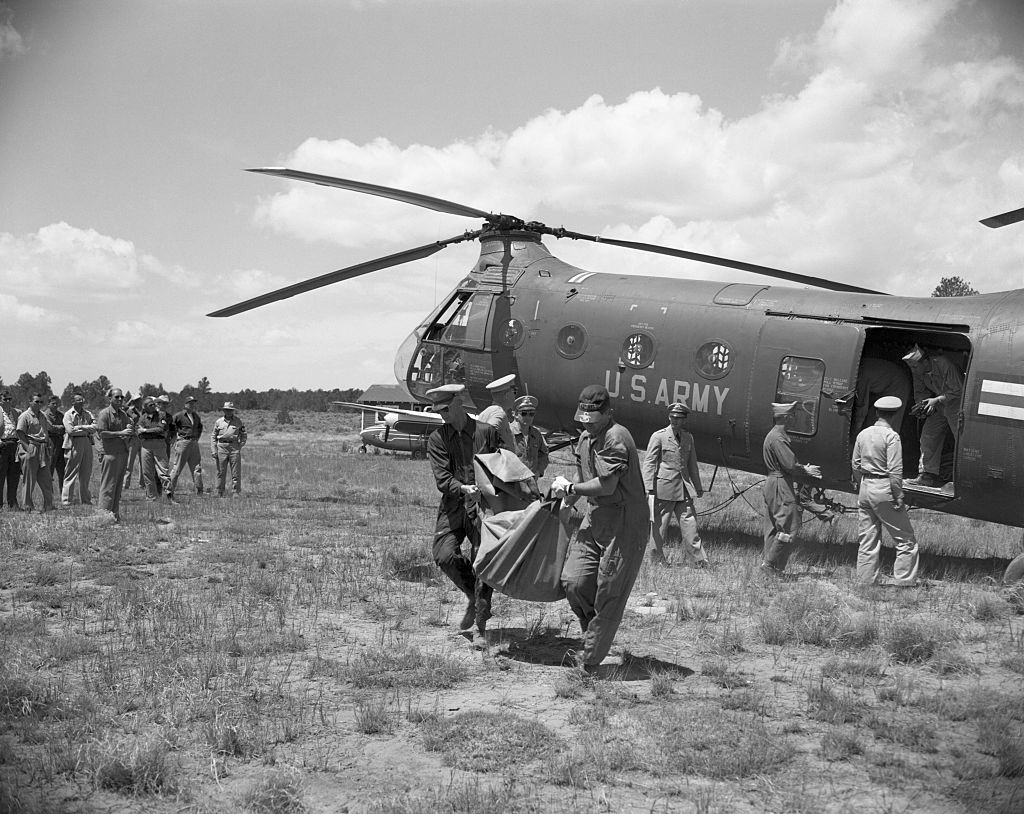
The recovery operation following the Grand Canyon collision ranks among the most difficult and perilous search-and-recovery missions in aviation history.
The wreckage was scattered across inaccessible vertical cliffs and deep canyons within the Grand Canyon National Park, requiring the deployment of expert mountaineers, park rangers, and military helicopters to reach the crash sites.
The Civil Aeronautics Board, the predecessor to the National Transportation Safety Board (NTSB), launched a comprehensive investigation to determine the probable cause of the disaster. Investigators faced significant hurdles due to the destruction of the aircraft and the lack of flight data recorders or cockpit voice recorders—technologies that were not yet mandatory in commercial aviation.
The CAB investigation established several critical findings:
- Airspace Limitations: The collision occurred in uncontrolled airspace where ground-based air traffic control had no legal responsibility or radar capability to provide separation services between VFR flights.
- Visual Limitations: Meteorological conditions, specifically towering cumulus clouds, restricted the field of view for both flight crews, preventing them from spotting each other in time to take evasive action.
- Cockpit Visibility Constraints: Design characteristics of the cockpit windows on both the Super Constellation and the DC-7 created blind spots, particularly upward and to the rear, which hindered the pilots' ability to scan effectively for overtaking traffic.
- Traffic Density: The convergence of two major commercial flights departing the same origin airport within minutes of each other and following nearly identical air corridors highlighted systemic flaws in airline scheduling and air traffic management.
Ultimately, the CAB concluded that the probable cause of the collision was the inability of the flight crews to see and avoid each other, a failure directly attributable to visual limitations imposed by cloud formations, cockpit design, and the inadequacy of the existing air traffic control system to manage high-speed en-route traffic.
Regulatory Fallout and the Birth of the FAA
The scale of the 1956 Grand Canyon disaster—at the time, the deadliest commercial aviation accident in history—provoked widespread public outcry and intense congressional scrutiny. Lawmakers and aviation experts recognized that the accident was not merely an isolated case of pilot error, but a systemic failure of national airspace management.
In response to the crisis, Congress and the executive branch initiated radical legislative and structural changes:
The Federal Aviation Act of 1958
The direct legislative consequence of the accident was the passage of the Federal Aviation Act of 1958. This landmark legislation abolished the Civil Aeronautics Administration (CAA) and established the Federal Aviation Agency (later renamed the Federal Aviation Administration, or FAA).
For the first time, the federal government was granted consolidated, plenary authority to regulate and oversee all aspects of civil aviation safety, airspace allocation, and air traffic control across the United States.
Expansion of Air Traffic Control and Radar
The FAA immediately embarked on a massive modernization program. Ground-based radar networks were expanded nationwide to monitor en-route commercial traffic continuously.
The old system of visual flight rules in uncontrolled airspace was progressively curtailed, leading to the establishment of controlled airspace corridors and the requirement for continuous radar tracking of all commercial passenger flights, regardless of weather conditions.
Integration of Military and Civilian Airspace
Prior to 1956, military and civilian aircraft operated under separate, poorly coordinated rules, creating severe collision hazards.
The 1958 Act unified airspace management under a single civil authority, ensuring that military training routes and commercial airlanes were strictly segregated or coordinated through real-time radar monitoring.
Technological Evolution in Collision Avoidance
The lessons learned from the Grand Canyon disaster catalyzed decades of technological innovation aimed at preventing mid-air collisions. Beyond improvements in ground-based air traffic control, engineers developed onboard electronic safety systems that operate independently of ground infrastructure.
Air Traffic Control Radar Beacon System (ATCRBS)
Following the accident, the deployment of transponders on commercial aircraft became standard practice. The ATCRBS allowed ground radar stations to interrogate aircraft transponders, displaying precise altitude, identity, and position data on controller scopes, eliminating reliance on pilot position reports.
Traffic Alert and Collision Avoidance System (TCAS)
Decades later, the culmination of these safety efforts led to the mandatory installation of TCAS on commercial transport aircraft.
TCAS monitors the airspace around an aircraft, actively interrogating the transponders of nearby planes. If a potential conflict is detected, the system generates visual and audible warnings, known as Resolution Advisories (RAs), instructing pilots to climb or descend immediately to maintain safe separation.
Frequently Asked Questions
What caused the 1956 Grand Canyon mid-air collision?
The collision was caused by the limitations of the "see and be seen" visual flight rules system operating in uncontrolled airspace. Cloud formations obscured the view of both flight crews, and cockpit blind spots prevented them from spotting each other before impact.
How many people died in the Grand Canyon air disaster?
A total of 128 people died in the collision. This included 58 passengers and 6 crew members on United Flight 718, and 59 passengers and 5 crew members on TWA Flight 2. There were no survivors.
What regulatory changes resulted from the crash?
The disaster prompted Congress to pass the Federal Aviation Act of 1958, which created the Federal Aviation Agency (FAA). This centralized air traffic control, unified civilian and military airspace management, and mandated nationwide radar tracking for commercial flights.
Did the crash lead to modern flight data recorders?
Yes. The investigation's difficulty in recovering factual data without onboard recorders accelerated the adoption of flight data recorders (FDRs) and cockpit voice recorders (CVRs), which eventually became mandatory equipment on all major commercial airliners.
Conclusion and Historical Significance
The 1956 Grand Canyon mid-air collision stands as a watershed moment in the history of aviation. By exposing the fatal vulnerabilities of an outdated regulatory structure operating in an era of rapidly advancing aircraft technology, the tragedy forced a complete overhaul of how skies are managed.
The establishment of the FAA and the modernization of air traffic control transformed commercial aviation into one of the safest modes of transportation in human history, ensuring that the lives lost over the Arizona desert were not forgotten.