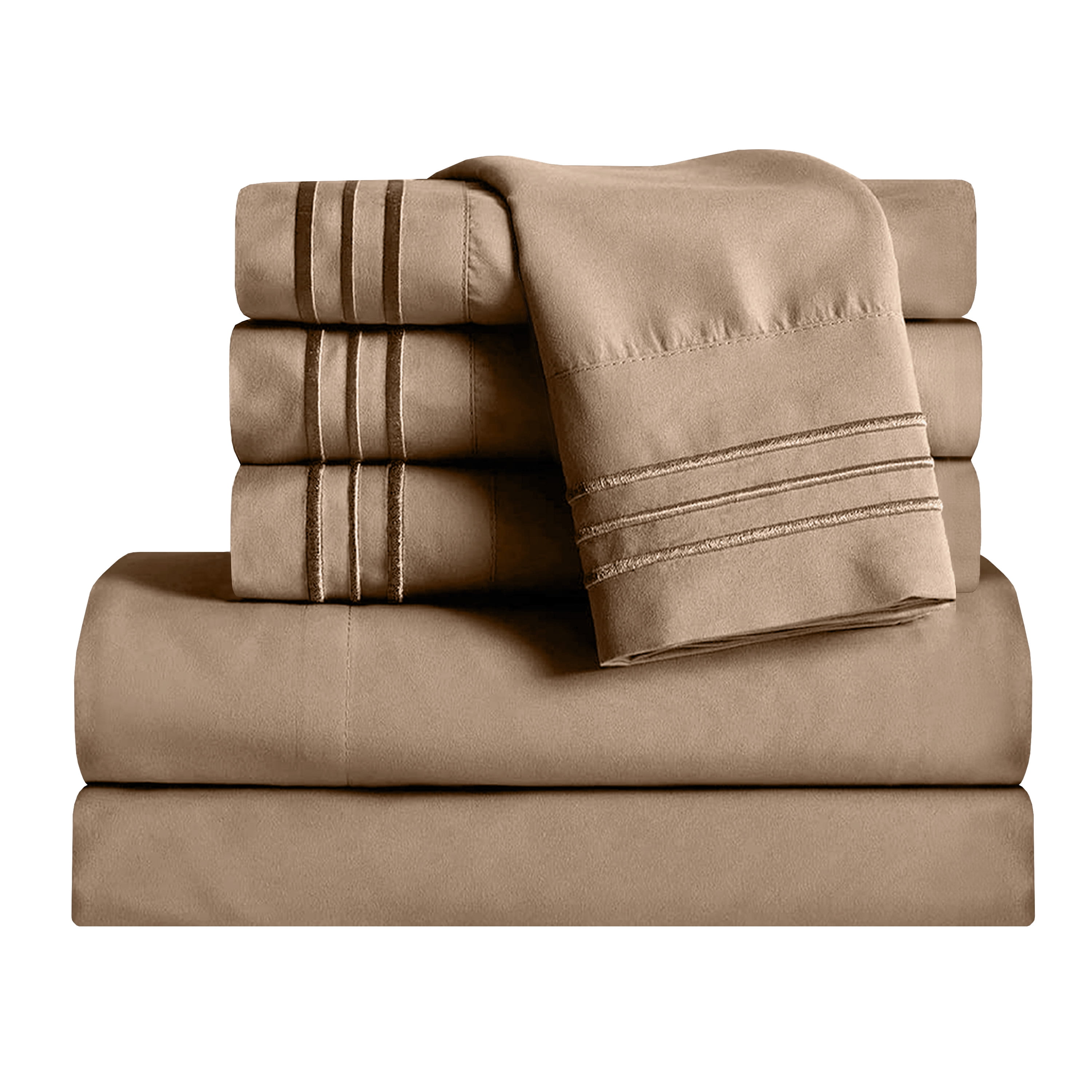
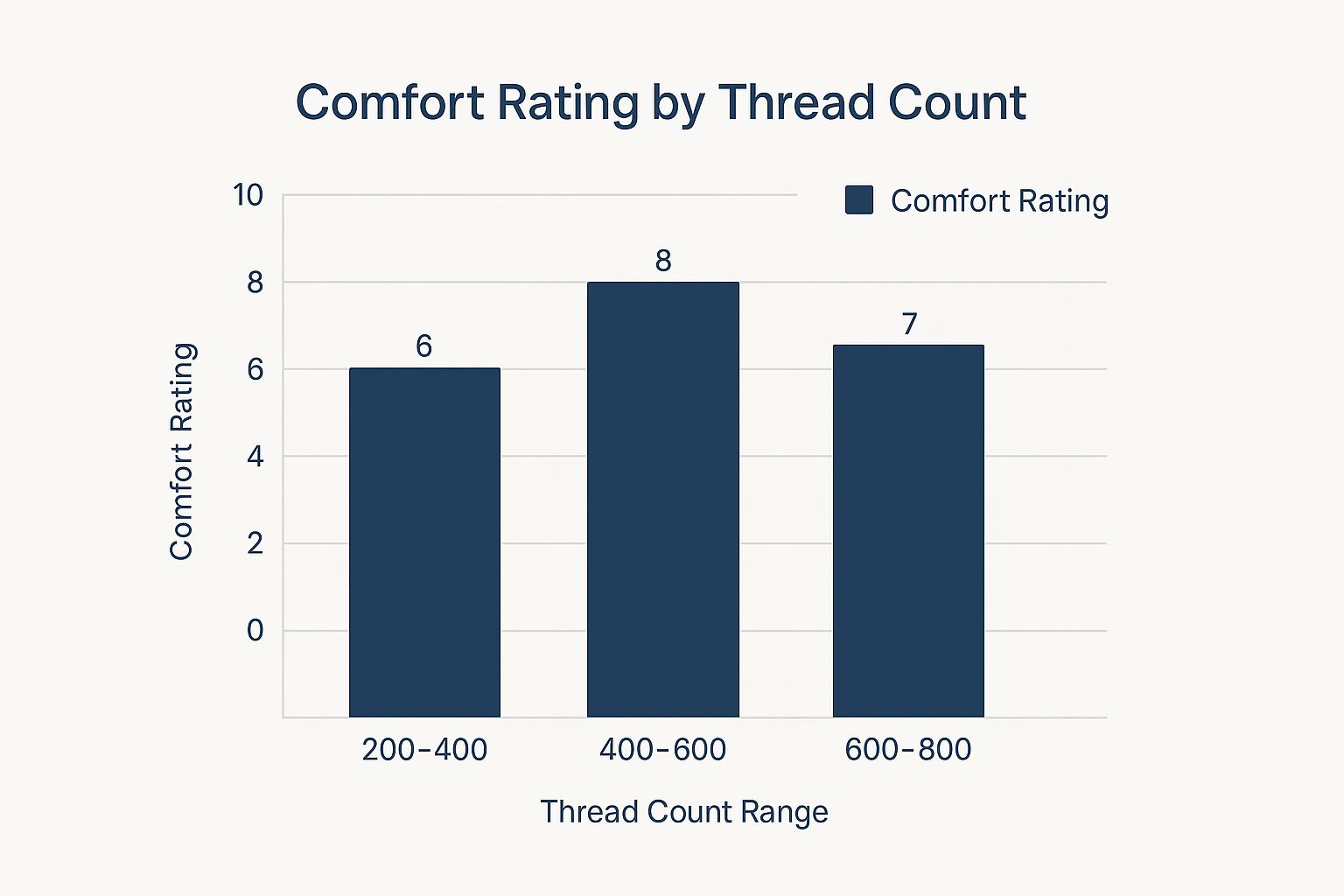
When evaluating 1800 thread count sheets from a practical standpoint, the high number is almost always a marketing metric rather than a marker of superior quality. True single-ply cotton cannot physically reach 1,800 threads per square inch, meaning these sets typically utilize multi-ply yarns, microfibers, or polyester blends to artificially inflate the count, which impacts breathability, durability, and tactile comfort.
Understanding Thread Count: The Industry Baseline
To evaluate whether high-density bedding performs well in everyday use, it helps to understand what thread count actually measures. Thread count refers to the total number of horizontal (weft) and vertical (warp) threads woven into a single square inch of fabric. Traditional manufacturing wisdom dictates that a higher thread count yields a softer, more tightly woven, and longer-lasting textile. However, this metric applies primarily to genuine, high-grade natural fibers like long-staple cotton, Egyptian cotton, or Pima cotton.
A standard loom can only pack a finite number of individual threads into a square inch without compromising structural integrity. Generally, high-quality percale and sateen weaves top out naturally between 300 and 600 threads per square inch when using fine, single-ply threads. When manufacturers market sheets with an 1800 thread count—or even 1500 and 2000 counts—they are almost never packing 1,800 individual threads into that space. Instead, they use multi-ply yarns (where two, three, or four thinner threads are twisted together before weaving) or synthetic microfibers that pack tightly together due to their microscopic filament width.
Recognizing this distinction changes how consumers shop for bedding. An artificially inflated thread count does not automatically correlate to luxury, temperature regulation, or longevity. In many cases, ultra-high thread counts signal heavy, tightly sealed fabrics that trap body heat and moisture, altering the sleeping experience entirely.
The Reality Behind 1800 Thread Count Sheets: Materials and Construction
The vast majority of budget-friendly 1800 thread count sheet sets on the market are constructed from brushed polyester microfiber. Microfiber is a synthetic material made from finely spun polyester fibers, typically polyester and sometimes nylon or a blend. Because these synthetic fibers can be manufactured to be exceptionally thin, manufacturers can pack an immense amount of them into a square inch, easily hitting numbers like 1800.
While microfiber brings specific benefits, it behaves entirely differently than natural cotton or linen:
- Synthetic Composition: Microfiber is petroleum-based. It does not absorb moisture the way natural fibers do; instead, it tends to trap sweat against the skin.
- The Brushing Process: To make synthetic sheets feel soft out of the package, manufacturers mechanically brush the fabric to create a velvety or peach-skin finish. This temporary softness can wear down over time with repeated laundering.
- Ply Manipulation: When cotton is used to claim an 1800 thread count, companies almost exclusively use multi-ply yarns. While a 4-ply yarn means four threads are twisted into one, marketing departments often multiply the count by four, turning an actual weave count of 450 into a marketed count of 1800. This practice is technically legal in many jurisdictions but misleads consumers into expecting superior physical density.
Practical Performance: Comfort, Breathability, and Temperature Regulation
Evaluating bedding requires looking past the unboxed feel and examining how the material performs over a full night of sleep. Temperature regulation is often the primary battleground for high thread count synthetic sheets.
Heat Retention and Moisture Management
Because 1800 thread count microfiber or multi-ply cotton sheets feature an extremely dense weave, airflow through the fabric is severely restricted. For cold sleepers or those living in chilly winter climates, this trap-and-hold mechanism can provide a cozy, warm sleeping environment. However, for hot sleepers, individuals experiencing night sweats, or those living in warm environments, 1800 thread count sheets often cause overheating. Synthetic microfiber acts as an insulator, holding body heat and trapping humidity under the covers.
Tactile Experience and Weight
Microfiber 1800 thread count sheets are renowned for feeling exceptionally soft, lightweight, and wrinkle-resistant right out of the package. They lack the crisp, structured feel of a high-end cotton percale and the silky drape of a luxury sateen. Instead, they offer a smooth, uniform texture. Over time, however, lower-grade synthetics are prone to pilling—forming small, annoying fuzz balls on the surface of the fabric where friction occurs against skin and sleepwear.
Durability, Maintenance, and Longevity
One area where budget-friendly 1800 thread count sheets often surprise users is their initial durability and ease of care. Because they are typically made of polyester microfiber, they possess inherent physical properties that contrast sharply with natural fibers.
| Feature | 1800 Thread Count Microfiber | Traditional Cotton (300-500 Count) |
|---|---|---|
| Primary Material | Polyester synthetic fibers | 100% long-staple cotton |
| Wrinkle Resistance | High (naturally resists creasing) | Low to Moderate (requires prompt removal from dryer) |
| Breathability | Low (traps heat and moisture) | High (allows air circulation and wicks moisture) |
| Lifespan | 1 to 3 years (prone to thinning and pilling) | 5 to 10+ years (softens and strengthens with age) |
| Stain Resistance | High (synthetic fibers repel water-based liquids) | Moderate (absorbs spills more readily unless treated) |
| Price Point | Budget-friendly (typically inexpensive) | Moderate to Premium |
Washing these sheets requires minimal effort. They dry rapidly in a standard tumble dryer on low heat, and their synthetic structure means they emerge virtually wrinkle-free, eliminating the need for ironing. However, they are prone to static cling and can trap body oils and odors more stubbornly than natural fibers, requiring specialized detergents or periodic stripping to maintain freshness.
Common Misconceptions and Marketing Tactics
The bedding industry relies heavily on numerical prestige. Consumers have been conditioned to believe that higher numbers universally indicate better quality, mirroring the marketing of thread counts in luxury hospitality. Several misconceptions persist around 1800 thread count bedding:
- The Egyptian Cotton Myth: Many buyers assume an 1800 thread count label implies luxurious Egyptian cotton. In reality, authentic Egyptian cotton sheets at that thread count do not exist commercially, and if they were somehow produced, they would be immensely heavy, rigid, and priced in the hundreds or thousands of dollars.
- Durability Equivalence: Consumers often believe high thread count means the sheets will last a lifetime. While tightly woven natural fibers gain durability, hyper-dense synthetic sheets often thin out at stress points (like the corners fitted over mattress edges) within a couple of years.
- Hypoallergenic Claims: While microfiber tightly traps dust mites due to its microscopic weave gaps—which can benefit certain allergy sufferers—it can simultaneously trap dust, dander, and oils on the surface, requiring frequent washing.
Frequently Asked Questions
Are 1800 thread count sheets hot to sleep in?
Yes, most 1800 thread count sheets—which are typically made of polyester microfiber—tend to trap body heat and lack breathability. If you sleep hot or experience night sweats, you will likely find these sheets uncomfortably warm compared to lower thread count, 100% natural cotton or linen options.
Why are 1800 thread count sheets so inexpensive?
The low price point is driven by the materials used. True high-density weaving requires expensive long-staple cotton and labor-intensive processes. In contrast, 1800 thread count sheets are usually mass-produced from cheap synthetic polyester microfiber, which keeps production costs minimal.
Do 1800 thread count sheets shrink or wrinkle?
Polyester microfiber sheets are exceptionally resistant to shrinking and wrinkling. They maintain a smooth appearance straight out of the dryer, making them low-maintenance compared to pure cotton or linen alternatives that require prompt removal to prevent creases.
Do high thread count sheets pill over time?
Budget-grade microfiber 1800 thread count sheets are prone to pilling after repeated laundering and friction against skin or sleepwear. The tiny synthetic fibers can loosen, break, and tangle on the surface, creating small, rough fuzz balls.
What thread count should I look for instead?
For pure cotton sheets, look for a verified single-ply thread count between 300 and 500. Focus more on fiber quality—such as long-staple cotton, Pima, or Supima—and the weave style (percale for crispness, sateen for smoothness) rather than chasing ultra-high thread count numbers.
Final Recommendations for Buyers
When deciding whether to purchase 1800 thread count sheets, your choice should depend entirely on your sleeping preferences and budget priorities. If you are shopping on a strict budget, want sheets that require zero ironing, prefer a velvety soft texture, and sleep in a cool room, an affordable set of microfiber 1800 thread count sheets can serve as a functional, soft temporary solution.
However, if you prioritize breathability, longevity, natural moisture management, and a crisp or silky sleeping microclimate, you should bypass the marketing allure of hyper-dense numbers. Instead, invest in a mid-range, 300-to-500 thread count sheet set made from 100% long-staple cotton, linen, or bamboo-derived rayon. These materials deliver superior comfort, temperature regulation, and durability that will outlast synthetic alternatives by years.