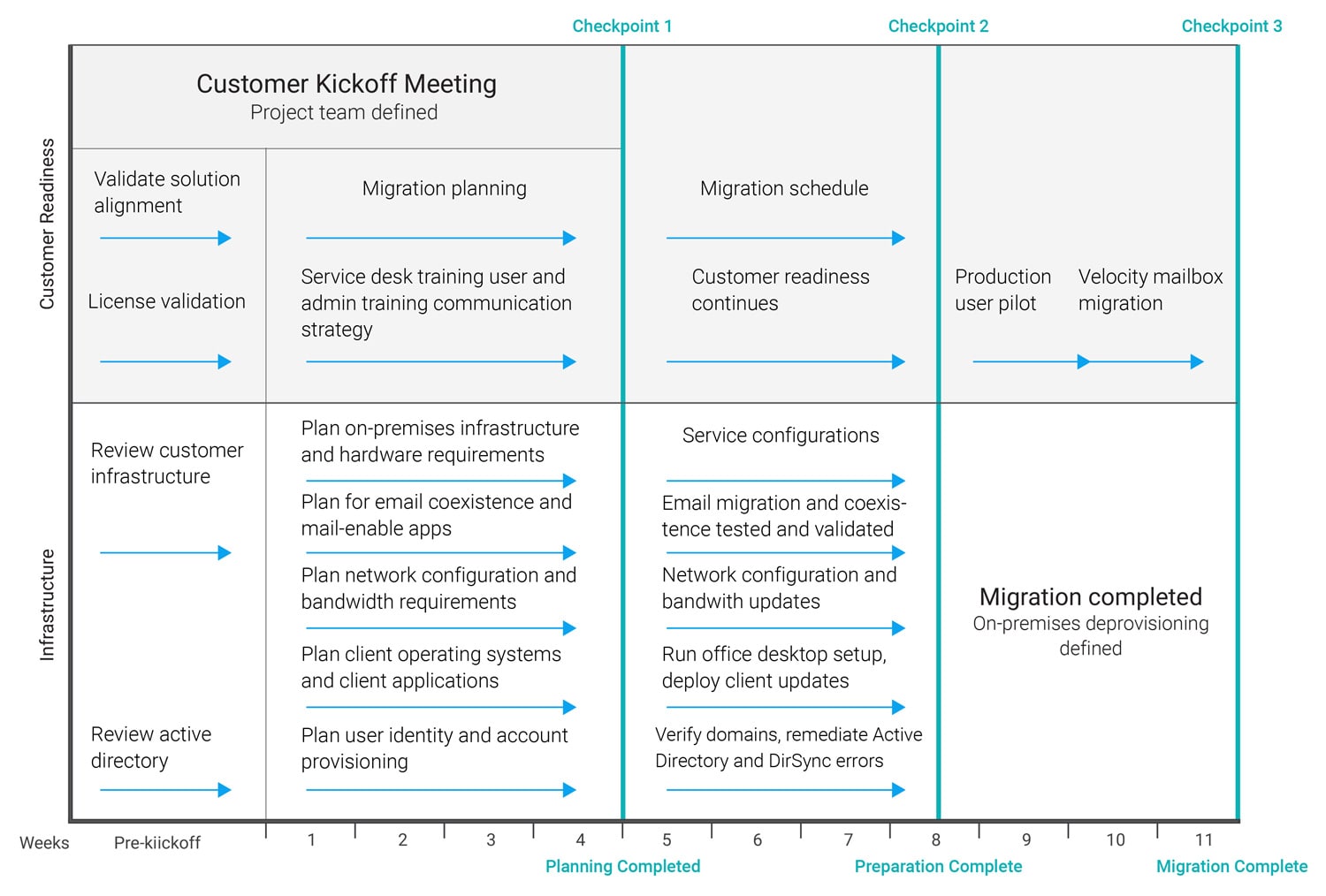
Migrating an organization's email, documents, and collaboration tools to Microsoft 365 is a complex undertaking that impacts every daily workflow, security boundary, and compliance mandate. While internal IT departments often possess general infrastructure experience, specialized Office 365 migration consulting provides dedicated expertise, structured methodologies, and risk mitigation strategies that protect enterprise continuity during high-stakes transitions.
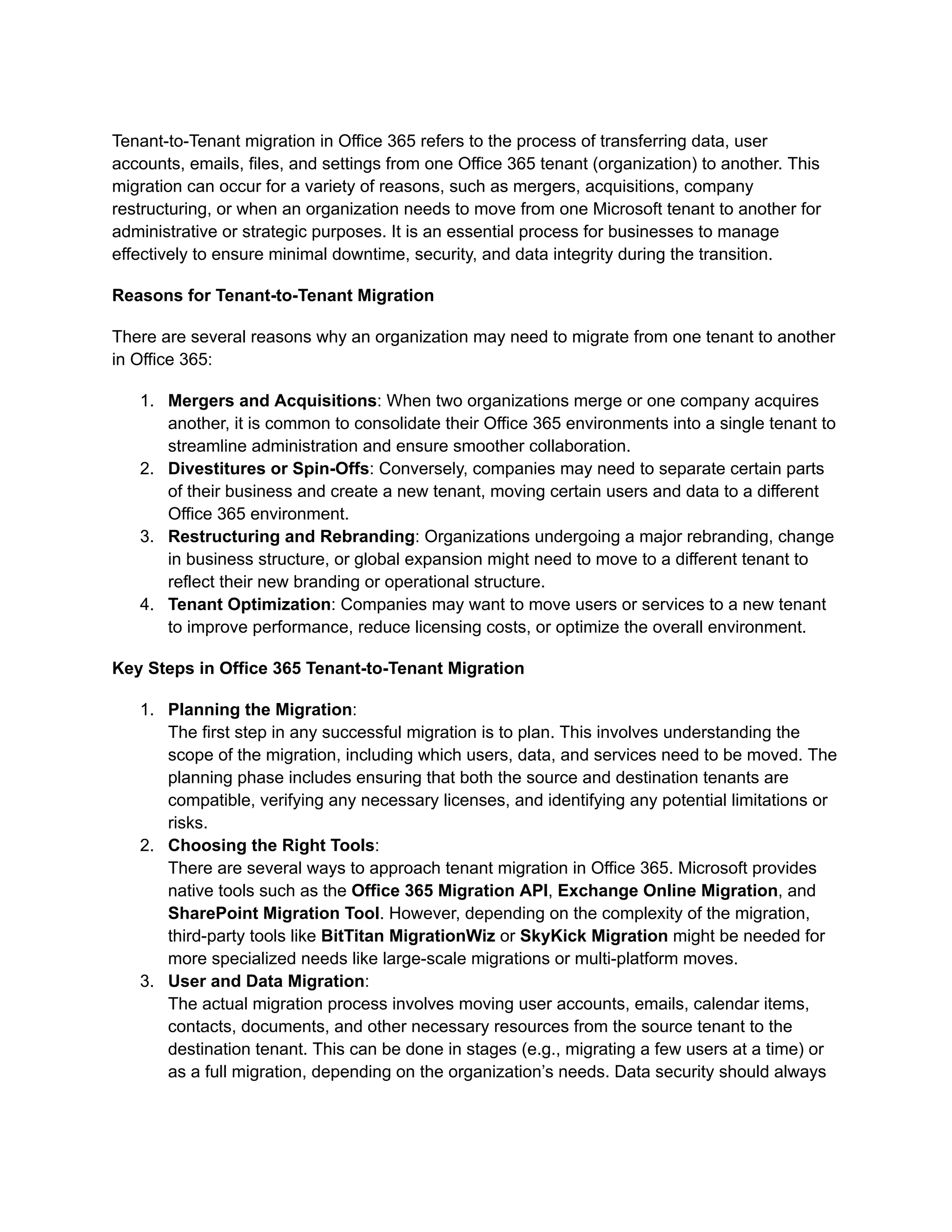
Transitioning an enterprise ecosystem to the cloud involves far more than simply moving mailboxes from an on-premises Exchange server or a legacy competitor like Google Workspace to Microsoft 365. It requires meticulous planning, identity synchronization, data cleansing, bandwidth management, and post-migration change management. For organizations evaluating whether to handle this transformation internally or partner with specialized cloud architects, understanding the multifaceted value of professional consultants is essential for project success. Below are twelve critical reasons why organizations choose to hire Office 365 migration consulting services.
1. Access to Specialized Migration Expertise and Certifications
Internal IT teams typically manage day-to-day help desk tickets, hardware maintenance, network uptime, and local infrastructure. Because migrations occur infrequently—often once in a decade—internal staff rarely accumulate deep, hands-on experience with complex tenant-to-tenant migrations, hybrid identity configurations, or intricate public folder conversions.
Office 365 migration consultants, conversely, execute these projects continuously across diverse industry verticals. They hold advanced Microsoft certifications such as the Microsoft 365 Certified: Enterprise Administrator Expert. This specialized background ensures they understand undocumented edge cases, API throttling limits, and licensing nuances that can derail an in-house project. By leveraging professionals who live and breathe cloud deployments, organizations avoid trial-and-error engineering that leads to project delays and user frustration.
2. Comprehensive Risk Mitigation and Data Integrity
Data loss is the single greatest fear for leadership teams during any infrastructure migration. Whether dealing with corrupted PST files, lost metadata, broken sharing permissions, or incomplete historical archives, data integrity errors can cripple business operations and trigger regulatory penalties.
Professional consultants deploy industry-standard, enterprise-grade migration tools backed by rigorous validation protocols. They establish robust backup states before touching primary environments, perform dry-run test migrations to uncover anomalies, and execute delta syncs to capture last-minute changes. This methodical approach drastically reduces the risk of accidental data deletion, corruption, or exposure during the cutover window.
3. Minimization of Business Disruption and Downtime
For modern businesses, every minute of system downtime translates directly to lost revenue, frustrated customers, and stalled internal productivity. Attempting a DIY migration often leads to extended cutover windows, unforeseen network bottlenecks, and chaotic user experiences where employees cannot access emails, calendars, or shared documents.
Consultants utilize phased migration strategies—such as staged, hybrid, or cutover methods tailored to the organization's specific scale—to ensure minimal interference with daily business functions. By scheduling heavy data transfers during off-peak hours and orchestrating seamless weekend cutovers, consulting partners ensure that employees log in on Monday morning to a fully functional, synchronized digital workplace.
4. Advanced Security and Compliance Alignment
Migrating to the cloud presents a unique window to overhaul security postures, but it also introduces vulnerabilities if misconfigured. Default Microsoft 365 security settings are rarely optimized for enterprise-grade protection against modern cyber threats. Furthermore, organizations bound by strict regulatory frameworks—such as HIPAA, GDPR, PCI-DSS, or FINRA—must ensure that data residency, encryption standards, and access controls comply with legal mandates from day one.
Office 365 migration consultants specialize in designing secure tenant architectures. They configure advanced security features including:
- Multi-factor authentication (MFA) enforcement policies
- Conditional access policies based on device compliance and location
- Data Loss Prevention (DLP) rules and sensitive information types
- Advanced Threat Protection (ATP) and safe attachment protocols
- Information governance and automated retention labels
5. Optimized Licensing and Cost Management
Microsoft 365 offers a dizzying array of licensing tiers—from Business Basic and Standard to Enterprise E3, E5, and specialized frontline or security add-ons. Organizations frequently overspend by purchasing high-tier licenses for users who only require basic web applications, or they under-provision, leaving employees without necessary security and compliance tools.
Migration consultants analyze organizational user profiles, job functions, and compliance requirements to recommend an optimized licensing matrix. By right-sizing license allocation before purchase, consultants often save enterprises tens or hundreds of thousands of dollars in recurring software subscription costs, ensuring the migration consulting investment pays for itself.
6. Seamless Hybrid and Coexistence Configuration
Many organizations cannot move completely to the cloud overnight due to legacy line-of-business applications, strict local compliance rules, or massive data volumes. This necessitates a hybrid environment where on-premises infrastructure (such as Exchange servers or local Active Directory) coexists with Microsoft 365 tenants for an extended period.
Configuring secure, reliable coexistence—including shared address books, unified free/busy calendar visibility, and secure mail routing—requires advanced knowledge of Azure AD Connect, Exchange hybrid configuration wizards, and secure relay connectors. Consultants possess the expertise to build and maintain stable hybrid bridges that prevent communication silos during transitional phases.
7. Efficient Identity Management and Directory Synchronization
A successful migration relies heavily on establishing a unified identity foundation. If user identities, passwords, and group memberships do not map correctly between on-premises Active Directory (AD) and Azure Active Directory (now Entra ID), users will face login failures, duplicate accounts, and broken permissions.
Consultants audit existing directory structures, clean up stale user accounts and orphan groups, and implement robust synchronization pipelines. They resolve issues involving conflicting User Principal Names (UPNs), duplicate email addresses, and complex security identifier (SID) histories, ensuring a smooth transition to cloud-based identity and access management.
8. Accelerated Project Timelines
When internal IT teams attempt to manage a massive migration alongside their normal operational responsibilities, projects inevitably stall. Daily help desk emergencies take precedence, key personnel experience burnout, and timelines stretch from months into years, driving up hidden labor costs.
Dedicated migration consultants operate with a singular focus and structured project management framework. They establish clear milestones, manage execution phases, and maintain accountability across all technical workstreams. This dedicated bandwidth allows organizations to achieve cloud adoption goals rapidly, realizing return on investment much faster than an internal, part-time effort would allow.
9. Structured User Change Management and Adoption
Technical migration is only half the battle; human adoption determines the ultimate success of a digital workplace transformation. Employees accustomed to legacy file shares, local storage, or alternative collaboration platforms often resist adopting new tools like Microsoft Teams, SharePoint Online, and OneDrive.
Comprehensive migration consulting engagements typically include change management and user adoption frameworks. Consultants help organizations communicate the "why" behind the change, design tailored training programs, and establish internal "champion networks." This human-centric approach reduces user anxiety, minimizes post-migration support tickets, and accelerates organizational proficiency across the new platform.
10. Post-Migration Optimization and Governance
Many organizations treat migration as a finish line rather than a starting point. Simply lifting and shifting legacy data into SharePoint or OneDrive often recreates existing organizational mess in the cloud, resulting in sprawling, unmanaged repositories that are impossible to search or govern.
Consultants help establish post-migration governance frameworks, including information architecture design, metadata taxonomies, sharing permissions policies, and lifecycle management rules. They ensure that SharePoint sites and Teams channels are structured logically, empowering employees to collaborate efficiently while maintaining administrative control.
11. Objective Third-Party Assessment and Architecture Design
Internal IT departments can sometimes suffer from institutional inertia or historical biases regarding how systems "have always been done." Bringing in external consultants introduces an objective, fresh perspective unburdened by internal politics.
Consultants perform comprehensive environment assessments, evaluating network bandwidth, firewall configurations, legacy application dependencies, and endpoint readiness. They design an optimal target architecture tailored specifically to current operational demands and future scalability, ensuring the new cloud environment is built on modern best practices rather than outdated legacy paradigms.
12. Mitigation of Internal Burnout and Resource Strain
Tasking an already lean internal IT team with a complex cloud migration forces them to juggle standard operational support with high-pressure engineering tasks. This often leads to severe staff burnout, increased turnover, and compromised service desks where routine user issues go unresolved.
By outsourcing the heavy lifting of the migration to specialized consultants, internal staff are shielded from overwhelming disruption. IT personnel can focus on maintaining daily business continuity and learning the new Microsoft 365 environment gradually through shadowing opportunities, preserving team morale and organizational stability.
Comparison of DIY Migration vs. Hiring Consultants
| Evaluation Factor | DIY / Internal Migration | Office 365 Migration Consulting |
|---|---|---|
| Primary Risk | High risk of data loss, extended downtime, and security gaps. | Minimized risk via proven methodologies, backups, and testing. |
| Time to Completion | Often prolonged due to competing internal IT priorities. | Accelerated through dedicated focus and structured project management. |
| Licensing Efficiency | High potential for over-provisioning or misallocated tiers. | Optimized licensing recommendations tailored to user roles. |
| Staff Impact | Severe risk of IT burnout and neglected help desk tickets. | Internal teams preserved to maintain daily operational continuity. |
| Security Posture | Default settings often left unoptimized for enterprise threats. | Hardened tenant architecture aligned with regulatory compliance. |
Frequently Asked Questions
What factors drive the cost of Office 365 migration consulting?
Migration costs are primarily driven by the total volume of data, the number of mailboxes and user accounts, the complexity of the source environment (e.g., legacy Lotus Notes versus Google Workspace), and whether hybrid coexistence or tenant-to-tenant restructuring is required. Additional factors include custom application integrations and specialized compliance requirements.
How long does a typical Office 365 migration take?
Timelines vary significantly based on organization size and complexity. A small business with twenty users moving from simple IMAP email can complete the transition in a few weeks. Conversely, a multi-thousand-enterprise with complex hybrid dependencies, terabytes of legacy file shares, and strict compliance mandates may require a phased roadmap spanning several months.
Can our internal IT team work alongside the migration consultants?
Yes, collaborative models are standard practice. Reputable consultants work closely with internal IT staff, providing knowledge transfer, shadowing opportunities, and shared responsibilities throughout the project lifecycle so that internal teams are fully equipped to manage the environment post-migration.
What happens to our data during the migration cutover?
During a cutover, primary data is moved from the source environment to Microsoft 365. Consultants use synchronization tools to perform bulk transfers in advance, followed by delta syncs during a scheduled maintenance window (typically a weekend) to capture any emails or files created or modified during the final transition phase.
How do consultants handle user training and adoption?
Consultants typically provide structured change management strategies, including communication templates, role-based training webinars, documentation for common workflows, and guidance on establishing internal "champion" networks to drive sustained user adoption of tools like Microsoft Teams and SharePoint.
Conclusion and Next Actions
Migrating to Microsoft 365 is a foundational investment in your organization's operational efficiency, security posture, and long-term scalability. While handling the transition internally may appear cost-effective initially, the hidden costs of downtime, data corruption, security misconfigurations, and staff burnout frequently outweigh the savings. Partnering with experienced Office 365 migration consultants ensures a secure, structured transition that protects your data and empowers your workforce from day one.
To take the next step, conduct an internal audit of your current data volume and user count, identify key compliance mandates, and reach out to certified Microsoft partners to request a comprehensive environment assessment and tailored migration proposal.