Adapting your makeup routine after 60 involves shifting focus from masking texture to enhancing natural radiance, hydration, and definition using lightweight, cream-based formulas that move with mature skin rather than settling into fine lines.
Navigating cosmetic routines as skin matures requires a fundamental shift in technique, product selection, and daily skincare preparation. Skin in its sixth decade and beyond experiences natural physiological changes, including reduced sebum production, decreased cellular turnover, loss of subcutaneous fat, and the development of fine lines and deeper wrinkles. Traditional makeup techniques designed for younger skin—such as heavy matte foundations, thick powders, and stark contouring—often emphasize texture and dryness on mature complexions. Modern makeup for women over 60 focuses instead on luminosity, hydration, and strategic placement of color to restore a vibrant, healthy-looking glow. Achieving a polished, youthful look does not require a complicated, multi-step ritual; rather, it demands intentional choices that complement the skin's changing canvas.
1. Prioritize Intensive Skin Preparation and Hydration
The foundation of any successful makeup application for mature skin begins well before the first drop of cosmetic product touches the face. As skin ages, the moisture barrier weakens, leading to increased trans-epidermal water loss and a dull surface texture. Skipping skincare preparation ensures that liquid foundations and concealers will cling to dry patches and pool in fine lines.
To create an optimal canvas, start with a gentle, non-stripping cleanser followed by a hydrating toner or essence. Layer a deeply nourishing moisturizer containing humectants like hyaluronic acid to draw moisture into the skin, combined with emollients like ceramides or squalane to seal it in. Allow the skincare products to fully absorb for several minutes before applying any makeup. For daytime wear, incorporating a lightweight, hydrating facial sunscreen provides essential protection against UV-induced collagen degradation without creating a heavy white cast.
2. Swap Heavy Matte Foundations for Lightweight, Luminous Formulas
Heavy, full-coverage matte foundations act like spackling paste on mature skin, settling into crevices and casting shadows that make fine lines appear deeper and more prominent. Instead, mature skin thrives on fluid, dewy, or satin-finish formulas that impart a lit-from-within glow.
Look for tinted moisturizers, BB creams, serums infused with pigment, or lightweight liquid foundations labeled as hydrating, luminous, or radiant. These formulations provide sheer-to-medium, buildable coverage that evens out redness and discoloration while allowing the natural skin texture to show through. When applying, use a damp beauty sponge or clean fingers rather than a stiff brush; the warmth of your hands helps melt the product seamlessly into the skin for a natural, second-skin finish.
3. Position Concealer Strategically to Brighten, Not Cake
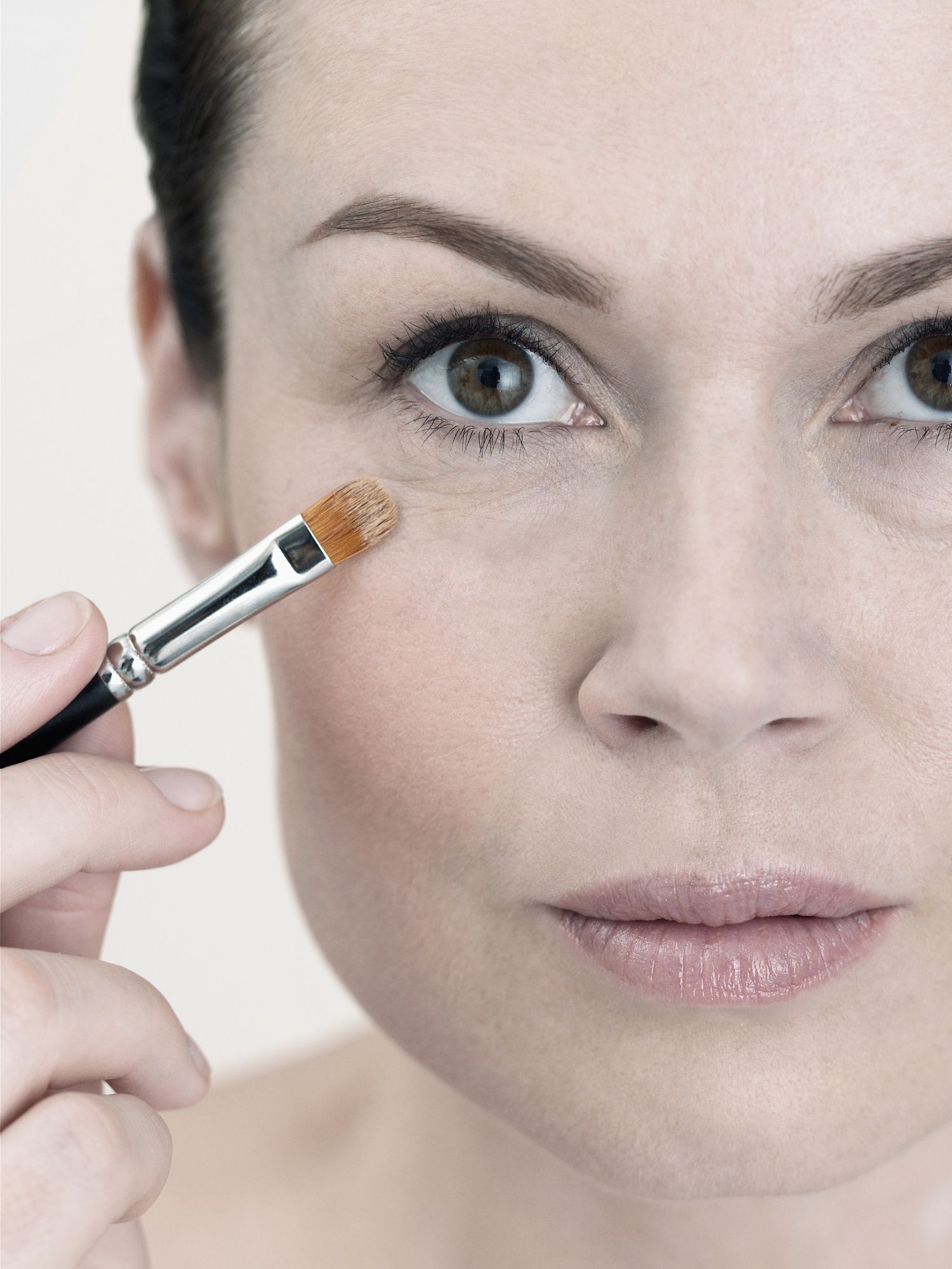
Concealer is a powerful tool for hiding dark circles and age spots, but heavy application under the eyes can instantly age the face. The skin under the eye is exceptionally thin and prone to dryness, making it a magnet for thick, dry concealers.
Select a lightweight, highly pigmented liquid concealer with a hydrating formula and a peach or salmon undertone to neutralize the blue or purple hues of dark circles. Apply the product only to the inner corners of the eyes where darkness is most concentrated, rather than sweeping it across the entire under-eye area. Blend outward gently using your ring finger or a small, soft blending brush. Avoid baking the under-eye area with heavy translucent powder, as this instantly dehydrates the delicate skin and accentuates crow's feet.
4. Embrace Cream and Liquid Blushes for a Youthful Flush
Powder blush can sit on top of dry skin, looking patchy and chalky. As natural facial volume diminishes with age, adding a healthy flush of color to the apples of the cheeks and blending slightly upward toward the temples lifts and warms the entire face.
Cream, liquid, and gel blushes offer superior performance for mature complexions. These formulas melt into the skin, providing a dewy, translucent flush that mimics natural blood circulation. Shades of soft rose, peach, and warm coral universally flatter mature skin tones, bringing life back to complexions that may appear sallow or dull. Tap the product onto the cheekbones using a synthetic stippling brush or your fingertips, building the color gradually to avoid harsh lines.
5. Reshape and Define Softened Brows
Eyebrows frame the face and provide structural support to facial expressions. Over time, hormonal shifts and over-tweezing in earlier decades can lead to thinning, sparse, or lightened brows. Filling in the brows restores balance and instantly lifts the eye area.
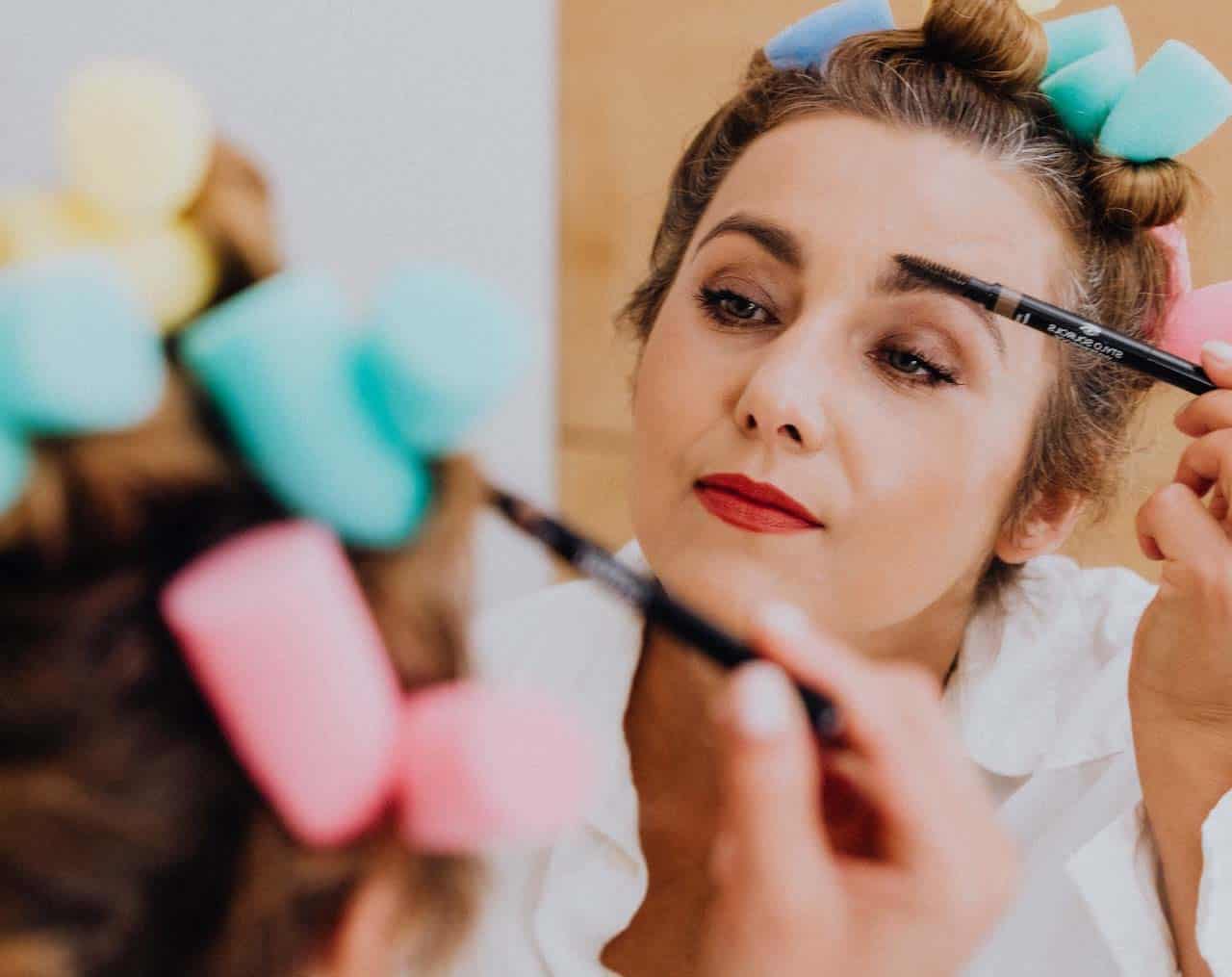
Avoid harsh, dark eyebrow pomades and rigid pencils that create a severe, drawn-on appearance. Instead, opt for a fine-tipped micro-pencil, an angled brush with a soft brow powder, or a tinted brow gel with fibers. Focus on filling in sparse areas with short, hair-like strokes that mimic natural growth. Choose a shade that matches your current hair color or is one shade lighter, ensuring the tail of the brow does not drop below the level of the inner corner, which can inadvertently create a sad or downturned expression.
6. Soften Eye Makeup and Pivot Away from Heavy Eyeliner
Heavy black liquid eyeliner and dramatic smoky eyes can weigh down hooded or aging eyelids, making the eyes look smaller and tired. As eyelids experience slight laxity, sharp lines become difficult to apply smoothly and can smudge easily.
Transition to softer definition by using a smudged pencil eyeliner in shades of soft brown, charcoal, or plum instead of stark black. Apply the color tightly along the upper lash line to create the illusion of thicker lashes without taking up valuable eyelid space. For eyeshadow, stick to matte or satin neutrals—such as taupe, soft beige, and warm terracotta—to contour the eye socket gently. Avoid frosty or heavy metallic shadows on the mobile lid, as they catch the light on crepey skin texture and emphasize hooded folds.
7. Elevate Lashes with Curling and Lengthening Mascara
Lashes often become finer and sparser with age. Well-defined lashes open up the eyes, adding brightness and expression without requiring heavy eyeshadow or eyeliner.
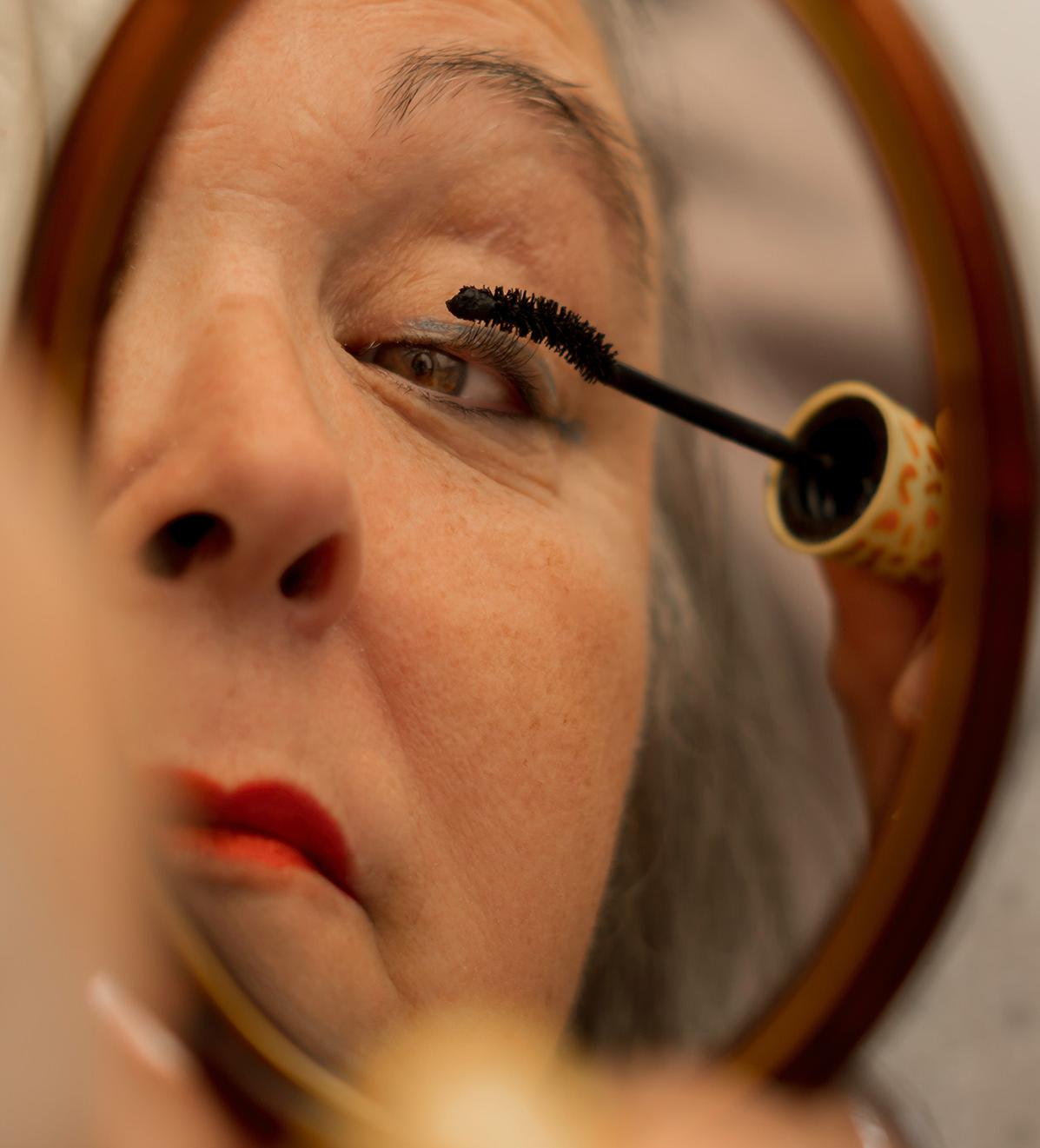
Begin by gently curling your lashes with an eyelash curler to open up the eye area. Follow with a lengthening and defining mascara rather than a heavy volumizing formula that can weigh down fine lashes and cause flaking. Waterproof formulas should generally be avoided on mature lashes, as they require aggressive rubbing to remove, leading to lash breakage and irritation of the delicate eye area. Focus the mascara application primarily on the roots and the center lashes to create a wide-eyed, uplifting effect.
8. Define and Hydrate Lips to Counteract Feathering
Natural collagen and hyaluronic acid levels in the lips decrease over time, leading to loss of volume, vertical lip lines (often called smoker's lines), and a faded lip border. Lipstick can easily bleed into these fine lines if applied without proper preparation.
Begin by hydrating the lips with a rich lip balm and gently exfoliating any flaky skin. Apply a waxy, clear lip liner or a nude pencil that matches your natural lip tone directly on the outer edge of your lips to create a barrier that prevents feathering. Choose satin, cream, or hydrating lipstick formulas in rose, berry, or soft mauve tones. Avoid ultra-matte liquid lipsticks, which shrink the appearance of the lips and highlight every vertical line.
9. Minimize or Completely Skip Setting Powder
While setting powder was once considered mandatory for locking makeup in place, heavy powder is the primary enemy of mature skin. Powder absorbs natural oils and moisture, turning a dewy, youthful complexion into a flat, dry, and aged surface.
If you have oily zones in the T-zone (forehead, nose, and chin), use a finely milled, translucent mineral powder applied extremely sparingly with a fluffy powder brush rather than a powder puff. Better yet, replace traditional powder with a hydrating setting spray containing glycerin or botanical extracts. A few spritzes of setting spray melt all the layers of makeup together, remove any powdery appearance, and lock the look in place with a natural, skin-like finish.
10. Master Strategic Lighting and Color Correction
As skin matures, undertones can shift due to changes in circulation, sun damage, and hormonal fluctuations. Understanding how to color-correct and work with natural lighting ensures your makeup looks balanced and harmonious in any environment.
If you struggle with persistent redness or broken capillaries, use a sheer green color-correcting primer locally before applying your foundation. For sallowness or dull, yellow undertones, a pale lavender corrector adds instant brightness. Always apply your makeup near natural daylight whenever possible; indoor yellow or fluorescent lighting can deceive the eye, leading to over-application of blush, foundation, or bronzer that looks heavy and unnatural once you step outside.
Comparison of Makeup Approaches: Traditional vs. Mature Skin
| Feature | Traditional / Younger Skin Approach | Mature Skin (Over 60) Approach |
|---|---|---|
| Skin Prep | Light moisturizer or direct primer application | Intensive multi-step hydration with humectants and ceramides |
| Foundation | Matte, full-coverage, long-wear liquids | Luminous, dewy, sheer-to-medium serum or tinted moisturizers |
| Concealer | Thick, high-coverage matte products baked with powder | Lightweight, hydrating liquid applied only where darkness concentrates |
| Cheeks | Pressed powder blushes layered heavily on apples | Cream or liquid blushes blended upward toward the temples |
| Eyes | Sharp black liquid liner and heavy frosted shadows | Soft brown smudged pencil and matte neutral contour shades |
| Lips | Drying matte liquid lipsticks with stark dark liners | Hydrating satin lipsticks paired with a clear anti-feathering liner |
| Setting | Heavy translucent baking powder across the entire face | Minimal fine powder on the T-zone only, finished with setting spray |
Frequently Asked Questions
How can I stop my foundation from settling into wrinkles?
Foundation settles into wrinkles primarily because the skin is dehydrated, causing it to drink the moisture out of the makeup, or because too much product was applied. To prevent this, ensure your skin is thoroughly moisturized with a nourishing cream before application. Use a damp makeup sponge to press a lightweight, hydrating fluid foundation or tinted moisturizer into the skin in thin layers, and avoid layering heavy powders over top.
Should I stop wearing eyeliner after age 60?
You do not need to stop wearing eyeliner, but you should adjust the technique and formula. Heavy, harsh black liquid lines can close off the eyes and look stark against aging skin. Instead, switch to a soft brown, gray, or plum eye pencil. Smudge the line gently along the upper lash line to create the illusion of denser lashes without creating a rigid graphic line.
What is the best way to keep lipstick from bleeding into lip lines?
Lipstick bleeds when vertical lines around the mouth capture the pigment. Combat this by prepping the lips with a hydrating balm, wiping away excess, and using a clear, waxy lip liner or a nude pencil to trace the exact border of your lips. This creates an invisible dam that prevents feathering. Additionally, choose satin or cream formulas rather than slick glosses or overly dry liquid lipsticks.
Can I still wear powder blush if I have dry skin over 60?
While powder blush is not strictly forbidden, it tends to cling to dry patches and accentuate skin texture on mature complexions. Cream, liquid, and gel blushes provide a much more youthful, skin-like finish because they melt into the hydration of the skin and impart a natural, healthy flush without looking powdery or chalky.
How do I choose the right foundation shade as skin tone changes?
As we age, skin often loses some of its natural warmth or develops surface redness and sun spots. Test foundation shades along your jawline in natural daylight rather than the back of your hand or under fluorescent store lights. Ensure the shade matches your neck and chest to avoid a masked line of demarcation, and consider switching to a slightly sheerer formula so minor seasonal shifts in skin tone blend naturally.
Final Recommendation
Updating your makeup routine after 60 is an empowering process that celebrates your features rather than masking them. Start by auditing your current cosmetic bag: replace heavy matte foundations and drying powders with hydrating, luminous formulas and cream-based colors. Focus your daily routine on intensive skincare preparation, strategic placement of lightweight products, and soft definition for your eyes and lips. By working with your skin's natural texture instead of fighting against it, you will achieve a radiant, effortless look that boosts confidence every single day.