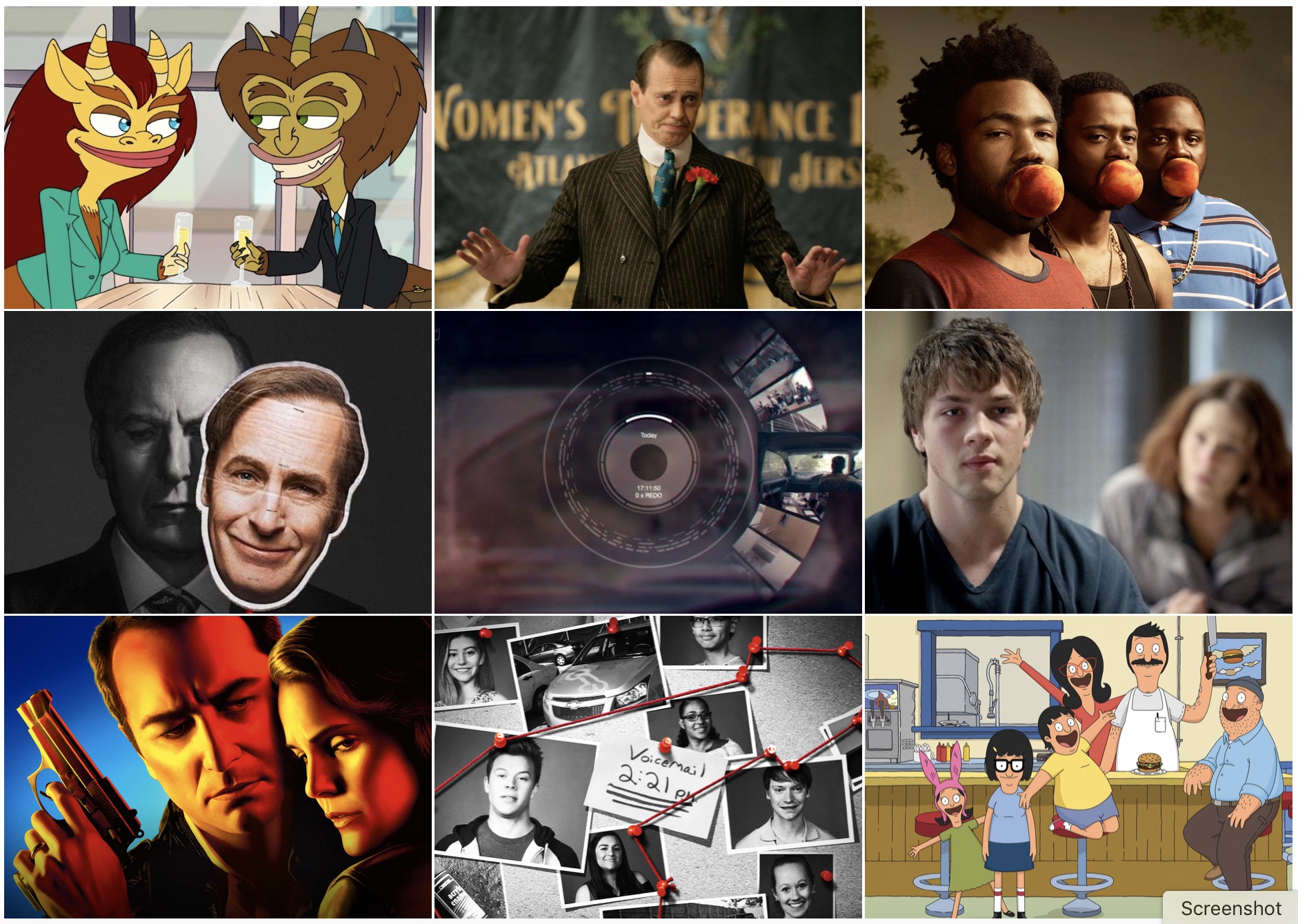
The 2010s marked a golden era of television characterized by the proliferation of prestige cable dramas, the rise of subscription video-on-demand services, and the fragmentation of traditional network schedules. Revisiting this decade reveals how storytelling styles evolved to favor serialized arcs, complex antiheroes, and high-concept premises that continue to influence modern media production.
Introduction to the Television Landscape of the 2010s
The television landscape of the 2010s was defined by a massive shift in how audiences consumed media. The decade began with traditional cable and network television dominating living rooms, but it concluded with streaming platforms like Netflix, Hulu, and Amazon Prime Video dictating cultural conversations. Shows from this era broke free from the traditional 22-episode procedural format, opting instead for tight, novelistic 8-to-13-episode seasons. This structural change allowed creators to explore morally ambiguous characters, intricate mythologies, and cinematic visuals that rivaled major motion pictures.
For viewers looking back, these series offer a time capsule of a transitional period in pop culture. They capture societal anxieties, technological shifts, and aesthetic trends of the early 21st century. Whether you are seeking intense psychological thrillers, groundbreaking comedies, or immersive science fiction, the television archives of the 2010s hold a wealth of content that remains remarkably fresh and engaging. Examining these titles requires looking past mere nostalgia to analyze how their production values, narrative frameworks, and thematic depths set new standards for the medium.
1. Breaking Bad (2008–2013)
While Breaking Bad premiered in the late 2000s, its cultural apex and defining narrative resolution occurred squarely in the first half of the 2010s. Created by Vince Gilligan, the series follows Walter White, an underpaid high school chemistry teacher in Albuquerque, New Mexico, who turns to manufacturing and selling methamphetamine after receiving a terminal lung cancer diagnosis.
The show's brilliance lies in its meticulous character transformation. Walter White evolves from a meek, sympathetic family man into Heisenberg, a ruthless, egomaniacal drug kingpin. Alongside Jesse Pinkman, played by Aaron Paul, the series explores the corrupting nature of pride and the devastating ripple effects of criminal enterprise on domestic life. Its tight plotting, iconic cinematography, and unforgettable performances make it a foundational pillar of 2010s prestige television.
2. Game of Thrones (2011–2019)
As the definitive fantasy epic of the decade, Game of Thrones adapted George R.R. Martin’s A Song of Ice and Fire book series into a global cultural phenomenon. Set on the fictional continents of Westeros and Essos, the series chronicles the violent dynastic struggles among noble families vying for the Iron Throne, all while an ancient, supernatural threat gathers beyond the northern wall.
The show revolutionized fantasy television by treating it with cinematic scale, gritty realism, and a willingness to kill off major characters without warning. Its sprawling ensemble cast, complex political machinations, and massive battle sequences defined event television for much of the decade. Despite controversies surrounding its final season, its impact on the economics and ambition of modern fantasy production remains unmatched.
3. Mad Men (2007–2015)
Created by Matthew Weiner, Mad Men captured the atmospheric aesthetic and social turbulence of the 1960s through the lens of the fictional Sterling Cooper advertising agency in New York City. The series centers on Donald Draper, a mysterious and talented ad executive hiding a complex past.
Rather than relying on fast-paced action, Mad Men prioritized character study, atmospheric detail, and historical verisimilitude. It meticulously charted the shifting cultural paradigms of the 1960s—including civil rights, women's liberation, and changing corporate structures—while probing the existential loneliness of its characters. Its precise art direction, sophisticated writing, and exploration of identity cemented its status as a masterclass in period drama.
4. Parks and Recreation (2009–2015)
Shifting into the realm of comedy, Parks and Recreation utilized a mockumentary format to satirize local government in the fictional town of Pawnee, Indiana. Led by Amy Poehler as the relentlessly optimistic and bureaucratic-loving Leslie Knope, the series evolved from an understated satire into a warm-hearted celebration of civic duty and deep friendship.
The show launched or elevated the careers of a stellar ensemble cast, including Nick Offerman, Aubrey Plaza, Chris Pratt, and Aziz Ansari. By focusing on the genuine camaraderie of its characters rather than cynical misanthropy, Parks and Rec provided a comforting, enduring blueprint for modern workplace comedies that prioritize empathy and optimism.
5. The Americans (2013–2018)
Set during the Cold War in the 1980s, The Americans follows Philip and Elizabeth Jennings, two Soviet KGB officers posing as a married American travel agent couple with two children living in the suburbs of Washington, D.C. Created by Joe Weisberg, a former CIA officer, the series grounded its espionage in meticulous tradecraft and psychological realism.
The tension of the show stems from the duality of the Jennings family: they must maintain a convincing facade of American domesticity while executing dangerous covert operations and managing handlers who view their loyalty with suspicion. Featuring stellar lead performances by Keri Russell and Matthew Rhys, the series examined marriage, ideology, and sacrifice with rare emotional resonance.
6. Atlanta (2016–2022)
Created by and starring Donald Glover, Atlanta defied easy genre categorization throughout its run. The series follows Earnest "Earn" Marks, a Princeton dropout who manages his cousin Alfred "Paper Boi" Miles as he navigates the Atlanta rap scene.
What began as a surrealist comedy quickly evolved into a biting social satire that blended magical realism, psychological horror, and sharp cultural commentary. Each episode functioned almost as a standalone short film, exploring race, class, fame, and surreal American absurdities. Its visual styling and willingness to take narrative risks made it one of the most innovative television projects of the decade.
7. Fleabag (2016–2019)
Written by and starring Phoebe Waller-Bridge, Fleabag originated as an award-winning one-woman Edinburgh Festival Fringe play before becoming a critically acclaimed British comedy-drama. The titular character is a dry-witted, sexually liberated, and grieving young woman navigating modern life in London while dealing with the fallout of a personal tragedy.
The show broke television conventions by having the protagonist regularly break the fourth wall, turning directly to the audience to share sarcastic asides and vulnerable truths that she hid from the other characters. Its exploration of grief, self-sabotage, and complex family dynamics, capped off by a universally praised second season featuring Andrew Scott as "The Priest," made it a modern classic.
8. Fargo (2014–Present)
Noah Hawley’s Fargo successfully translated the tone, regional flavor, and darkly comic sensibilities of Joel and Ethan Coen’s 1996 iconic film into an anthology format. Each season is set in a different era across the American Midwest, featuring a new cast of characters, a new criminal conspiracy, and ordinary people dragged into extraordinary webs of violence and deception.
The series distinguished itself through stellar casting—including Billy Bob Thornton, Kirsten Dunst, Ewan McGregor, and Chris Rock—paired with striking cinematography and sharp writing. It explored themes of morality, fate, and human absurdity against vast, snow-swept landscapes, maintaining high production values across every iteration.
9. BoJack Horseman (2014–2020)
Animated television matured significantly in the 2010s, and Raphael Bob-Waksberg’s BoJack Horseman stands as a prime example. Set in a universe where humans and anthropomorphic animals live side by side, the series follows BoJack Horseman, a washed-up 1990s sitcom star struggling with depression, self-loathing, and alcoholism in Hollywood.
Beneath its bright color palette, background animal puns, and biting satire of celebrity culture lay a brutally honest and emotionally devastating exploration of mental illness, trauma, and the difficulty of personal redemption. The series successfully balanced absurd slapstick comedy with deeply philosophical narratives about the human (and animal) condition.
10. Succession (2018–2023)
Concluding the decade's legacy of prestige television, Succession premiered in 2018 and quickly captured global attention. Created by Jesse Armstrong, the series focuses on the Roy family, owners of Waystar RoyCo, a massive global media and entertainment conglomerate, as they fight for control of the company amid uncertainty surrounding the health of patriarch Logan Roy.
Drawing comparisons to Shakespearean tragedy and corporate satire, Succession offered a piercing look at dynastic wealth, media influence, and generational trauma. Its razor-sharp dialogue, complex character dynamics, and stellar performances by Brian Cox, Jeremy Strong, Sarah Snook, and Kieran Culkin cemented its place in television history.
Comparative Overview of 2010s Television Gems
| Show Title | Primary Genre | Original Run | Key Themes | Notable Streaming Availability |
|---|---|---|---|---|
| Breaking Bad | Crime Drama | 2008–2013 | Morality, corruption, family | Netflix |
| Game of Thrones | Fantasy Epic | 2011–2019 | Power, politics, survival | Max |
| Mad Men | Period Drama | 2007–2015 | Identity, corporate culture, 1960s society | AMC+ / Select Platforms |
| Parks and Recreation | Comedy | 2009–2015 | Local government, friendship, optimism | Peacock |
| The Americans | Spy Thriller | 2013–2018 | Espionage, marriage, ideology | Hulu |
| Atlanta | Surrealist Comedy-Drama | 2016–2022 | Race, class, fame, surrealism | Hulu |
| Fleabag | Dark Comedy | 2016–2019 | Grief, family dynamics, self-sabotage | Prime Video |
| Fargo | Crime Anthology | 2014–Present | Morality, fate, human absurdity | Hulu |
| BoJack Horseman | Adult Animation | 2014–2020 | Depression, trauma, Hollywood satire | Netflix |
| Succession | Satirical Drama | 2018–2023 | Wealth, corporate power, family dysfunction | Max |
Frequently Asked Questions
Why are 2010s TV shows considered a turning point in media?
The 2010s marked the transition from traditional scheduled broadcasting to on-demand streaming models. This shift gave creators greater narrative freedom to experiment with serialized storytelling, higher production budgets, and complex, morally gray protagonists that traditional network television rarely accommodated.
Where can I watch these 2010s shows today?
Streaming rights fluctuate frequently between platforms like Netflix, Max, Hulu, Peacock, and Amazon Prime Video. Checking a dedicated aggregator service like JustWatch can help you locate the exact streaming provider for your region and preferred device.
Did all these shows premiere in the 2010s?
Some titles, such as Breaking Bad and Mad Men, began airing in the late 2000s. However, their cultural peaks, defining creative arcs, and major awards achievements occurred predominantly during the 2010s, cementing their association with that decade's television renaissance.
How did the streaming boom change television structure?
The rise of subscription services eliminated the traditional 22-episode network season requirement. Shows adopted shorter, 8-to-13-episode orders, allowing writers to construct cohesive, novelistic arcs without the filler episodes common in older procedural television.
Next Actions and Recommendations
To begin exploring or revisiting these titles, select one series that aligns with your current viewing mood—whether you want the high-stakes tension of The Americans, the sharp wit of Fleabag, or the epic scope of Game of Thrones. Verify the current streaming availability in your region, set aside uninterrupted time for serialized viewing, and experience firsthand how television storytelling evolved during one of its most transformative decades.