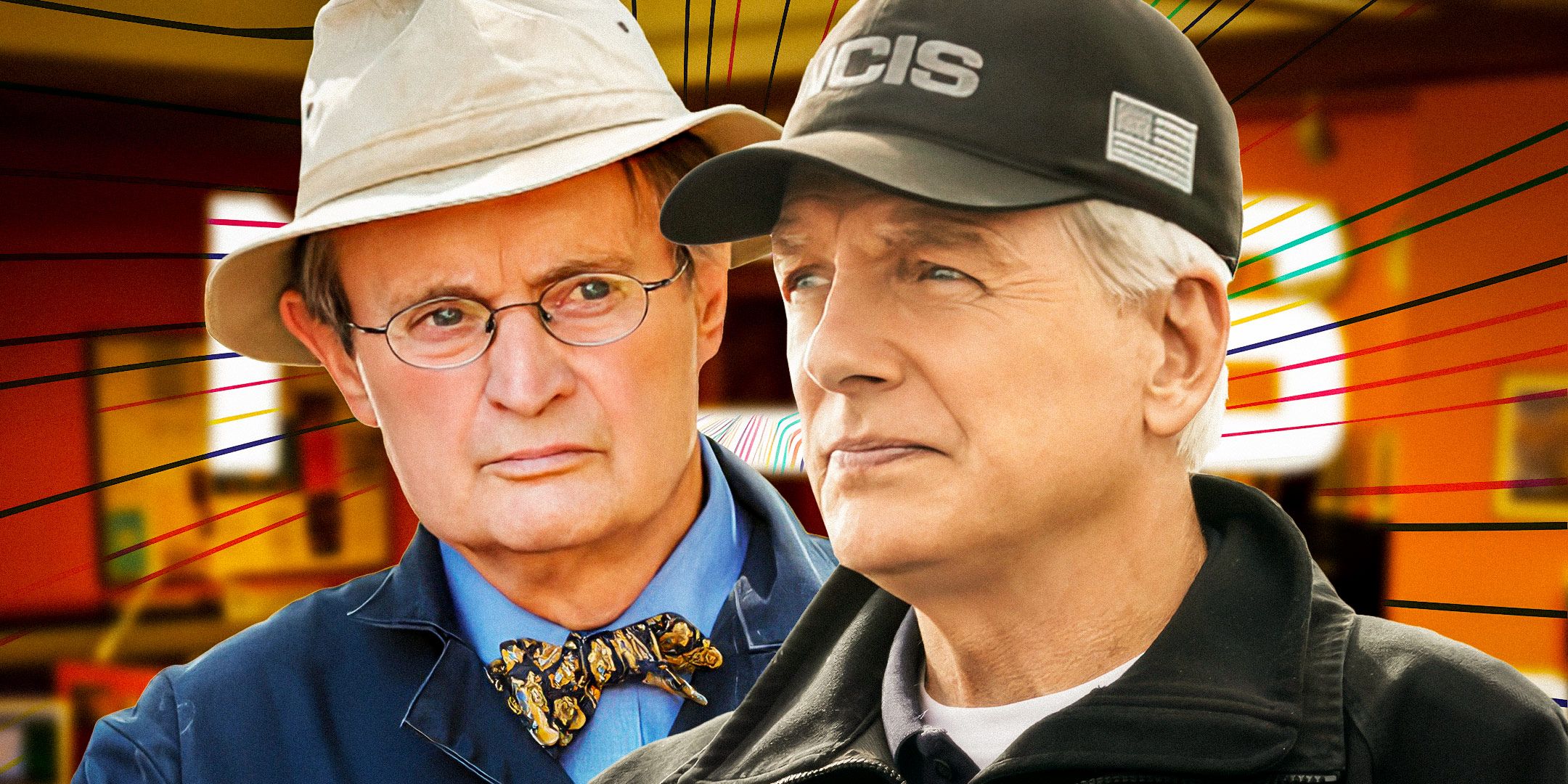
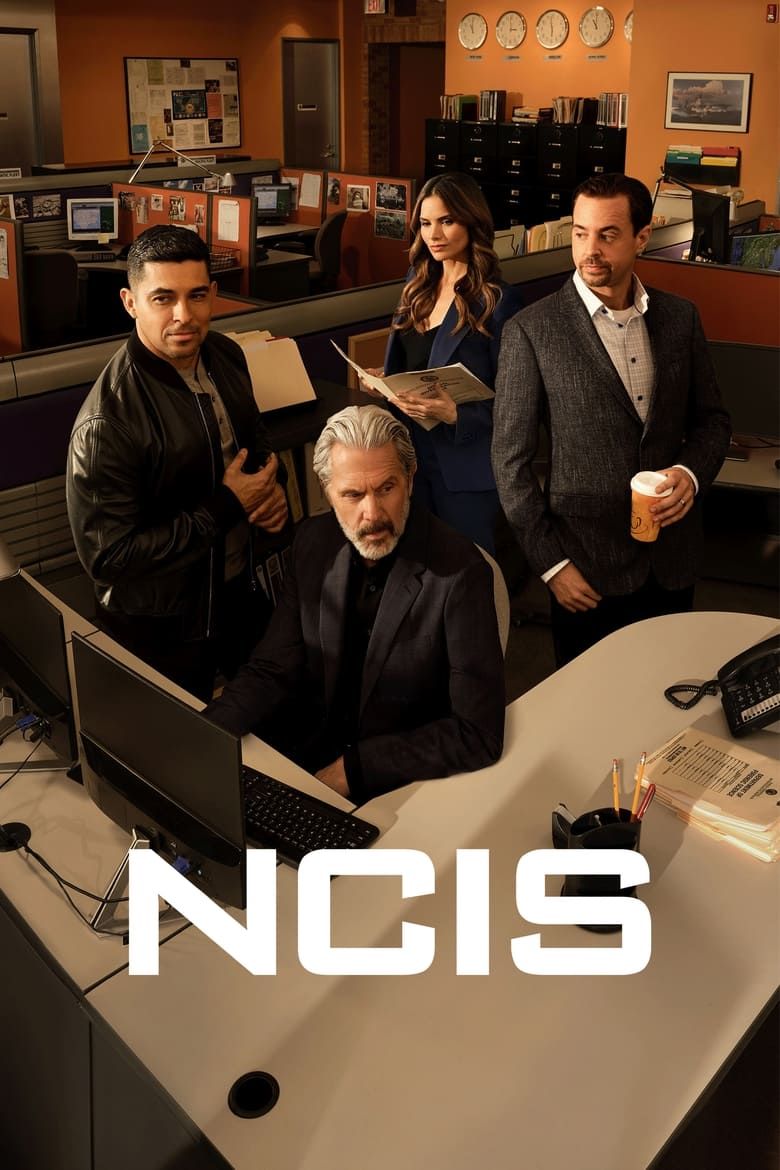
Navigational milestones in long-running television series often define the legacy, emotional weight, and narrative trajectory of the characters involved. For NCIS, the foundational military police procedural created by Donald P. Bellisario, certain defining moments shaped its identity over multiple decades, pivoting between high-stakes geopolitical threats, personal tragedies, and profound emotional developments that cemented its status as a television staple.
1. The Pilot Introduction: "Yankee White" (Season 1, Episode 1)
The genesis of NCIS began not in its own dedicated series, but through a backdoor pilot broadcast during the eighth season of JAG in episodes titled "Ice Queen" and "Meltdown." However, the official series premiere, "Yankee White," formally established the distinct dynamic between Special Agent Leroy Jethro Gibbs (Mark Harmon) and his newly assembled team.
Set aboard Air Force One, the episode introduced the unique jurisdiction of the Naval Criminal Investigative Service, a federal law enforcement agency operating outside standard military and civilian boundaries. This opening narrative immediately set the tone for the series: a blend of high-level national security intrigue, meticulous forensic investigation led by forensic scientist Abby Sciuto (Pauley Perrette), and the gruff, commanding presence of Gibbs. It established the core procedural framework while introducing audiences to Anthony DiNozzo (Michael Weatherly) and Dr. Donald "Ducky" Mallard (David McCallum), laying the bedrock for a twenty-plus-year television run.
2. The Loss of Kate Todd: "Twilight" (Season 2, Episode 23)
Television procedurals rarely dismantled their core casts in the dramatic fashion witnessed during the second-season finale, "Twilight." Special Agent Caitlin "Kate" Todd (Sasha Alexander), a former Secret Service agent recruited by Gibbs, was shot and killed by rogue Mossad terrorist Ari Haswari (Rudolf Martin) in the final moments of the episode.
This moment shattered the comforting illusion of invulnerability often found in network procedurals. The abruptness of Kate's death injected genuine stakes and long-term psychological trauma into the narrative. It transformed the series from a standard "crime-of-the-week" format into an ongoing serialized drama where characters bore physical and emotional scars from past encounters. The grief experienced by Gibbs, DiNozzo, and Abby permanently darkened the tone of subsequent seasons, elevating the emotional realism of the show.
3. The Introduction of Ziva David: "Kill Ari" (Season 3, Episodes 1 and 2)
Out of the ashes of Kate Todd’s murder rose one of the most significant character introductions in modern television history: Ziva David (Cote de Pablo). Debuting in the two-part third-season premiere, Ziva arrived as a Mossad officer and half-sister to Ari Haswari. Her eventual decision to kill Ari to protect Gibbs, followed by her transfer to the NCIS team as a liaison officer, reshaped the chemistry of the Major Case Response Team (MCRT).
Ziva brought international espionage elements, combat expertise, and a unique cultural perspective that contrasted sharply with DiNozzo’s American pop-culture references and Gibbs’ stoic leadership. Her dynamic with DiNozzo—often referred to by fans as "Tiva"—became a central narrative engine for the series over the next several years, blending romantic tension with deep mutual respect.
4. The Revelation of Gibbs’ Backstory: "Hiatus" (Season 3, Episodes 23 and 24)
For the first three seasons, Leroy Jethro Gibbs remained an enigma governed by strict rules, silent glares, and a mysterious past hinted at only through brief, fractured memories. The two-part third-season finale, "Hiatus," changed this permanently when an explosion left Gibbs in a coma with retrograde amnesia.
Through flashbacks, viewers learned the harrowing truth: Gibbs’ first wife, Shannon, and their eight-year-old daughter, Kelly, were murdered by a Mexican drug dealer named Pedro Hernandez in 1991 after witnessing a cartel murder. Gibbs subsequently tracked down and executed Hernandez, a secret that defined his relentless pursuit of justice and emotional detachment. This multi-layered revelation humanized the quintessential tough-guy archetype, explaining his obsession with rules and his paternal instincts toward his agents.
5. The Departure of Jenny Shepard: "Judgment Day" (Season 5, Episodes 18 and 19)
Director Jennifer "Jenny" Shepard (Lauren Holly) guided the agency through complex geopolitical webs, particularly involving her past operations in Europe with Gibbs. Her tenure culminated in the explosive fifth-season finale, "Judgment Day," where Shepard died in a fierce gunfight at an abandoned restaurant while protecting a classified secret.
Jenny’s death marked the end of an era, coinciding with the transition of showrunning duties from creator Donald P. Bellisario to longtime writer and producer Steven D. Binder and others. Her departure demonstrated that even high-ranking administrators within the agency were vulnerable to the consequences of their past choices, paving the way for Leon Vance (Rocky Carroll) to take over as Director and steer the agency into a more bureaucratic yet equally dangerous future.
6. The Departure of Ziva David: "London" (Season 11, Episode 2)
The exit of Cote de Pablo at the beginning of the eleventh season sent shockwaves through the fandom. In the episode "London," Ziva made the wrenching decision to leave NCIS and remain in Israel to seek peace and distance herself from the cycle of violence that defined her life.
Her farewell scene with Tony DiNozzo on the tarmac—featuring a lingering, emotionally charged kiss—resolved years of romantic tension without offering immediate domestic closure, leaving fans yearning for a definitive resolution. This departure forced the series to recalibrate its team dynamics, introducing new faces like Ellie Bishop (Emily Wickersham) while testing the emotional resilience of Anthony DiNozzo, who would eventually depart the show himself three seasons later to raise his daughter, Tali, whom he shared with Ziva.
7. The Departure of Anthony DiNozzo: "Family First" (Season 13, Episode 24)
After thirteen seasons as the emotional heart, comedic anchor, and veteran investigator of the team, Anthony DiNozzo bid farewell in the thirteenth-season finale, "Family First." The catalyst for his departure was earth-shattering: the revelation that Ziva supposedly perished in a mortar attack on her home in Israel orchestrated by Trent Kort, and that she and Tony shared a daughter named Tali.
This moment forced DiNozzo to mature instantly from a carefree, movie-quoting playboy into a dedicated single father. His exit not only marked the definitive end of the classic MCRT era alongside Gibbs and Ducky, but it also underscored the profound sacrifices required by characters living in the world of federal law enforcement.
8. Ducky’s Retirement and Passing of David McCallum: "The Stories We Leave Behind" (Season 21, Episode 2)
Dr. Donald "Ducky" Mallard served as the moral compass, historian, and resident medical examiner of NCIS for two decades. Following the passing of legendary actor David McCallum in September 2023, the series dedicated the second episode of its twenty-first season, "The Stories We Leave Behind," to honoring both the character and the actor.
The episode featured the team processing the peaceful in-sleep passing of Ducky while reviewing his profound impact on their lives. Co-written by actor Brian Dietzen (who plays Dr. Jimmy Palmer), the tribute served as a masterclass in meta-textual mourning, allowing fictional agents and real-world viewers alike to grieve a beloved fixture of television history with dignity, grace, and nostalgia.
9. Gibbs’ Final Farewell: "Greatest Gift" (Season 19, Episode 4)
After anchoring the franchise for nearly two decades, Mark Harmon stepped back from his full-time role as Leroy Jethro Gibbs in the fourth episode of the nineteenth season, appropriately titled "Greatest Gift." After solving a sprawling case involving a financial mogul and a contracted killer in Alaska, Gibbs chose not to return to Washington, D.C.
Instead, he elected to stay by a serene river in Alaska, fishing in peaceful solitude for the first time in his life unburdened by badge, gun, or the ghosts of his past. This quiet, understated exit contrasted sharply with the explosive departures of other characters, providing Gibbs with a hard-earned sense of internal peace rather than a dramatic death, signaling that the franchise could evolve beyond its foundational patriarch.
10. The Milestone 1000th Episode of the Franchise: "A Thousand Yards" (Season 21, Episode 7)
Television history was made when the broader NCIS universe reached its milestone one-thousandth overall episode across all series (including Los Angeles, New Orleans, Hawai'i, and Sydney). Titled "A Thousand Yards," the seventh episode of the twenty-first season celebrated the shared continuity and interconnected nature of the global investigative network.
The narrative forced the current Washington team to confront a high-tech domestic threat targeting the agency itself, bringing back legacy characters and establishing thematic links to past investigations. This landmark moment verified the extraordinary longevity of the procedural format, proving that a single backdoor pilot on JAG could blossom into a multibillion-dollar global television franchise capable of sustaining multi-generational audiences.
Comparative Evolution of NCIS Eras
| Era / Phase | Key Seasons | Core Leadership | Defining Characteristics | Major Turning Points |
|---|---|---|---|---|
| The Golden Era | Seasons 1–5 | Gibbs, Jenny Shepard | Strict procedural structure, heavy banter, raw investigations. | Kate Todd's death, Gibbs' memory recovery. |
| The Transition Era | Seasons 6–13 | Gibbs, Leon Vance | Serialization of character arcs, international espionage, deep emotional stakes. | Ziva and Tony's departures. |
| The Modern Era | Seasons 14–19 | Gibbs, Leon Vance | Team restructuring, shifting personnel, modernization of forensic tech. | Introduction of new agents, Gibbs' Alaska retirement. |
| The Legacy Era | Seasons 20–Present | Parker, Leon Vance | Multi-generational storytelling, franchise expansion, honoring past pillars. | Ducky's tribute episode, 1000th franchise milestone. |
Frequently Asked Questions
What inspired the creation of NCIS?
NCIS was created by Donald P. Bellisario as a spin-off of the long-running legal drama JAG. The concept was designed to focus more heavily on gritty, ground-level forensic investigations and military police work rather than courtroom trials, utilizing two backdoor pilot episodes in JAG Season 8 to launch the new property.
Why did Mark Harmon leave NCIS as a regular cast member?
Mark Harmon departed his full-time role during the nineteenth season primarily to seek new creative challenges and spend more time with his family after portraying Leroy Jethro Gibbs for nearly twenty years. However, he remained involved as an executive producer and left the door open for potential guest appearances.
Is Ziva David alive in the NCIS universe?
Yes. Although it was initially believed that Ziva died in a mortar attack in Israel during the thirteenth season, the seventeenth-season arc revealed that she faked her death to protect her family from a dangerous mercenary group. After clearing her name and reuniting with Tony off-screen, her survival became an accepted part of series lore.
Who is the current leader of the main NCIS team?
Following the departure of Leroy Jethro Gibbs, Special Agent Alden Parker (played by Gary Cole), a former FBI senior special agent with a penchant for baked goods and unorthodox interrogation methods, took over as the head of the Major Case Response Team starting in the nineteenth season.
How many spin-offs does the NCIS franchise have?
The franchise expanded significantly over the years, spawning multiple international and domestic spin-offs including NCIS: Los Angeles, NCIS: New Orleans, NCIS: Hawai'i, NCIS: Sydney, and prequel series such as NCIS: Origins, which explores Gibbs' early days as a rookie investigator.
Conclusion and Next Actions
Examining the defining moments of NCIS reveals why the franchise endures as a cultural touchstone. Whether you are rewatching classic episodes to trace the evolution of the MCRT or exploring newer additions to the television universe, understanding these narrative milestones enriches the viewing experience. To dive deeper, consider revisiting key multi-part season finales such as "Hiatus" or exploring the franchise's expanding catalog of spin-offs to see how the legacy of Naval criminal investigation continues to grow.