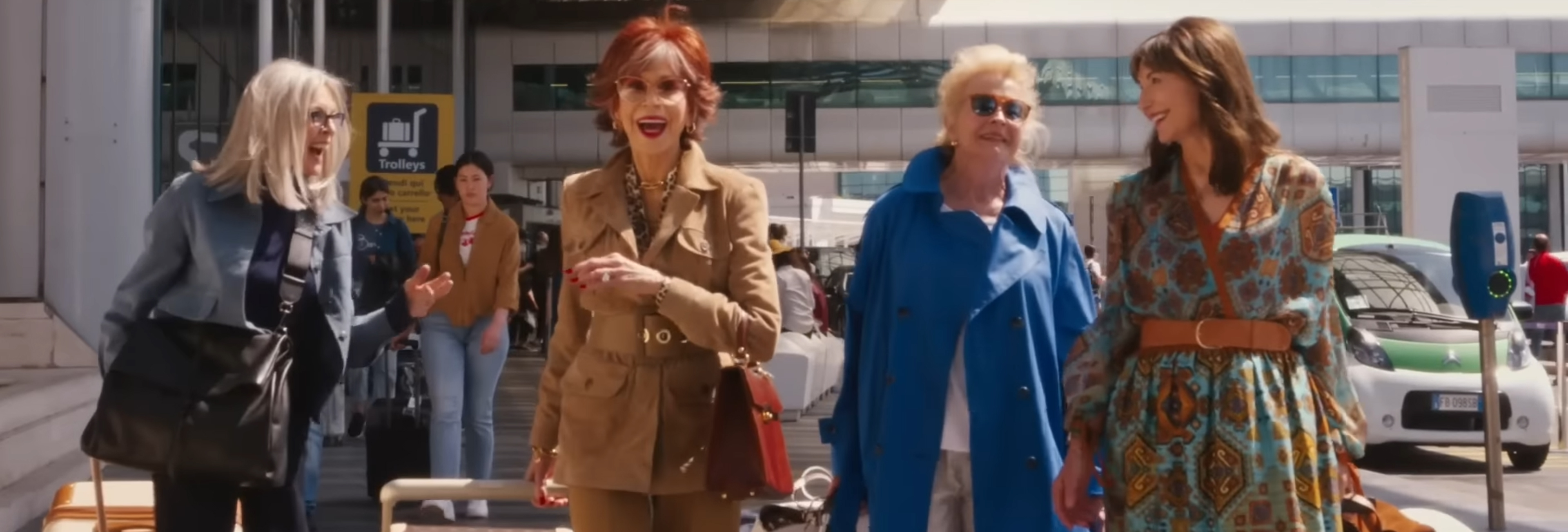
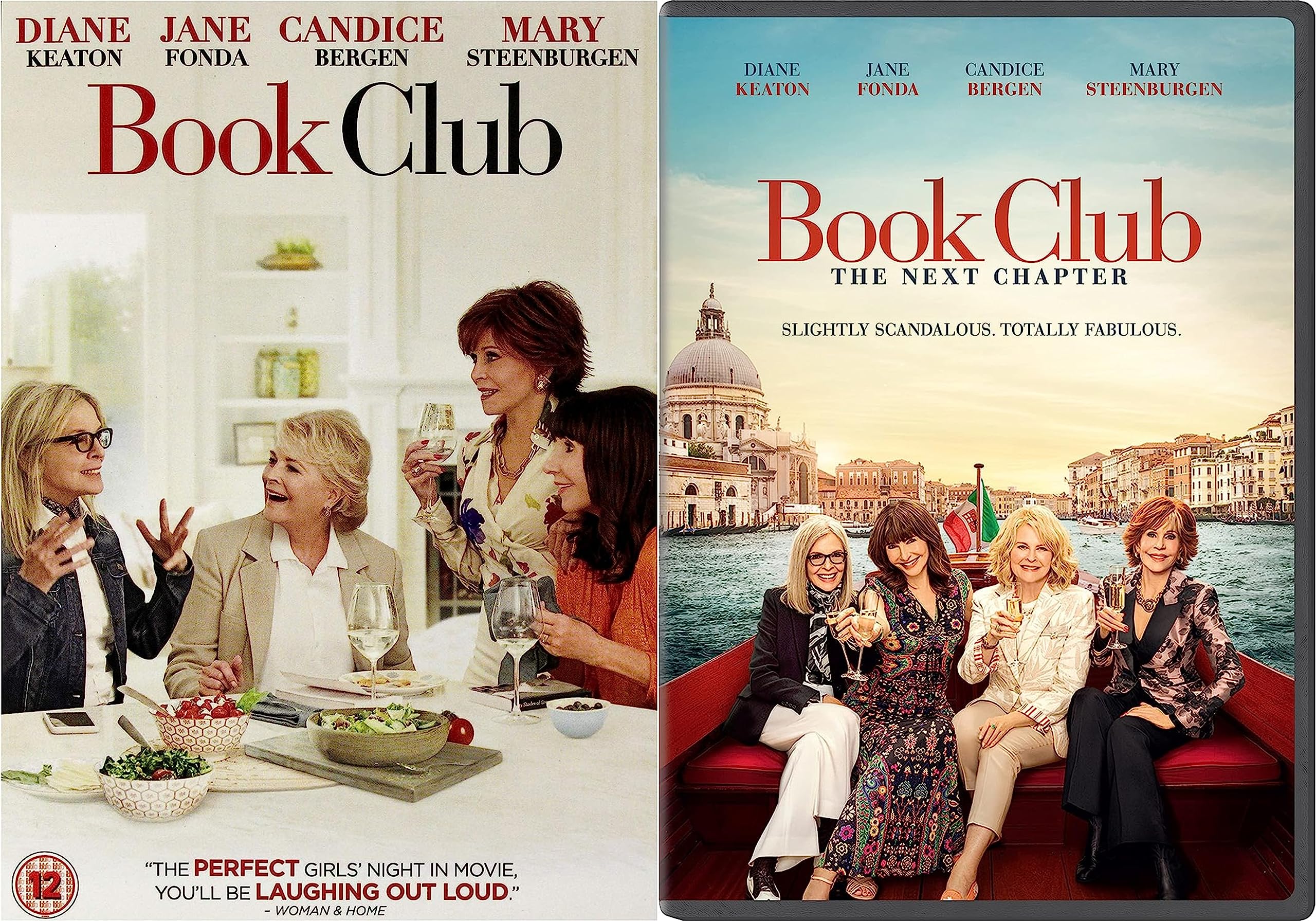
The 2018 Book Club movie trailer serves as a quintessential example of how effective marketing can define a film’s identity. By highlighting the ensemble cast, the central premise of four lifelong friends rediscovering their passion through literature, and the comedic chemistry between Jane Fonda, Diane Keaton, Candice Bergen, and Mary Steenburgen, the trailer established the movie as an uplifting, star-driven romantic comedy that resonated with adult audiences globally.
Understanding the Role of the 2018 Book Club Trailer
In the landscape of modern cinema marketing, a trailer is far more than a simple preview; it is a strategic tool designed to distill a feature-length narrative into a two-to-three-minute emotional hook. When Paramount Pictures released the promotional footage for Book Club in early 2018, the industry was looking for projects that could bridge the gap between traditional theatrical appeal and the evolving demographics of the movie-going public.
The trailer for Book Club effectively accomplished this by focusing on the "spark" of the narrative: the introduction of E.L. James’s Fifty Shades of Grey to the protagonists’ monthly book club. This central plot device provided a comedic contrast to the characters' established lifestyles, allowing the marketing team to frame the movie as both a celebration of female friendship and a humorous exploration of aging and intimacy. By emphasizing the contrast between the ladies' refined lives and the explicit content of the book, the trailer created a compelling "fish out of water" scenario that appealed to the demographic of mature women, a group that is often underserved by typical blockbuster marketing.
Anatomy of the Promotional Campaign
The success of the 2018 Book Club trailer can be attributed to its deliberate structure, which prioritizes character dynamics over complex plot points. Trailers for films of this genre—the ensemble romantic comedy—often rely on a specific cadence: the setup of the status quo, the inciting incident that disrupts that status quo, and a series of rapid-fire jokes showcasing the ensemble's collective charm.
In the case of this trailer, the editing team highlighted each lead actress’s unique archetype:
- The Meticulous Planner: Often represented by characters like Diane Keaton’s Diane, who is shown navigating the fears of change and spontaneity.
- The Professional: Candice Bergen’s Sharon, whose arc involves re-entering the dating world after years of focus on career and divorce.
- The Free Spirit: Jane Fonda’s Vivian, who brings an air of sophistication and sexual liberation to the group.
- The Nurturer: Mary Steenburgen’s Carol, who seeks to reignite the passion in her long-term marriage.
By clearly defining these roles, the trailer allowed potential viewers to identify with a specific character, thereby increasing the likelihood of ticket sales. The editing pace, interspersed with upbeat, classic music, reinforced a sense of optimism and lightheartedness, which was vital for positioning the film as a "feel-good" experience.
Technical and Creative Marketing Strategies
The marketing strategy for Book Club in 2018 utilized what is known in the industry as "Star Power Branding." With four legendary actresses headlining the film, the trailer leaned heavily into their established public personas. For example, Jane Fonda’s history of portraying strong, independent women was used to add weight to her character’s pursuit of a new relationship.
From a technical standpoint, the color grading and sound mixing in the trailer were designed to feel warm, inviting, and sophisticated. The trailers avoided the dark, moody aesthetics of action or suspense films, opting instead for bright, clean visuals that reflected the comfortable suburban and urban settings of the film. This visual consistency is crucial for audience expectations; it signals to the viewer that the film is a low-stakes, high-reward entertainment experience.
Analyzing the Cultural Context of 2018
To fully appreciate why the trailer was so effective, one must look at the cultural climate of 2018. During this period, there was an increasing discourse regarding the representation of older women on screen. Many films centered on youth and transition, leaving a gap for stories that focused on life after 60. The Book Club trailer tapped into this market demand by presenting a narrative that viewed this stage of life as a period of renewed possibility, rather than one of decline.
The inclusion of the Fifty Shades subplot was a masterstroke of viral marketing. It generated a significant amount of "word of mouth" before the film even premiered, as it provided a clear, relatable, and slightly edgy premise that people could easily discuss. The trailer succeeded in making the movie feel culturally relevant and daring while maintaining its status as a comfortable, accessible mainstream comedy.
Comparative Look at Similar Marketing Approaches
The marketing approach used for Book Club shares similarities with other "ensemble friendship" films. However, it distinguishes itself through its specific focus on the intersection of literature and lifestyle. The following table provides a comparison of how different promotional elements define these types of films.
| Feature | Book Club (2018) | Typical Rom-Com | Ensemble Drama |
|---|---|---|---|
| Primary Hook | Literary catalyst | Relationship obstacle | Conflict/Resolution |
| Target Demo | Mature Women (40+) | Youth/Young Adults | Mixed/Adults |
| Trailer Pace | Moderate/Conversational | Fast/High Energy | Slow/Reflective |
| Marketing Focus | Star chemistry | Meet-cute moments | Character depth |
This comparison highlights that while Book Club fits into the broad category of romantic comedies, its trailer was specifically tuned to leverage the legacy of its stars and the specific, relatable dilemma of the characters, which is a sophisticated approach compared to generic rom-com marketing.
Common Questions Regarding the Film and Its Promotion
Did the 2018 Book Club trailer accurately represent the movie's content? Yes, the trailer is widely considered to be an accurate reflection of the film’s tone and narrative. It correctly identified the balance between the comedic elements of the book club meetings and the more sentimental aspects of the characters' individual romantic journeys. It did not rely on "bait and switch" tactics, ensuring that audiences who arrived at the theater based on the trailer were satisfied with the actual product.
Why was the book "Fifty Shades of Grey" used in the plot? The choice of this specific book was essential for the narrative arc. It acted as a catalyst for the characters to step outside of their comfort zones. By using a book that was globally recognized for its explicit content, the filmmakers created an immediate and universally understood reason for the characters to experience a shift in their perceptions of love, sex, and aging.
What impact did the cast have on the trailer's reach? The ensemble cast was the primary driver of interest. By featuring legends of cinema in a single project, the trailer gained instant credibility and broad appeal across different generations. Fans of Fonda, Keaton, Bergen, and Steenburgen were naturally drawn to the film regardless of the premise, and the trailer solidified this by showcasing their iconic on-screen chemistry.
Is the 2018 trailer still relevant in 2026? While the film itself is now a completed work, the trailer remains a significant case study for marketing professionals. It demonstrates the enduring power of character-driven narratives and the importance of identifying a specific target audience. As of 2026, the trailer is frequently cited in film studies and marketing workshops as an example of successful demographic targeting.
How does this trailer compare to modern digital marketing trends? In 2026, many trailers are optimized for short-form social media platforms, often featuring "teaser" cuts that are less than 30 seconds long. The 2018 Book Club trailer, by contrast, follows the traditional long-form format. While the distribution channels have changed over the last eight years, the core principle—highlighting the "spark" of the story—remains a fundamental tenet of effective trailer editing.
Practical Implications for Viewers and Marketers
For those interested in the film industry, the 2018 Book Club trailer serves as a template for how to market a movie that defies conventional trends. It demonstrates that when a story is grounded in strong, relatable themes, the marketing does not need to rely on gimmicks or intense action sequences. Instead, it can succeed by focusing on character authenticity and star power.
If you are looking to analyze film marketing, consider how the trailer structures its narrative flow. Watch it specifically for the "beats"—the moments where the music changes, the jokes are delivered, and the stakes are introduced. These technical decisions are not accidental; they are highly engineered to guide the audience’s emotional response, turning a casual viewer into a dedicated ticket-purchaser.
For fans of the movie, the trailer remains a nostalgic look back at the beginning of a successful franchise. It captures the initial enthusiasm that helped propel the film to its eventual box-office success. When re-watching the trailer, observe how each scene functions as an invitation into the world of these four women, proving that even a simple premise, when paired with the right talent and a clear vision, can create a lasting impact on the cinematic landscape.
To continue your study of this film or similar projects, seek out official "behind the scenes" featurettes that often accompany digital or physical releases. These materials often clarify the intent of the director and the marketing team, providing further insight into how the trailer was conceptualized and executed during the 2018 production cycle.