When architecting and deploying cloud infrastructure within Amazon Web Services, selecting the eu-west-1 Region (Ireland) involves balancing strict data residency mandates, competitive latency profiles across Europe, robust availability zone topologies, and distinct cost parameters compared to alternative continental hubs.
Introduction to the eu-west-1 Region
Choosing a primary cloud region dictates the foundational performance, compliance standing, and operational expenditure of modern distributed applications. Situated in Dublin, Ireland, the eu-west-1 AWS Region represents one of the oldest, largest, and most mature infrastructure footprints outside of North America. Organizations frequently select this region to anchor their European operations due to its historically rich service availability, favorable business environment, and robust connectivity to both North American backbones and mainland European Internet Exchange Points (IXPs).
However, utilizing eu-west-1 requires careful technical planning. Engineering teams must navigate the shifting post-Brexit legal landscape governing data transfers between the United Kingdom and the European Union, evaluate latency implications for end-users located in Southern or Eastern Europe, and account for capacity constraints that occasionally impact resource provisioning during periods of rapid regional expansion. Understanding these variables ensures that architectures deployed in Ireland remain scalable, compliant, and cost-effective over their lifecycle.
Regulatory Alignment and Data Sovereignty
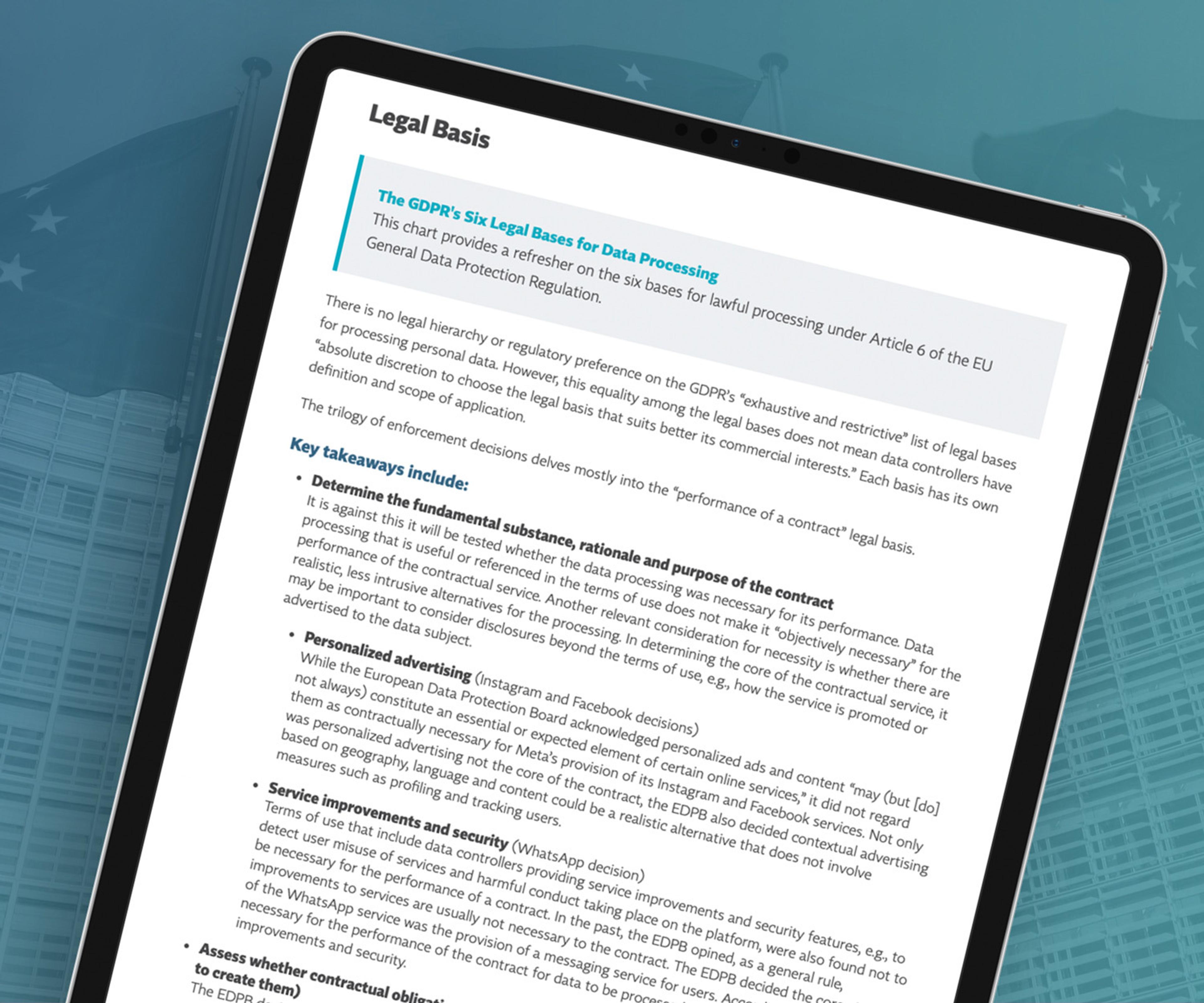
Data protection and regulatory compliance represent the foremost drivers for selecting a European cloud region. Because Ireland is a member state of the European Union, resources deployed within eu-west-1 fall directly under the jurisdiction of the General Data Protection Regulation (GDPR). This compliance alignment makes the region an ideal landing zone for enterprises processing sensitive personally identifiable information (PII) belonging to EU citizens.
- Data Sovereignty
- EU GDPR Compliance
- Full adherence to EU data privacy laws
- Post-Brexit UK-EU
- Cross-border data flow adequacy arrangements
- EU GDPR Compliance
However, organizations must look beyond basic geographic placement. When designing compliance frameworks in eu-west-1, architects should consider the following legal and operational factors:
- Data Residency vs. Data Localization: While
eu-west-1ensures data rests physically within the borders of the European Union, businesses operating across multiple jurisdictions must implement robust encryption keys managed via AWS Key Management Service (KMS) with strict access policies. - UK-EU Data Flows: Given its physical proximity to the United Kingdom,
eu-west-1frequently acts as a bridge for hybrid architectures spanning London (eu-west-2) and Dublin. Teams must monitor the stability of the EU-UK data adequacy agreements to ensure cross-border data replication complies with evolving international trade and privacy stipulations. - Sector-Specific Regulations: Financial institutions operating under European Banking Authority (EBA) guidelines or healthcare providers bound by national medical data mandates must verify whether Irish data protection supervisory authorities require supplementary administrative or technical safeguards.
Network Performance and Latency Characteristics
Network latency dictates user experience for web applications, real-time streaming services, and transactional databases. The eu-west-1 Region benefits from direct, high-capacity undersea fiber-optic cables connecting Ireland directly to North America (via New York and Halifax) as well as mainland Europe. This makes Dublin an exceptional peering point for transatlantic traffic and enterprises serving global audiences that intersect across the Atlantic.
For users physically located in Western Europe—such as the UK, France, Spain, and parts of Germany—eu-west-1 delivers highly competitive round-trip times (RTT). Nevertheless, network engineers must benchmark performance against alternative continental regions:
- Comparison with Frankfurt (
eu-central-1): Frankfurt sits closer to the geographic center of Europe and major continental IXPs like DE-CIX. Applications requiring ultra-low latency (<10ms) for users in Central and Eastern Europe often achieve better performance ineu-central-1than ineu-west-1. - Cross-Region Replication: When designing disaster recovery (DR) strategies, replication pipelines running between
eu-west-1andeu-west-2(London) oreu-central-1benefit from dedicated AWS backbone networks, maintaining predictable throughput even during peak global internet congestion.
Infrastructure Topology and Availability Zones
High availability depends upon multi-zone resilience. The eu-west-1 Region features a mature multi-Availability Zone (AZ) architecture. Each AZ is engineered to be physically isolated from failures in other zones while maintaining high-bandwidth, low-latency network connectivity to neighboring zones within the same region.
| Attribute | eu-west-1 (Ireland) |
eu-central-1 (Frankfurt) |
eu-west-3 (Paris) |
|---|---|---|---|
| Launch Year | 2007 | 2014 | 2017 |
| Availability Zones | 3 AZs | 3 AZs | 3 AZs |
| Primary Advantage | Mature service parity, strong transatlantic connectivity | Central geographic location, extensive local peering | Strict local French data hosting preferences |
| Common Bottleneck | Legacy capacity constraints on specific instance types | High demand leading to occasional capacity limits | Smaller initial service catalog footprint |
Architects deploying mission-critical workloads in eu-west-1 should note specific structural nuances:
- AZ Distribution and Power Grids: The distinct physical locations of data centers across the Dublin metropolitan area mean that power grid dependencies and local utility providers are shared across certain zones. Mission-critical architectures should verify independent utility feeds.
- Service Availability Parity: Because
eu-west-1is a Tier-1 AWS region, new features, instance families, and managed services almost always launch here or in North American regions first. Teams rarely face the service lag common in newer or localized European regions. - Capacity Management: Due to its popularity as a primary European hub for multinational corporations, certain resource-intensive instance families (such as specialized GPU or high-memory bare-metal instances) may experience localized capacity constraints during high-demand periods. Utilizing AWS Capacity Reservations is recommended for production environments.
Cost Considerations and Pricing Dynamics
Cloud economics are heavily influenced by regional pricing models. AWS prices infrastructure independently for each geographic region based on local energy costs, real estate expenses, tax structures, and operational overhead.
When budgeting for eu-west-1, financial operations (FinOps) teams must evaluate:
- Compute and Storage Premiums: Historically, pricing in European AWS regions runs slightly higher than Virginia (
us-east-1) due to higher regional energy costs. However,eu-west-1is frequently priced competitively relative to other European regions like Stockholm (eu-north-1) or Milan (eu-south-1). - Data Transfer Out (DTO) Costs: Moving data out of
eu-west-1to the public internet follows standard AWS European tiering. Enterprises transferring massive volumes of analytics or media data should evaluate utilizing Amazon CloudFront content delivery networks to cache assets at edge locations, thereby reducing origin fetch costs from the Dublin data centers. - Currency Fluctuations: Billing for
eu-west-1accounts is typically denominated in United States Dollars (USD) or Euros (EUR), depending on the enterprise agreement. Organizations operating with local currencies outside the Eurozone must account for foreign exchange volatility in their long-term operational forecasts.
Common Architecture Pitfalls and Mitigation Strategies
Migrating or launching workloads in eu-west-1 without adequate preparation frequently leads to performance bottlenecks, compliance oversights, and unexpected operational expenses. Avoiding these common mistakes ensures a resilient cloud deployment.
Relying on a Single Availability Zone
Deploying production resources within a single AZ in eu-west-1 exposes applications to localized infrastructure failures.
- Mitigation: Always distribute Auto Scaling groups across all available AZs in the region and configure multi-AZ deployments for managed databases like Amazon RDS or Amazon Aurora.
Ignoring Local Latency for Continental Users
Assuming that an application hosted in Dublin provides uniform performance across the entire European continent can degrade user satisfaction.
- Mitigation: Implement real-user monitoring (RUM) to measure actual latency from target demographics. Offload static content to edge caching layers and consider multi-region active-active architectures if user bases are heavily concentrated in Eastern or Southeastern Europe.
Failing to Plan for Instance Capacity Limits
Assuming on-demand availability of specialized compute instances can stall deployments during peak enterprise purchasing cycles.
- Mitigation: Establish automated fallback instance types within your Launch Templates and leverage Savings Plans or Reserved Instances to secure capacity commitments well in advance.
Frequently Asked Questions
Is eu-west-1 fully compliant with GDPR regulations?
Yes. The eu-west-1 Region is physically located in Dublin, Ireland, an EU member state. Data stored and processed within this region remains subject to the stringent data protection requirements outlined in the European Union's General Data Protection Regulation. However, compliance is a shared responsibility; customers must still configure encryption, access controls, and data lifecycle policies correctly.
How does eu-west-1 compare to eu-central-1 in terms of latency?
eu-west-1 (Ireland) provides superior latency for users in the United Kingdom, Ireland, and Western Europe, as well as highly optimized transatlantic connectivity. Conversely, eu-central-1 (Frankfurt) offers better latency for users located in Central, Eastern, and Northern Europe due to its central geographic location and proximity to major continental internet exchange points.
Can I run a multi-region architecture combining eu-west-1 and us-east-1?
Yes. Many global organizations pair eu-west-1 with us-east-1 to establish a follow-the-sun operational model or robust disaster recovery framework. AWS provides private, high-speed backbone connections between these regions, enabling secure database replication and low-latency synchronization for global applications.
Are all AWS services available in eu-west-1?
As a Tier-1 foundational region, eu-west-1 boasts one of the most comprehensive service catalogs in the global AWS ecosystem. The vast majority of newly released compute, storage, database, and artificial intelligence services launch in Ireland or North American regions first. Very niche or newly announced edge services may occasionally experience brief deployment delays.
What are the main cost drivers when operating in eu-west-1?
The primary cost drivers include compute instances (EC2), managed database storage (RDS/Aurora), and data transfer out to the public internet. Regional power costs and operational overhead in Ireland result in pricing that is typically slightly higher than North American regions, making resource optimization and automated scheduling critical for cost management.
Conclusion and Next Actions
Deploying workloads in the eu-west-1 Region offers a powerful combination of regulatory compliance, mature infrastructure stability, and exceptional connectivity. To maximize the value of this environment, technical teams should audit existing architectural blueprints against multi-AZ resilience standards, evaluate data transfer pathways to minimize egress expenses, and establish robust monitoring tools to track real-user latency across target European markets. Begin by reviewing current instance allocations and validating that regional data residency configurations fully align with organizational compliance mandates.