The P1326 diagnostic trouble code on a Hyundai Sonata specifically indicates that the Engine Control Module (ECM) has detected excessive vibrations within the engine block, triggering the Knock Sensor Detection System (KSDS). This is a critical safety mechanism designed to protect the engine from catastrophic failure by initiating a restricted "limp mode," necessitating immediate diagnostic attention and professional evaluation.
Understanding the Role of the KSDS
The P1326 code is inextricably linked to the Knock Sensor Detection System (KSDS). Hyundai introduced this software update and monitoring protocol to proactively identify potential rod bearing failure in specific Theta II engine models. The knock sensor, traditionally used to detect pre-ignition or "pinging" by sensing high-frequency vibrations in the cylinder head, was repurposed through this software update to monitor for the specific frequency signature of a failing rod bearing.
When the sensor detects vibrations outside of the standard operating parameters—often described as a rhythmic tapping or knocking noise originating from the lower engine block—the ECM logs the P1326 code. The system is calibrated to be highly sensitive to prevent further damage. Consequently, the vehicle will immediately enter a restricted power mode, which limits engine RPM and torque to prevent the engine from destroying itself under load.
Contextualizing the P1326 Code
It is important to understand that the P1326 code is not merely a sensor error; it is a symptom of a systemic safety intervention. Because this code relates to a known engine design challenge, Hyundai has issued various Service Campaigns and extended warranties for affected vehicles. If your Sonata is currently triggering this light, you are experiencing the vehicle's attempt to mitigate a major mechanical internal breakdown.
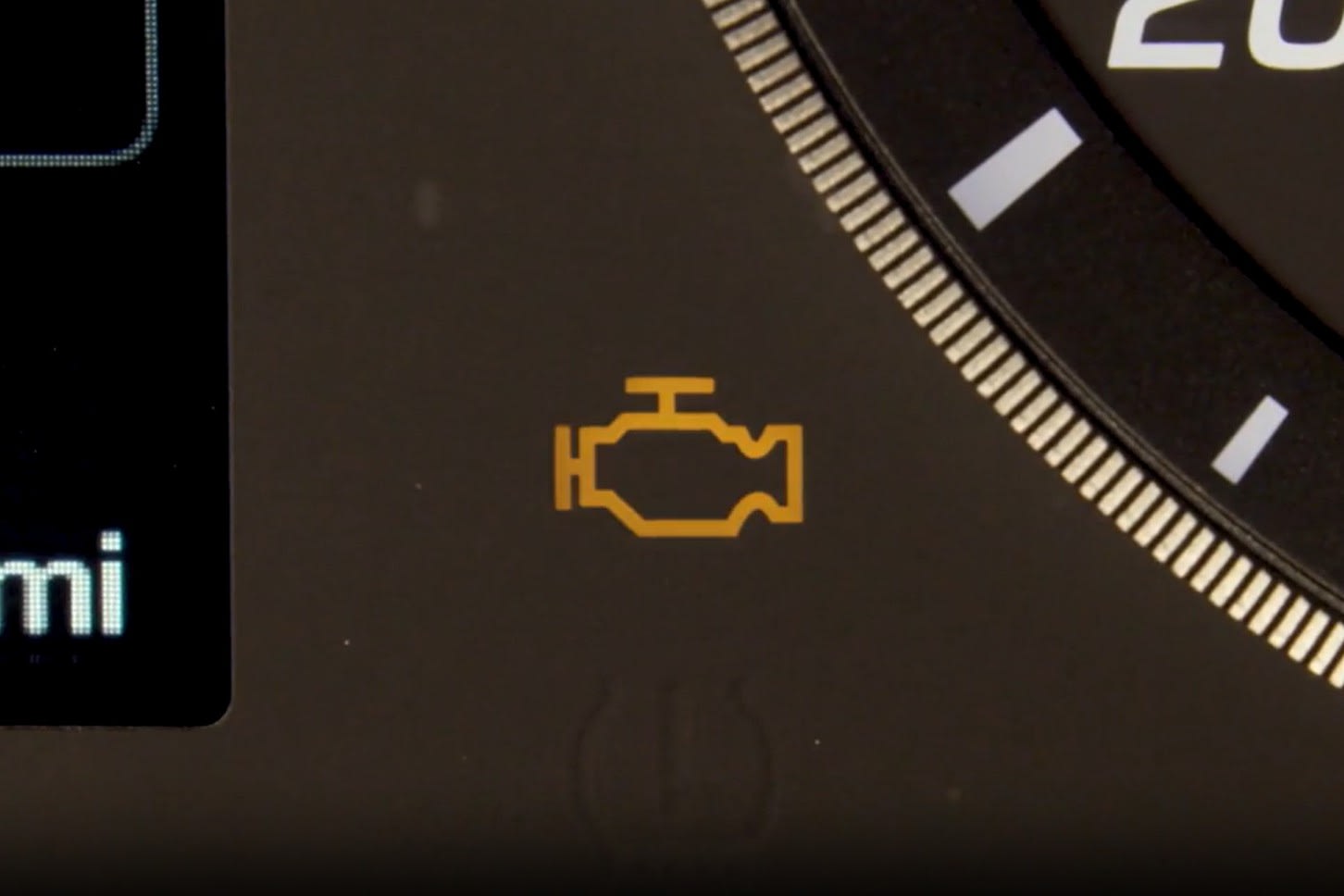
The presence of this code often coincides with other symptoms such as a flashing check engine light, a sudden loss of acceleration, or audible ticking sounds that increase in frequency with engine RPM. If you hear loud knocking or clanking noises accompanied by this code, it is generally advised to stop driving the vehicle to prevent a complete engine seizure or rod ejection.
Troubleshooting and Diagnostic Procedures
Diagnosing a P1326 code requires specialized equipment that can communicate with the Hyundai ECM to view live data streams and freeze-frame information. While generic OBD-II scanners can clear the code, doing so will not resolve the underlying vibration issue, and the code will almost certainly return immediately upon the next drive cycle.
- Scan and Document: Use a professional-grade diagnostic tool to pull the P1326 code. Check for any accompanying codes, such as P1327 or P0300, which might provide context regarding misfires.
- Oil Level Inspection: Check the engine oil immediately. A lack of oil or improper oil viscosity can exacerbate internal engine friction and trigger the KSDS. If the oil is metal-laden or appears "glittery," this is a strong indicator of bearing material circulating in the system.
- Software Verification: Ensure your Sonata has received all relevant KSDS software updates. Hyundai released specific patches for the ECM to reduce false-positive triggers for this code.
- Mechanical Inspection: A technician will often use an ultrasonic stethoscope to listen for rod bearing noise. If the mechanical knock is present, the diagnosis usually shifts to engine replacement rather than sensor replacement.
Professional Evaluation vs. DIY Attempts
When dealing with the P1326 code, DIY repairs are rarely the recommended path. Because this code is tied to the engine's long-term warranty and safety campaigns, having the work performed by an authorized Hyundai dealership is crucial. Dealerships have access to the "KSDS update status" database and can determine if your specific VIN is covered under extended warranty or a recall program.
Attempting to "bypass" the sensor or simply clearing the code with a handheld scanner is dangerous. If you ignore the knock sensor's warning and continue to drive, you risk snapping a connecting rod, which can punch a hole through the engine block, resulting in a total engine loss that may no longer be eligible for manufacturer goodwill or warranty coverage.
Comparison of Potential Scenarios
The following table outlines the likely status of your vehicle based on the diagnostic findings associated with the P1326 code.
| Finding | Likely Outcome | Recommended Action |
|---|---|---|
| No audible noise + code cleared | Software glitch or sensor error | Update KSDS firmware at dealership |
| Audible knocking noise | Bearing failure (catastrophic) | Stop driving; tow to dealership |
| Oil contamination (metallic debris) | Advanced internal wear | Engine block replacement required |
| P1326 + P1327 + P0300 | Multi-cylinder misfire/vibration | Full diagnostic of ignition/fuel system |
The Role of Warranty and Service Campaigns
In many regions, Hyundai has extended the powertrain warranty for the Theta II engine, which covers the costs associated with bearing failure diagnostics and engine replacement if the P1326 code is confirmed as a result of that specific defect. This warranty extension is a significant financial protection for owners.
To take advantage of this, ensure you have documentation of your oil changes. While the P1326 issue is widely recognized as a manufacturer-related flaw, dealers may still verify that the engine has been maintained according to the owner's manual. Keeping records of service dates, mileages, and the type of oil used is essential for claims processing.
Frequently Asked Questions
Can I drive my car with the P1326 code active? No. Driving in "limp mode" is intended only to allow you to get the vehicle to a safe location or a repair facility. Sustained driving with this code active can lead to complete engine failure.
Is it possible that the knock sensor itself is just bad? While sensors can fail, the P1326 code is specifically designed to identify engine vibration. If a technician replaces the sensor and the code returns, it confirms that the vibrations are mechanical, not electrical.
Does an oil change fix the P1326 code? If the oil level was extremely low, a fresh oil change might temporarily quiet the engine and clear the code. However, it does not repair a damaged bearing, and the code will likely return once the oil warms up and thins out.
What should I do if my dealership denies the claim? If a claim is denied based on maintenance history, consult your owner's manual and the specific terms of the Hyundai service campaign for your vehicle. If you have clear evidence of compliance, you can escalate the matter to Hyundai Customer Care.
How long does an engine replacement take if the P1326 code is confirmed? Depending on parts availability and dealer workload, this process can take anywhere from a few days to several weeks. Ensure you ask the dealer about loaner vehicle availability during the diagnostic process.
Next Steps for Owners
If your Sonata has triggered the P1326 code, your immediate priority is to cease operation of the vehicle to prevent further damage to the engine block. Locate your vehicle’s VIN and verify its status regarding the Hyundai KSDS safety recall on the official NHTSA or Hyundai recall lookup portals.
Contact your local dealership, inform them that you have a P1326 code, and state clearly that the vehicle is in "limp mode." Request a flatbed tow to the service department. By following this protocol, you preserve the engine's remaining integrity and ensure you are positioned correctly to receive any applicable warranty assistance from the manufacturer.