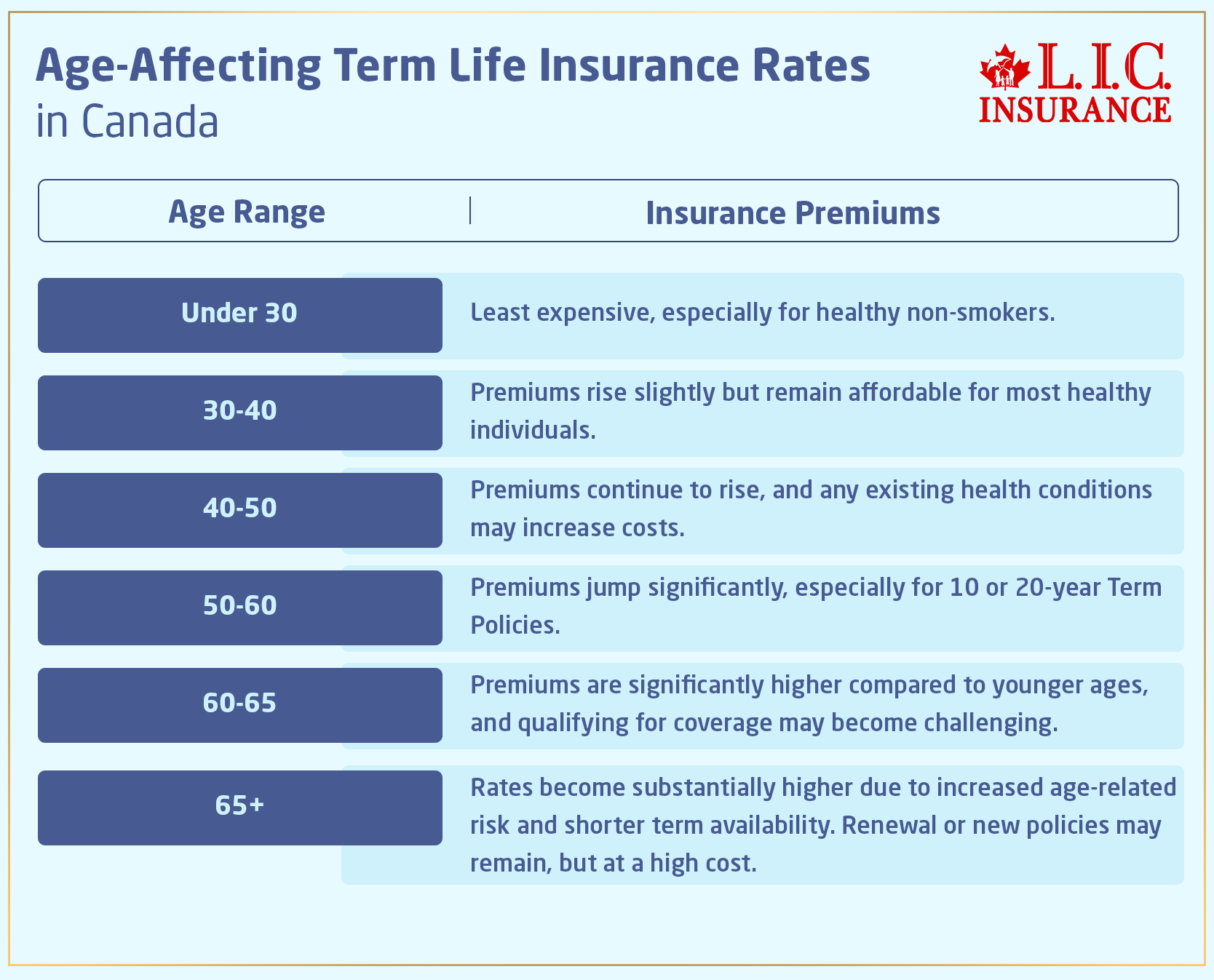
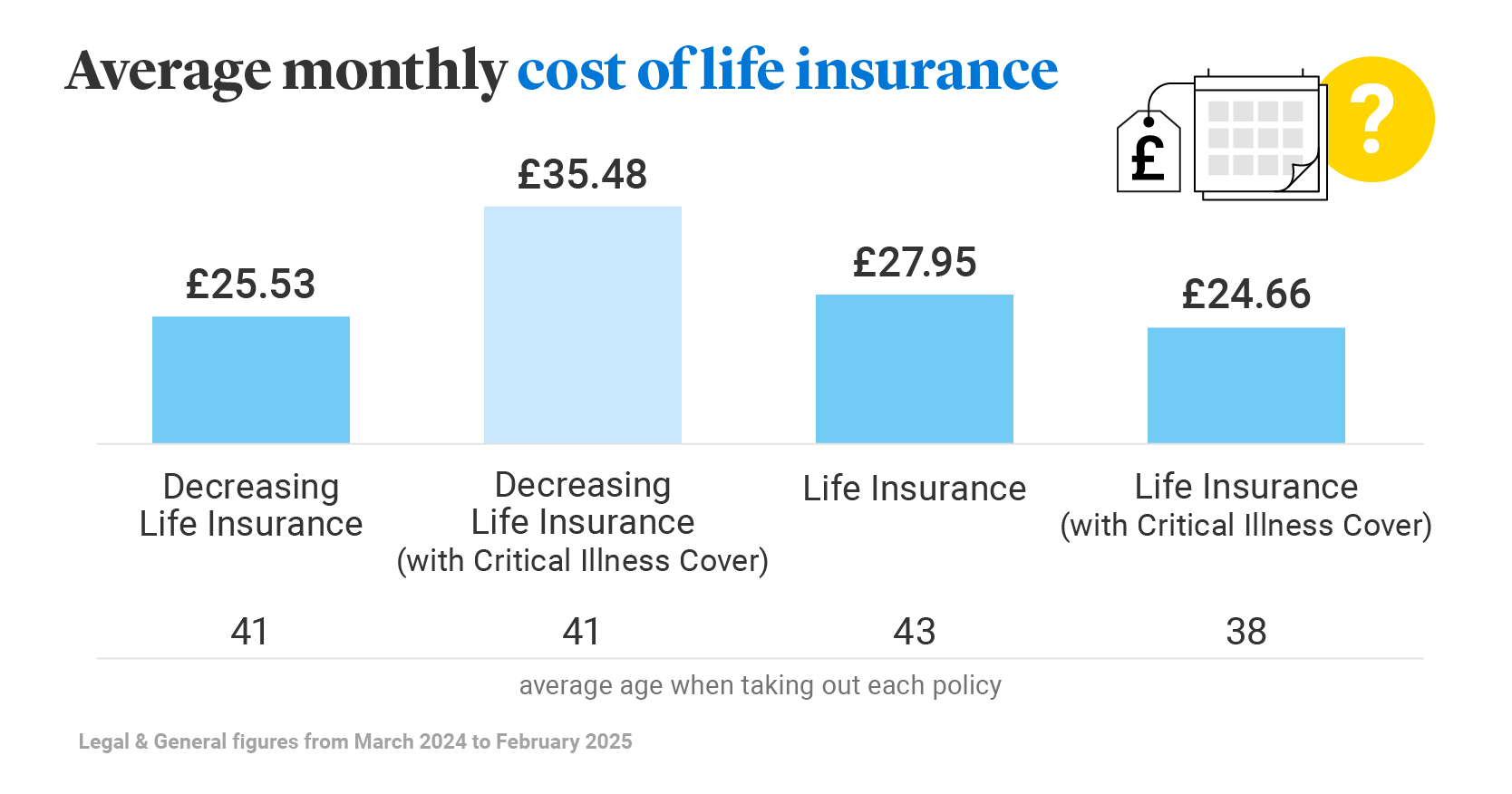
Securing a policy at age 65 involves higher premiums than younger demographics, with term life insurance typically costing between $150 and $450 per month for a $500,000 policy, while permanent coverage like whole life can easily exceed $1,000 to $2,000 monthly depending on health and coverage amounts.
Navigating the insurance market as a 65-year-old male requires an understanding of how underwriting standards shift in later life. Entering your mid-sixties marks a significant financial transition point. Whether you are looking to protect a spouse, cover final expenses, pay off a remaining mortgage, or leave an inheritance, understanding the true cost of life insurance is essential for proper estate planning. Insurers view this life stage through a distinct lens, factoring in life expectancy tables, heightened health risks, and the specific type of policy you select. This comprehensive guide breaks down the realistic costs, influential variables, policy structures, and strategic steps available to 65-year-old men seeking coverage.
Understanding the Financial Reality at Age 65
At age 65, life insurance is no longer just a budget-friendly safety net; it becomes a specialized financial instrument. Insurance carriers evaluate applicants based on actuarial tables that predict remaining life expectancy. Because mortality risk increases with age, premiums naturally scale upward compared to policies purchased in your thirties, forties, or fifties.
However, being 65 does not automatically price you out of the market. Many carriers offer competitive rates for healthy individuals who maintain an active lifestyle, manage chronic conditions effectively, and choose the right product category. To make informed decisions, you must look past generalized averages and examine how specific coverage types, health classifications, and term lengths intersect with your personal financial profile.
Key Factors Influencing Life Insurance Quotes
When insurance underwriters calculate premiums for a 65-year-old male, they rely on several core variables. Knowing how these factors interact helps you anticipate your expected costs and prepare your application strategically.
Health Classifications and Medical History
Your health status is the single most significant driver of your premium. Underwriters categorize applicants into tiers such as Preferred Plus, Preferred, Standard Plus, Standard, or Substandard (Table ratings). At age 65, minor health issues like mild hypertension or elevated cholesterol can prevent you from reaching the top tiers, bumping you into Standard categories. Major conditions—such as a history of heart disease, diabetes, or cancer—will require specialized underwriting and typically result in higher premiums or graded death benefits.
Tobacco and Nicotine Use
Tobacco use drastically alters life insurance pricing. A 65-year-old male who smokes cigarettes can expect to pay anywhere from two to three times more for the exact same policy compared to a non-smoker. This penalty applies to both term and permanent insurance products. Even alternative nicotine products, such as cigars, pipes, or e-cigarettes, can trigger tobacco-rate classifications depending on the carrier's specific guidelines.
Coverage Amount (Face Value)
The death benefit you select directly dictates the cost of the policy. A $100,000 policy designed solely to cover final expenses and modest debts will carry a manageable monthly premium. Conversely, a $1,000,000 policy meant to replace lost income or fund a complex estate plan will require a substantial monthly financial commitment.
Policy Type and Duration
The structure of the policy fundamentally changes the price. Term life insurance provides temporary coverage for a set period (such as 10, 15, or 20 years) and offers the most affordable rates for older adults. Permanent life insurance, including whole life or universal life, remains active for your entire life and builds cash value, making it significantly more expensive.
Estimated Cost Breakdown by Policy Type
To provide a realistic picture of what a 65-year-old male will encounter in the current market, review the estimated monthly premiums outlined below. These figures represent general averages for a non-smoker in standard health; actual quotes will vary based on individual underwriting results.
| Policy Type | Coverage Amount | Term / Duration | Estimated Monthly Premium (Standard Health) |
|---|---|---|---|
| Term Life | $250,000 | 10 Years | $90 – $160 |
| Term Life | $500,000 | 10 Years | $160 – $320 |
| Term Life | $250,000 | 15 Years | $150 – $280 |
| Whole Life | $100,000 | Lifetime | $450 – $750 |
| Whole Life | $250,000 | Lifetime | $1,100 – $1,800 |
| Final Expense | $25,000 | Lifetime | $100 – $220 |
Note: Insurance rates fluctuate based on specific carrier guidelines, state regulations, and individual medical underwriting outcomes. Always request formal quotes tailored to your exact profile.
Choosing Between Term and Permanent Life Insurance
Selecting the appropriate product category is the most critical decision a 65-year-old male will make during the purchasing process. Each option serves distinct financial goals and carries specific operational limitations.
Term Life Insurance for 65-Year-Olds
Term life insurance provides pure death-benefit protection without cash value accumulation. For a 65-year-old, a 10-year term policy is the most common choice, ensuring coverage until age 75.
- Pros: Highly affordable relative to permanent options; ideal for covering specific temporary obligations such as a 15-year mortgage balance or ensuring income replacement until Social Security and retirement accounts reach peak utilization.
- Cons: The policy expires at the end of the term, and renewing it past age 75 or 80 becomes prohibitively expensive or impossible. Furthermore, term policies do not build equity.
Whole and Universal Life Insurance
Permanent life insurance stays in effect for your entire life, provided you continue paying the premiums. It also features a cash value component that grows on a tax-deferred basis, which you can borrow against or withdraw from if needed.
- Pros: Guaranteed lifetime protection; fixed premiums that never increase; cash value growth that can supplement retirement or cover unexpected expenses.
- Cons: High cost relative to income; less financial flexibility if your budget tightens in retirement; complex fee structures within universal life products.
Alternative Coverage Options for Older Adults
If traditional underwriting proves too costly or if pre-existing medical conditions lead to policy denials, alternative insurance products offer viable pathways to coverage.
Simplified Issue and Guaranteed Issue Policies
Simplified issue life insurance requires no medical exam, though you must answer a brief health questionnaire. Approval is fast, but coverage amounts are typically capped between $25,000 and $100,000.
Guaranteed issue life insurance goes a step further by eliminating both medical exams and health questions. Anyone within the eligible age bracket (usually 50 to 80 or 85) is accepted. However, these policies feature a "graded death benefit," meaning if you pass away from natural causes within the first two or three years of the policy, your beneficiaries receive a refund of premiums plus interest rather than the full face value.
Group Life Insurance Through Employers or Associations
If you are still working at age 65 or belong to professional organizations, alumni networks, or retiree associations, you may have access to group life insurance. These policies often require minimal or no medical underwriting. While convenient, group coverage frequently has lower maximum benefit limits and may not be portable if you leave the employer or organization.
Common Mistakes to Avoid When Buying at Age 65
Navigating the insurance market later in life requires avoiding pitfalls that can lead to overpaying or securing inadequate protection.
- Delaying the Application: Waiting even one year past age 65 can increase your base rates by 4% to 8% simply due to age progression, not accounting for any sudden health changes. Lock in rates while you are as young as possible.
- Over-Insuring or Under-Insuring: Carefully calculate your actual financial liabilities. If your mortgage is paid off and your children are financially independent, you do not need a multi-million-dollar policy. Focus coverage strictly on final expenses, remaining debt, and survivor income support.
- Failing to Shop Multiple Carriers: Insurance companies weigh health conditions differently. One carrier might penalize high blood pressure heavily, while another views it as well-managed. Working with an independent insurance broker allows you to compare quotes across multiple top-rated carriers simultaneously.
- Overlooking Policy Riders: Consider adding accelerated death benefit riders, which allow you to access a portion of your death benefit early if you are diagnosed with a terminal illness or require chronic care.
Frequently Asked Questions
Can a 65-year-old male easily qualify for a 20-year term life insurance policy?
Qualifying for a 20-year term policy at age 65 is challenging because most major insurance carriers cap their maximum age limits for long-term policies at 75 or 80, meaning a 20-year term pushes coverage past age 85. Many insurers will limit 65-year-old applicants to 10-year or 15-year term options. If you require longer or permanent protection, whole life or universal life insurance is generally the more appropriate route.
Is a medical exam mandatory to get life insurance at age 65?
A medical exam is not strictly mandatory, but skipping it impacts your options and costs. Many traditional term and permanent policies require a paramedical exam (blood draw, urine sample, blood pressure check) to secure the lowest possible rates through favorable health classifications. If you wish to avoid an exam, you can apply for simplified issue or guaranteed issue policies, though these come with higher premiums and lower maximum death benefits.
What happens if my health changes after I purchase a term policy?
Once your life insurance policy is approved and issued, your rates and coverage are locked in, provided you pay your premiums on time. A subsequent decline in your health will not cause your insurer to raise your rates or cancel your coverage. This stability is the primary reason financial professionals recommend locking in a policy as soon as you determine a need for coverage.
How does smoking affect life insurance rates for a 65-year-old male?
Smoking dramatically increases life insurance premiums. A 65-year-old male who smokes cigarettes will typically pay two to three times more than a non-smoker for an equivalent policy. Some carriers do offer non-smoker rates if you have successfully quit and remained nicotine-free for a specific period, usually between one to three years, verified through medical testing.
Are life insurance death benefits taxable for my beneficiaries?
In the vast majority of cases, life insurance death benefits paid out to designated beneficiaries are completely income tax-free. However, if the policy is owned by an irrevocable trust or if the estate itself is named as the beneficiary instead of an individual, the proceeds may become subject to estate taxes or probate laws. Consulting a tax professional or estate planning attorney helps ensure your beneficiary designations are structured properly.
Practical Next Actions
Securing life insurance at age 65 begins with a clear assessment of your financial obligations and health profile. First, calculate the exact amount of coverage you need by tallying your outstanding debts, final expense estimates, and long-term income requirements for your spouse. Second, pull your medical records and note any prescription medications or recurring treatments. Finally, connect with an independent insurance broker who can run quotes across multiple highly rated carriers to find the policy that balances comprehensive protection with manageable monthly premiums.