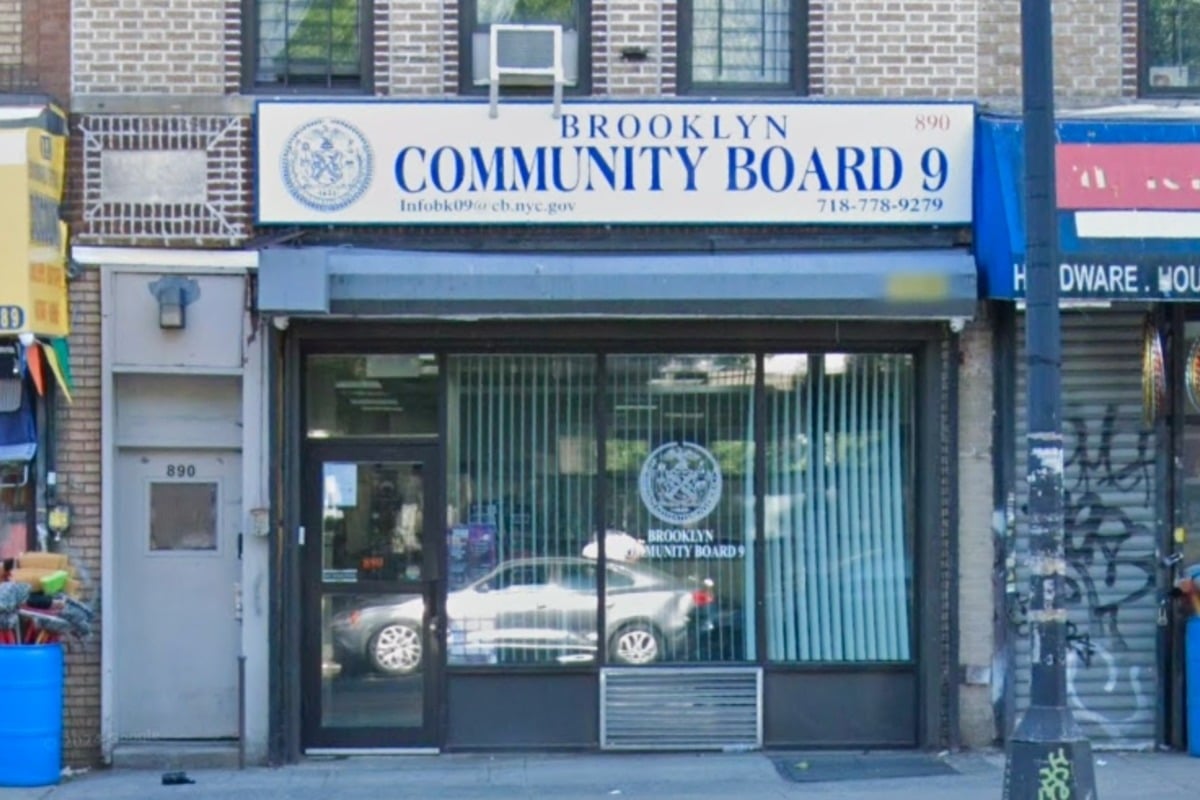
Brooklyn Community Board 1 (BKCB1) serves as the primary advisory body for the neighborhoods of Williamsburg and Greenpoint. In 2026, the board is focusing its efforts on large-scale land-use reviews, climate resiliency infrastructure along the East River waterfront, and the biennial appointment of its 50 volunteer members to ensure diverse representation across North Brooklyn.
Brooklyn Community Board 1 is one of 59 such boards across New York City, acting as a crucial bridge between local residents and the municipal government. As we move through 2026, the board’s role has become increasingly significant due to the continued post-pandemic evolution of North Brooklyn’s industrial and residential corridors. Whether you are a long-term resident of a rent-stabilized apartment in Greenpoint or a newcomer to a high-rise in Williamsburg, understanding the operations, priorities, and membership of BKCB1 is essential for navigating local governance.
Governance and Structure of BKCB1 in 2026
The structure of Brooklyn Community Board 1 is defined by the New York City Charter, but its daily operations are shaped by the specific needs of the Williamsburg and Greenpoint communities. The board consists of 50 unsalaried members, each appointed for two-year terms.
Appointment and Membership
For the 2026 cycle, appointments are split between the Brooklyn Borough President and local City Council members. Half of the board’s seats are up for renewal or new appointments every year. In 2026, the application process emphasized digital accessibility and demographic diversity to ensure that the board reflects the shifting population of North Brooklyn.
To serve on the board, individuals must live, work, or have a significant interest in the district. The 2026 membership includes a mix of small business owners, urban planners, retirees, and community activists. This diversity is intentional, as the board must weigh competing interests regarding nightlife, quiet residential enjoyment, and industrial preservation.
The District Office and Staff
While the 50 board members are volunteers, the district office is staffed by full-time city employees. The District Manager leads this office, serving as a liaison between the community and city agencies like the Department of Sanitation (DSNY), the Department of Transportation (DOT), and the NYPD. In 2026, the district office continues to be the first point of contact for residents reporting systemic "311" issues that require more than a standard service request.
Core Committees and Their 2026 Priorities
The heavy lifting of the board is done within its specialized committees. These committees meet monthly to review specific proposals before bringing their recommendations to the full board for a public vote.
Land Use, ULURP, and Landmarks
This is arguably the most influential committee within BKCB1. In 2026, the Land Use Committee is overseeing several major rezonings intended to increase housing density while preserving "IBZ" (Industrial Business Zone) protections. The primary focus this year is the balance between luxury residential growth and the mandate for truly affordable housing units under the Mandatory Inclusionary Housing (MIH) program.
Transportation and Public Safety
With the continued expansion of bike lane networks and the ongoing monitoring of the BQE (Brooklyn-Queens Expressway) rehabilitation project, the Transportation Committee remains at the center of local debate. In 2026, the committee is specifically evaluating the impact of "Open Streets" permanency and the integration of new electric vehicle charging infrastructure within the district’s constrained parking landscape.
SLA and DCA (Liquor Licenses and Cannabis)
Williamsburg and Greenpoint possess one of the highest densities of liquor licenses in the state. The SLA (State Liquor Authority) Committee reviews new applications and renewals for bars and restaurants. Furthermore, in 2026, the board has refined its guidelines for legal cannabis dispensaries, focusing on proximity to schools and "clustering" concerns that have emerged as the market matures.
Environmental Protection and Parks
Given the industrial history of North Brooklyn, environmental justice is a permanent fixture on the 2026 agenda. The committee is currently tracking the cleanup of the Meeker Avenue Plume and the Newtown Creek Superfund site. Additionally, the committee is advocating for the completion of Bushwick Inlet Park, a decades-long promise to the community for expanded green space.
2026 Land Use and Development Milestones
Land use remains the most contentious and impactful area of BKCB1’s jurisdiction. Under the Uniform Land Use Review Procedure (ULURP), the board has a formal (though advisory) role in deciding the future of the neighborhood's skyline.
| Project Type | 2026 Focus Area | Primary Objective |
|---|---|---|
| Waterfront Residential | North Williamsburg | Completion of mixed-use towers with public esplanades. |
| Industrial/Commercial | East Williamsburg | Preserving manufacturing jobs while allowing creative office space. |
| Public Infrastructure | Greenpoint Waterfront | Shoreline resiliency and flood mitigation for the 2020s climate. |
| Transportation | BQE Corridor | Mitigation of noise and air pollution during structural repairs. |
| Affordable Housing | District-wide | Ensuring 2026 MIH compliance and senior housing availability. |
In 2026, the "River Ring" project and similar large-scale developments are in critical stages of construction or final occupancy oversight. BKCB1 is tasked with ensuring that the developers adhere to the community benefits agreements (CBAs) signed during the approval phases, particularly regarding local hiring and public park maintenance.
The 2026 Budget Process
Each year, Community Board 1 participates in the city’s budget process by submitting Capital and Expense budget priorities. This is a multi-step process that begins in the fall and culminates in the city's final budget adoption by June.
- Needs Assessment: The board identifies gaps in city services, such as a need for more frequent trash pickup or repairs to local school facilities.
- Public Hearings: Residents are invited to testify about where they believe city tax dollars should be spent within Williamsburg and Greenpoint.
- Prioritization: The board ranks these requests. In 2026, high-priority items include funding for local libraries, upgraded sewer infrastructure to prevent basement flooding, and increased funding for the 94th and 90th Precincts.
- Agency Response: City agencies review these requests and provide formal responses, which the board then tracks to ensure accountability.
How to Participate in BKCB1 Meetings in 2026
Public participation is the lifeblood of the community board system. BKCB1 holds "Full Board" meetings once a month, typically on the second Tuesday of the month.
Attending Meetings
In 2026, BKCB1 utilizes a hybrid meeting model. Meetings are held in person at local venues (often community centers or school auditoriums) and are simultaneously broadcast via digital platforms to maximize accessibility. This allows residents who cannot travel to a physical location to still participate in the democratic process.
Speaking at a Meeting
Every Full Board meeting includes a "Public Session." This is a dedicated window—usually at the start of the meeting—where any member of the public can speak for two minutes on any topic of local concern. If you wish to speak, you generally must sign up before the meeting begins, either online through the board’s 2026 portal or on a physical sign-in sheet at the venue.
Joining a Committee as a Public Member
You do not have to be an appointed board member to contribute. BKCB1 often allows "public members" to serve on committees. These individuals participate in discussions and provide expert or local insight, although they do not have a vote on the final board recommendations. This is an excellent way for residents to gain experience before applying for a full board seat in future cycles.
2026 Membership Application and Renewal
The 2026 application window for Brooklyn Community Board 1 typically opens in January and closes in mid-February. The Brooklyn Borough President’s office manages this process.
Eligibility Requirements
- Age: You must be 16 years of age or older (New York City has a specific initiative to include youth members on boards).
- Residency/Affiliation: You must live in, work in, or have a professional or significant interest in Community District 1.
- Attendance: Current members seeking reappointment in 2026 are evaluated based on their attendance records from the previous term. Frequent unexcused absences are a primary reason for non-reappointment.
The Application Process
The 2026 application is entirely digital. It requires a resume and a series of short-answer questions regarding your involvement in the community and your reasons for wanting to serve. After the application is submitted, the Borough President’s office conducts interviews, and new terms officially begin on April 1st, 2026.
Frequently Asked Questions (FAQs)
What neighborhoods are covered by Brooklyn Community Board 1?
Brooklyn Community Board 1 covers the neighborhoods of Williamsburg and Greenpoint. The district is bounded by the East River to the west, Newtown Creek to the north and east, and Flushing Avenue and Kent Avenue to the south. It encompasses a diverse array of sub-neighborhoods, including the North Side, South Side, East Williamsburg, and the various residential and industrial sectors of Greenpoint.
Does the community board have the power to stop a construction project?
No, the community board’s role in the land-use process is purely advisory. When a developer seeks a rezoning or a special permit through the ULURP process, the board votes to "Approve," "Approve with Conditions," or "Disapprove." While the City Planning Commission and the City Council make the final binding decisions, they take the community board's vote into serious consideration. A strong "Disapprove" vote from BKCB1 often forces developers to negotiate better terms for the community.
How do I report a noise complaint or a trash issue to the board in 2026?
Residents should first call 311 or use the 311 app to create an official record of the issue. If the problem is persistent and the city agency has not resolved it, you should then contact the Brooklyn Community Board 1 District Office with your 311 service request numbers. The District Manager can then escalate the issue directly to the agency’s borough commissioner or local supervisor to seek a resolution.
Can teenagers really serve on the board in 2026?
Yes. Since 2014, New York City has allowed 16- and 17-year-olds to be appointed to community boards. BKCB1 actively encourages youth participation to ensure that the perspectives of younger residents are considered in long-term planning, particularly regarding parks, schools, and climate change initiatives. Youth members have the same voting rights and responsibilities as adult members.
Where can I find the 2026 meeting calendar?
The official 2026 meeting calendar is hosted on the Brooklyn Community Board 1 website. The site is updated monthly with agendas, meeting locations (for the hybrid sessions), and links to join the digital broadcasts. It also contains archives of past meeting minutes and video recordings of previous sessions.
Final Recommendations for Residents
To stay informed and effective as a constituent of Brooklyn Community Board 1 in 2026, residents should take three specific actions. First, sign up for the board’s email newsletter to receive monthly agendas; this is the most reliable way to know when a project in your immediate vicinity is being discussed. Second, attend at least one committee meeting that aligns with your interests (such as Parks or Transportation) to see the granular level of detail the board manages. Finally, if you feel strongly about the direction of Williamsburg or Greenpoint, apply for a board position during the next cycle. Local governance is most effective when it is truly representative of the people who live and work in the district.